




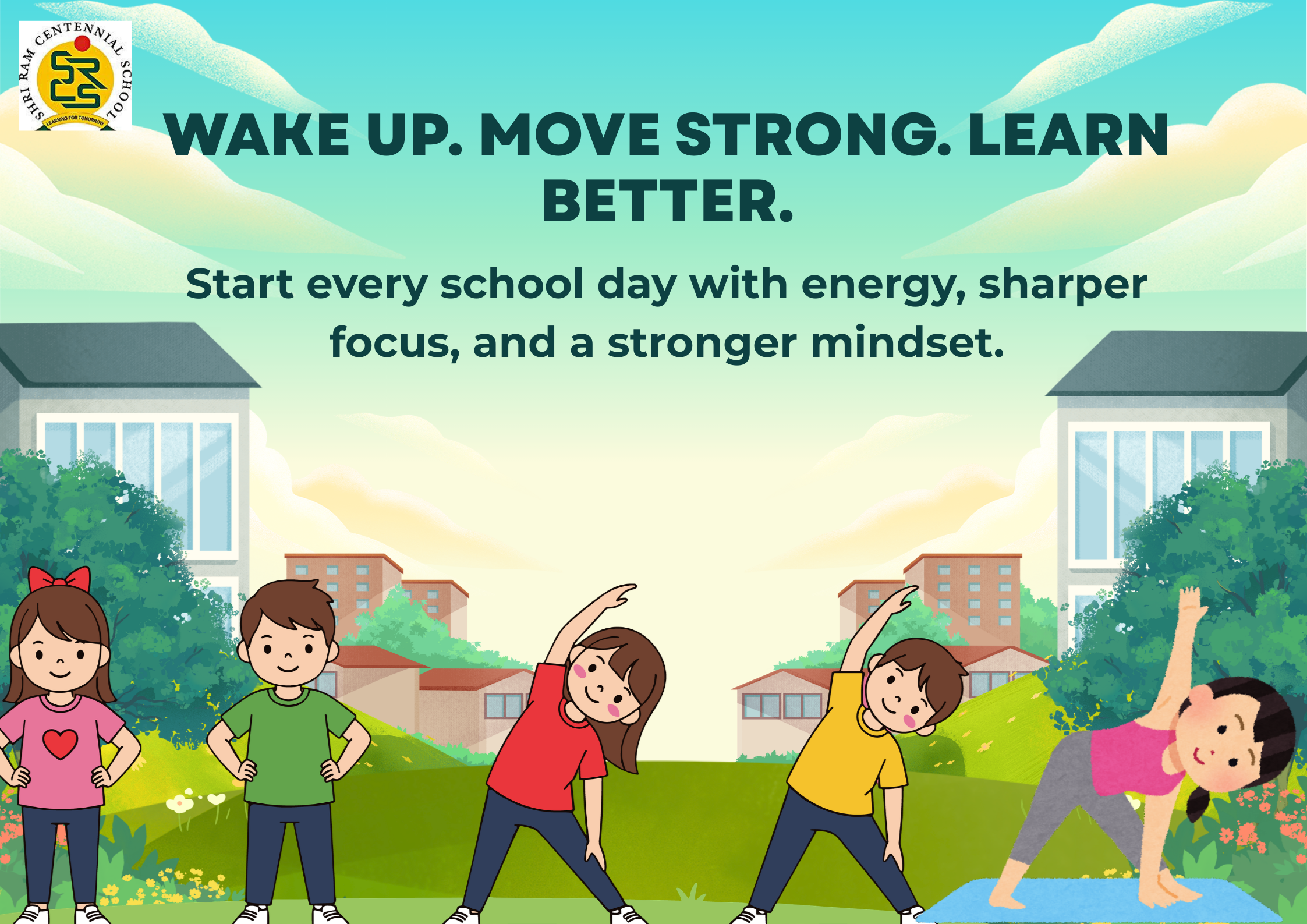
Morning sets the tone for the entire day. For students, it can determine whether classes feel productive or exhausting. With increasing academic pressure, screen time, and reduced physical activity, many learners begin their day feeling sluggish rather than energized.
This guide explains 10 easy morning exercises designed specifically for students, along with a practical 20-minute plan that fits into even the busiest schedule.
Table of Contents
ToggleWhy Morning Exercise Matters for Students
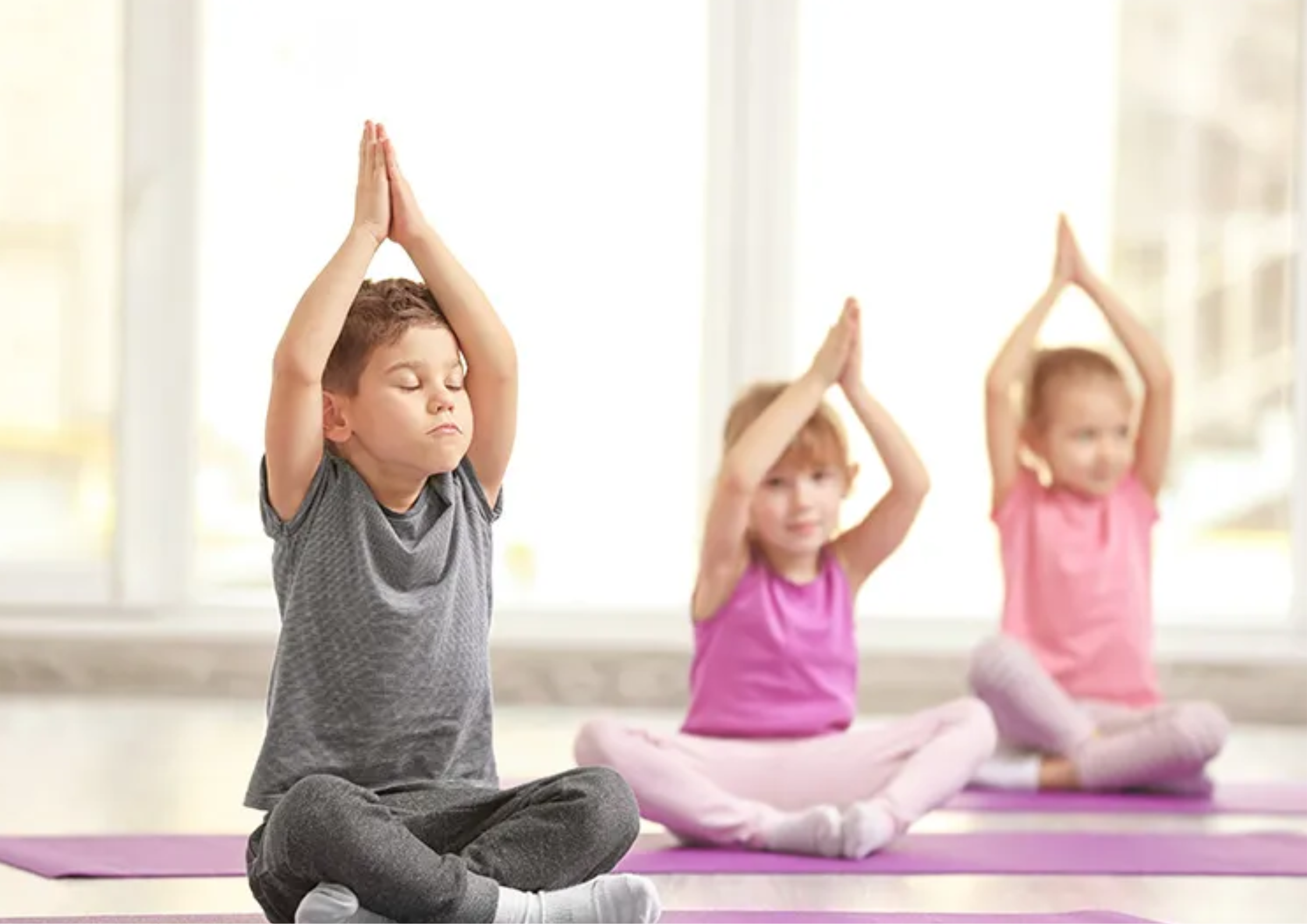
Physical activity is not just about fitness—it directly influences cognitive performance. Research shows that light to moderate exercise increases blood flow to the brain, improves oxygen supply, and stimulates the release of feel-good hormones.
Key Benefits:
-
Improves memory retention
-
Enhances concentration in class
-
Reduces stress and anxiety
-
Boosts immunity
-
Builds discipline and routine
For growing children and teenagers, regular movement also supports posture, flexibility, and healthy development.
The 20-Minute Morning Exercise Plan

This balanced routine includes warm-up, strength, flexibility, and breathing exercises. It requires no equipment and can be done at home.
Structure Overview:
-
5 minutes: Warm-up
-
10 minutes: Core exercises
-
5 minutes: Stretching & breathing
Let’s break it down.
Part 1: Warm-Up (5 Minutes)

Warming up prepares muscles and prevents injury. It gradually increases heart rate and improves mobility.
1. Jumping Jacks (1 Minute)
A simple full-body movement that activates arms, legs, and core. It improves circulation and wakes up the body quickly.
2. Arm Circles (1 Minute)
Rotate arms forward and backward to loosen shoulder joints—especially helpful for students who spend long hours writing or typing.
3. Neck Rolls & Shoulder Shrugs (1 Minute)
Gentle neck rotations and shoulder lifts relieve stiffness and improve posture.
4. Spot Jogging (2 Minutes)
Jog in place at a comfortable pace to elevate heart rate and energize the body.
Part 2: Core Morning Exercises (10 Minutes)

These exercises improve strength, flexibility, and stamina without causing exhaustion.
5. Squats (2 Minutes)
Squats strengthen legs and improve balance. They also support spinal alignment, which is important for students sitting for long hours.
6. Push-Ups (1–2 Minutes)
Modified push-ups are suitable for beginners. They build upper body strength and endurance.
7. Plank Hold (1 Minute)
Planks strengthen the core, improving posture and reducing back discomfort.
8. High Knees (2 Minutes)
Lift knees toward the chest while jogging in place. This improves coordination and cardiovascular health.
9. Basic Yoga Stretch (2 Minutes)
A simple forward bend and gentle back stretch help increase flexibility. The Benefits of Yoga Education include better mental clarity and emotional balance, which are particularly useful before exams or presentations.
10. Deep Breathing with Stretch (1–2 Minutes)
Stand tall, inhale deeply while raising arms, and exhale slowly while lowering them. This calms the nervous system and sharpens focus.
How This Routine Improves Energy and Focus

A 20-minute routine may seem small, but its impact is significant.
1. Better Brain Function
Exercise stimulates the release of endorphins and dopamine—chemicals that enhance alertness and mood.
2. Improved Classroom Attention
Students who exercise in the morning often show better participation and reduced restlessness.
3. Stronger Stress Management
Physical activity reduces cortisol levels, helping students manage academic pressure.
4. Improved Sleep Cycle
Morning workouts regulate circadian rhythm, leading to better sleep at night.
5. Confidence Boost
Achieving a daily fitness goal builds self-discipline and self-belief.
Common Challenges Students Face

Despite the benefits, many students struggle to maintain consistency.
1. Lack of Time
Busy school schedules and tuition classes make mornings feel rushed.
Solution: Wake up just 25 minutes earlier and prepare school essentials the night before.
2. Low Motivation
Starting a new habit can feel overwhelming.
Solution: Begin with 10 minutes and gradually increase to 20.
3. Physical Inactivity Habit
Students accustomed to sedentary routines may feel initial discomfort.
Solution: Focus on gentle movements first and maintain proper form.
4. Exam Pressure
Students may skip exercise during exam season.
Reality: This is when exercise is most beneficial for stress control.
Consistency matters more than intensity.
Tips for Making It a Daily Habit

Building a sustainable routine requires strategy.
1. Keep It Simple
Avoid complex workouts. The easier the routine, the more likely it will continue.
2. Maintain a Fixed Schedule
Exercise at the same time every morning to build habit memory.
3. Stay Hydrated
Drink a glass of water before beginning.
4. Involve Family
Parents exercising with children increases motivation.
5. Track Progress
Use a simple checklist to mark completed days.
Safety Guidelines for Students

Morning exercise should energize—not exhaust.
-
Avoid heavy workouts on an empty stomach.
-
Wear comfortable clothing.
-
Stop immediately if dizziness occurs.
-
Students with medical conditions should consult a doctor before starting.
The goal is balance, not extreme fitness training.
Ideal Age-Wise Modifications

Different age groups require different intensity levels.
Primary Students (6–10 Years)
Focus on playful movements like jumping and stretching.
Middle School (11–14 Years)
Introduce structured bodyweight exercises with moderate repetition.
Senior Students (15–18 Years)
Include planks, squats, and cardio combinations for stamina and stress management.
Long-Term Impact of Morning Exercise

When students adopt a daily movement habit, the benefits extend beyond academics.
-
Improved physical endurance
-
Stronger immunity
-
Reduced screen dependency
-
Better emotional control
-
Enhanced leadership skills
Healthy students grow into productive adults. Schools and parents share responsibility in encouraging physical activity alongside academics.
Conclusion
Morning exercise is a simple yet powerful habit that supports both academic performance and overall well-being. This 20-minute routine is practical, safe, and easy to follow for students of all ages.
By combining warm-up movements, strength exercises, flexibility, and breathing techniques, students can boost energy, improve focus, and reduce stress naturally.
In a world where distractions are constant and academic demands are growing, a structured morning fitness routine offers stability and strength. The key is not perfection—but consistency.
Start tomorrow. Twenty minutes is all it takes to build a stronger body, a sharper mind, and a more confident student.
Frequently Asked Questions (FAQs)
1. What is the best time in the morning for students to exercise?
The ideal time is between 5:30 AM and 7:00 AM, before getting ready for school. Exercising during this period helps activate the brain, improve alertness, and set a positive tone for the day.
2. Should students eat before doing morning exercises?
Light hydration is recommended before exercise. A glass of water is usually enough. If a student feels weak, a small snack like a banana can help. Heavy meals should be avoided before workouts.
3. Can morning exercise improve exam performance?
Yes. Regular physical activity increases blood flow to the brain, which supports memory, concentration, and problem-solving skills—important factors during exams.
4. How long does it take to see results from a morning routine?
Students may start feeling more energetic within one to two weeks. Improvements in stamina, posture, and focus typically become noticeable after consistent practice for about a month.
5. Are morning exercises safe for students with low fitness levels?
Yes, as long as exercises are light to moderate and done with proper form. Beginners should start slowly and gradually increase intensity to avoid strain.
6. Can morning exercise reduce screen-time fatigue?
Yes. Physical movement improves posture, reduces muscle stiffness, and relieves eye and mental strain caused by long hours of screen use.