Time Management Tips for Students: 10 Smart Ways to Balance Life
Time management tips for students will help balance studies, sports, hobbies, family time and personal…






Time management tips for students will help balance studies, sports, hobbies, family time and personal…

Fun learning activities at school make education more interesting, interactive and meaningful for students. Learning…
Choosing the right school is an important decision for every parent. When considering co-ed boarding…

Boarding school life is different from attending a day school. Students learn, live, play and…

Time management tips for students will help balance studies, sports, hobbies, family time and personal responsibilities more easily. Students’ schedules are often full, and trying to do everything at the last minute can lead to unnecessary stress. Good time management for students isn’t about studying every spare minute. It’s about knowing what’s important, planning ahead…

Fun learning activities at school make education more interesting, interactive and meaningful for students. Learning is more than just textbooks, lectures and written assignments. They learn by experimenting and creating, by talking, by playing educational games, by solving problems and working with their peers. These activities are fun lessons, but they are also well thought…

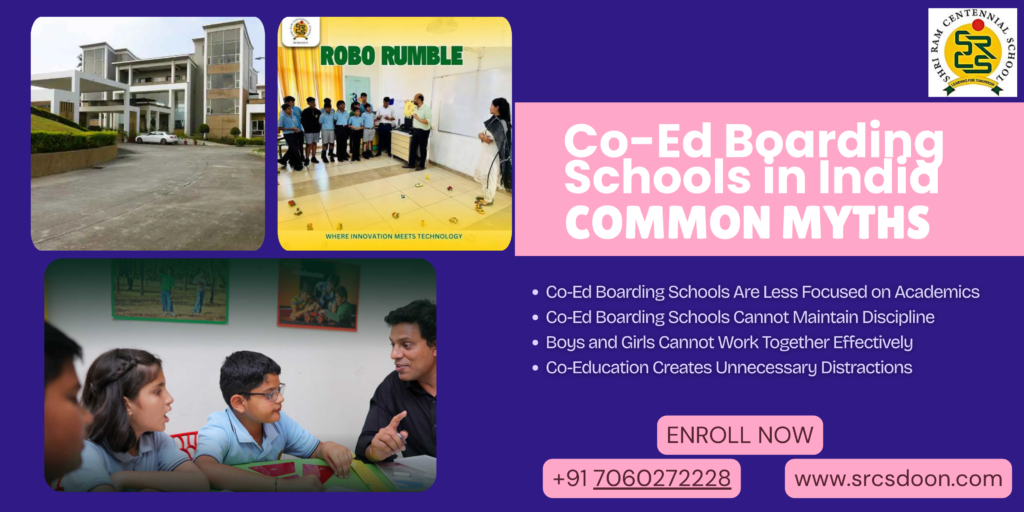
Choosing the right school is an important decision for every parent. When considering co-ed boarding schools in India, families often have questions about academics, discipline, safety, friendships, and the overall learning environment. Some concerns are valid and should be investigated carefully. Others are based on common misconceptions about co-educational residential education. A well-managed co-ed boarding…

Boarding school life is different from attending a day school. Students learn, live, play and spend an inordinate amount of time in the school environment. This setting can offer a chance to be more independent, to form friendships, engage in activities and develop practical life skills. But, for parents, it is a major decision to…

Weekly assessments are becoming more and more valuable in education. Regular assessments are frequent assessments which allow teachers and students to have multiple chances to learn; understand what they have learnt and what is difficult; and then get better before our small learning gaps become big learning problems. Avoid repeated testing of students – the…

Character education in schools plays an important role in preparing students for life beyond the classroom. Academic performance can help students progress through their education, but marks alone cannot teach them how to make responsible decisions, treat others with respect, handle challenges, or contribute positively to society. Therefore, a well-balanced education must be combining both…

Choosing a boarding school is a major decision for parents. Unlike a day school, a boarding school becomes a child’s academic, social, and residential environment. Students spend much of their time on campus, making factors such as academics, safety, pastoral care, facilities, and overall school culture especially important. Parents often focus on rankings or examination…

For every parent, selecting the right school is a crucial choice to make. Top co-ed schools in Uttarakhand provide students with learning opportunities to build confidence, leadership, communication, sportsmanship and independence along with academic learning. There are a number of well-established schools in Uttarakhand, with day / day boarding / and residential education, of which…

Every parent wants to make an important decision when picking the right school. Dehradun is considered to have an excellent educational system, as there are established institutions providing academic programmes, boarding, sports, extra-curricular activities, and holistic development. There are so many different options to choose from that finding the top CBSE schools in Dehradun can…
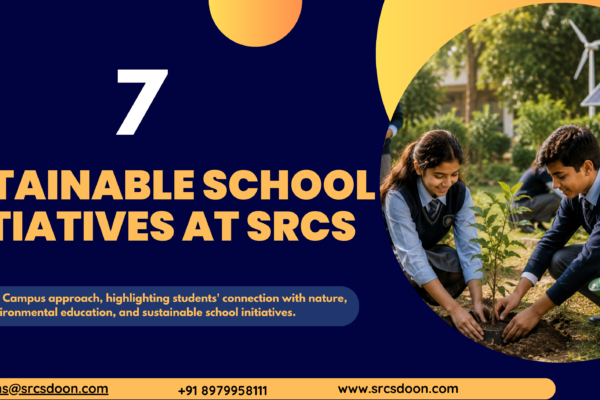
A school campus does not have to be limited to classrooms and laboratories and sports facilities. It can also be a living environment in which students learn how to appreciate nature, have an understanding of environmental responsibility and make sustainable decisions in their daily lives. The concept of Green Campus is to make sustainability a…