





Have you ever studied for hours, only to forget half of it the next day? You’re not alone. Most students struggle not because they don’t study, but because they don’t organize what they study in the right way. This is where note-making comes in. Notes act like a personal learning toolkit—summarizing, simplifying, and saving time when exams are near.
In this blog, we’ll explore effective techniques, styles, and principles of note-making, along with modern digital tools to make your study sessions powerful and stress-free.
Why Note-Making Techniques Matters
The importance of note-making techniques goes beyond exams. When you create your own notes, you process information actively. This makes learning deeper and helps you recall facts for a longer time. In classrooms or during a Self Study Class, taking notes is not just about copying—it is about understanding and summarizing ideas.
Good notes give you a personal study guide. They help you follow the Best Time table you create and stay focused during revision. In fact, many top-performing students in schools in India say that strong note-taking habits are their biggest advantage.
Here Are 10 Proven Note-Making Techniques
1. The Cornell Method: Classic and Reliable
The Cornell Method is one of the most effective note-making methods used around the world.
-
How it works: Divide your page into three sections—notes on the right, keywords/cues on the left, and a summary at the bottom.
-
Why it helps: The cue column forces you to identify key ideas; the summary box encourages quick revision.
This system is perfect for subjects where definitions and key terms matter, such as science or history.
2. Mind Mapping: Connect Ideas Visually
For visual learners, mind mapping is a game changer.
-
Technique: Start with a central topic and branch out into subtopics using lines, colors, and images.
-
Benefit: It helps you see relationships between concepts at a glance and is ideal for subjects like biology or literature.
Mind maps make complex chapters easier to understand and remember.
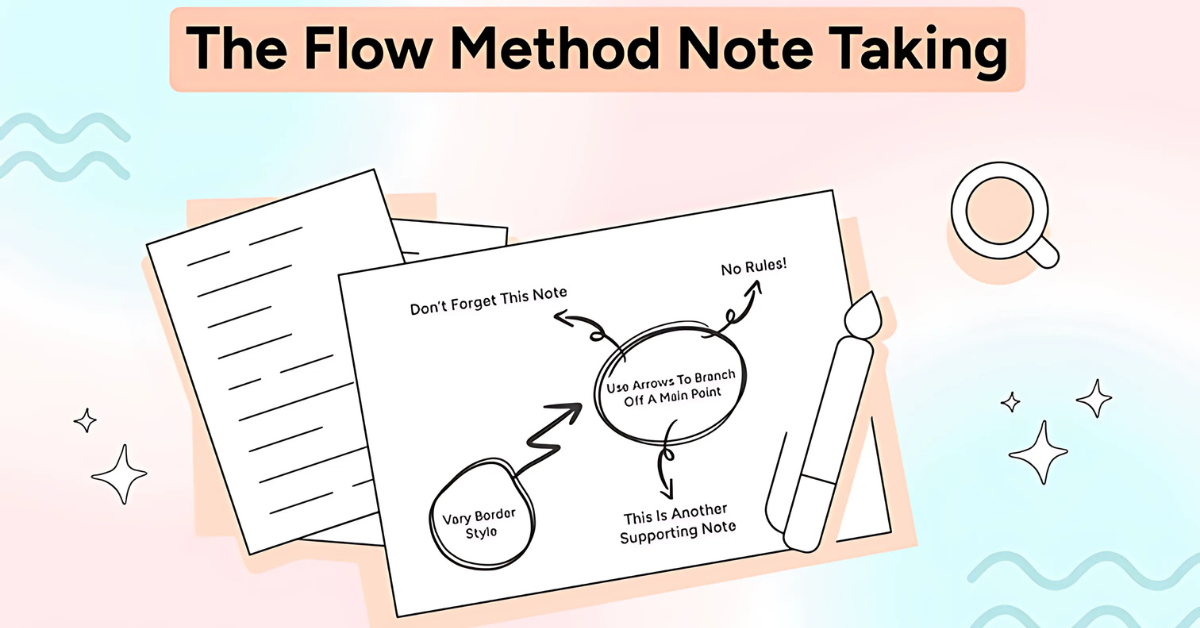
3. Flow Notes: Capture the Lecture’s Rhythm

Sometimes a lecture moves quickly and ideas connect in unexpected ways.
-
Approach: Write notes like a free-flowing conversation. Use arrows, diagrams, and abbreviations to show how one idea leads to another.
-
Result: You capture the logic of the lesson, not just the words, which strengthens comprehension.
4. Charting Method: Perfect for Comparisons
When you’re dealing with topics that require comparison—say, economic theories or historical timelines—charting is invaluable.
-
Process: Create columns and rows for each category and fill in details side by side.
-
Payoff: The information is organized for easy scanning and quick recall during exams.
5. The Sentence Method: Speed Without Losing Clarity
When speed is essential, the sentence method helps you keep up.
-
How to do it: Record each new idea as a separate sentence.
-
Why it works: You can add details later and easily convert sentences into flashcards for review.
This is a practical choice for fast-paced lectures or when taking notes from lengthy textbooks.
6. The 5 R’s of Note-Making
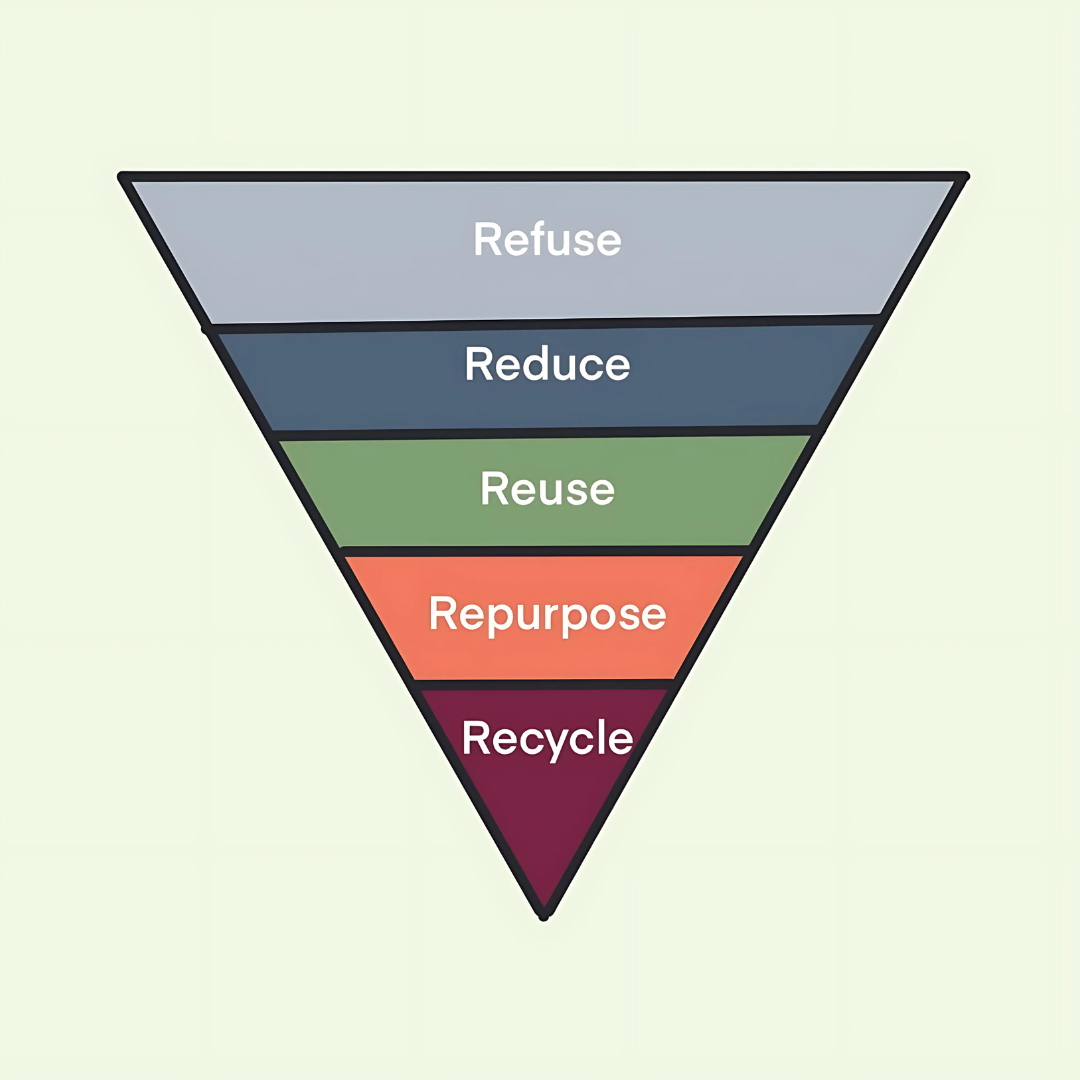
The classic 5 R’s of note making keep your notes clear and useful:
-
Record – Write key ideas and facts during lessons or while reading.
-
Reduce – Shorten those ideas into keywords or short phrases.
-
Recite – Close your notes and repeat the main points to yourself.
-
Reflect – Connect the new information to what you already know.
-
Review – Revisit your notes often so the knowledge stays fresh.
These five steps turn raw information into material you can recall quickly during exams.
7. Digital Note-Taking Tools
Technology can turn note-making into an organized, searchable archive.
-
Examples: Google Keep, Microsoft OneNote, Notion or Evernote.
-
Advantages: Easy editing, cloud storage, quick search, and the ability to insert images or links.
When using digital note-taking tools, make sure you back up files and keep folders clearly labeled.
8. Handwritten vs Digital Notes
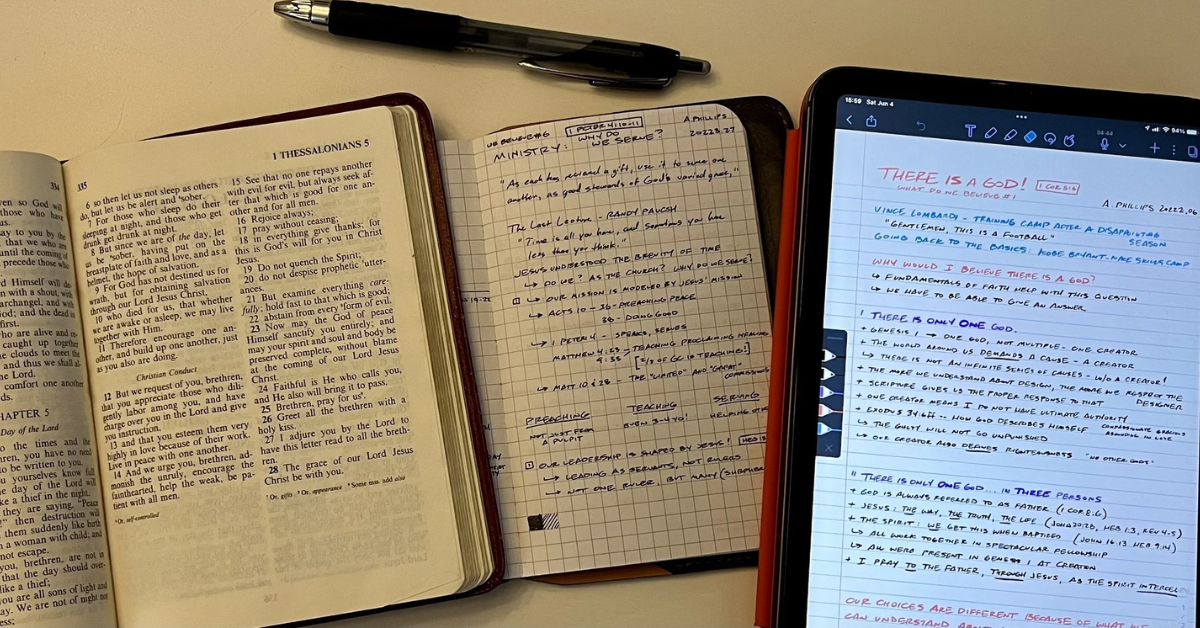
The debate of handwritten vs digital notes has no single winner. Writing by hand strengthens memory and understanding, while digital notes make it easy to store, edit, and share. Many students combine both—handwriting complex ideas and using digital note-taking tools for quick updates.
| Aspect | Handwritten Notes | Digital Notes |
|---|---|---|
| Memory & Understanding | Strengthens memory and deepens understanding through the physical act of writing. | Easier to review but may not reinforce memory as strongly as handwriting. |
| Editing & Updating | Harder to edit; changes require rewriting or adding extra pages. | Simple to edit, update, or rearrange content anytime. |
| Storage & Sharing | Requires physical space; can be lost or damaged. | Easy to store in the cloud and share instantly with others. |
| Best Use | Ideal for complex ideas and subjects that require deep thinking and reflection. | Perfect for quick updates, collaborative work, and searchable records. |
9. Organizing and Reviewing Notes
Great notes only help if they’re well-organized.
-
Use color codes or highlighters for key terms.
-
Group similar topics in separate notebooks or digital folders.
-
Create a table of contents or index for quick reference.
Learning how to organize notes is as important as taking them—this is the backbone of strong note-taking skills for students.
10. Turning Notes into a Study Strategy
Your notes should guide your exam preparation.
-
Convert summaries into flashcards.
-
Create quiz questions from your notes.
-
Match your review sessions with your Best Time table so you revisit topics regularly.
Pairing strong notes with a clear schedule ensures your study sessions are focused and efficient.
Principles of Note-Taking
Strong notes are built on simple principles:
-
Clarity: Use simple words and short sentences.
-
Organization: Group related ideas and add clear headings.
-
Focus: Capture main ideas, not every word spoken.
-
Consistency: Use the same symbols or abbreviations throughout.
-
Revision: Leave space to add details later.
These principles are the backbone of strategies for note-making and make it easier to follow any Best Time table for revision.
Effective Note-Making Methods

Not every subject or learner is the same. Try these effective note-making methods:
-
Cornell Method: Divide the page into notes, cues, and summary for quick reviews.
-
Mind Mapping: Draw diagrams to link ideas visually—great for subjects with complex concepts.
-
Flow Notes: Capture ideas in free-flow style with arrows and connections.
-
Charting Method: Use tables to compare topics.
-
Sentence Method: When speed matters, write each main idea as a short sentence.
These techniques for making study notes give you flexible ways to capture and remember information.
Strategies for Better Study Notes
Build strong habits for success:
-
Read the topic before class.
-
Use shorthand and symbols to write faster.
-
Revise and update notes soon after class.
These simple strategies for note-making turn your notes into a reliable study guide and support the importance of note-making techniques for exams.
Conclusion
Effective note-making is more than a study trick—it’s a lifelong skill. The 5 R’s of note making and the principles of note-taking give you a simple framework. From effective note-making methods to different note-taking styles, these approaches help you capture information and remember it when it counts.
Students in schools in India who master these habits not only perform better in exams but also build a strong foundation for future learning. Whether you prefer handwritten vs digital notes, follow strategies for note-making, or explore new techniques for making study notes, the key is consistency. Organize your notes well, follow a clear routine, and you will see how powerful good note-making can be in shaping academic success.
Frequently Asked Questions (FAQs)
1. What are the 5 R’s of note making?
They stand for Record, Reduce, Recite, Reflect, and Review—a simple process to create and revise clear, memorable notes.
2. Why is note-making important for students?
It turns lessons into organized study material, making revision faster and boosting memory for exams.
3. Which note-taking style works best?
It depends on your learning style—mind maps suit visual learners, while the Cornell method is great for quick reviews.
4. Are digital notes better than handwritten notes?
Both help in different ways: handwritten notes improve memory, while digital note-taking tools make storing and searching information easier.
5. How can I keep my notes well organized?
Use clear headings, color codes, or digital folders and revise them regularly as part of your Best Time table for study.




I love how the blog emphasizes the importance of engaging with your notes rather than just writing them down. Personally, I’ve found that experimenting with different methods—like mind maps or color coding—really helps me retain information better when I’m studying.