





School is where children learn, grow, and build lasting memories—but safety is what makes all that possible. Today, many Schools in India place strong emphasis on safety rules at school to protect students from accidents, bullying, and everyday risks. In this blog, we’ll share six simple yet essential safety rules every child should follow to feel safe and confident at school.
1. Walk, Don’t Run—Especially in Corridors
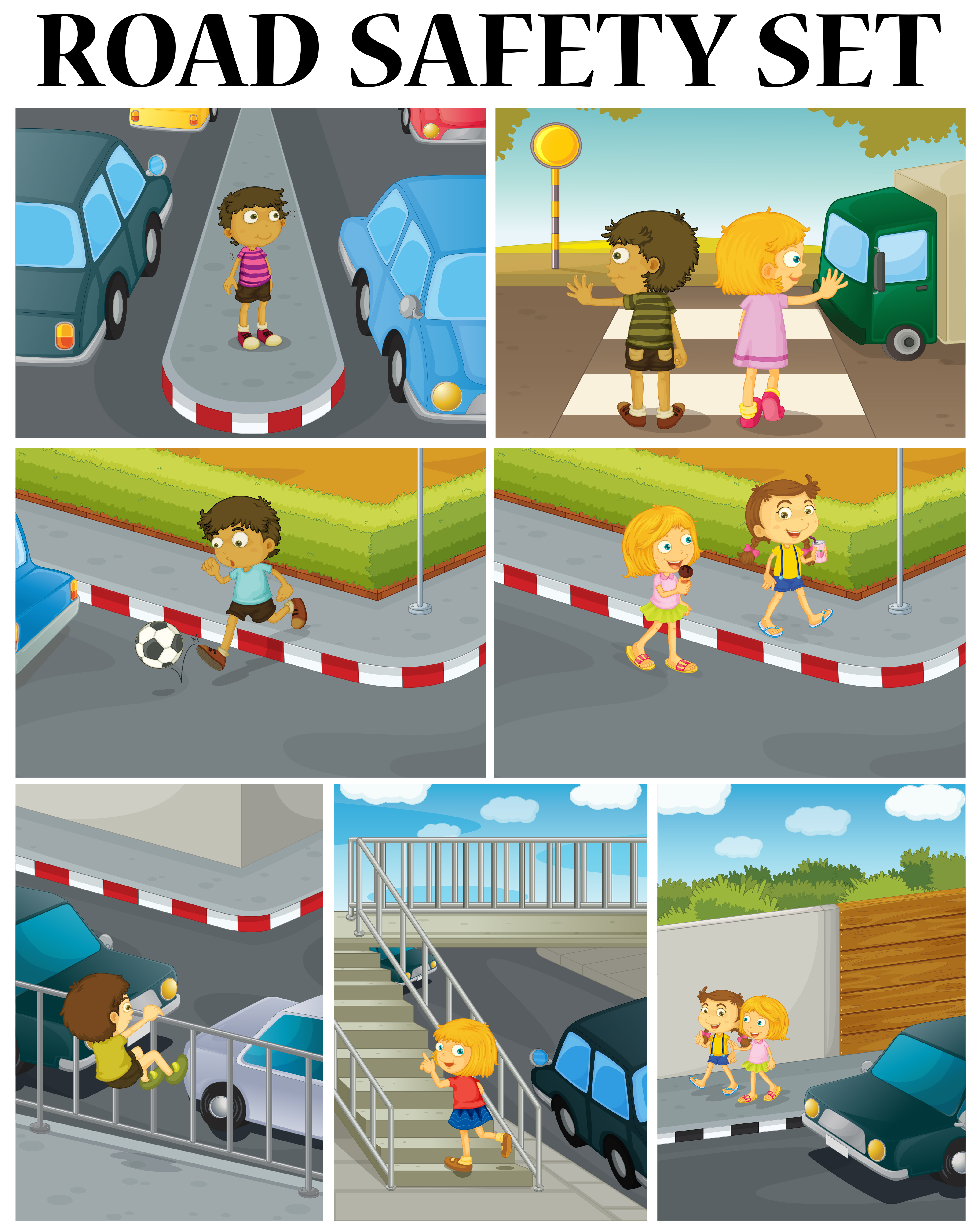
Busy school corridors and staircases are common places where accidents happen. Children often run during class changes, recess, or in excitement to meet friends. But a simple rule—walk, don’t run—can prevent many slips and collisions.
Why is this rule important?
-
Prevents falls, bruises, and injuries.
-
Keeps corridors organized and calm.
-
Teaches students discipline in shared spaces.
Real Example:
Many modern Schools in India have placed colorful floor stickers and “Walk Safe” reminders near staircases to instill this habit early.
2. Follow the Instructions of Teachers and Staff
Teachers, guards, and helpers are trained to ensure the safety of every child. Ignoring their instructions during normal school days or emergency drills can create chaos and risk.
How this ensures safety:
-
Helps children respond quickly in emergencies like fire or earthquake.
-
Reduces confusion during evacuation.
-
Instills respect for authority in safety-related situations.
Tip for Parents:
Discuss school safety instructions at home and remind children why following them matters.
3. Respect Boundaries – Keep Hands to Yourself
Rough play, pushing, or even playful shoving can cause serious accidents and emotional harm. Respecting personal boundaries is a key part of school safety.
Connection to Bullying Prevention:
-
Reduces incidents of unwanted touching or physical fights.
-
Promotes kindness and empathy.
-
Supports bullying-prevention initiatives already active in many schools.
Real-life Impact:
Campaigns like “Be a Buddy, Not a Bully” have reduced Bullying in Schools by up to 30% in districts where they were implemented.
4. Know Your Emergency Routes and Safety Protocols
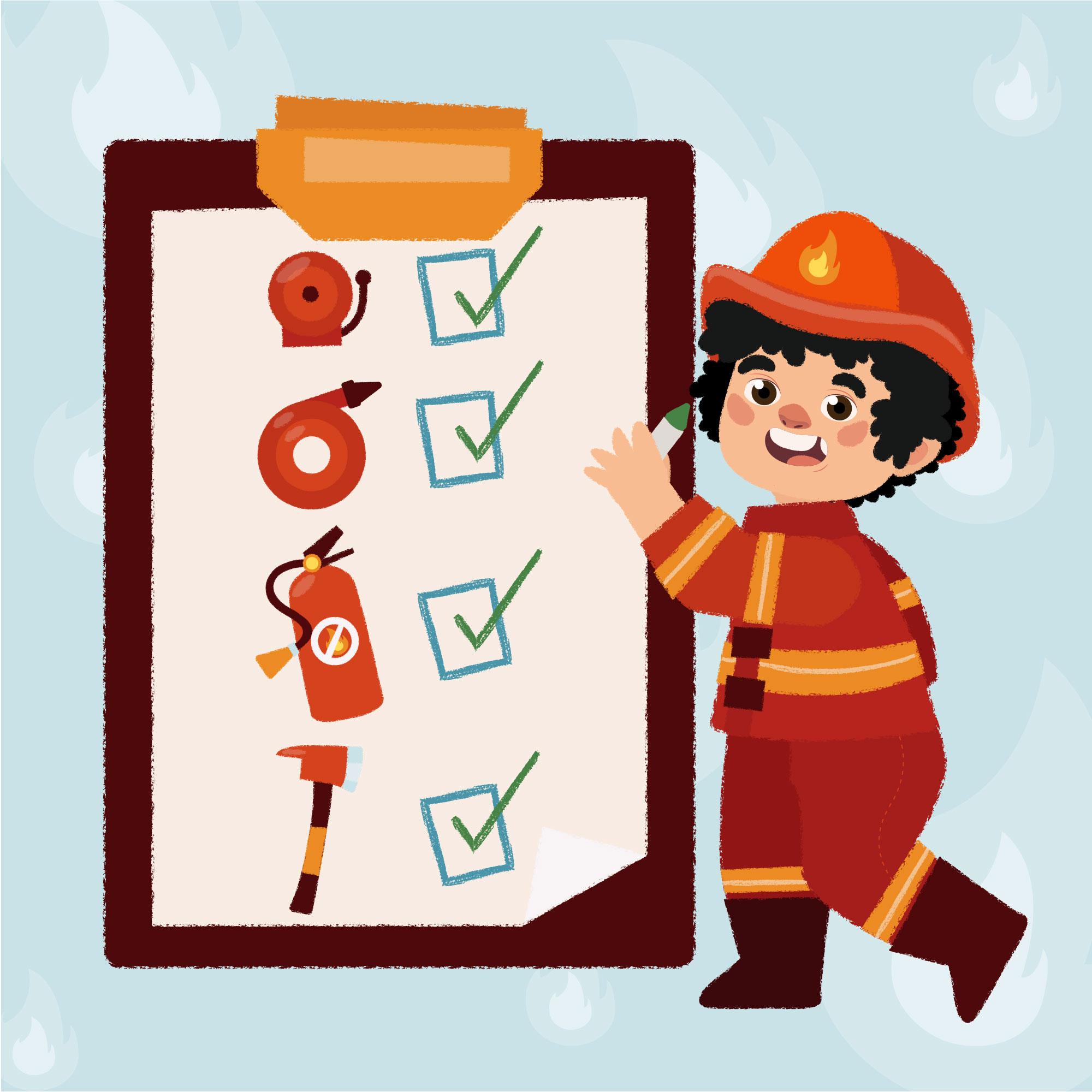
Every school has a plan for emergencies—fire, earthquake, or lockdowns. But plans only work if children remember and practice them.
Steps students should take:
-
Learn the nearest exit route from each classroom.
-
Participate seriously in drills—don’t laugh or distract others.
-
Stay calm and move together during evacuations.
5. Speak Up Against Bullying
Bullying is not just about name-calling—it can harm confidence, affect studies, and lead to emotional scars. Children must learn that staying silent is not the answer.
How to act against bullying:
-
Report it immediately to a teacher, counselor, or trusted adult.
-
Stand up for friends who may be victims.
-
Avoid responding with aggression—seek help instead.
School Role:
Today, many Schools in India have complaint boxes and anonymous reporting tools to support students.
6. Practice Hygiene and Stay Health-Safe
Safety is more than physical—it includes staying healthy in a shared environment.
Good habits to follow:
-
Wash hands before eating and after the restroom.
-
Avoid sharing food, water bottles, or combs.
-
Inform teachers if you feel unwell.
Why Do Safety Rules at School Matter?
-
Create a safe learning environment:
-
Safety rules reduce the risk of accidents in classrooms, corridors, and playgrounds.
-
Students can focus on studies and activities without unnecessary fear or distractions.
-
-
Support discipline and order:
-
Rules guide students on how to behave in different situations.
-
They help maintain a smooth flow of daily school operations.
-
-
Prevent bullying in schools:
-
Clear safety policies discourage bullying and harassment.
-
Students learn how to report incidents and stand against negative behavior.
-
-
Prepare for emergencies:
-
Safety drills and emergency protocols teach children how to react during crises (e.g., fire, earthquakes, or health emergencies).
-
Students develop confidence to handle unexpected situations.
-
-
Promote responsible behavior:
-
Children learn to respect school property and each other’s safety.
-
Encourages habits like careful movement in hallways and safe use of facilities.
-
Conclusion
Safety is the foundation for happy learning. These important safety rules at school create an environment where children can explore, play, and grow without fear. Whether it’s walking calmly in corridors, following staff instructions, reporting bullying, or maintaining hygiene, these habits protect every child. Schools in India are actively embracing stronger safety policies and bullying-prevention measures to make sure students feel secure every day.
Frequently Asked Questions (FAQs)
1. Why is walking in corridors a rule in most schools?
Because it prevents falls and accidents during busy hours when students move between classes.
2. How does listening to teachers make schools safer?
Teachers guide students during emergencies and crowded times, ensuring safety for everyone.
3. What is the role of students in bullying prevention?
Students can help by reporting bullying, supporting peers, and refusing to be bystanders.
4. Do all Schools in India have safety drills?
Most CBSE and ICSE schools conduct fire and emergency drills at least once a term.
5. Can parents contribute to school safety?
Yes! By teaching safe habits at home and communicating regularly with teachers.