



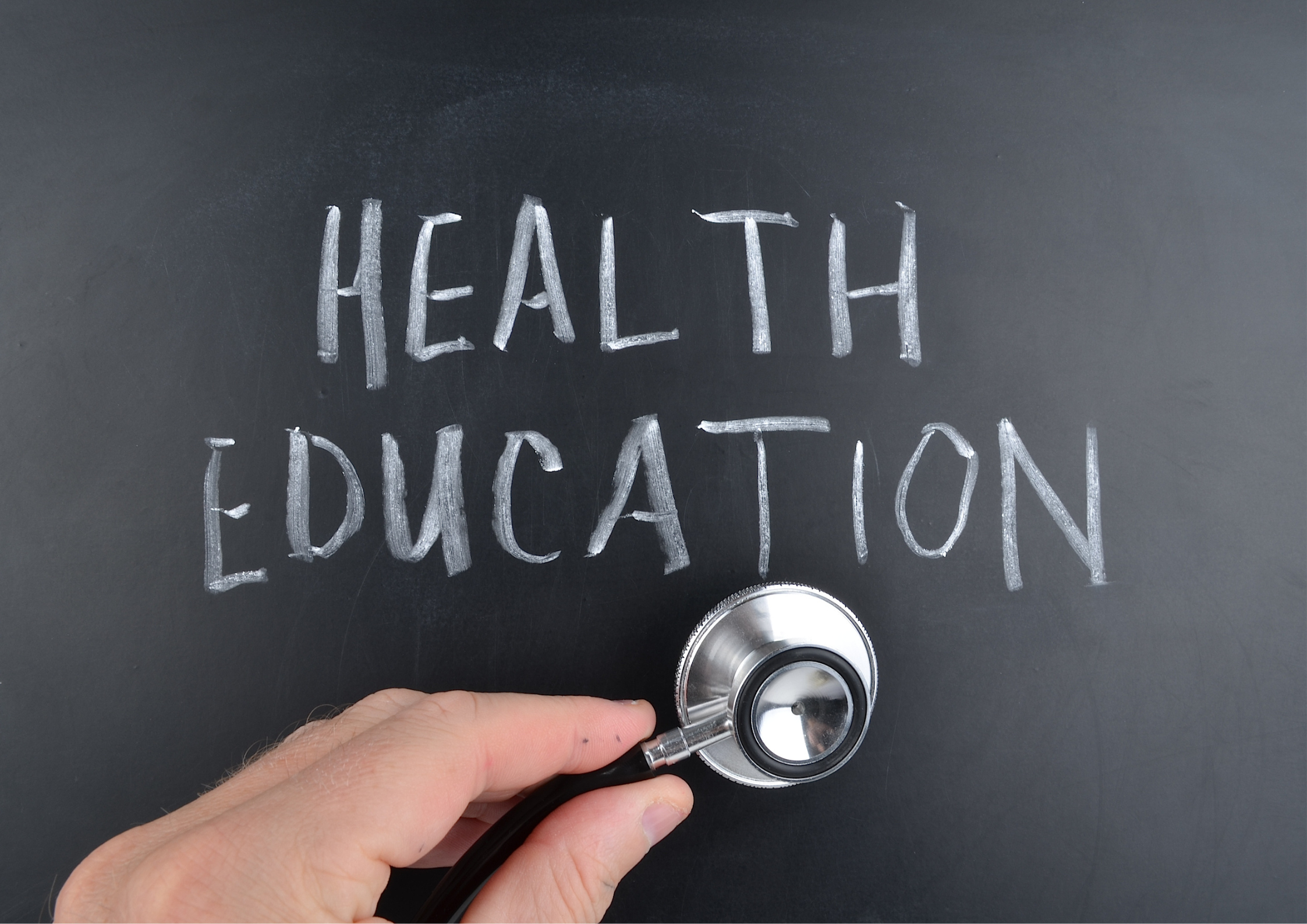
Health education is a structured process of sharing information and developing skills that help people improve their physical, mental, and social well-being. It is not just about learning medical facts; it is about changing attitudes and behaviors.
It teaches how to prevent illness, how to adopt a healthy lifestyle, and how to create an environment where good health is a natural outcome. Whether delivered in workplaces, healthcare centers, or in every school in India, health education reaches learners of all ages and backgrounds.
What Is Health Education?
Health education is the process of sharing information and building skills that help people improve their physical, mental, and social well-being. It goes beyond memorizing medical facts. Instead, it focuses on changing attitudes and behaviors so that people can maintain good health throughout life.
Whether in a workplace seminar, a school in india, a university lecture hall, or a community health camp, health education promotes habits that prevent disease and support overall wellness. It gives people the tools to take charge of their own health, from childhood through adulthood.
The Key Roles of Health Education in Today’s World
1. Promoting Preventive Healthcare
“Prevention is better than cure” may sound old-fashioned, but it is more relevant than ever. Health education helps people understand the value of:
-
Regular exercise and balanced nutrition
-
Vaccinations and regular medical check-ups
-
Hygiene and safe practices to prevent infections
When individuals know how to prevent diseases such as diabetes, heart disease, or respiratory infections, they reduce the burden on hospitals and healthcare systems.
2. Combating Misinformation
In the digital era, false health claims spread quickly through social media and unverified sources. Health education teaches critical thinking and helps people separate scientific evidence from myths.
Whether it’s understanding vaccine safety or debunking fad diets, informed citizens are better equipped to protect themselves and others from dangerous misinformation.
3. Supporting Mental Health and Emotional Well-Being
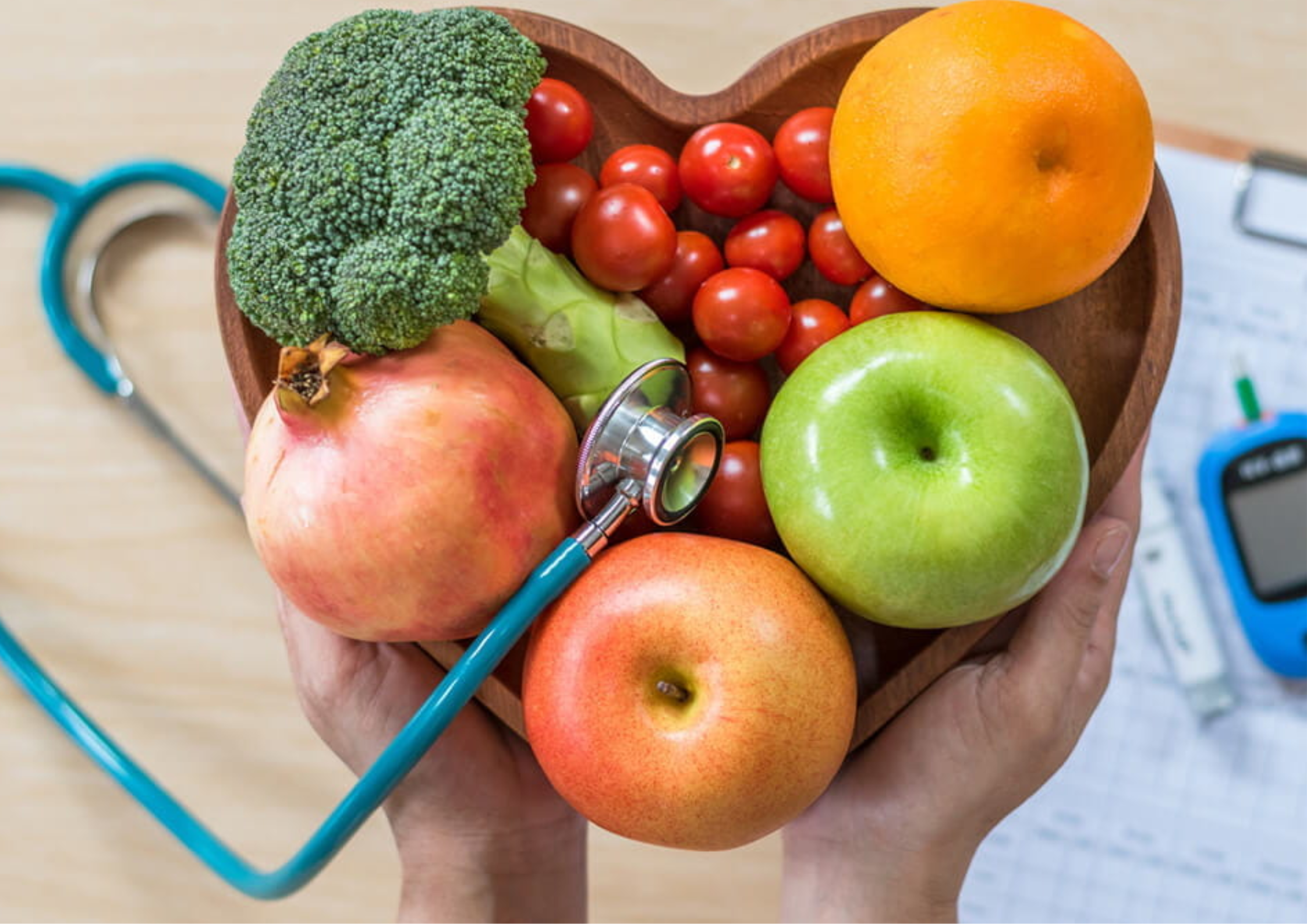
Modern life can be stressful. Health education now goes beyond physical wellness to include mental health awareness. Schools and community programs provide guidance on:
-
Recognizing signs of stress, anxiety, and depression
-
Building resilience and coping strategies
-
Knowing when and how to seek professional help
When people are educated about mental health, stigma decreases and support networks grow stronger.
4. Encouraging Healthy Lifestyle Habits
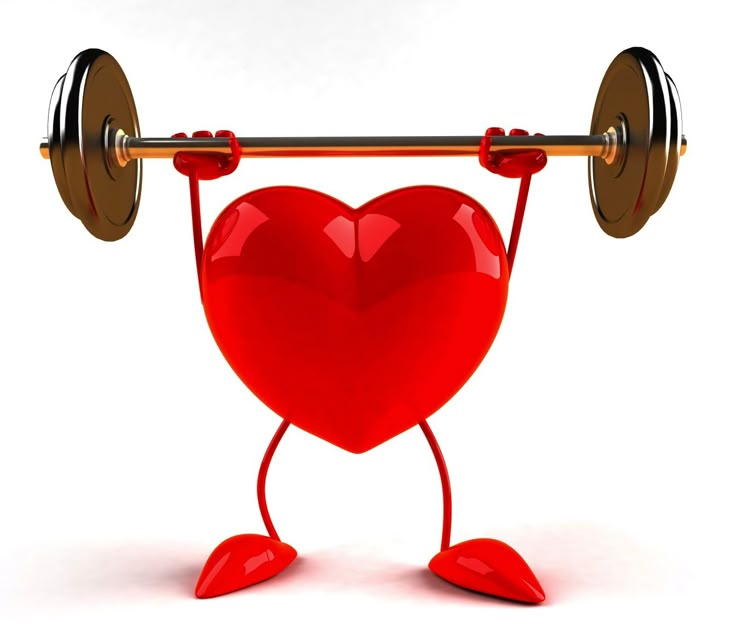
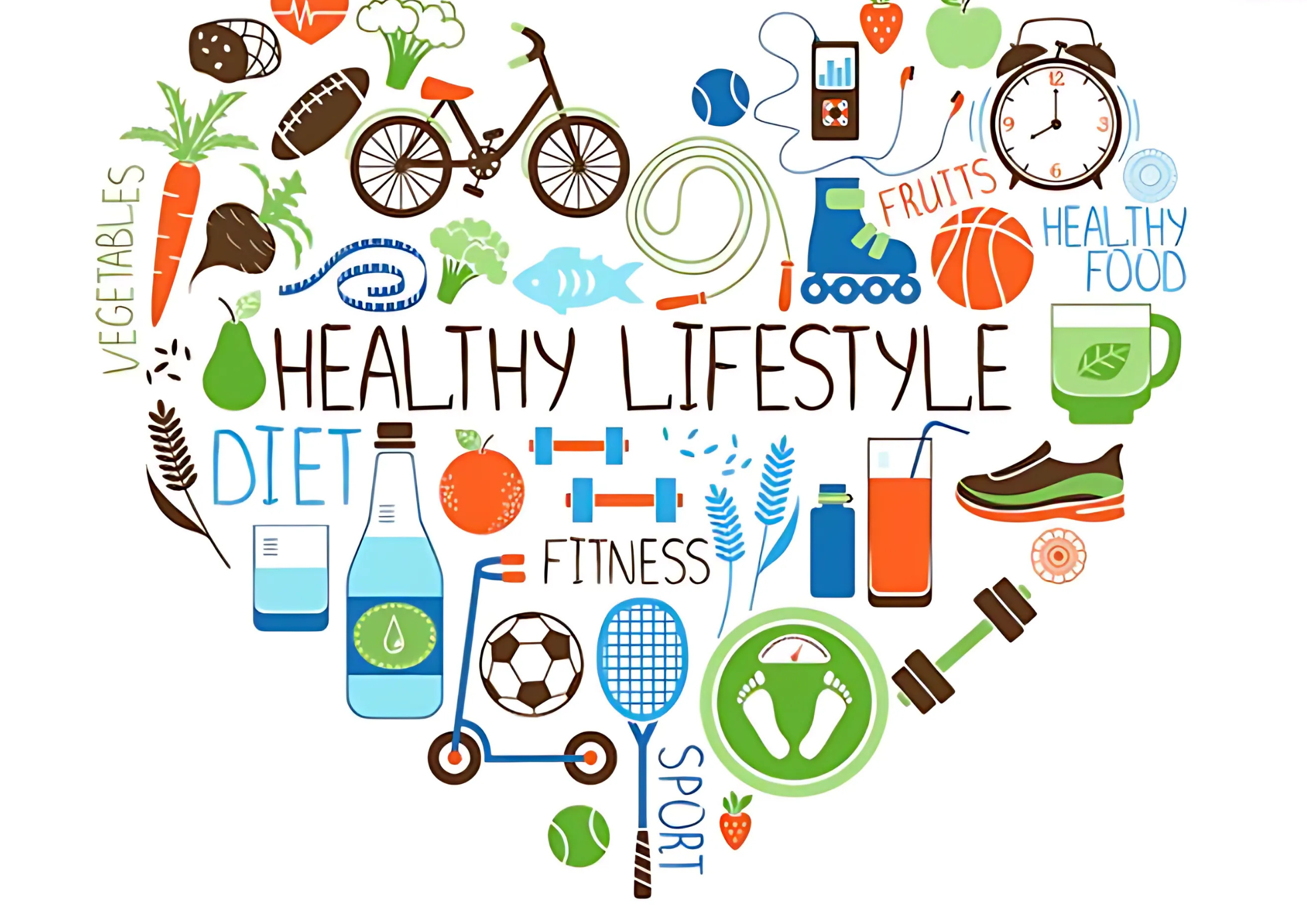
From balanced diets to regular exercise and adequate sleep, health education motivates people to adopt habits that protect long-term health.
Programs in schools and workplaces teach how daily choices—like reducing screen time or practicing Healthy Eating Habits—impact overall well-being. Over time, these small habits prevent lifestyle diseases and improve quality of life.
5. Strengthening Community Health
Health education is not just for individuals; it strengthens entire communities. Public health campaigns about clean drinking water, sanitation, and vector control reduce the spread of diseases like dengue or malaria.
When communities are informed and proactive, they create safer environments for everyone, especially vulnerable groups like children and the elderly.
6. Reducing Healthcare Costs
Preventive care is far less expensive than treatment. Educating people about health risks and early detection reduces the need for costly interventions. Governments and healthcare systems benefit when citizens are proactive about their health.
7. Empowering Youth and Schools
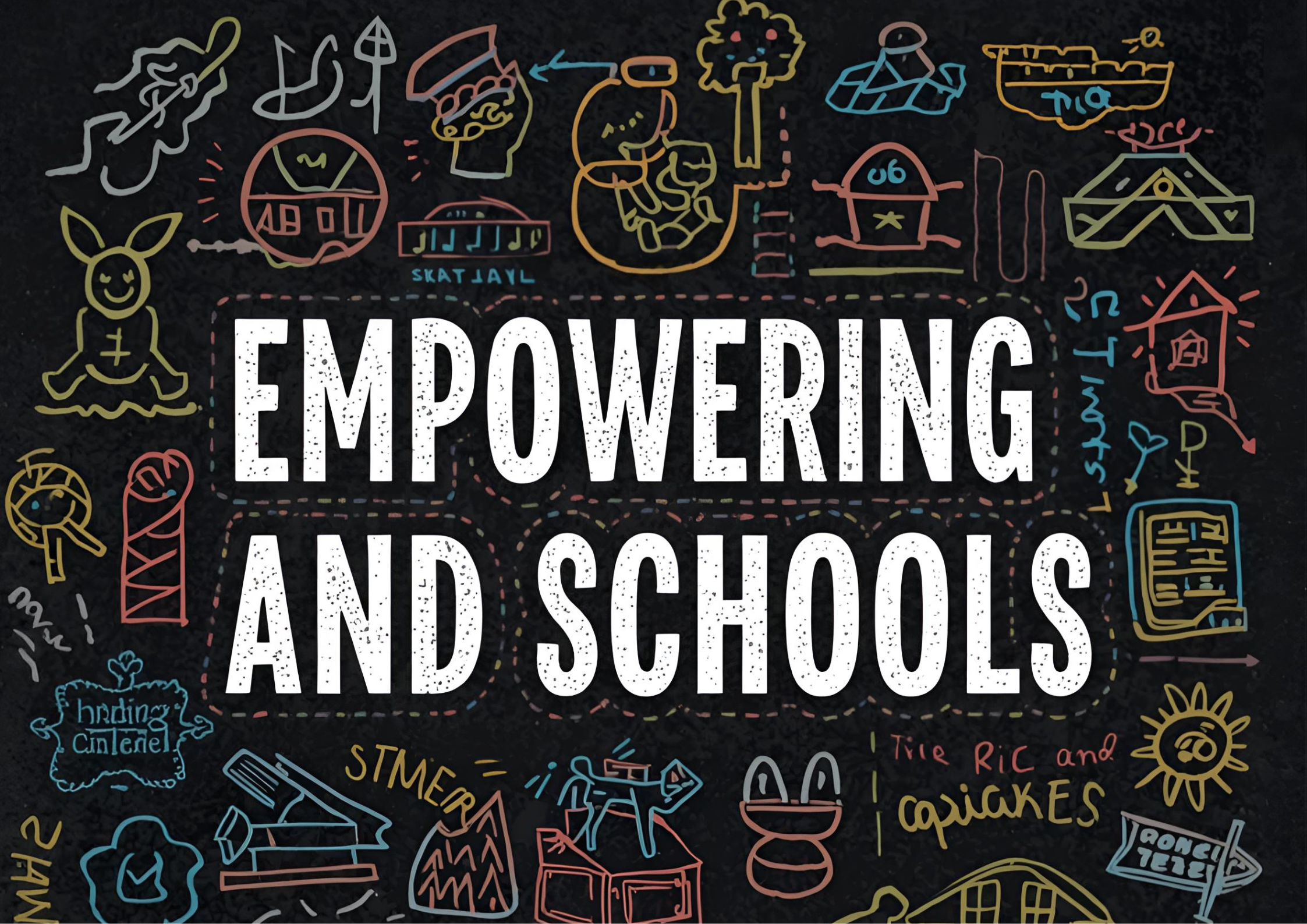
Schools are powerful platforms for health education. Teaching children about nutrition, physical activity, and emotional well-being builds lifelong habits.
Young people who learn about reproductive health, substance abuse prevention, and positive Health Habits for Student make responsible decisions and become advocates for healthy living in their families and communities.
8. Preparing for Global Health Challenges
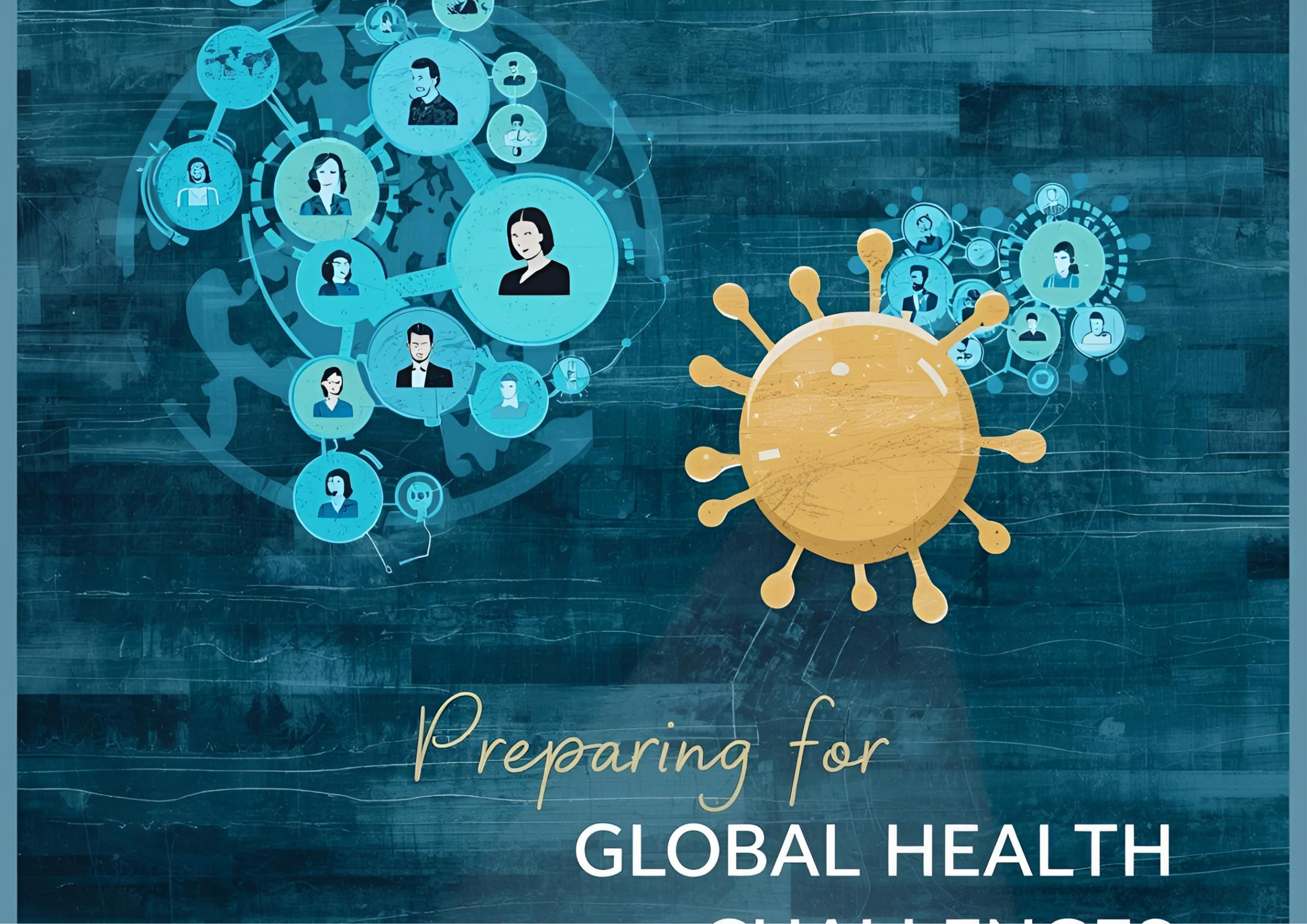
The COVID-19 pandemic showed how crucial health literacy is. Understanding how viruses spread, why masks work, and the importance of vaccines became matters of life and death.
Health education equips societies to respond effectively to future pandemics, natural disasters, and emerging health threats.
Key Points Highlighting the Importance of Health Education
-
Prevention of Diseases: Teaches people how to avoid illnesses through hygiene, vaccinations, regular exercise, and healthy eating habits.
-
Improved Student Wellness: Helps every school in India guide children toward lifelong health habits for students, like balanced nutrition and proper sleep.
-
Mental Health Awareness: Reduces stigma and provides strategies to manage stress, anxiety, and emotional well-being.
-
Community Strength: Builds collective awareness to fight misinformation and control the spread of infectious diseases.
-
Lower Healthcare Costs: Encourages preventive care and early detection, reducing the need for expensive treatments.
Modern Approaches to Health Education
Technology and Digital Learning
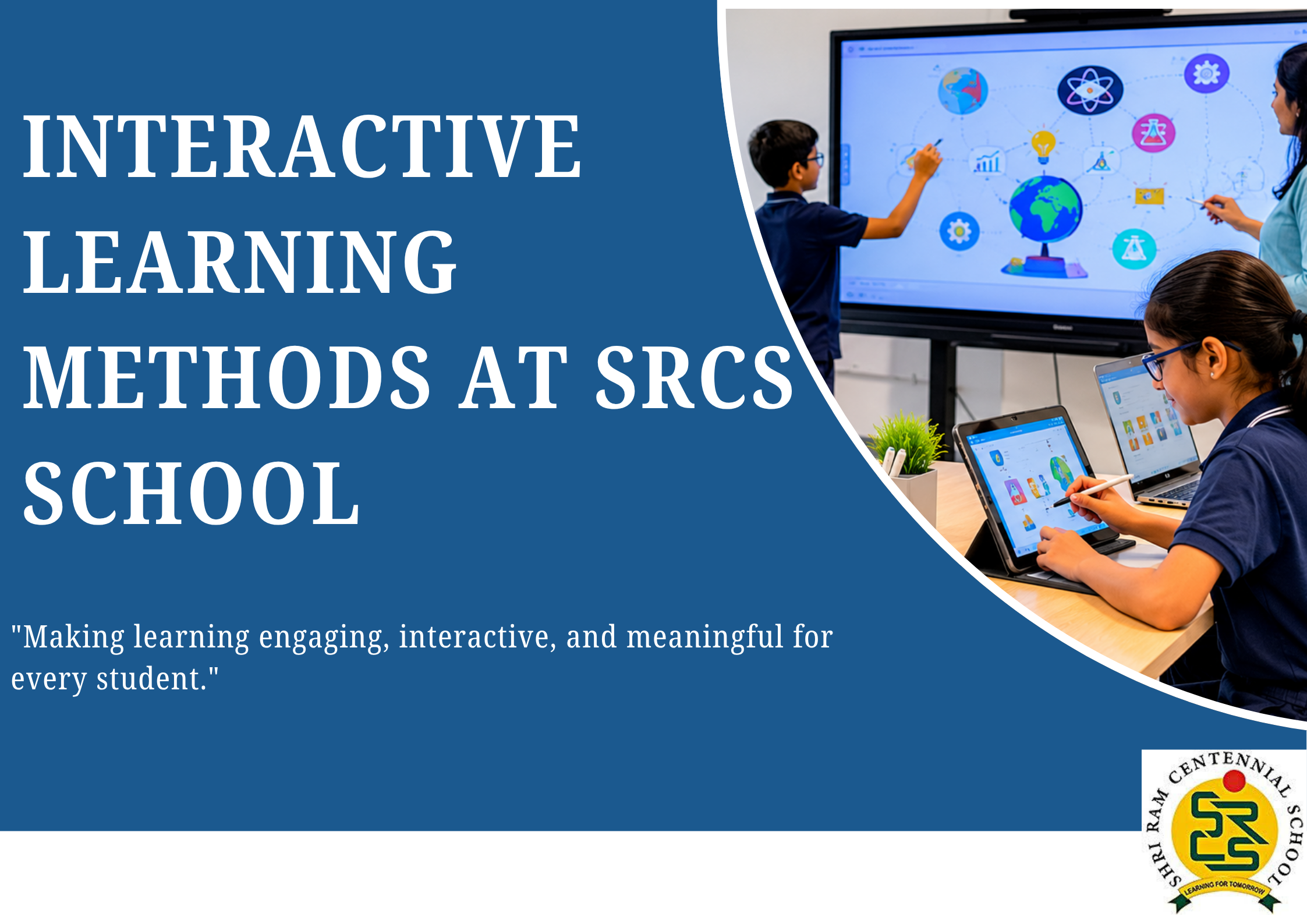
Apps, online courses, and telehealth platforms have made health education accessible anywhere. Gamified modules and interactive quizzes keep learners engaged and make complex concepts easier to understand.
Community-Based Programs
Workshops, health camps, and outreach initiatives ensure that information reaches rural and underserved populations. These programs often partner with local leaders to build trust and encourage participation.
Workplace Wellness Initiatives
Employers are investing in health education by offering programs on stress management, ergonomics, and healthy eating. A healthy workforce is more productive and happier.
Role of Parents, Teachers, and Healthcare Providers
-
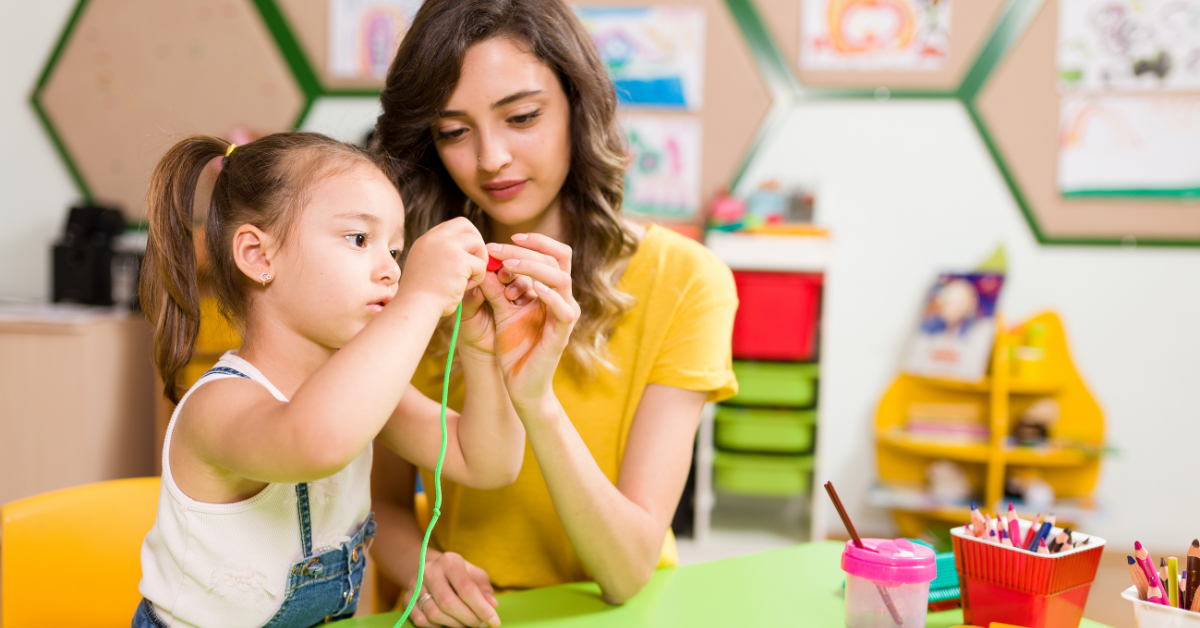
Parents: The first educators in a child’s life, they set examples for hygiene, nutrition, and emotional health.
-
Teachers: Integrate health topics into lessons and create an environment where students feel safe discussing health concerns.
-
Healthcare Providers: Share accurate, evidence-based information and guide individuals to reliable resources.
When these three groups work together, health education becomes a lifelong journey rather than a one-time lesson.
The Broader Impact of Health Education
Health education not only improves individual lives but also drives societal progress. A population that understands health is better prepared to work productively, reduce the spread of communicable diseases, and support economic growth.
Moreover, educated communities are more likely to advocate for policies that improve public health—clean water, pollution control, and access to healthcare—benefiting everyone.
Challenges and the Way Forward
While health education is essential, it faces barriers:
-
Limited Resources: Rural areas often lack trained educators and materials.
-
Cultural Taboos: Topics like reproductive health or mental illness may be difficult to discuss.
-
Digital Divide: Not everyone has access to technology-based resources.
Overcoming these challenges requires collaboration between governments, schools, NGOs, and communities. Investments in training, culturally sensitive communication, and affordable technology are key to making health education universal.
Practical Tips to Promote Health Education
-
Encourage interactive learning: Use discussions, role-play, and real-life examples.
-
Support public health campaigns: Participate in community awareness drives.
-
Leverage social media responsibly: Share verified health information and combat misinformation.
-
Integrate health literacy in every school in India: Teach students from an early age how to make informed health decisions and follow simple habits that promote lifelong wellness.
Conclusion
The role of health education in today’s world cannot be overstated. It empowers individuals to make informed choices, prevents disease, strengthens communities, and reduces healthcare costs. From schools and workplaces to homes and digital platforms, health education shapes a healthier, more resilient society.
As global health challenges continue to evolve, health education will remain our strongest tool—turning knowledge into action and ensuring that everyone has the opportunity to live a healthier, more fulfilling life.
Frequently Asked Questions (FAQs)
Q1. What is health education?
Health education is the process of sharing knowledge and skills to help people make informed decisions about their physical, mental, and social well-being.
Q2. Why is health education important today?
It helps prevent disease, promotes Healthy Eating Habits, combats misinformation, and prepares societies to handle global health challenges.
Q3. Who plays the biggest role in health education?
Parents, teachers, healthcare providers, and community leaders all share responsibility for promoting Health Habits for Student and for adults as well.
Q4. How does health education save costs?
By encouraging preventive care and early detection, it reduces the need for expensive medical treatments.
Q5. Can technology improve health education?
Yes. Digital tools like mobile apps, online courses, and telehealth platforms make health information more accessible and engaging.