


Understanding Pre-Primary Teacher Training

Pre-primary teacher training focuses on preparing teachers to work with children aged 2 to 6 years. These programs offer a structured understanding of early childhood development—how children think, learn, explore, talk, express emotions, and respond to the world around them.
Unlike general teacher training, pre-primary programs emphasis:
-
Practical classroom management
-
Activity-based learning
-
Child psychology
-
Play-oriented teaching
-
Language and numeracy readiness
-
Emotional and social development
This combination helps teachers confidently create a safe, nurturing, and stimulating learning atmosphere.
Key Objectives of Pre-Primary Teacher Training

The training is designed to build teachers who can support holistic child development. Some of the core objectives include:
1. Understanding Child Development Stages
Young children learn differently from older students. Training helps teachers understand physical, cognitive, emotional, and social development milestones, making it easier to identify what children need at each age.
2. Learning Child-Centric Teaching Methods
Pre-primary teaching moves away from lecturing. Instead, it uses hands-on activities, visual aids, storytelling, songs, role-play, and guided exploration. The objective is to help teachers design classrooms where children learn by doing.
3. Building Communication and Observation Skills
Effective communication with children requires patience, warmth, and clarity. Teachers are trained to use simple language, open-ended questions, and active listening. Observation skills also help teachers understand behaviour patterns, strengths, and learning styles.
4. Creating Safe and Inclusive Classrooms
Children thrive in spaces where they feel accepted. Training helps teachers learn how to manage behaviour gently, resolve conflicts between children, and create an atmosphere of belonging.
5. Encouraging Creativity and Curiosity
Activities such as art, music, movement, storytelling, and even Summer Camp Activities style engagement teach children to explore and experiment. Teachers learn to design activities that spark imagination while strengthening early learning skills.
Benefits of Pre-Primary Teacher Training

Pre-primary teaching is more than handling small children—it requires skill, planning, and an understanding of childhood behaviour. The benefits of good teacher training extend to teachers, students, and schools.
1. Better Classroom Management
Teachers who receive structured training can maintain discipline without being harsh. They learn techniques like redirection, positive reinforcement, and routine-building to keep children engaged.
2. Stronger Emotional Bonding with Children
Trained teachers connect deeply with children. They understand how to respond to separation anxiety, tantrums, or shyness with empathy. Such emotional security helps children feel safe and confident in the classroom.
3. Improved Learning Outcomes
When teachers apply development-based teaching methods, children show better progress in:
-
Early literacy
-
Number sense
-
Vocabulary
-
Fine motor skills
-
Social and behavioural skills
These outcomes form the base for strong academic performance in higher classes.
4. Increased Teacher Confidence and Career Growth
Training builds professional confidence. Teachers feel prepared to handle diverse learners, interact with parents, and introduce fun, meaningful activities. It also opens doors to higher roles such as curriculum planner, coordinator, counsellor, or academic mentor.
5. Enhanced School Reputation
Schools that invest in trained pre-primary teachers gain trust from parents. A strong early years program becomes a major strength, improving admissions, parent satisfaction, and long-term academic performance.
Challenges in Pre-Primary Teaching and How Training Helps
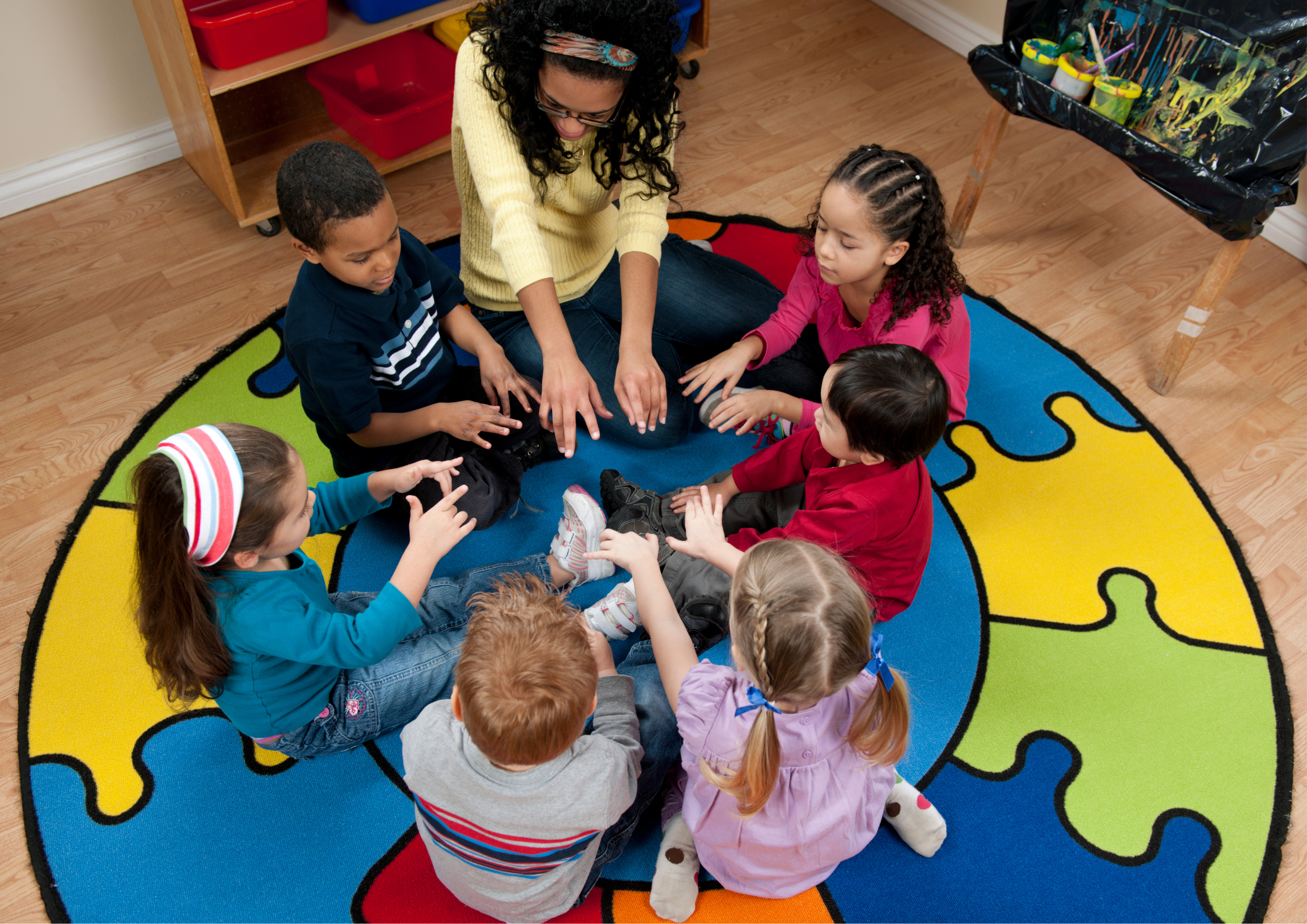
Even with passion and patience, pre-primary teachers face real challenges. Proper training offers practical solutions.
1. Managing Diverse Learning Speeds
Children learn differently—some pick up concepts quickly, while others need more time. Training teaches lesson planning for mixed-ability groups, ensuring every child progresses confidently.
2. Handling Behavioural Issues
Tantrums, restlessness, crying, or miscommunication are common in early years. Teachers are trained to respond calmly, identify triggers, and create predictable routines that minimise disruptions.
3. Building Parent-Teacher Partnerships
Parents often worry about their child’s progress. Training prepares teachers to communicate effectively, share observations, and offer guidance without creating fear or pressure.
4. Maintaining Energy and Patience
Working with young children demands enthusiasm, creativity, and consistency. Training provides strategies for time management, stress handling, and balancing teacher workload.
5. Designing Activity-Based Lessons
Planning daily activities can be overwhelming for untrained teachers. Training offers templates, best practices, and age-appropriate curriculum ideas to make planning effortless and enjoyable.
Key Outcomes of Pre-Primary Teacher Training

When teachers are professionally trained, the outcomes benefit everyone—students, teachers, and institutions. Some major outcomes include:
1. Holistic Child Development
Trained teachers support intellectual, emotional, physical, and social growth in balanced ways. Children develop curiosity, confidence, communication skills, teamwork, and independence.
2. Readiness for Primary School
Children taught by trained teachers show stronger readiness for formal schooling. They develop foundational skills in reading, writing, number sense, and classroom discipline.
3. Improved Teaching Quality
Teachers become more creative, organised, and empathetic. They apply structured methods and maintain consistent classroom routines.
4. Professional Recognition for Teachers
Training enhances teacher credibility. Schools prefer hiring trained educators because they bring stability, skill, and long-term value.
5. Stronger Educational Ecosystem
Better-trained teachers create better classrooms, which lead to better-performing schools. Over time, this supports stronger, more progressive early education systems.
Conclusion
Pre-primary teacher training is not merely a certification—it is a powerful step toward shaping the future of young learners. Children at this stage absorb knowledge rapidly, and the quality of their first learning experiences determines how they approach education for years to come. When teachers receive proper training, they create classrooms that are safe, joyful, engaging, and development-focused.
For parents, this means confidence that their child is in capable hands. For schools, it means higher trust and better learning outcomes. And for teachers, it opens up limitless opportunities to grow, evolve, and make a meaningful impact.
In a rapidly changing educational landscape, investing in trained pre-primary teachers is one of the most valuable steps any school or educator can take.
FAQ: Pre-Primary Teacher Training
1. What is pre-primary teacher training?
It is a training program that prepares teachers to work with children aged 2–6 using activity-based, child-friendly teaching methods.
2. Why is pre-primary teacher training important?
It helps teachers understand child psychology, behavior, learning patterns, and classroom management so they can support early development effectively.
3. Who can enroll in pre-primary teacher training courses?
Anyone who has completed basic schooling and is interested in teaching young children can join, including aspiring educators and parents.
4. What skills does a pre-primary teacher need?
Patience, creativity, communication skills, observation skills, and the ability to design playful, engaging learning experiences.
5. Does training help in managing classroom behaviour?
Yes. Training provides strategies like positive reinforcement, routine-building, and gentle discipline that help maintain a calm classroom.