





Understanding society begins with understanding people — their behaviour, interactions, and the systems they create. This is where sociology becomes a powerful subject. Whether you are a student preparing for exams, a parent guiding your child, or an educator planning lessons, sociology offers a deeper lens to make sense of the world around us.
This blog offers a balanced and symmetrical explanation of sociology, covering its meaning, scope, nature, and the five major importance that every learner should know. By the end, you will have a clear, practical understanding of why sociology is considered one of the most relevant subjects today.
What Is Sociology?
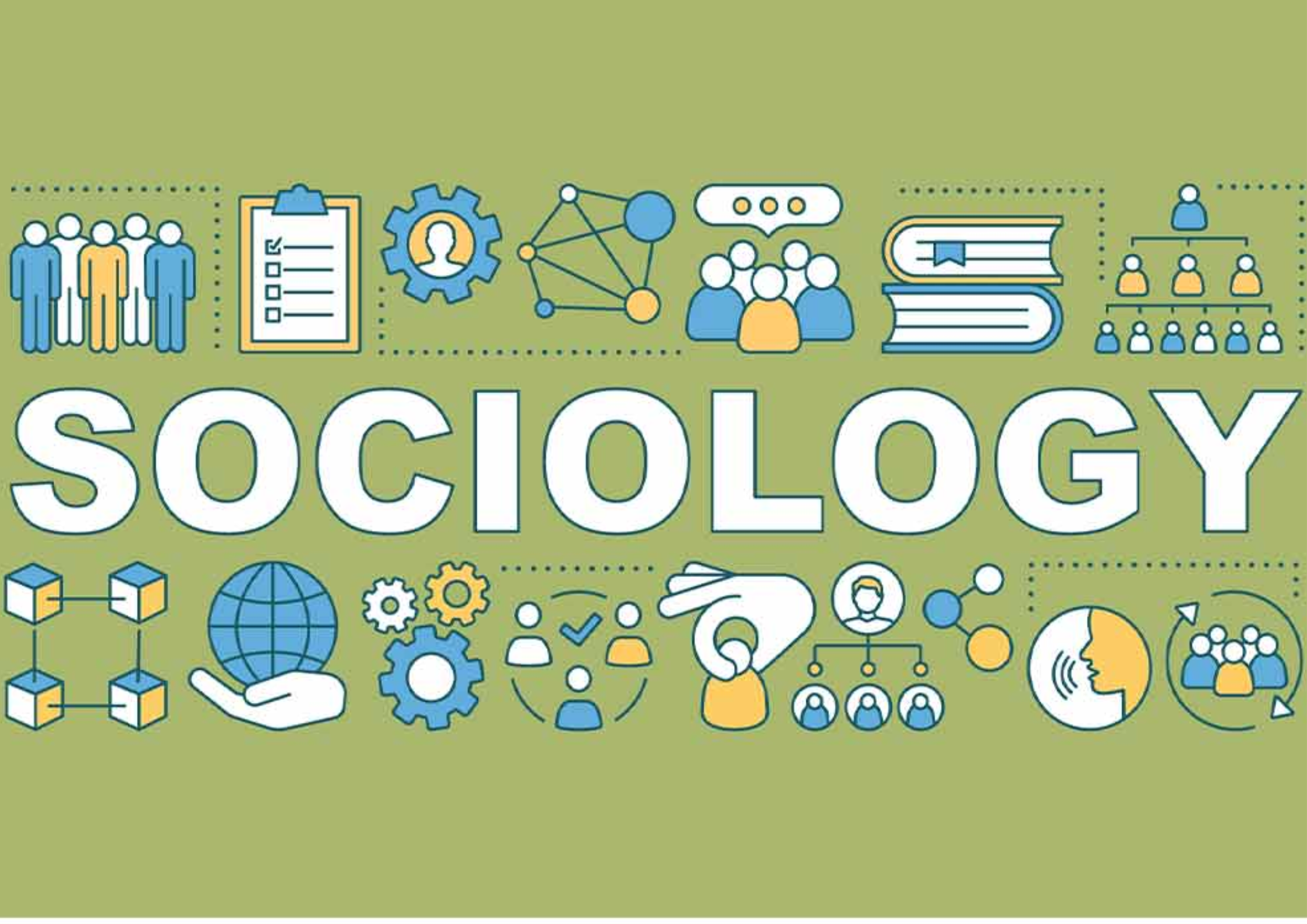
Sociology is the systematic study of human society, social groups, cultures, and interactions. It helps us understand why people behave the way they do, how societies develop, and how social structures like family, education, religion, and government shape our lives.
Unlike other social sciences that study isolated aspects of society, sociology takes a holistic approach, examining the connections between individuals and the larger social world. From everyday habits to major global changes, sociology explains patterns, behaviours, and social realities with clarity.
Nature of Sociology — What Makes It a Unique Discipline?

The nature of sociology is defined by three essential qualities that make it different from other fields:
1. Sociology Is a Social Science
It uses scientific methods — observation, surveys, comparisons — to understand human behaviour. This scientific approach brings reliability and logical reasoning.
2. Sociology Is General, Not Specific
It studies society as a whole, not just one aspect. Its goal is to identify common patterns in human behaviour across groups and communities.
3. Sociology Is Objective and Neutral
Sociologists do not judge or take sides. They analyse social issues from a neutral perspective to provide fair and balanced conclusions.
Together, these characteristics make sociology a disciplined and credible field of study that helps students think logically and critically.
Scope of Sociology — What Does It Cover?
The scope of sociology is wide, covering multiple areas that reflect how society functions. Some of the major topics include:
1. Social Institutions
Family, marriage, religion, politics, education, and economy — sociology studies how these institutions influence individuals and communities.
2. Social Processes
Interaction, cooperation, conflict, competition, and social control are essential processes that shape daily life.
3. Social Change and Development
Sociology explains how societies transform over time through technology, modernisation, and cultural shifts.
4. Social Issues and Problems
It examines issues like inequality, poverty, gender discrimination, crime, and unemployment to help societies find practical solutions.
Because of its wide scope, sociology is taught in top schools and universities worldwide to help learners build analytical and problem-solving skills.
The Top 5 Importance of Sociology

Now let’s explore the core section of this guide: the five major importance of sociology that make it a valuable subject for students and society.
1. Helps Us Understand Society Better
The first and most fundamental importance of sociology is that it helps us understand society as a system. By learning how communities function, students gain clarity about social roles, cultural traditions, norms, and values.
This understanding is essential for building awareness, reducing stereotypes, and promoting harmony in a diverse country like India.
2. Promotes Critical and Logical Thinking
Sociology encourages students to ask questions such as:
Why does inequality exist?
What causes social change?
How do social systems impact individual behaviour?
Such questions strengthen analytical thinking and make students more conscious of their surroundings. This critical approach is extremely helpful for careers in journalism, civil services, research, education, and public administration.
3. Helps Solve Social Problems
Sociology not only identifies social problems but also suggests ways to solve them. When students study topics like discrimination or poverty, they learn to view these issues from different perspectives — historical, cultural, economic, and political.
This broad understanding empowers them to contribute to social development, policymaking, and community welfare projects.
4. Supports Personal Growth and Social Awareness
By studying social behaviour and human relationships, learners become more empathetic and socially aware. They begin to understand:
-
Diversity of cultures
-
Importance of cooperation
-
Dynamics of group behaviour
-
Role of responsibilities in society
Such understanding improves communication, teamwork, and leadership qualities — crucial for both personal and professional life.
5. Connects Education to Real Life
Sociology acts as a bridge between academic learning and real-life experiences. Students realise how classroom concepts apply in social interactions, community events, public systems, and global trends.
This real-world connection strengthens the Impact of Education, helping learners make more informed decisions and understand their role in society.
Challenges Students Face While Studying

Although sociology is fascinating, students can face certain challenges. Recognising them helps educators create better learning environments.
1. Understanding Complex Social Terms
Terms like “social stratification” or “cultural diffusion” may feel overwhelming for beginners.
2. Analytical Nature of the Subject
Students must analyse, compare, and evaluate concepts, which requires practice and guidance.
3. Interpreting Case Studies and Data
Sociology often uses surveys and real-life case studies, which students may find challenging initially.
4. Broad Syllabus Coverage
Its wide scope means students must learn multiple topics, from family and culture to global issues.
With proper study techniques — note-making, examples, discussions, and real-life observations — these challenges become manageable and even enjoyable.
Practical Tips for Students to Study Effectively

Students can improve their sociology understanding with these simple strategies:
-
Use real-life examples to remember concepts clearly.
-
Create mind maps for topics like institutions and social processes.
-
Participate in discussions, as sociology is best learned through conversation and observation.
-
Read newspapers to connect theories with current issues.
-
Revise regularly, focusing on definitions and case studies.
Following these tips can make sociology not just a subject, but a meaningful way of understanding life.
Conclusion
Sociology plays a crucial role in shaping thoughtful, responsible, and aware individuals. It helps students understand how society functions, develop critical thinking, recognise social issues, and connect education to real experiences.
By analysing its meaning, nature, scope, and the five most important aspects, students gain a deeper and more practical understanding of the subject. In a world that is constantly changing, sociology offers a stable foundation to navigate social realities with confidence and clarity.
If you are a learner planning your academic future or an educator guiding young minds, sociology is one subject that truly enriches perspectives — making it relevant, insightful, and essential for everyone.
Frequently Asked Questions (FAQs)
1. Is sociology a good subject for competitive exams?
Yes. Sociology is widely chosen for UPSC, state civil services, teaching exams, and research roles because of its scoring nature and easy-to-understand concepts.
2. What skills do students develop by studying sociology?
Students gain analytical skills, observation skills, communication skills, and the ability to understand human behaviour and social systems.
3. Can sociology be taken without studying science or commerce?
Absolutely. Sociology is suitable for students from any academic background because it focuses on society, culture, and human behaviour.
4. What career opportunities are available after studying sociology?
Careers include social work, public policy, teaching, HR, journalism, community development, research, NGOs, and government services.
5. Is sociology a theoretical subject or practical?
It is both. Sociology includes theories, concepts, and case studies, but it also has practical applications through surveys, fieldwork, and social analysis.