





Disasters, whether natural or human-made, regularly affect lives and development in India due to its diverse geography, making disaster management a shared responsibility of governments, communities, and individuals.
This blog presents a clear and balanced overview of disaster management in India—its meaning, types, policies, challenges, and solutions—helping students, parents, and educators understand how preparedness and awareness can reduce losses and strengthen resilience.
What is Disaster Management
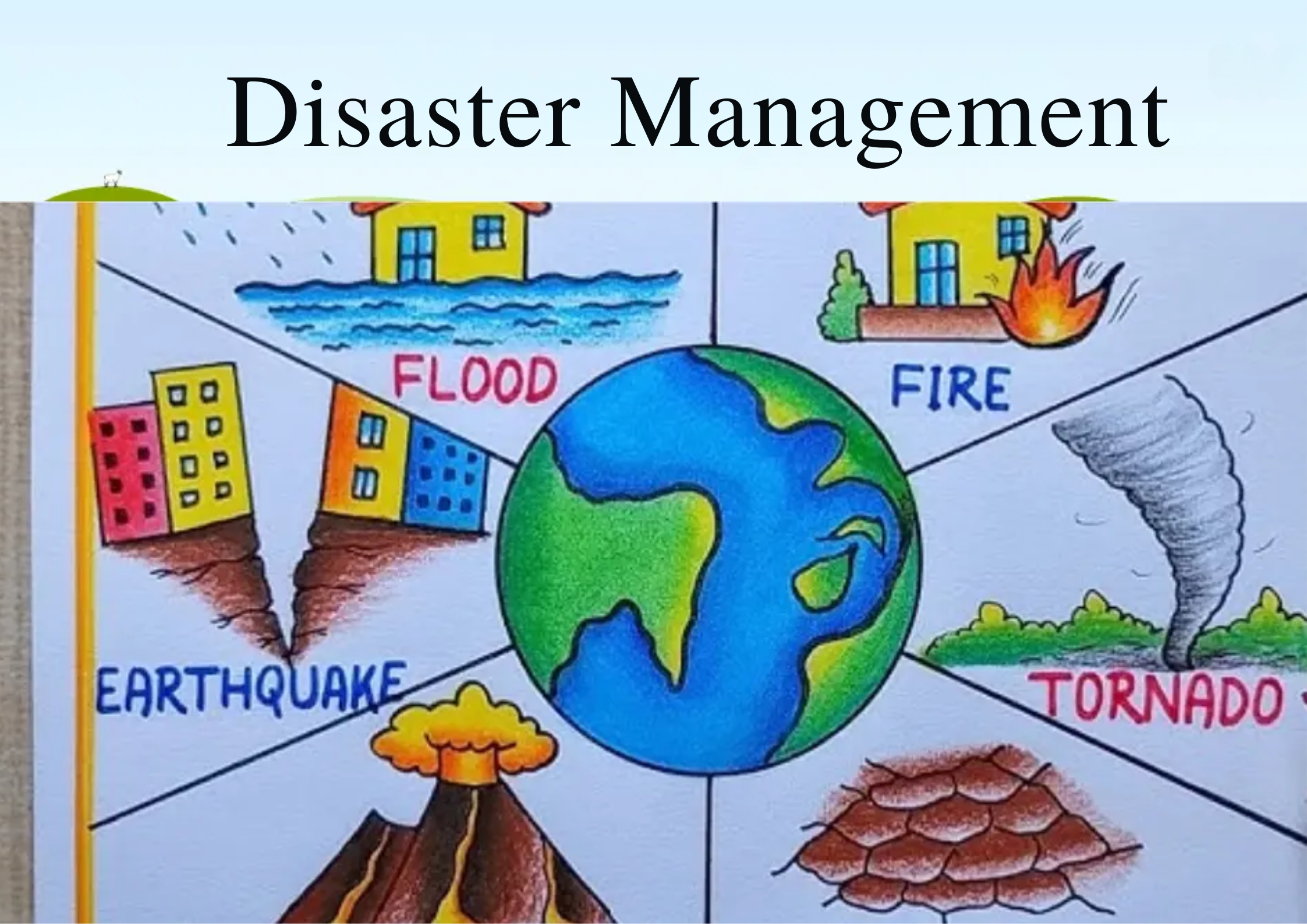
Disaster management refers to the systematic process of preparing for, responding to, and recovering from disasters. It includes planning, coordination, resource management, and risk assessment to minimize damage and ensure faster recovery.
Rather than reacting after a disaster strikes, modern disaster management focuses on prevention and preparedness. This shift has helped reduce casualties and economic losses over time. In India, disaster management combines traditional knowledge with scientific planning to address both local and national risks.
Types of Disasters in India

India’s vast size and varied climate expose it to different kinds of disasters. These are broadly classified into two main categories.
Natural Disasters
Natural disasters occur due to environmental or geological processes. Common examples in India include:
-
Earthquakes: Frequent in Himalayan regions and parts of North-East India
-
Floods: Regular in river basins like the Ganga and Brahmaputra
-
Cyclones: Affecting coastal states such as Odisha and Andhra Pradesh
-
Droughts: Common in arid and semi-arid regions
-
Landslides: Occurring in hilly areas during heavy rainfall
These disasters often affect large populations and require long-term recovery efforts.
Human-Made Disasters
Human-made disasters result from industrial, technological, or social failures. Examples include:
-
Industrial accidents
-
Chemical leaks
-
Fires and explosions
-
Infrastructure collapses
Though less frequent than natural disasters, their impact can be severe due to high population density and urbanization.
Disaster Management Policies in India
India has developed a strong policy framework to deal with disasters more effectively. The turning point came after major events like the 2001 Gujarat earthquake and the 2004 Indian Ocean tsunami.
National Disaster Management Act, 2005
The Disaster Management Act of 2005 laid the legal foundation for disaster governance in India. It led to the creation of key institutions such as:
-
National Disaster Management Authority (NDMA)
-
State Disaster Management Authorities (SDMA)
-
District Disaster Management Authorities (DDMA)
These bodies work together to plan, coordinate, and implement disaster management strategies at different levels.
National Disaster Management Plan
The National Disaster Management Plan focuses on prevention, mitigation, preparedness, response, and recovery. It emphasizes coordination between government departments, emergency services, and local communities.
This policy-driven approach ensures that disaster response is organized rather than chaotic.
Role of Education and Awareness
Education plays a critical role in disaster preparedness. Awareness programs help people understand risks and respond calmly during emergencies. Students, in particular, can act as messengers of safety within families and communities.
Many institutions now integrate disaster awareness into daily learning, encouraging practical drills and safety planning. In a school in India, disaster education helps children learn evacuation procedures, first aid basics, and emergency communication skills, preparing them for real-life situations.
Key Challenges in Disaster Management

Despite progress, disaster management in India still faces several challenges that limit its effectiveness.
Rapid Urbanization
Unplanned urban growth increases vulnerability. Encroachment on floodplains, poor drainage systems, and weak building structures make cities more prone to disasters.
Climate Change
Rising temperatures and changing rainfall patterns have increased the frequency and intensity of extreme weather events. Floods, heatwaves, and cyclones are becoming harder to predict and manage.
Limited Resources
Many rural and remote areas lack adequate infrastructure, trained personnel, and emergency equipment. This slows down response time and increases losses.
Lack of Public Participation
Disaster management cannot succeed without community involvement. However, limited awareness and low participation at the grassroots level remain major concerns.
Practical Solutions for Effective Disaster Management

Addressing these challenges requires a combination of policy action, technology, and community engagement.
Strengthening Early Warning Systems
Advanced forecasting tools and real-time alerts help communities prepare before disasters strike. Early warnings for cyclones and floods have already saved thousands of lives in recent years.
Community-Based Disaster Management
Local communities are the first responders during disasters. Training volunteers, conducting mock drills, and promoting Life Skills Activities such as teamwork and problem-solving can significantly improve response efficiency.
Resilient Infrastructure Development
Buildings, roads, and bridges should follow safety standards designed for disaster-prone areas. Investing in resilient infrastructure reduces long-term economic losses.
Capacity Building and Training
Regular training of emergency responders, teachers, and local leaders ensures better coordination during crises. Knowledge-sharing between states also improves national preparedness.
Benefits of Strong Disaster Management Systems

An effective disaster management system offers long-term social and economic benefits.
-
Reduced loss of life and property
-
Faster recovery and rehabilitation
-
Improved public confidence and safety
-
Stronger community resilience
-
Sustainable national development
Prepared societies recover faster and are better equipped to face future challenges.
Conclusion
Disasters are unavoidable, but their impact can be controlled. Through structured planning, strong policies, public awareness, and community participation, disaster management in India continues to grow stronger. Understanding risks, preparing in advance, and responding efficiently can protect lives and ensure stability.
By nurturing awareness among students, families, and educators, India can move closer to a resilient society—one that faces challenges with knowledge, coordination, and confidence.
Frequently Asked Questions (FAQs)
1. How can individuals prepare a personal disaster emergency kit?
A personal emergency kit should include drinking water, dry food, basic medicines, a flashlight, batteries, important documents, and emergency contact numbers to ensure safety during unexpected situations.
2. What role does technology play in modern disaster management?
Technology supports disaster management through satellite monitoring, mobile alerts, GPS mapping, and data analysis, helping authorities predict risks and respond faster during emergencies.
3. How does disaster insurance help families recover after a disaster?
Disaster insurance provides financial support to repair homes, replace belongings, and manage losses, reducing long-term economic stress on affected families.
4. Why is mental health support important after a disaster?
Disasters can cause emotional stress and trauma. Mental health support helps individuals, especially children and the elderly, cope with fear, anxiety, and loss during recovery.
5. How can students contribute to disaster preparedness at home and in their community?
Students can spread awareness, help create family emergency plans, participate in safety drills, and support community preparedness programs through responsible actions and communication.