





Education data can feel confusing, especially when reports use technical terms that sound distant from everyday learning. One such term is Gross Enrollment Ratio. You may have seen it in news articles, school reports, or government surveys and wondered what it really means—and why it matters to you as a student or parent.
This guide explains Gross Enrollment Ratio in simple language, without jargon. It is designed to help families, educators, and learners understand how enrollment data reflects access to education, where it helps, and where it falls short.
What Is Gross Enrollment Ratio?

Gross Enrollment Ratio (GER) is a statistical measure used to understand how many learners are enrolled in a particular level of education—such as primary, secondary, or higher education—compared to the total population of the age group that officially belongs to that level.
In simple terms, it answers one key question:
How many people are enrolled in a stage of education, regardless of age, compared to the number of people who are supposed to be in that stage?
How Gross Enrollment Ratio Is Calculated
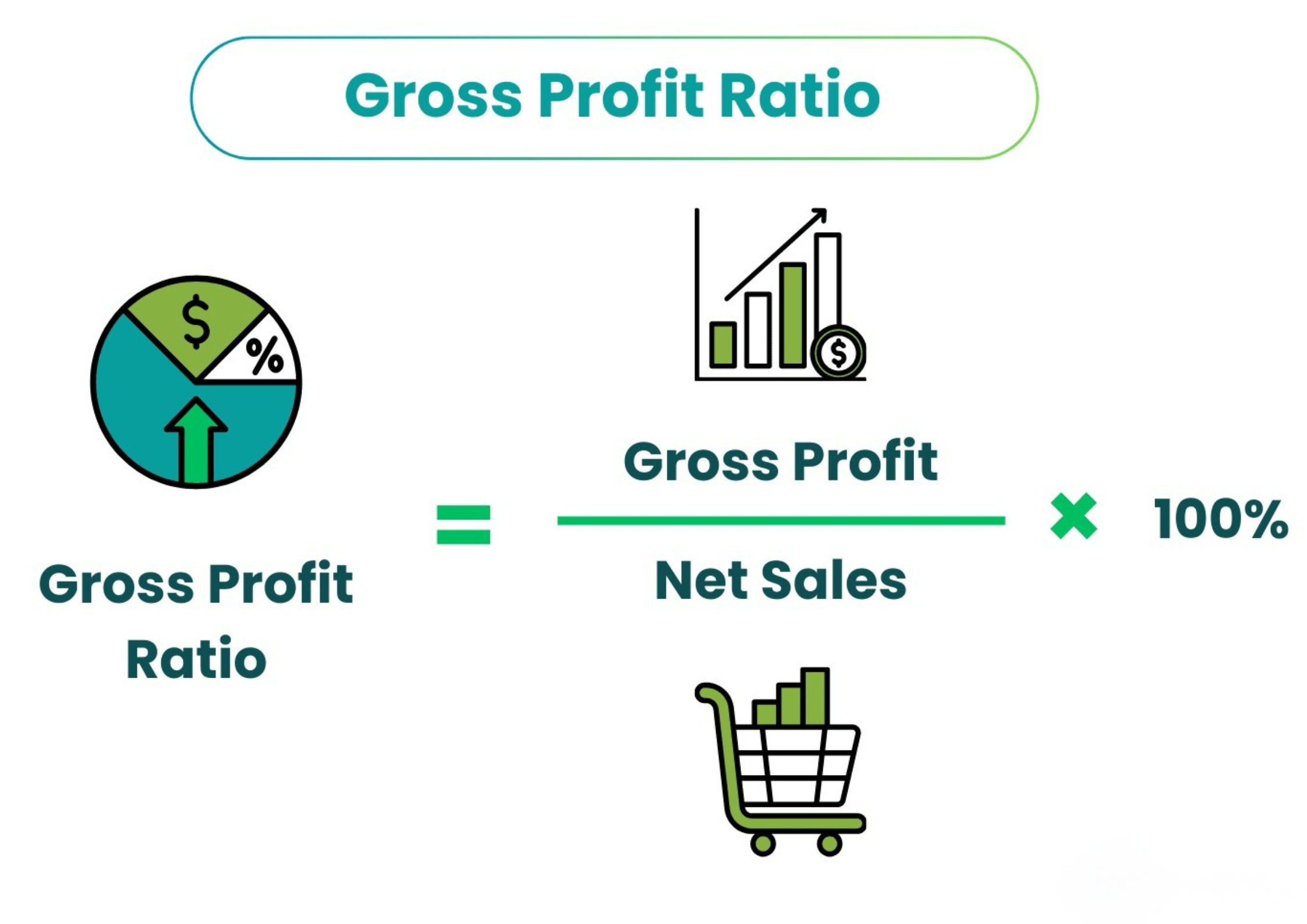
The calculation is straightforward:
GER = (Total number of students enrolled at a given level ÷ Population of the official age group for that level) × 100
Because the formula includes all enrolled students—whether they are younger or older than the typical age—the ratio can exceed 100 percent.
Why Can GER Be More Than 100%?
This happens when:
-
Students repeat grades
-
Learners start school earlier or later than the official age
-
Adults return to education after a gap
Rather than being an error, a GER above 100 shows wide access to education across age groups.
Why Gross Enrollment Ratio Matters

GER plays a key role in understanding how inclusive and accessible an education system is. Governments, schools, and education planners use it to track progress and identify gaps.
For Students
-
It shows whether more learners are getting access to education at different levels
-
High enrollment often means better availability of schools, teachers, and learning resources
For Parents
-
It helps assess how well the education system supports participation
-
It offers context when comparing a local school in India with national or regional trends
For Policymakers and Educators
-
It supports decisions about funding, infrastructure, and teacher recruitment
-
It highlights stages where students are dropping out or enrolling late
Different Levels of Gross Enrollment Ratio

GER is measured separately at different stages of education, each revealing unique insights.
Primary Education
A high primary GER usually reflects strong early access to schooling. It often improves when awareness campaigns and free education policies are effective.
Secondary Education
At this level, GER can drop if students leave school due to economic pressure, academic challenges, or lack of nearby institutions.
Higher Education
Here, GER shows how many young adults continue learning beyond school. Growth in this area often reflects better career awareness and expanded college options.
Benefits of Using Gross Enrollment Ratio
GER is widely used because it provides a broad and inclusive picture of education participation.
1. Measures Access, Not Just Age-Based Attendance
It includes all learners, even those outside the standard age group, giving a fuller view of participation.
2. Helps Track Long-Term Progress
By comparing GER over time, planners can see whether enrollment initiatives are working.
3. Supports Inclusive Education Goals
Higher GER values often indicate that education systems are reaching learners from diverse backgrounds.
4. Easy to Compare Across Regions
Because it follows a standard formula, GER allows comparisons between states, countries, and time periods.
Limitations of Gross Enrollment Ratio
While useful, GER does not tell the whole story. Understanding its limits is essential.
It Does Not Show Learning Quality
A high GER does not guarantee that students are learning well or completing their education.
Age Mismatch Can Be Misleading
Since over-age and under-age students are included, GER cannot show whether children are enrolled at the right time.
Dropout Rates Are Not Reflected
Students counted in enrollment may leave school later, which GER alone cannot capture.
For this reason, GER is often used alongside other indicators such as Net Enrollment Ratio, retention rates, and learning outcomes.
Gross Enrollment Ratio vs. Net Enrollment Ratio
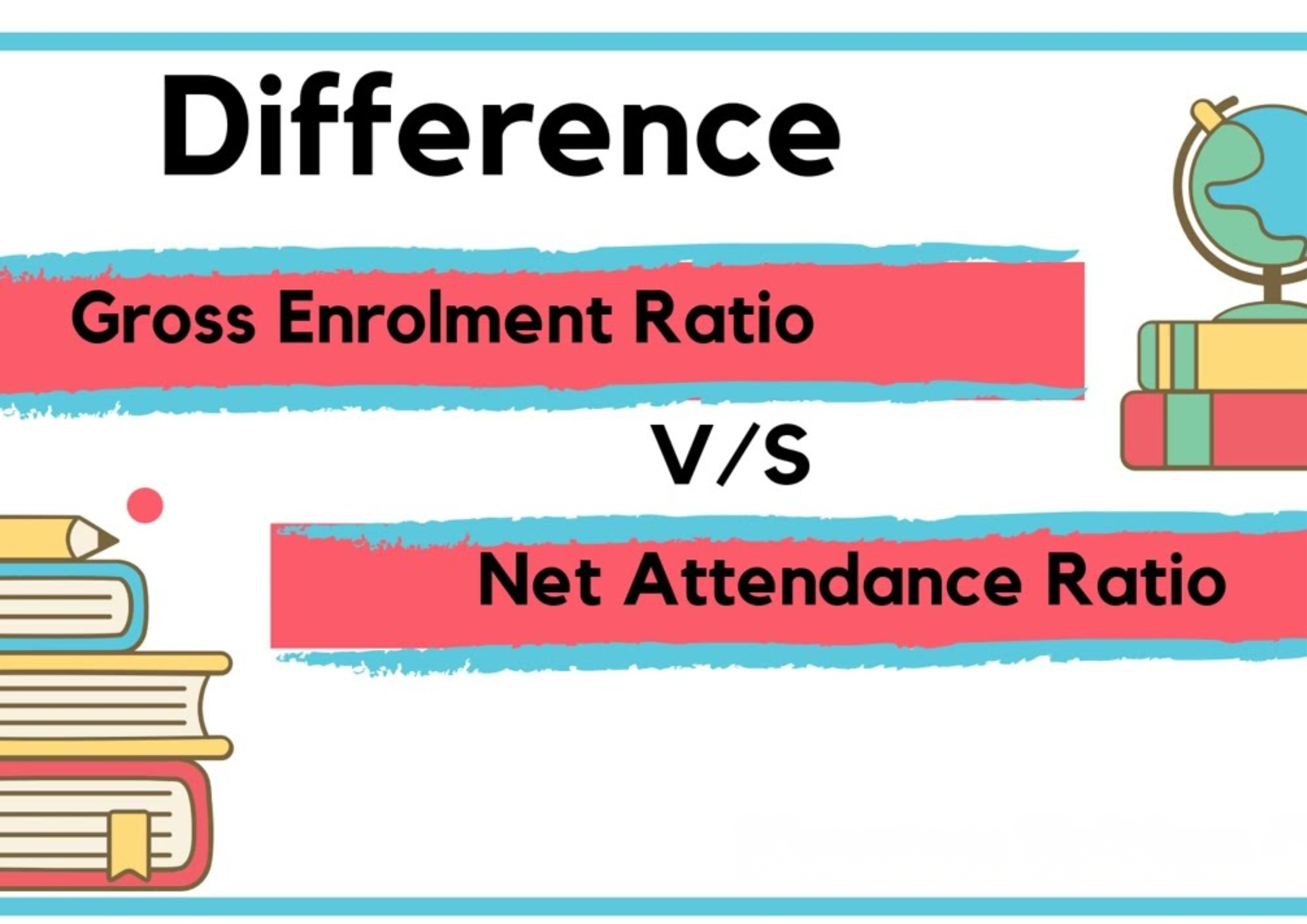
These two measures are often confused, but they serve different purposes.
-
Gross Enrollment Ratio counts all enrolled students, regardless of age.
-
Net Enrollment Ratio counts only students who fall within the official age group for that level.
GER focuses on access and inclusivity, while Net Enrollment Ratio focuses on age-appropriate participation. Used together, they give a more accurate picture of education systems.
How Gross Enrollment Ratio Affects Real-Life Decisions
Enrollment data influences many practical choices in education.
-
School expansion and classroom planning
-
Teacher hiring and training
-
Scholarship and support programs
-
Long-term education reforms
When interpreted carefully, GER helps leaders design policies that encourage continued learning and reduce barriers.
The Role of Parents and Students

Understanding education indicators empowers families to ask better questions. Parents can evaluate whether enrollment growth is matched by quality teaching and student support. Students can better understand how education trends shape opportunities for Quick Learning and lifelong development.
Being informed turns data into meaningful insight rather than abstract numbers.
Conclusion: Understanding the Bigger Picture
Gross Enrollment Ratio is more than a statistic—it is a window into how accessible education is across age groups and learning stages. While it does not measure quality or completion, it plays an important role in highlighting participation and inclusivity.
When combined with other indicators and real classroom experiences, GER helps students, parents, and educators understand where education systems are succeeding and where they need improvement. Clear knowledge of such measures allows everyone involved to engage more confidently with education planning and progress—turning numbers into informed action.
Frequently Asked Questions
1. What does Gross Enrollment Ratio (GER) indicate in education?
Gross Enrollment Ratio shows the total number of students enrolled at a specific education level compared to the official age-group population for that level, regardless of the students’ actual age.
2. Can Gross Enrollment Ratio be higher than 100 percent?
Yes. GER can exceed 100% when students are enrolled earlier or later than the official age, repeat grades, or return to education after a gap.
3. Why is Gross Enrollment Ratio important for parents and students?
GER helps parents and students understand how accessible education is at different levels and whether enrollment opportunities are expanding or declining.
4. Does a high Gross Enrollment Ratio mean good quality education?
No. A high GER only reflects enrollment levels, not learning quality, student performance, or completion rates.
5. What is the difference between Gross Enrollment Ratio and Net Enrollment Ratio?
Gross Enrollment Ratio includes all enrolled students regardless of age, while Net Enrollment Ratio counts only students within the official age group for that education level.