




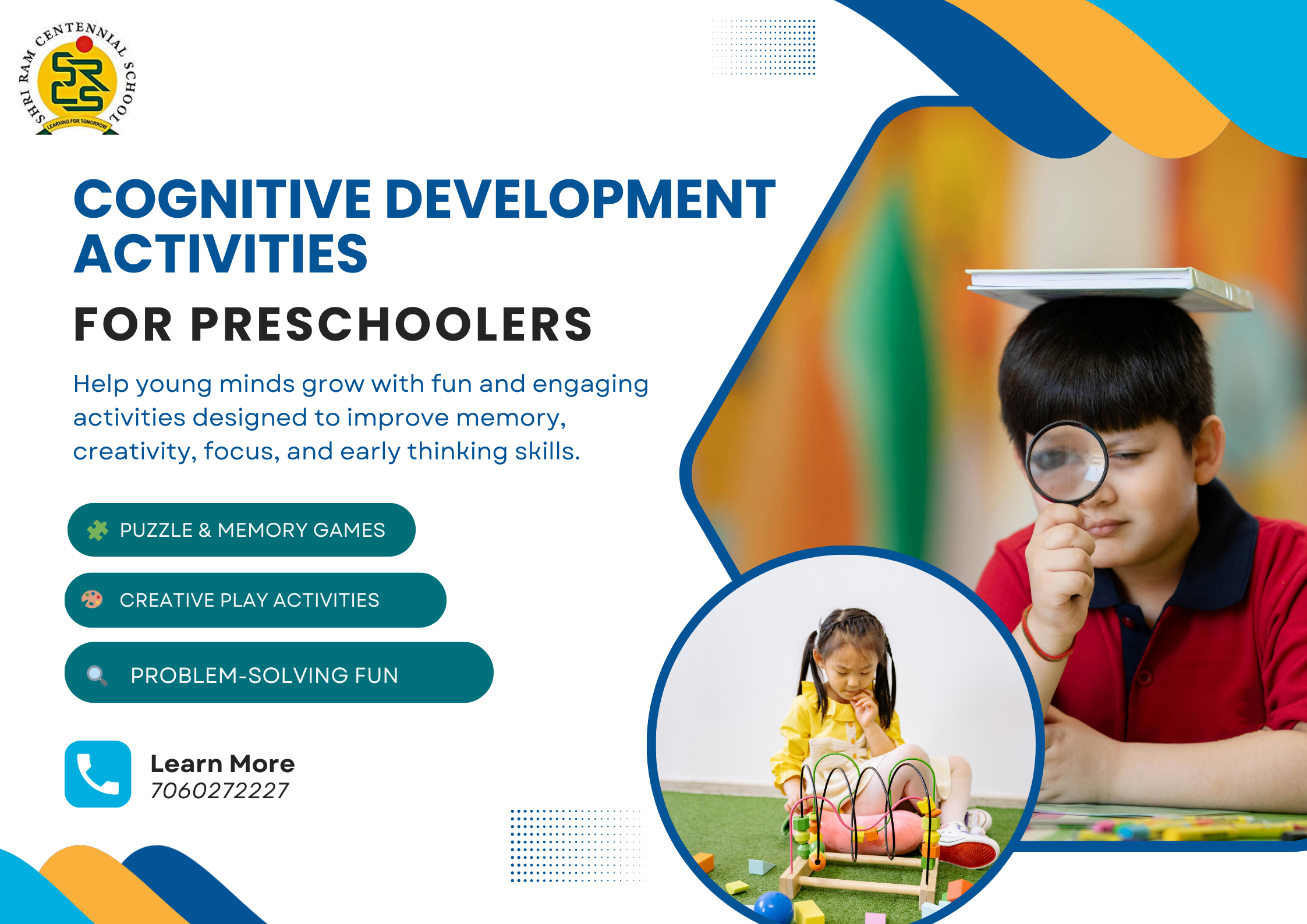
Early childhood is a remarkable stage of growth. During the preschool years, a child’s brain forms connections at a faster rate than at any other time in life. These early experiences shape how children think, learn, communicate, and solve problems in the future. Because of this rapid development, engaging young learners in meaningful activities becomes extremely important.
Cognitive development activities for preschoolers play a crucial role in shaping how young children think, explore, and understand the world around them. During the early years of life, a child’s brain develops rapidly, forming millions of neural connections that support learning, memory, and problem-solving skills.
Why Cognitive Development Matters in Preschool Years
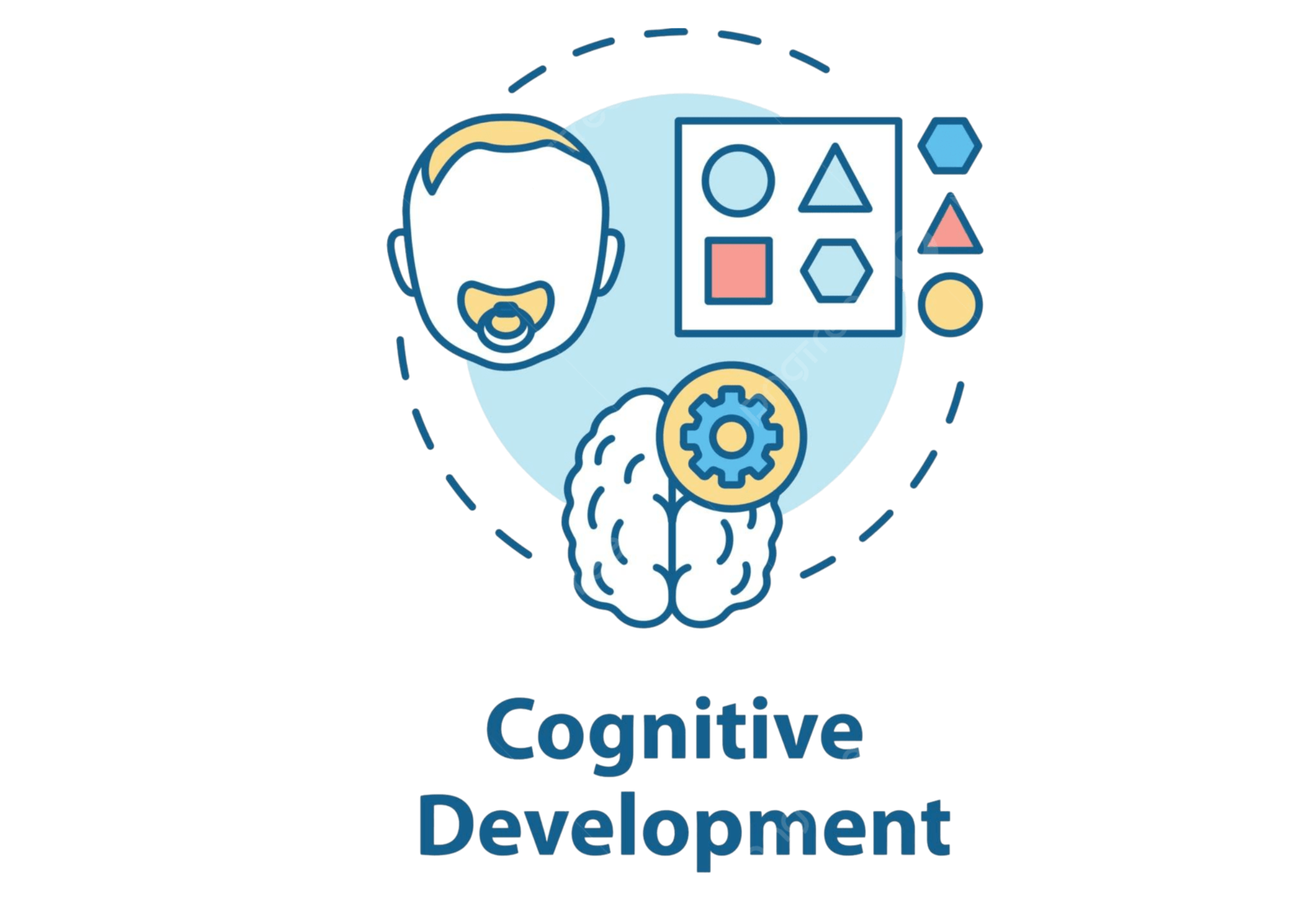
Cognitive development refers to the way children think, explore, remember, and understand the world around them. During the preschool stage, children begin to ask questions, recognize patterns, identify shapes and colors, and understand cause-and-effect relationships.
Encouraging these abilities early can lead to stronger academic readiness and improved confidence in learning environments. Activities that challenge thinking skills also help develop attention span and creativity.
At the same time, it is important to remember that children learn best when they are relaxed and curious. Activities should be playful rather than pressured.
1. Puzzle Solving
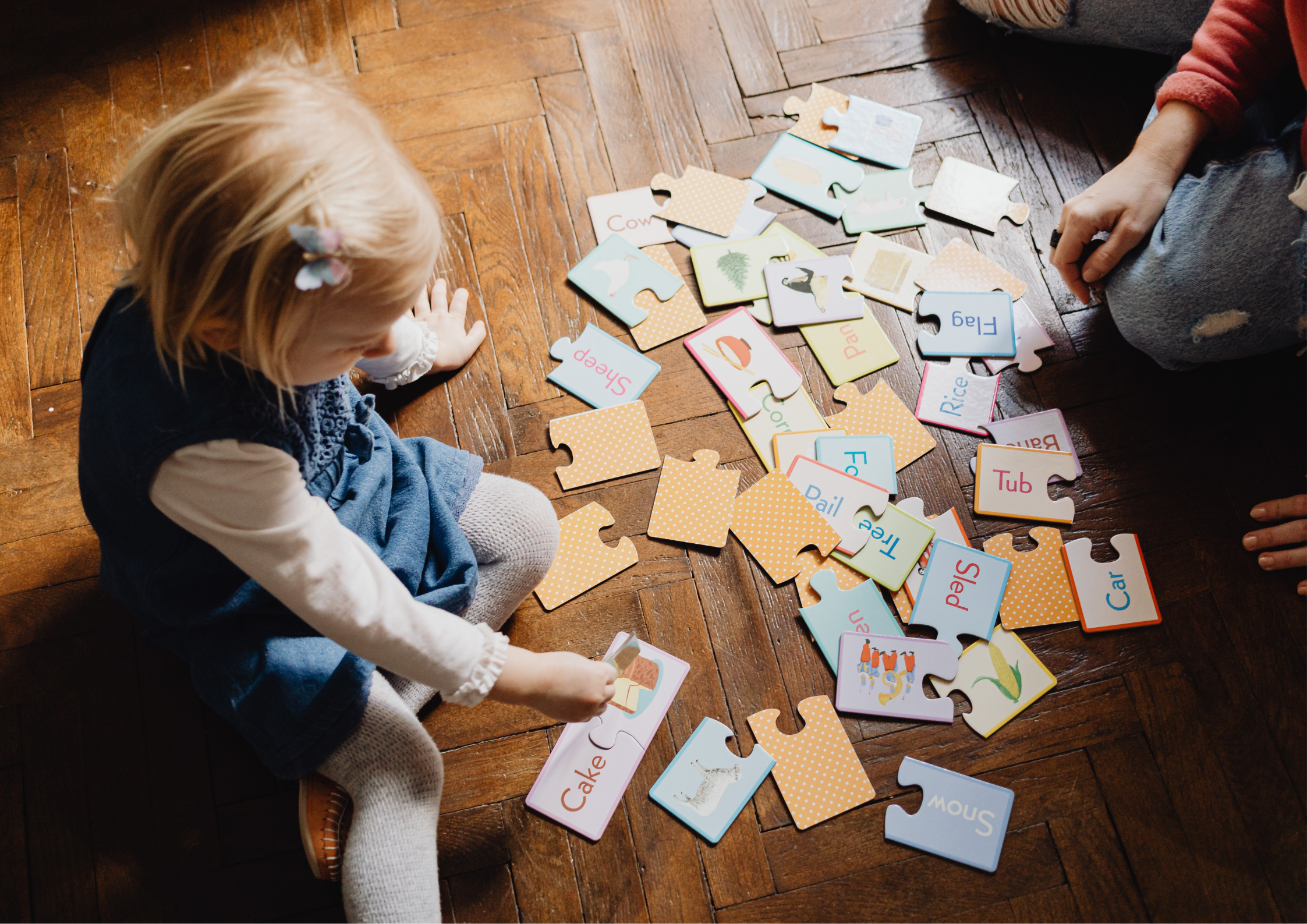
Puzzles are among the most effective tools for developing thinking skills in young children.
How It Helps
-
Improves problem-solving ability
-
Strengthens memory and concentration
-
Encourages logical thinking
Activity Idea
Start with simple picture puzzles containing large pieces. As children become more comfortable, gradually introduce slightly more complex puzzles with additional pieces.
2. Sorting and Categorizing Games
Sorting objects is a natural learning experience for preschoolers.
How It Helps
-
Builds classification skills
-
Improves observation
-
Encourages comparison and reasoning
Activity Idea
Provide everyday items such as colored blocks, buttons, or toy animals. Ask children to group them by color, size, or type.
3. Memory Matching Games
Memory games encourage children to recall visual information and recognize patterns.
How It Helps
-
Strengthens short-term memory
-
Improves attention to detail
-
Develops recognition skills
Activity Idea
Place cards face down and allow children to flip two at a time to find matching pairs.
4. Storytelling and Picture Discussions

Stories stimulate imagination while helping children process information.
How It Helps
-
Improves language and comprehension
-
Encourages creative thinking
-
Develops listening skills
Activity Idea
Show a picture and ask the child to describe what might be happening in the scene. Encourage them to create a short story around it.
5. Building Blocks and Construction Play
Construction activities encourage exploration and experimentation.
How It Helps
-
Enhances spatial awareness
-
Develops planning skills
-
Encourages creativity
Activity Idea
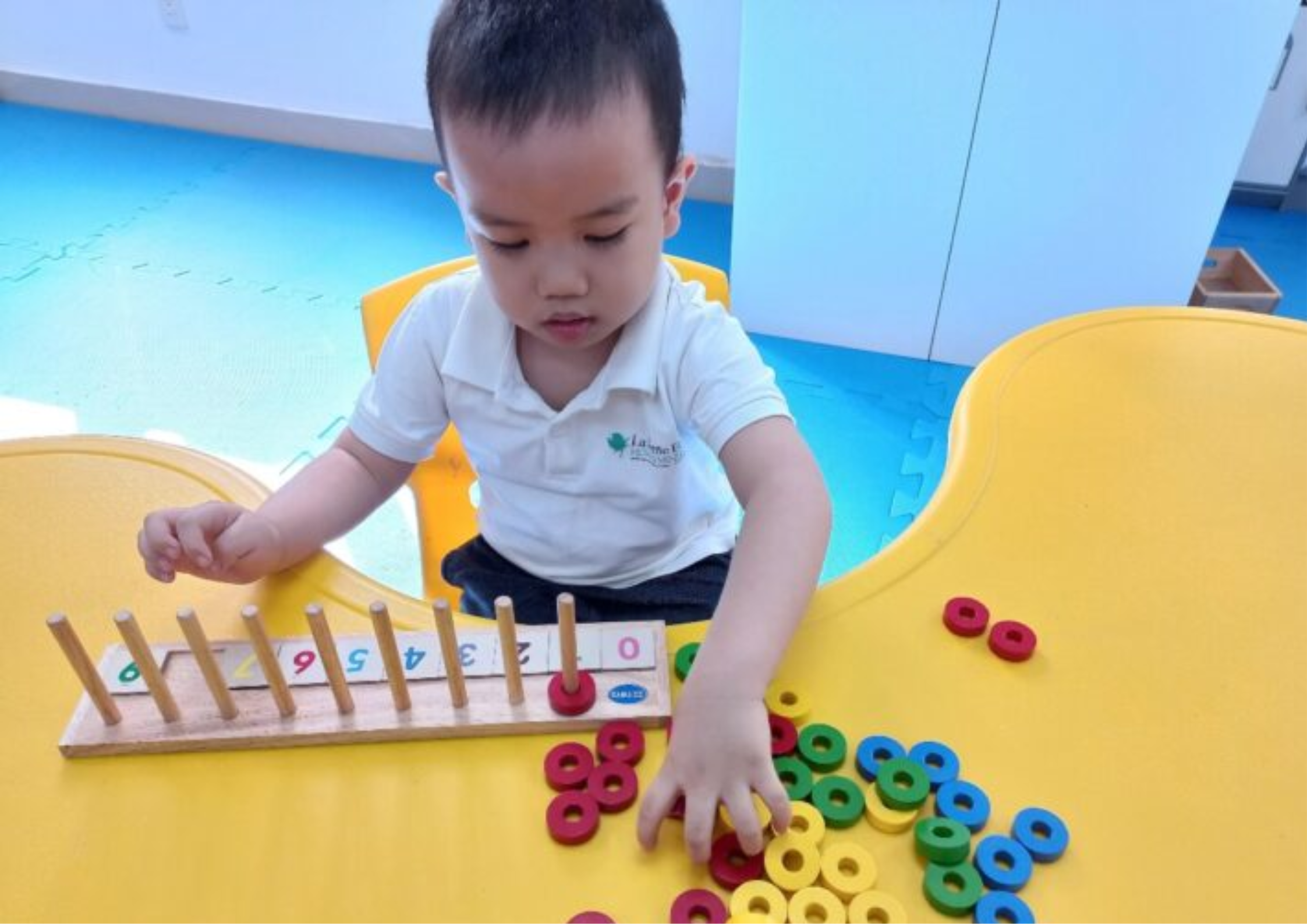
Give children building blocks or stacking toys and ask them to construct simple structures such as towers or bridges.
6. Shape and Pattern Activities
Recognizing patterns helps children understand order and predict outcomes.
How It Helps
-
Strengthens mathematical thinking
-
Develops recognition abilities
-
Encourages logical reasoning
Activity Idea
Create simple patterns using colored beads or shapes and ask children to continue the sequence.
7. Nature Exploration
Outdoor experiences offer valuable learning opportunities.
How It Helps
-
Encourages curiosity and observation
-
Builds awareness of the environment
-
Stimulates questioning and discovery
Activity Idea
Take children for short nature walks and ask them to observe leaves, insects, or stones. Later, discuss what they noticed.
8. Music and Rhythm Activities
Music stimulates multiple areas of the brain simultaneously.
How It Helps
-
Improves memory and coordination
-
Encourages listening skills
-
Supports language development
Activity Idea
Clap rhythms and ask children to repeat them, or introduce simple musical instruments for exploration.
9. Pretend Play and Role-Playing
Imaginative play helps children understand real-life situations.
How It Helps
-
Encourages creative thinking
-
Builds social understanding
-
Improves communication skills
Activity Idea
Set up pretend scenarios such as a small shop, kitchen, or classroom and allow children to act out different roles.
10. Simple Problem-Solving Tasks
Everyday challenges can become learning opportunities.
How It Helps
-
Builds reasoning skills
-
Encourages independent thinking
-
Develops confidence in decision-making
Activity Idea
Present small challenges such as finding different ways to stack objects or figuring out how to move toys from one place to another.
Benefits of Cognitive Development Activities
When children regularly engage in stimulating activities, they develop skills that support lifelong learning. Some key benefits include:
-
Improved concentration and attention span
-
Stronger memory and information processing
-
Better language and communication skills
-
Increased curiosity and creativity
-
Greater confidence in exploring new ideas
These benefits not only help children academically but also support emotional and social development.
Common Challenges Parents and Teachers Face
While cognitive activities are beneficial, implementing them consistently can sometimes be challenging.
1) Limited Time
Busy schedules often make it difficult for parents to plan structured activities.
2) Short Attention Span
Preschoolers may lose interest quickly if the activity feels too complex.
3) Overemphasis on Academic Learning
Some adults focus too much on formal learning instead of playful exploration.
4) Lack of Resources
Not all families or classrooms have access to expensive learning materials.
The good news is that most cognitive activities require minimal resources and can be adapted using everyday objects.
Tips for Making Activities More Effective
To ensure that these activities truly support brain development, consider a few practical strategies:
Keep Activities Short
Young children learn best in short, engaging sessions.
Encourage Questions
Allow children to ask questions and express their thoughts freely.
Focus on Exploration
Instead of correcting mistakes immediately, let children experiment and discover solutions.
Celebrate Effort
Appreciating effort encourages children to stay motivated and confident.
Conclusion
The preschool years provide a powerful opportunity to nurture curiosity and learning. During this stage, the brain is highly receptive to new experiences, making it the ideal time to introduce activities that stimulate thinking and exploration.
Simple experiences such as puzzles, storytelling, building games, and nature exploration can significantly strengthen a child’s cognitive abilities. These activities not only enhance memory and reasoning but also help children develop confidence in learning.
Whether a child learns at home or attends a school in India, thoughtfully planned activities can strengthen their cognitive abilities while keeping learning enjoyable. The following activities are simple, effective, and ideal for supporting Preschool Education in a balanced and engaging way.
Frequently Asked Questions (FAQs)
1. At what age does Cognitive Development Activities start in children?
Cognitive development begins from birth. During the first five years of life, the brain develops rapidly as children observe, explore, and interact with their surroundings.
2. How much time should preschoolers spend on cognitive activities daily?
Preschoolers can benefit from 20–40 minutes of structured cognitive activities each day, along with free play and exploration that naturally stimulates thinking skills.
3. Can screen-based learning improve cognitive development in preschoolers?
Limited and supervised educational screen time can support learning, but hands-on activities like puzzles, storytelling, and building games are generally more effective for brain development.
4. How do parents know if cognitive development activities are working?
Parents may notice improvements in problem-solving, memory, curiosity, and the ability to ask questions or understand simple concepts.
5. Do cognitive development activities improve school readiness?
Yes. These activities help children develop attention, reasoning, and early learning skills, which prepare them for structured classroom learning.