




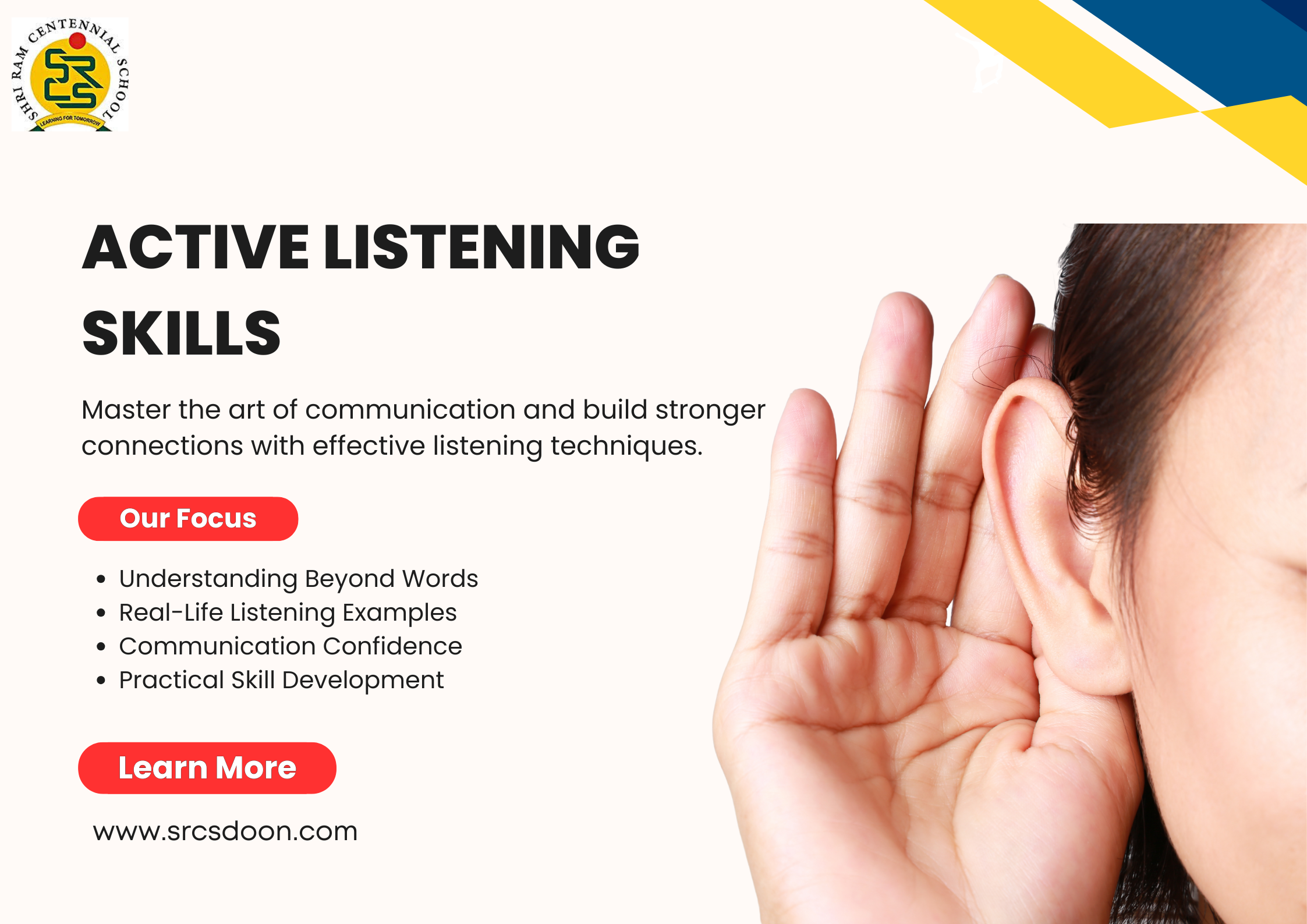
In today’s fast-paced world, communication is often reduced to quick replies and surface-level conversations. However, true understanding comes from something deeper—active listening skills. Whether in classrooms, homes, or workplaces, the ability to listen attentively is one of the most valuable life skills a person can develop.
This blog explores five essential active listening skills, along with practical examples and simple ways to improve them.
What is Active Listening Skills ?
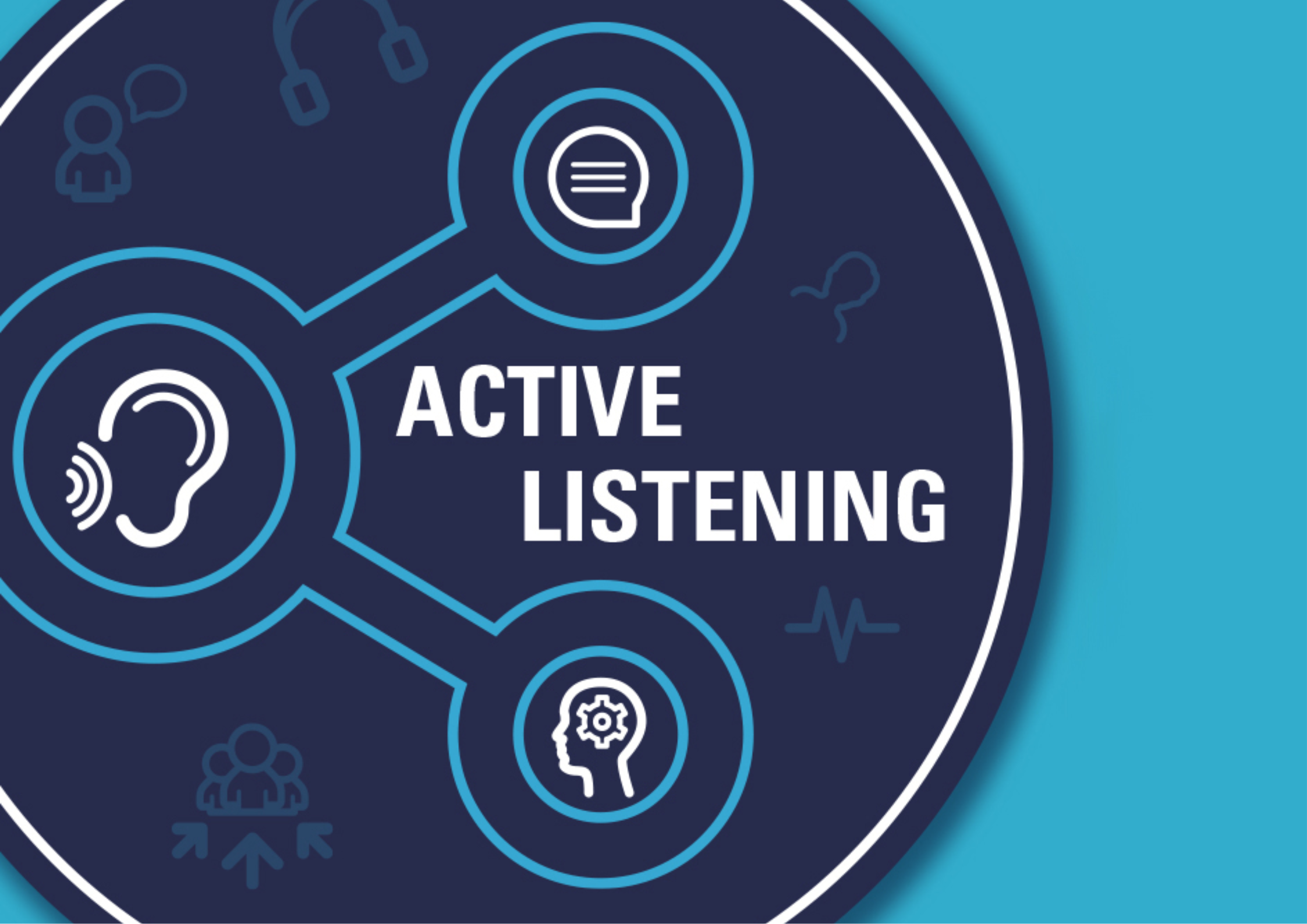
Active listening is a communication technique that requires the listener to be fully engaged with the speaker. It means paying attention not only to words but also to tone, emotions, and body language.
Unlike passive listening, where the mind often wanders, active listening ensures that the listener is present in the moment. It builds trust, reduces misunderstandings, and strengthens connections.
Why Active Listening Matters in Student Life
Active listening is not just a classroom skill—it is a life skill. Students who develop strong listening abilities tend to perform better academically and socially.
In many leading institutions, including a top school in India, communication skills are developed through structured activities and Life Skills Activities that encourage participation, collaboration, and attentive listening.
5 Active Listening Skills You Should Know
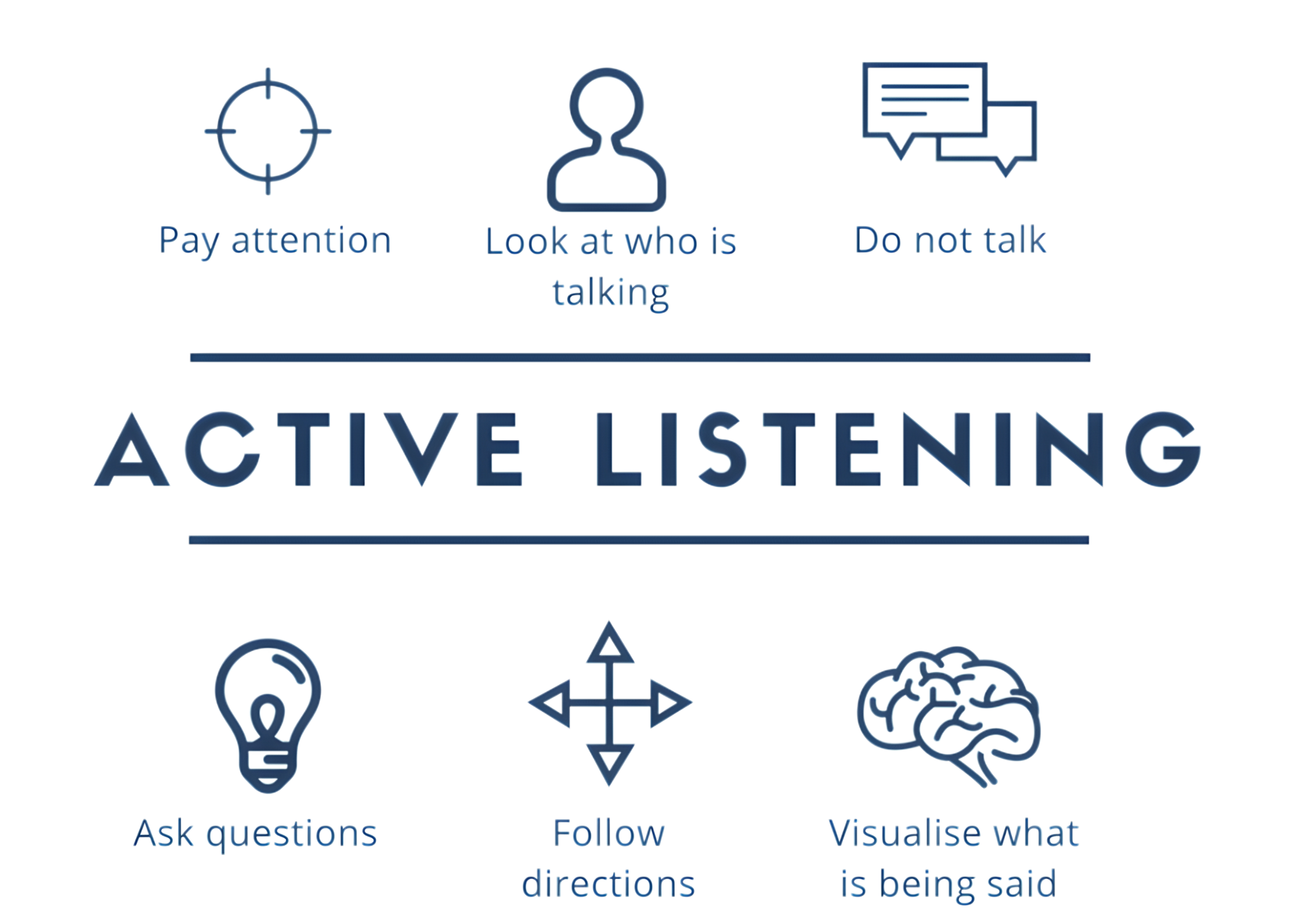
1. Paying Full Attention
What It Means
Giving your undivided attention to the speaker without distractions like mobile phones or side conversations.
Example
A student maintaining eye contact with the teacher and taking notes during a lecture shows full attention.
How to Improve
-
Keep devices aside during conversations
-
Maintain eye contact
-
Use body language like nodding
2. Showing That You’re Listening
What It Means
Using verbal and non-verbal cues to show engagement.
Example
Simple responses like “I see,” “Okay,” or nodding your head while someone speaks.
How to Improve
-
Practice small affirmations
-
Smile or nod appropriately
-
Avoid interrupting
3. Understanding and Interpreting
What It Means
Going beyond words to understand the speaker’s intent and emotions.
Example
A teacher noticing a student’s hesitation while answering and encouraging them gently.
How to Improve
-
Pay attention to tone and expressions
-
Ask yourself: “What does this person really mean?”
-
Avoid jumping to conclusions
4. Asking Relevant Questions
What It Means
Clarifying doubts and showing curiosity through meaningful questions.
Example
A student asking, “Can you explain this concept again with an example?” demonstrates active engagement.
How to Improve
-
Ask open-ended questions
-
Wait for the right moment to ask
-
Keep questions clear and respectful
5. Providing Feedback
What It Means
Responding thoughtfully to confirm understanding.
Example
Repeating or summarizing what someone said: “So, you’re saying that…”
How to Improve
-
Paraphrase key points
-
Give constructive responses
-
Avoid being judgmental
Benefits of Active Listening
1. Better Academic Performance
Students who listen actively understand lessons more clearly and retain information longer.
2. Stronger Relationships
Listening builds trust and makes people feel valued, whether at home or in school.
3. Improved Communication Skills
It enhances both speaking and listening abilities, creating balanced communication.
4. Reduced Misunderstandings
Clear understanding minimizes confusion and conflicts.
5. Emotional Intelligence Development
Recognizing emotions in conversations helps in becoming more empathetic and aware.
Common Challenges in Active Listening
Despite its importance, active listening is not always easy to practice.
1. Distractions
Mobile phones, noise, and multitasking can break focus.
2. Preconceived Notions
Assuming what the speaker will say leads to poor listening.
3. Lack of Patience
Interrupting or rushing conversations reduces understanding.
4. Emotional Reactions
Strong emotions can make it difficult to listen objectively.
How to Improve Active Listening Skills

Improving listening skills requires consistent effort and awareness.
Practice Mindfulness
Stay present in conversations without letting your mind wander.
Build Patience
Allow the speaker to finish before responding.
Engage in Conversations
Participate actively instead of being a passive listener.
Reflect and Improve
After conversations, think about what you understood and where you can improve.
Learn Through Daily Activities
Group discussions, storytelling, and classroom interactions naturally enhance listening abilities over time.
Active Listening in Daily Life
Active listening is useful in every stage of life:
-
In classrooms: Better understanding of subjects
-
At home: Stronger family relationships
-
With friends: Deeper and more meaningful connections
-
In careers: Professional growth and effective teamwork
Conclusion
Active listening is one of the most powerful yet often overlooked communication skills. It is not just about hearing words—it is about understanding meaning, emotions, and intent.
By practicing the five key skills—attention, engagement, understanding, questioning, and feedback—students can improve both their academic performance and personal relationships.
Over time, these abilities grow stronger through everyday experiences, especially when students are involved in interactive environments and Life Skills Activities that encourage real communication.
Frequently Asked Questions
1. Can active listening help in exams and studies?
Yes, active listening improves concentration and understanding in class, which helps students grasp concepts faster and perform better in exams.
2. Is active listening a natural skill or can it be learned?
Active listening is a learned skill. With regular practice and awareness, anyone can develop and improve it over time.
3. How is active listening different from hearing?
Hearing is a passive physical process, while active listening involves understanding, interpreting, and responding thoughtfully.
4. Does active listening improve confidence in communication?
Yes, when you listen well, you respond better, which naturally boosts your confidence in conversations and discussions.
5. Can active listening reduce conflicts in daily life?
Absolutely. It helps people understand each other clearly, reducing misunderstandings and preventing unnecessary arguments.