


Artificial Intelligence (AI) is no longer a concept limited to scientists or technology companies. It has become a part of everyday life—from smartphones and learning apps to career planning and creative tools. For today’s youth, understanding AI is not just an advantage; it is a necessity.
AI for youth focuses on helping young learners develop awareness, skills, and responsible usage of artificial intelligence so they are prepared for future education, careers, and real-world challenges.
What Is AI for Youth?
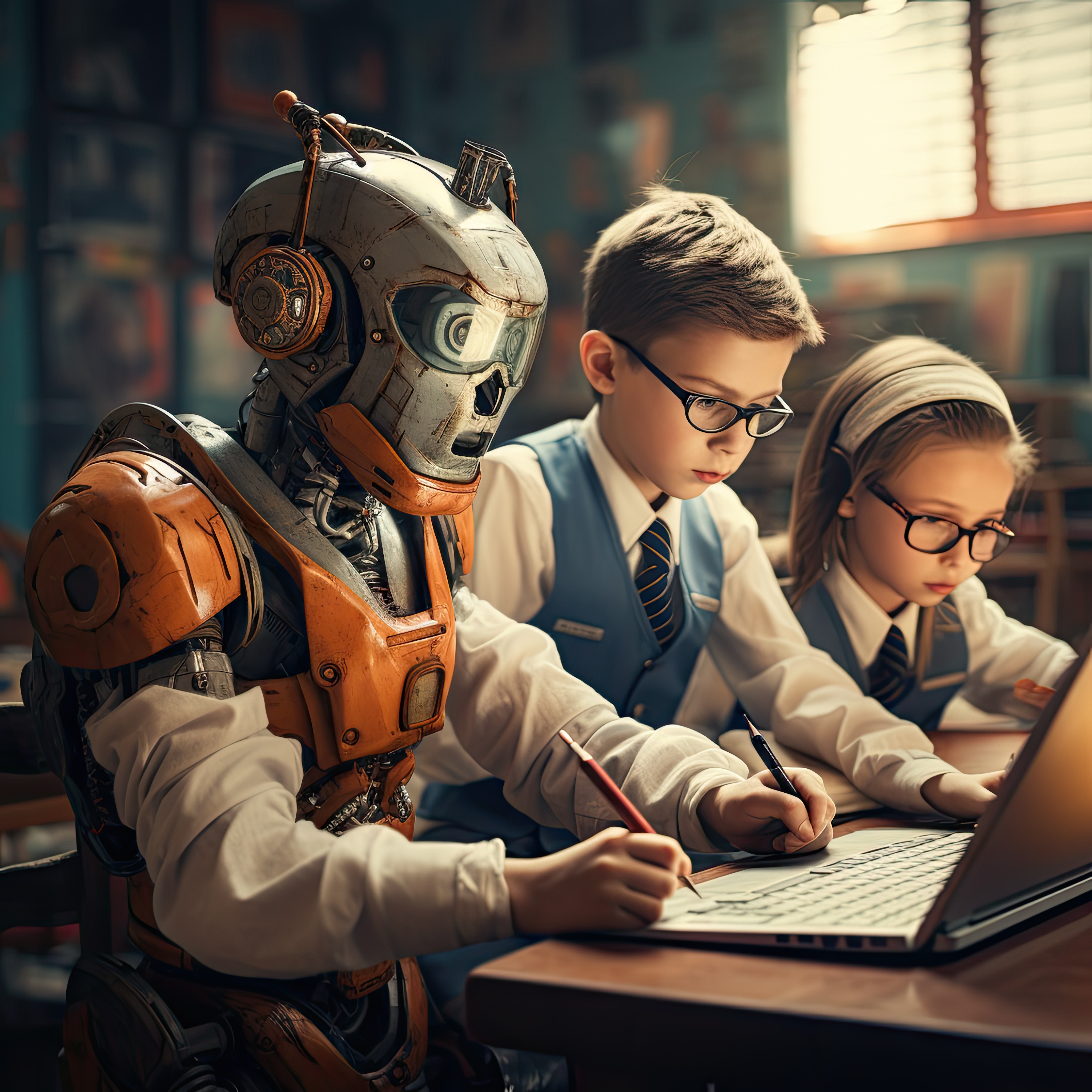
AI for youth refers to introducing artificial intelligence concepts, tools, and thinking skills to young people in an age-appropriate and practical way. It is not about complex coding alone, but about helping students understand how intelligent systems work and how they can use them ethically and creatively.
AI education for youth includes:
-
Basic AI awareness
-
Logical and critical thinking
-
Problem-solving skills
-
Responsible use of technology
Why AI Education Is Important for Youth Today
1) AI Is Already Part of Daily Life
From voice assistants and recommendation systems to online learning platforms, AI influences how students learn, communicate, and explore information.
2) Future Careers Will Be AI-Driven
Many future jobs will require AI-related skills. Early exposure helps youth adapt easily to changing career demands.
3) Builds Smart Thinking, Not Just Technical Skills
AI education improves analytical thinking, creativity, and decision-making—not just computer skills.
Benefits of AI for Youth
1) Develops Critical Thinking Skills
AI encourages students to analyze problems, ask questions, and find logical solutions.
2) Enhances Creativity and Innovation
Using AI tools, youth can create designs, stories, music, and projects, boosting creativity.
3) Improves Learning Efficiency
AI-based learning platforms personalize education according to a student’s pace and understanding.
4) Encourages Responsible Technology Use
Teaching AI ethics helps youth understand data privacy, bias, and responsible digital behavior.
5) Prepares Youth for Global Competition
Students familiar with AI concepts gain confidence and readiness for higher education and future careers.
AI for Youth in Education
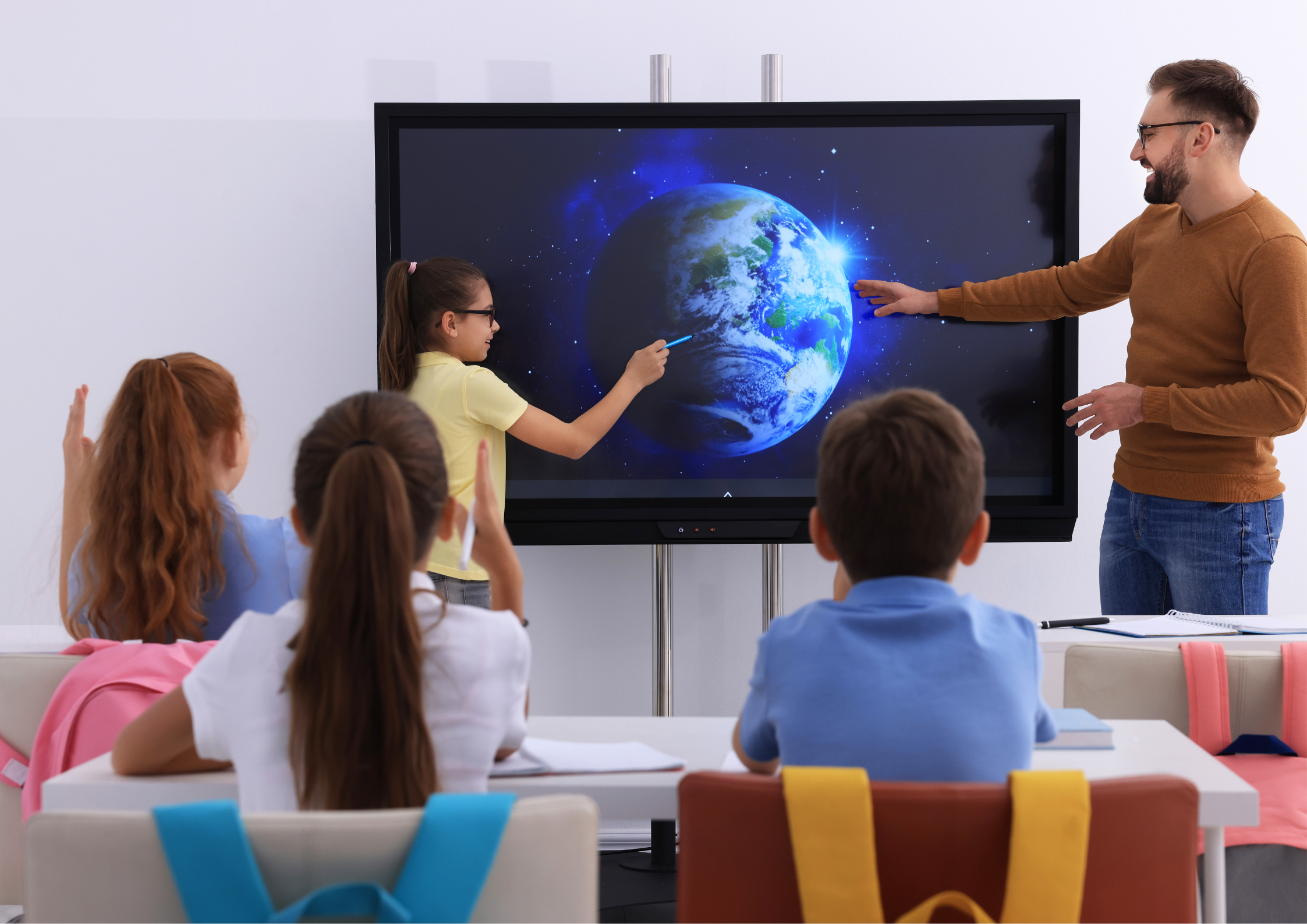
Schools are increasingly integrating AI into education through:
-
Smart classrooms
-
Adaptive learning platforms
-
Virtual tutors and simulations
-
AI-powered assessments
These tools help teachers understand student progress better and support personalized learning.
Skills Youth Can Learn Through AI Education
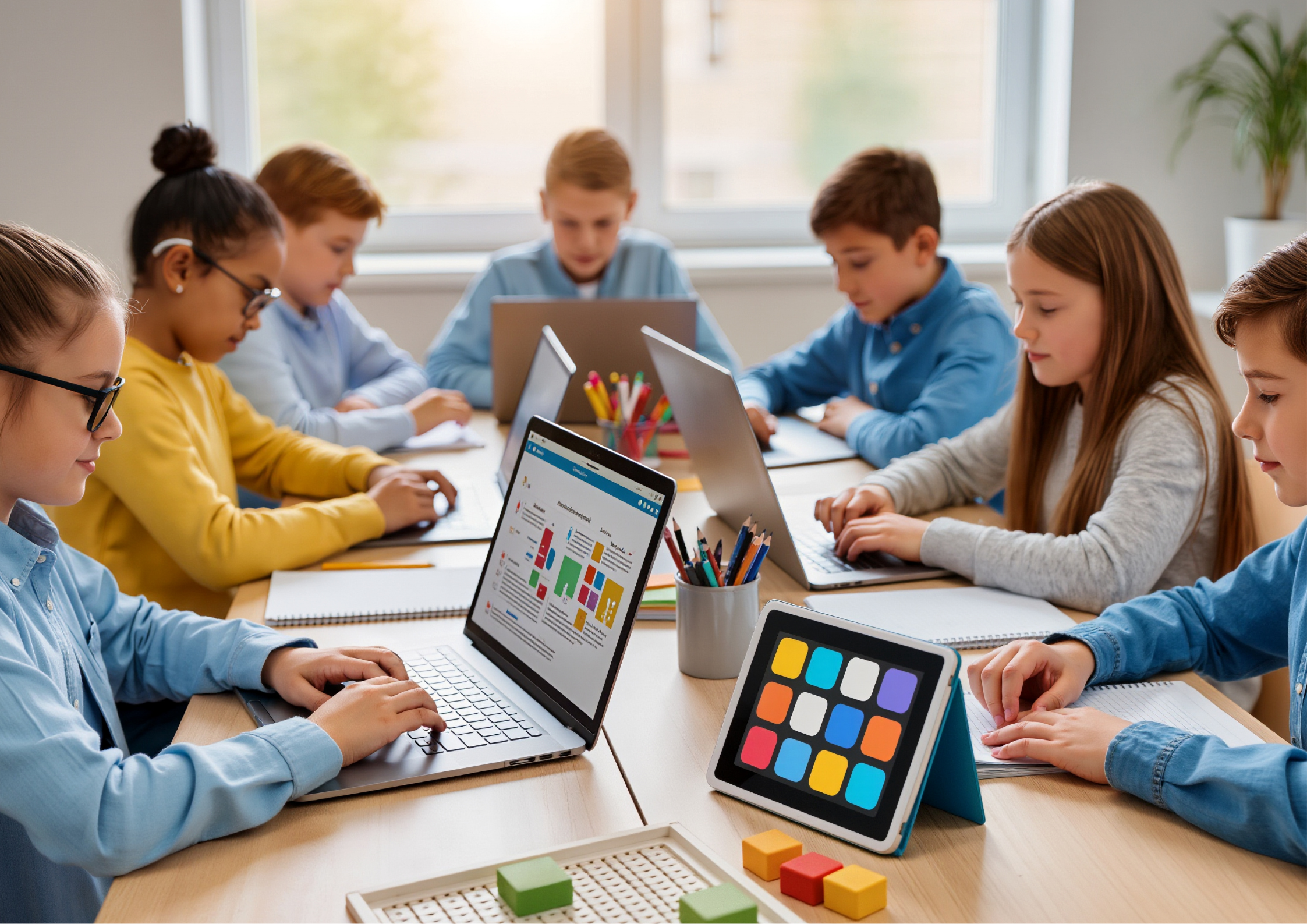
AI education helps young learners develop essential future-ready skills such as:
-
Logical reasoning
-
Problem-solving
-
Digital literacy
-
Collaboration
-
Ethical decision-making
These skills are valuable across all professions, not just technology fields.
Common Misconceptions About AI for Youth
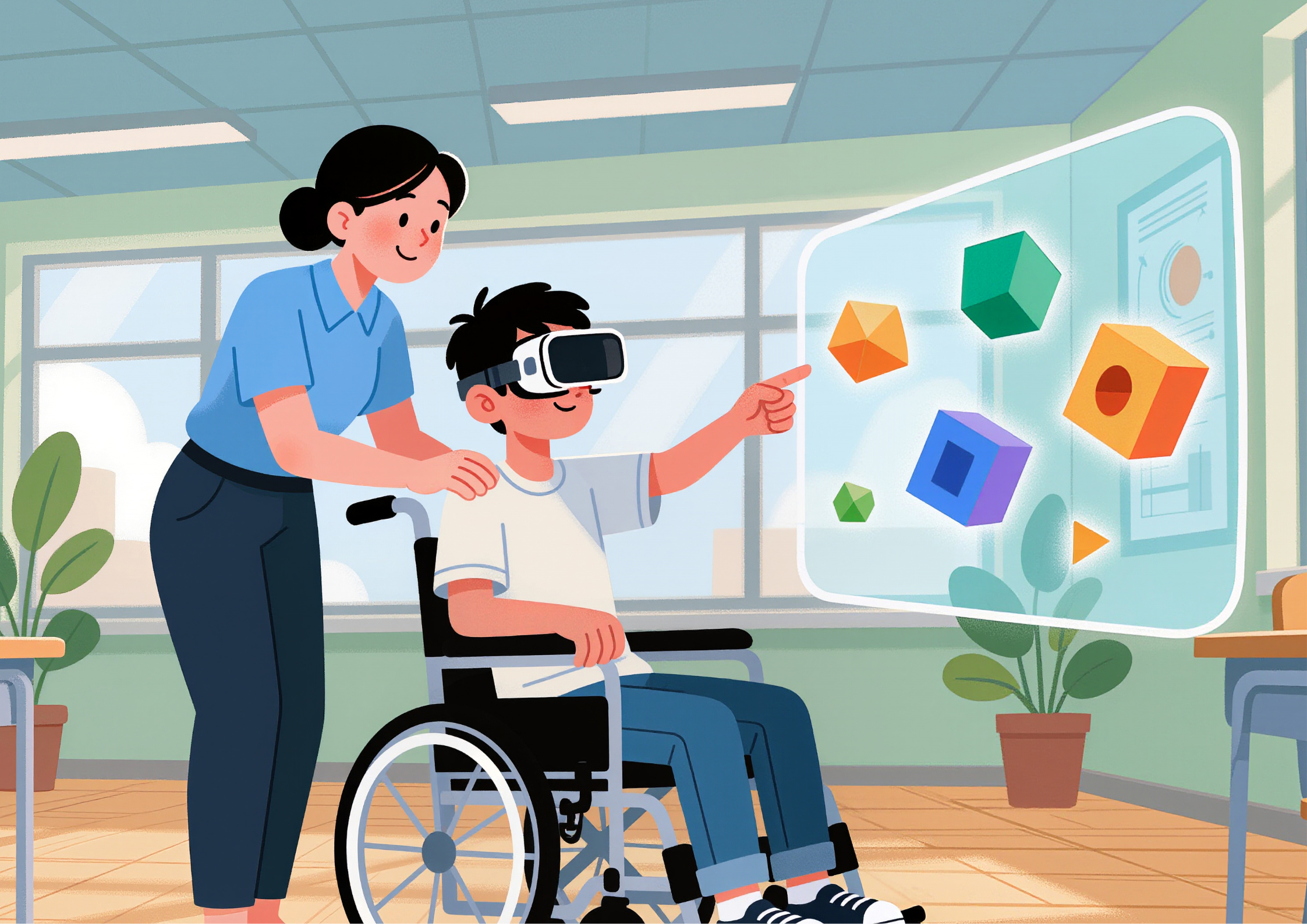
❌ “AI is too complex for young students”
✔ AI concepts can be taught in simple, engaging ways using real-life examples.
❌ “AI will replace human intelligence”
✔ AI supports human intelligence; it does not replace creativity or emotions.
❌ “Only technical students need AI education”
✔ AI benefits students from all academic backgrounds.
Role of Schools and Parents in AI Education
Role of Schools
-
Introduce AI concepts gradually
-
Integrate AI with existing subjects
-
Focus on ethics and responsibility
-
Encourage project-based learning
Role of Parents
-
Encourage curiosity about technology
-
Monitor healthy screen time
-
Promote ethical use of AI tools
-
Support learning beyond textbooks
A balanced approach ensures AI becomes a learning aid, not a distraction.
Challenges in Teaching AI to Youth
Some challenges include:
-
Lack of trained educators
-
Over-dependence on technology
-
Digital accessibility issues
-
Need for age-appropriate content
These challenges can be managed with structured planning and responsible implementation.
Why AI for Youth Is the Future of Education

AI literacy will soon be as important as reading and writing. Youth who understand AI will be better prepared to:
-
Adapt to future careers
-
Make informed decisions
-
Use technology ethically
-
Compete globally
AI for youth empowers students to become creators and problem-solvers rather than passive users of technology.
Conclusion
AI for youth is not about replacing traditional education but enhancing it. By introducing artificial intelligence thoughtfully, schools can prepare young minds for a rapidly evolving world. When combined with strong values, creativity, and guidance, AI becomes a powerful tool for learning and growth.
Empowering youth with AI knowledge today ensures they are confident, capable, and responsible leaders of tomorrow.
FAQs: AI for Youth
What does AI for youth mean?
AI for youth focuses on teaching young learners how artificial intelligence works and how to use it responsibly.
At what age should students learn about AI?
Basic AI awareness can start in primary school with age-appropriate concepts.
Is AI education only about coding?
No, AI education also includes problem-solving, ethics, creativity, and critical thinking.
Can AI help students learn better?
Yes, AI-based tools can personalize learning and improve understanding.
Is AI safe for young learners?
Yes, when used responsibly with proper guidance and balanced screen time.