


Artificial Intelligence (AI) has rapidly transformed from a futuristic concept into a vital part of our everyday lives. From healthcare to finance, and from smart classrooms to entertainment, AI is everywhere. But as powerful as it is, AI needs to be handled responsibly. That’s where responsible AI education comes in—teaching students not just how to use AI, but also how to understand its ethical, social, and professional implications.
This blog explores how responsible AI in education is shaping the next generation, preparing them for successful careers, and ensuring they grow into not just skilled professionals, but also responsible global citizens.
Why Responsible AI in Education Matters
Responsible AI education ensures that students don’t just learn coding, data science, or machine learning—they also understand the social, ethical, and human impacts of AI. Imagine a student who can design a cutting-edge AI tool, but lacks awareness of data privacy or bias in algorithms. That’s where responsibility comes into play.
According to a World Economic Forum report, AI is expected to create 97 million new jobs globally by 2025. However, these jobs demand not only technical skills but also ethical decision-making, teamwork, and adaptability. Responsible AI in education builds exactly that mindset.
AI in Indian Classrooms: The Current Landscape
In recent years, AI in Indian education has seen tremendous growth. The Central Board of Secondary Education (CBSE) has already introduced AI as a skill subject in schools. Private schools in cities like Delhi, Mumbai, and Bengaluru are conducting AI workshops to help students understand automation, robotics, and machine learning from an early age.
Here’s what’s happening in classrooms:
-
AI integrated subjects: Schools are teaching AI alongside traditional STEM subjects.
-
Practical learning labs: Students get hands-on experience with AI tools like Python, TensorFlow, and robotics kits.
-
Ethical training: Teachers emphasize fairness, transparency, and accountability when using AI tools.
This structured approach ensures that discipline in schools isn’t just about rules—it’s about shaping responsible digital citizens who can navigate AI-driven workplaces.
Key Benefits of Responsible AI In Education
1. Future-Ready Skills
AI is everywhere—whether it’s self-driving cars, healthcare diagnosis, or even mobile apps. Students trained in AI concepts today will naturally have an advantage in tomorrow’s job market.
2. Ethical Awareness
AI isn’t just about machines—it impacts people. Responsible AI in education encourages students to think critically about data usage, privacy, and inclusivity.
3. Bridging the Skill Gap
India produces millions of graduates each year, but many lack the skills demanded by modern industries. Integrating AI training with an inductive method of teaching (from examples to concepts) helps bridge this gap.
4. Interdisciplinary Knowledge
Responsible AI in education combines coding, mathematics, psychology, ethics, and even philosophy. This prepares students to approach problems from multiple angles.
5. Global Career Opportunities
AI professionals are in high demand worldwide. Students exposed to AI early in their academic life are better positioned to compete internationally.
The Role of Teachers in Responsible AI In Education
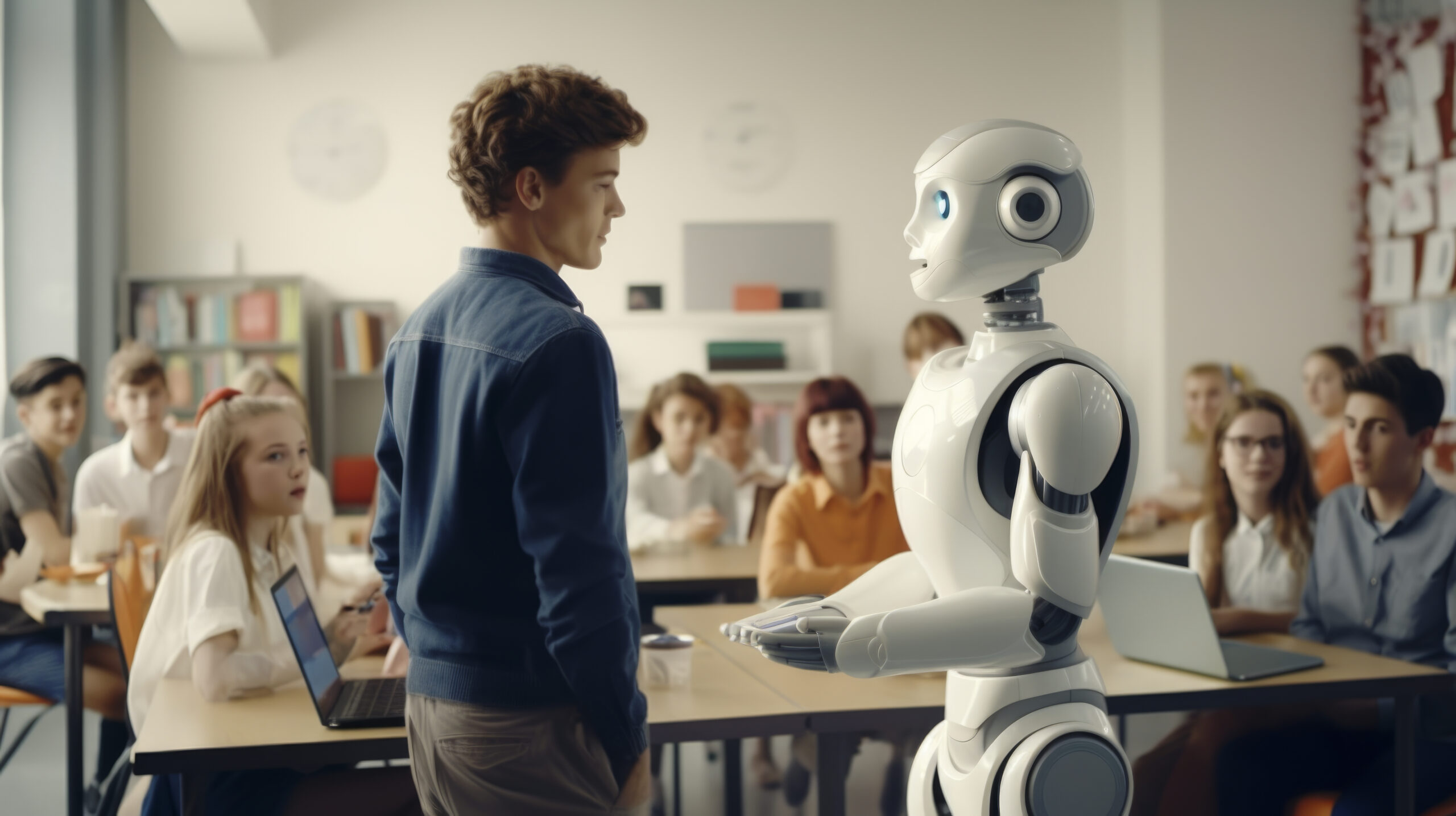
Teachers play a crucial role in ensuring AI learning is not just about technology but also about humanity. Here’s how they contribute:
-
Encouraging curiosity: Teachers introduce AI concepts through real-world examples like chatbots or voice assistants.
-
Promoting ethics: Students are taught why fairness and unbiased AI models matter.
-
Blending methods: Using traditional teaching with new approaches like project-based learning keeps students engaged.
For instance, a teacher could ask students to design an AI chatbot but also highlight how to prevent it from spreading misinformation. This balance prepares students to use AI responsibly in professional settings.
Career Opportunities in AI for the Next Generation
AI is no longer limited to IT jobs—it is now integrated across industries. Here are some growing AI-driven careers:
-
AI Engineers & Data Scientists – Designing algorithms and managing big data.
-
Healthcare AI Specialists – Using AI for disease prediction and drug discovery.
-
AI in Finance – Fraud detection, risk analysis, and customer personalization.
-
AI in Education – Building intelligent learning platforms and assessment tools.
-
Ethics and Policy Experts – Ensuring responsible use of AI in businesses.
With India aiming to become a $1 trillion digital economy by 2028, students trained in AI will have immense opportunities, both locally and globally.
Conclusion
As the world becomes more dependent on AI, students must be equipped not just with technical knowledge but with the wisdom to use AI responsibly. Whether in boarding schools in India or regular day schools, integrating AI in education ensures students are future-ready, ethical, and innovative.
Responsible AI in education is not about learning machines alone—it’s about shaping human values that guide technology for good. By preparing students today, we are building a smarter, fairer, and more sustainable tomorrow.
Frequently Asked Questions (FAQs)
1. What is responsible AI in education?
Responsible AI in education means teaching students not just technical AI skills, but also the ethical and social implications of AI technologies.
2. Why is AI in Indian schools important?
It ensures students are ready for future careers by combining technical skills with ethical awareness and problem-solving abilities.
3. How does AI in education help students?
AI makes learning personalized, engaging, and relevant to real-world challenges, preparing students for the digital economy.
4. Will AI replace teachers in the future?
No. AI will support teachers by automating tasks, but human mentorship and emotional intelligence cannot be replaced.
5. How does AI promote discipline in schools?
Working on AI projects requires systematic planning, teamwork, and accountability, indirectly fostering discipline.