The National Education Policy (NEP) 2020 has set the stage for a revolutionary change in how India approaches schooling. Among its many forward-thinking reforms, one idea stands out as both exciting and transformative—Art-Integrated Learning. Far more than simply adding drawing or music to lessons, art integration creates a vibrant connection between creativity and academics.
By blending art with science, mathematics, languages, and social studies, NEP 2020 aims to make education more personalized and creative, giving every student the chance to learn in a way that resonates with their natural curiosity.
What is Art-Integrated Learning?
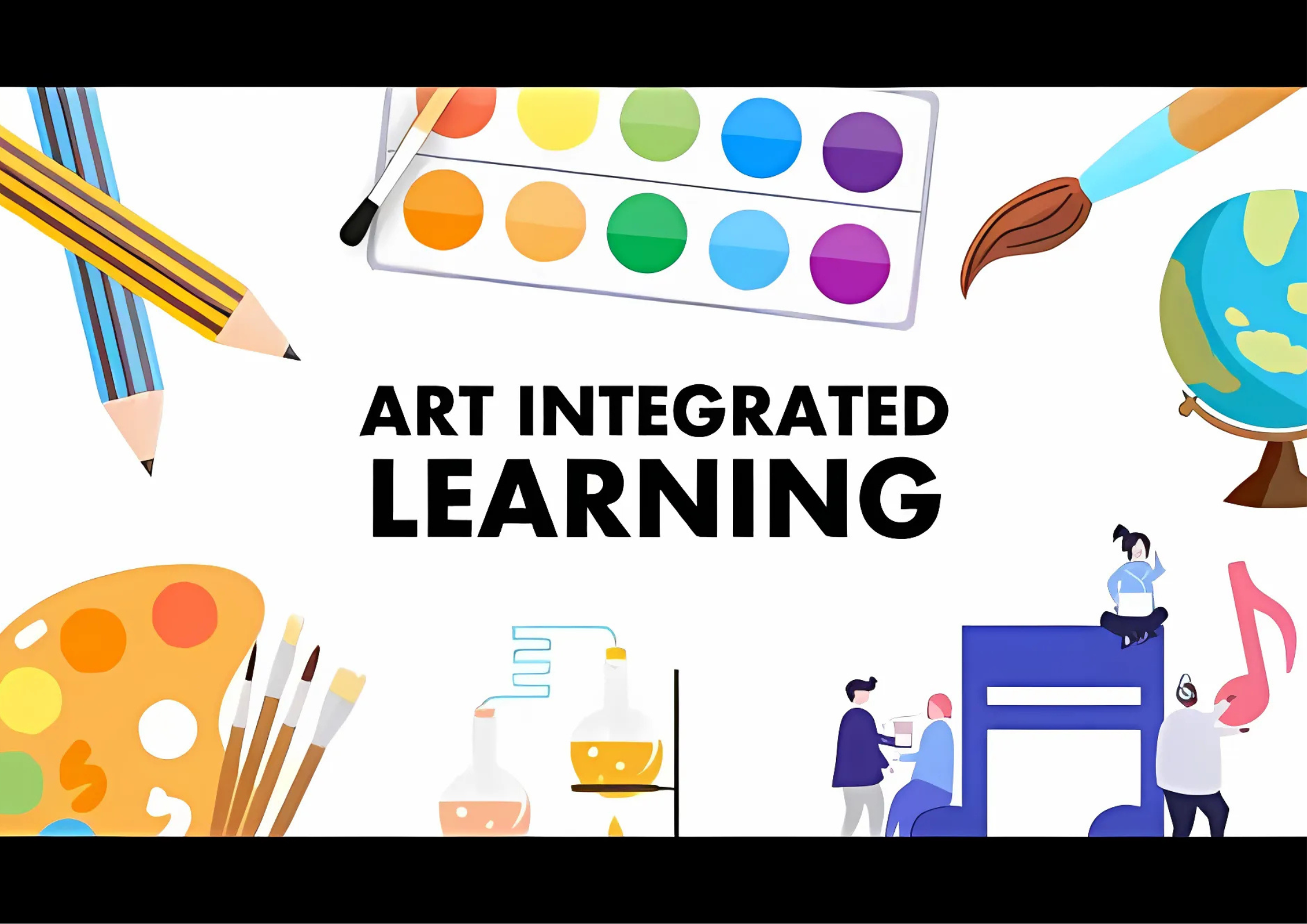
Art-Integrated Learning (AIL) is an approach that uses various art forms—visual arts, music, dance, drama, crafts—as tools for teaching and learning. Instead of treating art as a separate subject, it becomes a medium to explore concepts across the curriculum.
For example:
-
Students can learn geometry through rangoli patterns.
-
Historical events can be explored through plays or storytelling.
-
Environmental science can be understood through nature-inspired art projects.
This method shifts education from rote memorization to experiential understanding, encouraging students to discover, create, and reflect.
Why NEP 2020 Promotes Art-Integrated Learning
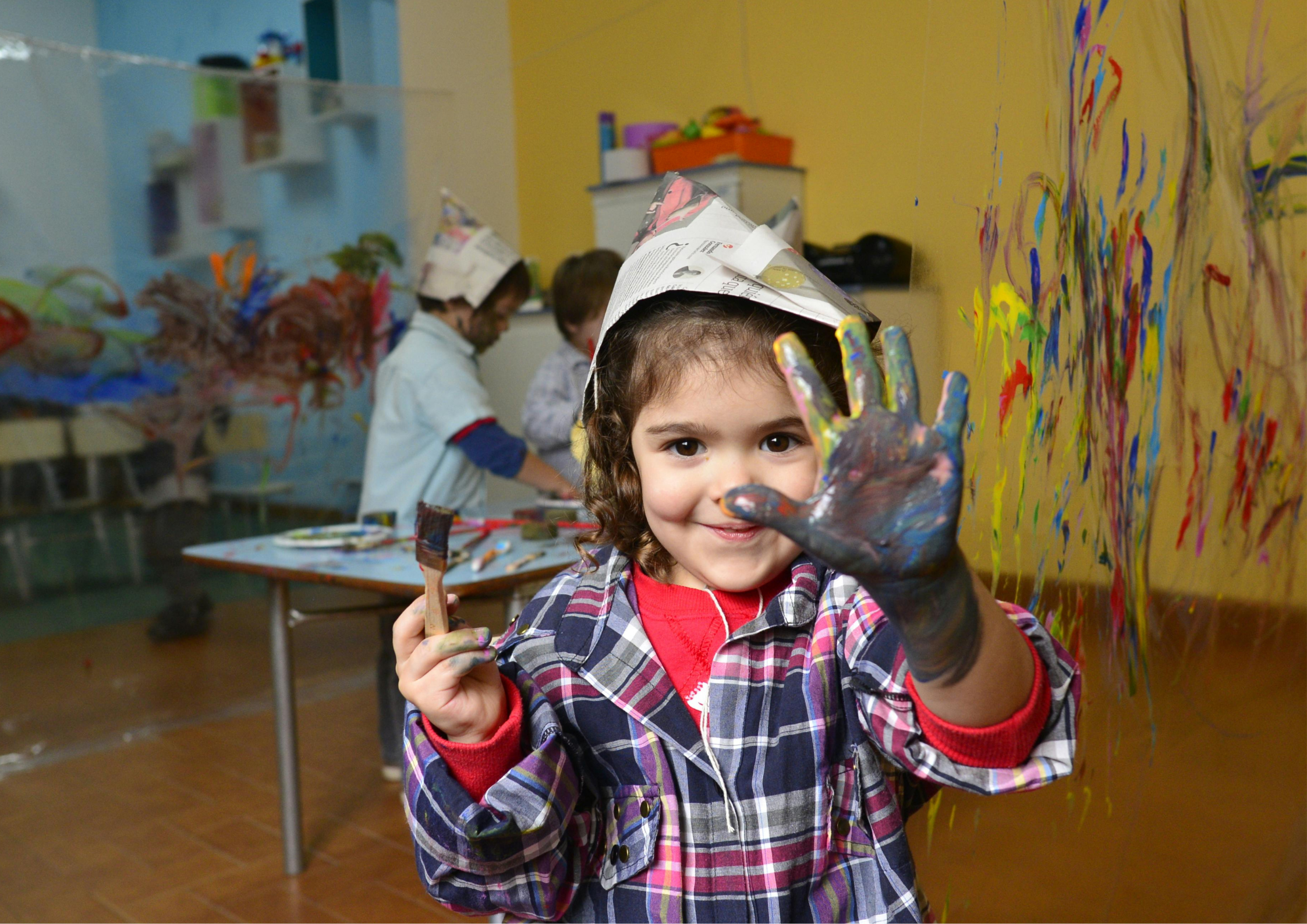
NEP 2020 recognizes that education is not just about passing exams; it is about nurturing well-rounded individuals. The policy emphasizes:
-
Holistic Development: Art cultivates emotional intelligence, empathy, and critical thinking.
-
Multidisciplinary Learning: Integrating art with core subjects makes lessons memorable and meaningful.
-
Personalized Education: Different art forms appeal to different learners, allowing students to learn in ways that suit their strengths.
-
Cultural Awareness: AIL celebrates India’s rich heritage by exposing students to local crafts, folk art, and regional traditions.
This vision transforms classrooms into spaces where creativity and academics coexist seamlessly.
Key Features of Art-Integrated Learning in NEP 2020
1. Experiential Learning
AIL ensures students learn by doing. Activities like drama, music, and painting are not extracurricular add-ons—they are central to the lesson itself.
2. Cross-Curricular Connections
Science, math, and languages are taught through art forms. For example, students might write a poem about climate change in an environmental science lesson or use dance to explain the water cycle.
3. Inclusive Education
Art allows children of diverse abilities and backgrounds to express themselves, making classrooms more inclusive and welcoming.
4. Skill Development
Art-Integrated Learning builds communication skills, teamwork, problem-solving, and innovation—skills that are essential for the 21st century.
5. Connection to Culture
By including local art and folk traditions, NEP 2020 ensures that students stay connected to their roots while gaining global awareness.
Benefits of Art-Integrated Learning
Improves Understanding and Retention
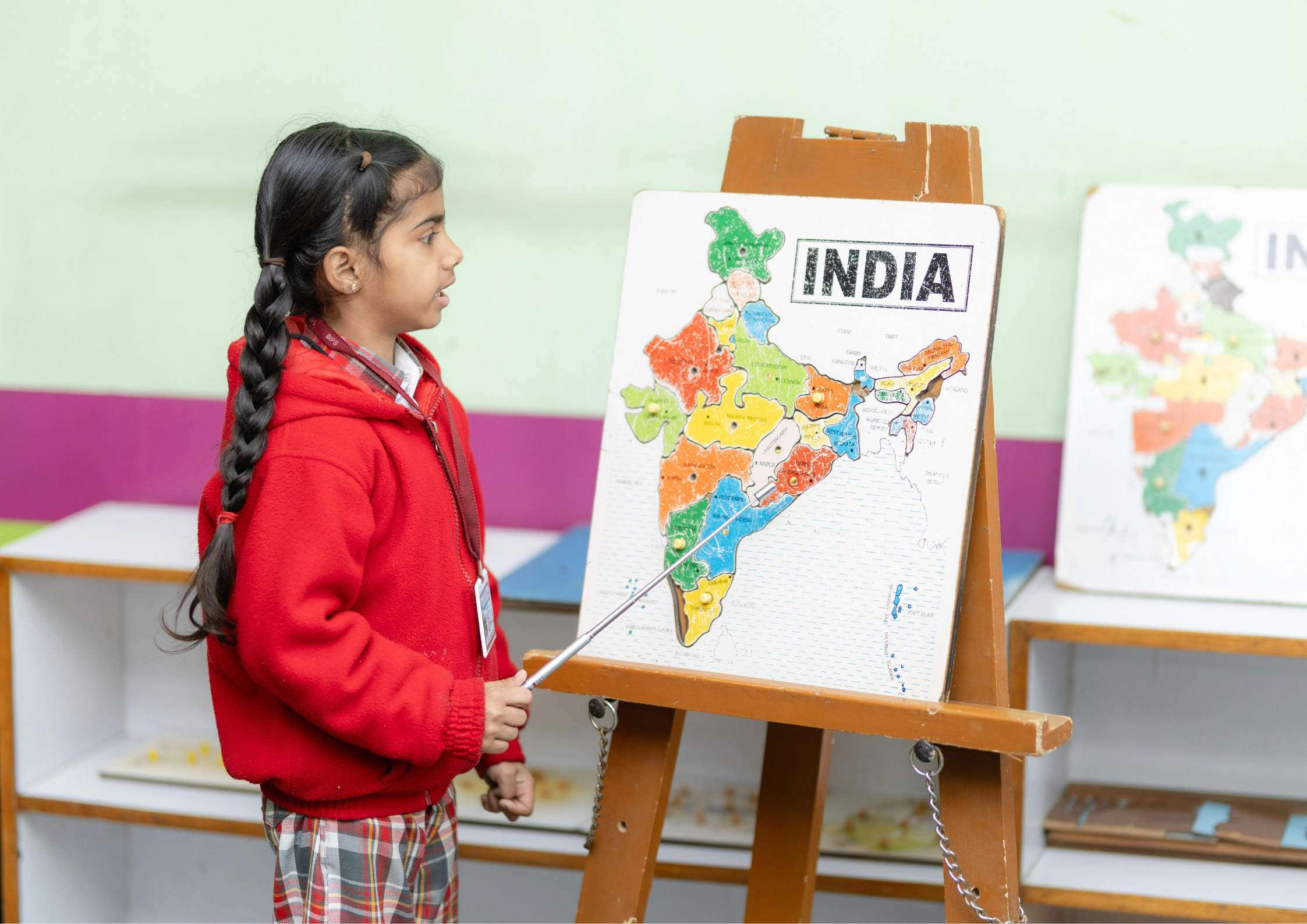
When students paint a historical scene or create a musical representation of a science concept, they engage multiple senses. This multi-sensory approach helps retain knowledge for a longer time.
Encourages Creativity and Critical Thinking
Art demands imagination and analysis. By designing a project or composing a story, students learn to think critically and find unique solutions.
Boosts Emotional Intelligence
Art provides a safe space for self-expression. Students develop empathy, self-awareness, and resilience, which are vital for personal growth.
Builds Confidence and Communication Skills
Performing in a play, presenting a piece of artwork, or explaining a project enhances public speaking and self-confidence.
Makes Learning Joyful
Perhaps most importantly, AIL makes learning fun and meaningful, reducing exam-related stress and encouraging lifelong curiosity.
Practical Examples of Art-Integrated Learning
-
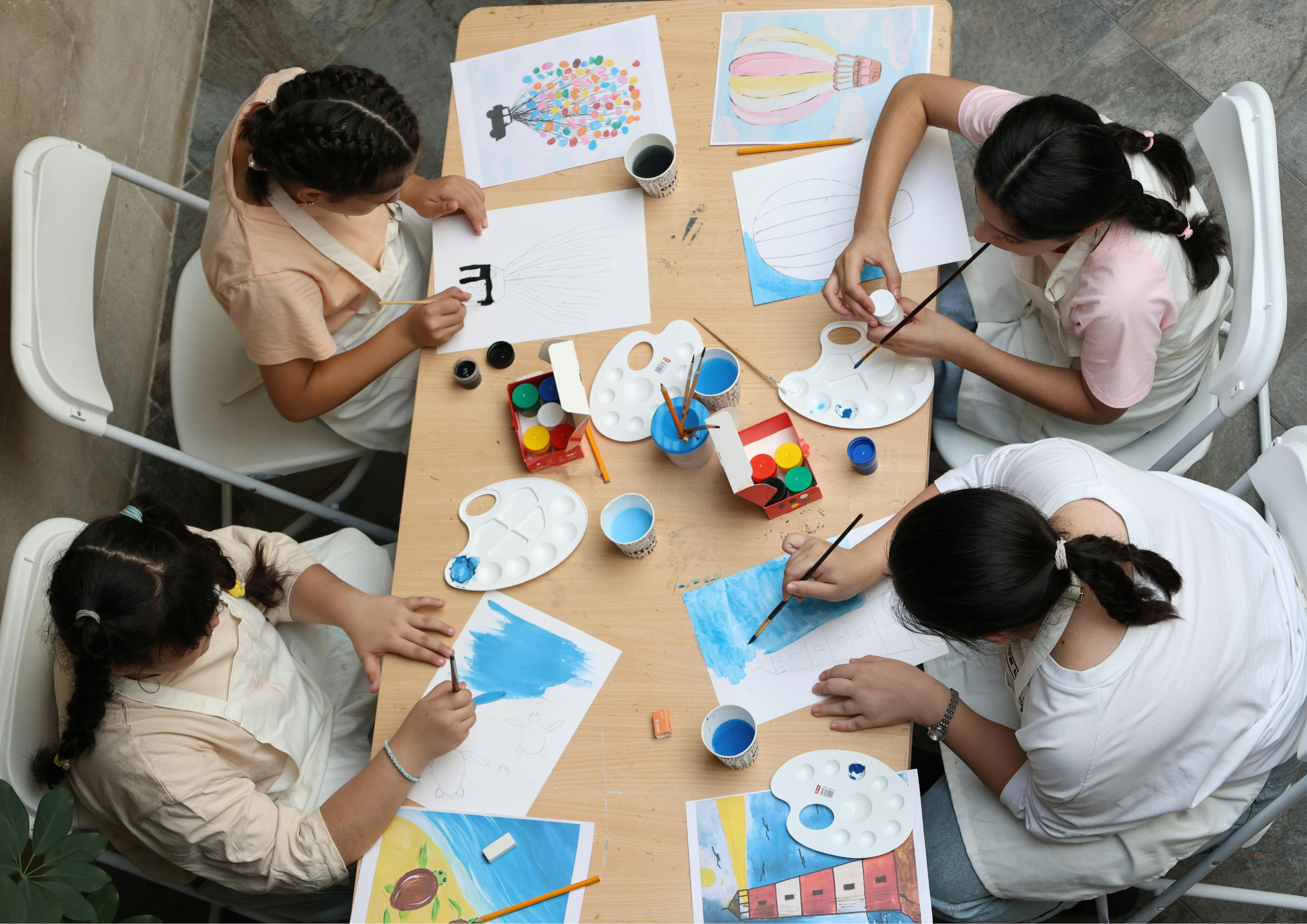
Mathematics through Mandala Art: Teaching symmetry, patterns, and geometry using traditional Indian mandala designs.
-
History through Role-Play: Enacting freedom movement events to understand historical perspectives.
-
Science through Music: Creating songs about the solar system or photosynthesis.
-
Languages through Storytelling: Using puppetry or theatre to build vocabulary and comprehension.
-
Environmental Studies through Crafts: Building models from recycled materials to study ecosystems.
These examples show how art transforms abstract ideas into tangible, memorable experiences.
Role of Teachers and Schools
Teachers as Facilitators
In Art-Integrated Learning, teachers guide rather than dictate. They design activities that spark curiosity, encourage collaboration, and connect art with academic content.
Schools as Creative Hubs
A school in India can greatly benefit from creating environments that support art integration—dedicated art rooms, music spaces, and outdoor activity areas. Equally important is training teachers in creative pedagogy to foster holistic student development.
Overcoming Challenges
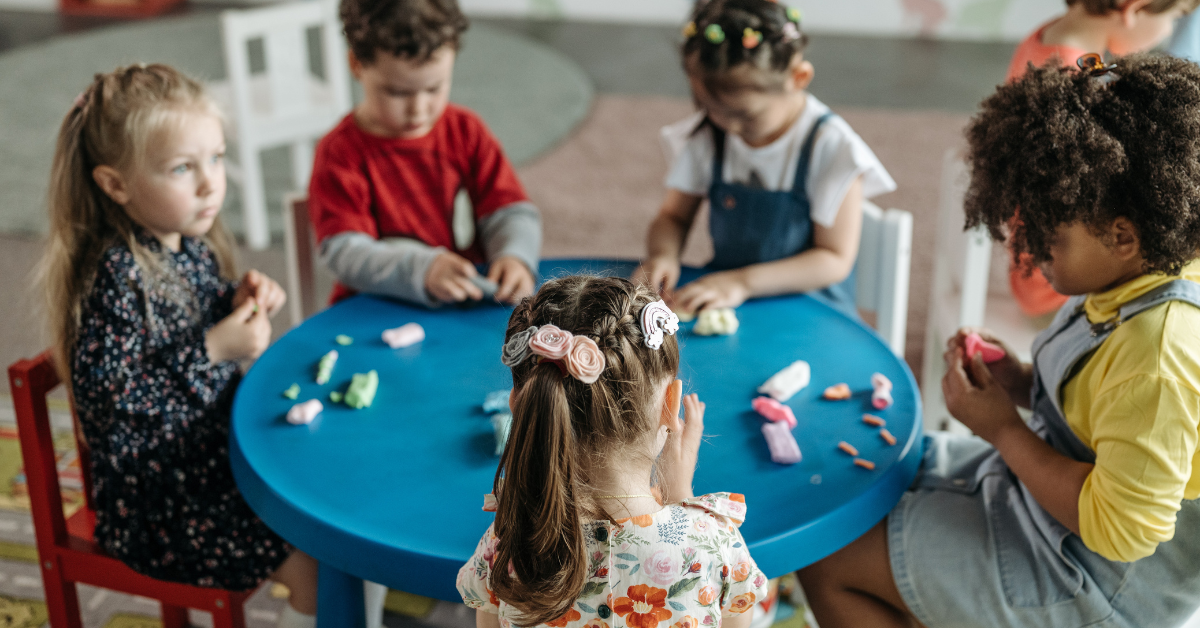
Implementing AIL can face hurdles such as limited resources, lack of teacher training, and resistance to change. To overcome these:
-
Provide teacher training workshops on art-based teaching methods.
-
Encourage partnerships with local artists and cultural groups.
-
Integrate art projects into the existing curriculum to avoid extra workload.
These steps ensure that AIL is sustainable and impactful.
The Future of Art-Integrated Education in India
As NEP 2020 is implemented nationwide, Art-Integrated Learning has the potential to redefine Indian education. It bridges the gap between tradition and innovation, preparing students for careers that value creativity, critical thinking, and cultural awareness.
In a world where automation and artificial intelligence are rapidly changing the job market, these human-centered skills are more valuable than ever.
Conclusion: A Path to Personalized and Creative Education
Art-Integrated Learning is more than a teaching method; it is a philosophy of education that values creativity as much as knowledge. By making lessons interactive, culturally rich, and emotionally engaging, NEP 2020 brings education closer to the way children naturally learn—through exploration and imagination.
As schools adopt this approach, students will not only excel academically but also grow into empathetic, creative, and confident individuals ready to meet the challenges of tomorrow.
Frequently asked questions (FAQ)
Q1. What is Art-Integrated Learning under NEP 2020?
It is an approach where art forms such as music, drama, painting, and crafts are integrated into regular subjects to make learning more interactive and meaningful.
Q2. How does Art-Integrated Learning benefit students?
It improves retention, boosts creativity, enhances emotional intelligence, and makes learning joyful and personalized.
Q3. Can Art-Integrated Learning be applied to all subjects?
Yes. From mathematics to languages and science, every subject can incorporate art-based activities for better understanding.
Q4. What challenges do schools face in implementing AIL?
The main challenges include lack of teacher training, limited resources, and the need to redesign traditional teaching methods.
Q5. How can technology support Art-Integrated Learning?
Digital tools like virtual museums, music composition apps, and interactive storytelling platforms make art-based education more accessible and engaging.