


Sending your child to boarding school is a big decision that can bring lifelong benefits if handled with care. As exciting as it is, boarding school life brings new challenges—independence, routines, friendships, and responsibilities. For many families, a boarding school in India offers holistic development, but the key to a successful journey lies in how well-prepared your child is before stepping onto campus.
With early preparation, students don’t just survive in this environment—they thrive. From emotional growth to time management, this blog walks you through five lasting benefits of preparing your child for the unique world of boarding school.
This blog explores the five most powerful, lasting benefits of preparing your child for boarding school life.
1. Emotional Maturity and Independence
One of the most important outcomes of preparation is emotional development. Moving away from the safety of home can be a jarring experience, but when students are gradually introduced to the idea of independence, they handle the change with greater emotional balance.
By preparing your child early through open discussions, exposure to short-term camps, or independent tasks at home, they start building resilience. They learn how to self-regulate emotions, solve small problems on their own, and understand the importance of personal responsibility.
2. Social Adaptability and Interpersonal Skills
Boarding schools emphasize group living. Students share dorms, dine together, and collaborate on various activities. This kind of environment demands strong social adaptability. Children who have had prior experiences with group activities, such as sports, clubs, or residential camps, generally show more confidence in new social environments.
Preparation plays a key role in equipping your child with the right mindset for teamwork and empathy. Parents can encourage them to practice active listening, conflict resolution, and respectful communication at home.
3. Time Management and Routine Building

Boarding schools are known for their structured daily routines—from morning wake-up calls and classroom schedules to evening study sessions and bedtime. For children who’ve never followed a fixed routine, this can be a hard adjustment.
Preparing your child at home with a simplified version of the boarding schedule can work wonders. Set fixed times for waking up, studying, meals, and winding down. Teach them to use alarms, create to-do lists, and plan their homework.
By the time they enter boarding school, these habits are already second nature.
4. Academic Self-Reliance
In a boarding school environment, teachers offer guidance, but students are expected to take charge of their own learning. Unlike day schools, where parents often intervene with homework, boarding schools foster a spirit of academic independence.
Start by assigning small tasks that your child can complete without help. Encourage regular reading habits, let them choose books or subjects of interest, and praise their efforts instead of results. Introduce tools like planners, calendars, or study apps to help organize their workload.
5. Openness to New Experiences and Flexibility
One of the most underrated benefits of boarding school life is how it prepares students to adapt to unfamiliar environments. New people, new rules, new routines—boarding life is a constant exercise in adjustment.
When children are prepared for changes through exposure to different places, cultures, or experiences, they become naturally flexible. Let your child participate in travel, family stays outside the home, or multi-lingual environments to develop this adaptability.
It also helps to introduce them to the boarding school culture ahead of time—let them interact with current students, explore the school virtually, or attend orientation events.
How Parents Can Start Preparing Their Child
Here’s a simple action plan to ease your child into boarding school life:
1. Communication is Key
Keep the conversation open. Let your child express their feelings, doubts, and excitement. Validate their emotions and be honest about the changes ahead.
2. Practice Makes Perfect
Start small: Let your child pack their own school bag, make their bed, or manage a checklist. These tasks build confidence and practical skills.
3. Simulate a Boarding Environment
You don’t need a campus to create a routine. A disciplined home routine with set study hours, physical activity, and limited screen time sets the tone for school life.
4. Focus on Self-Care Skills
Teach basics like ironing clothes, keeping their room tidy, grooming, and managing personal belongings. These are essential for independent living.
5. Build Tech and Study Skills
Introduce digital learning tools, online study apps, or e-books to give your child a head start in academic tech use common in boarding schools.
What Makes Boarding School Life Unique
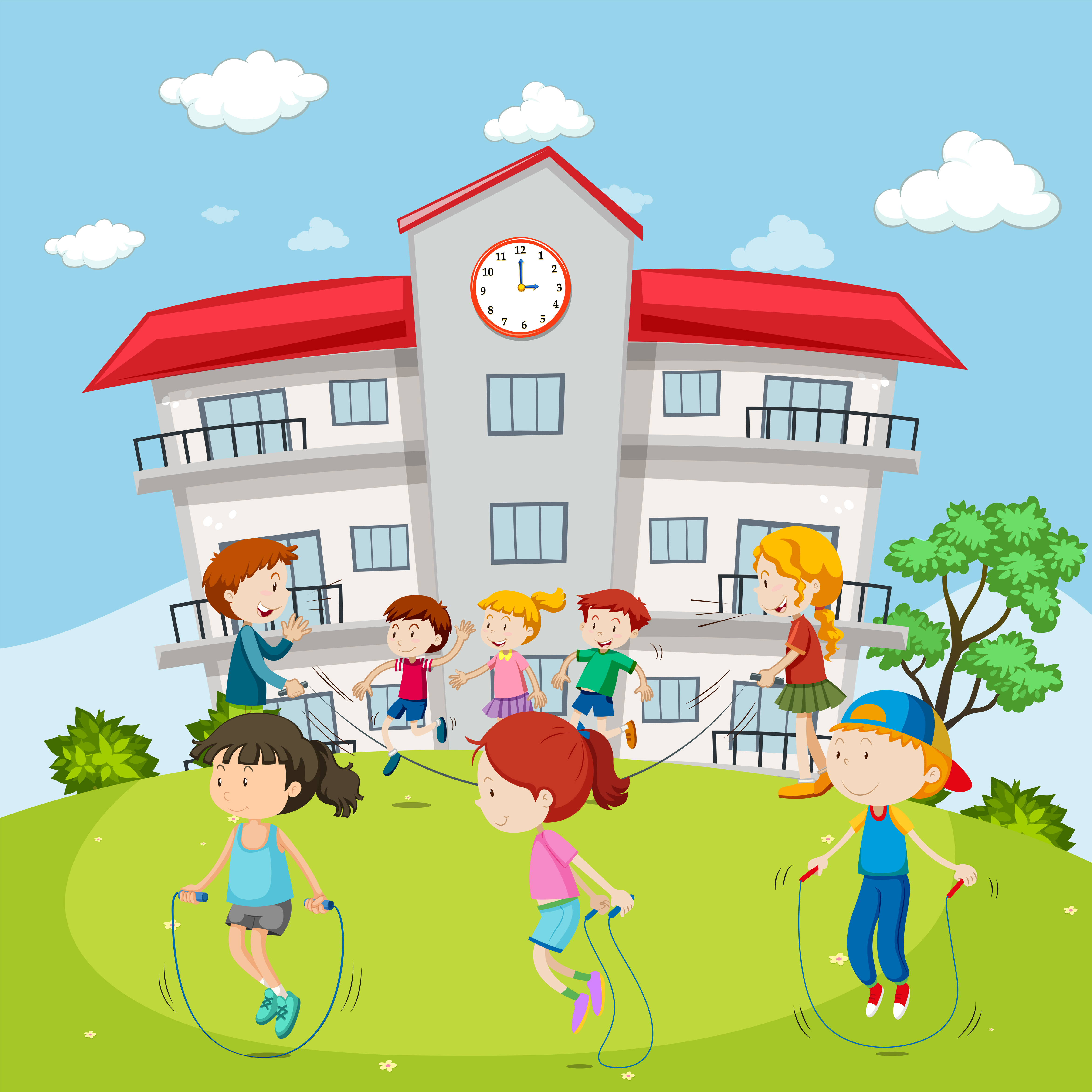
Boarding school isn’t just about academics—it’s a lifestyle. Students live with peers, follow structured schedules, take part in multiple extracurriculars, and often develop a strong sense of discipline, camaraderie, and resilience.
But the adjustment period can vary from child to child. That’s why preparation matters. With the right support, students not only adapt faster but also unlock their full potential sooner.
Conclusion
Preparing your child for boarding school life is not a checklist—it’s a journey of nurturing confidence, independence, and adaptability. As a parent, your involvement before the transition plays a vital role in how successful and enjoyable the experience becomes.
Whether it’s building daily routines, encouraging emotional openness, or nurturing academic independence, every small step counts.
Your child is about to begin a life-changing chapter. Help them walk into it ready—not just with packed bags, but with a prepared heart and mind.
Frequently Asked Questions (FAQs)
Q1. When should I start preparing my child for boarding school?
Ideally, start 6–12 months before enrollment. This gives enough time for emotional readiness and habit-building.
Q2. What are the signs that my child is ready for boarding school?
Confidence in independent tasks, openness to new people, and emotional maturity are key indicators of readiness.
Q3. How do I help my child with homesickness?
Encourage open communication, maintain regular but not excessive contact, and help them build friendships early on.
Q4. Are trial boarding programs helpful?
Yes, short residential camps or weekend stays can help simulate the experience and ease the transition.
Q5. What if my child struggles to adapt initially?
Support them patiently, stay in touch with the school staff, and avoid the urge to immediately intervene unless absolutely necessary.