



When exploring options for your child’s education, the spotlight often shines on academics. But what truly shapes a student’s experience in Boarding Schools in India is the hostel—the place they’ll call home for most of the year. And finding schools with the best hostel facilities can make all the difference.
From the food they eat to the friends they make, the quality of hostel life plays a vital role in their emotional, social, and academic growth. So, what exactly does a great hostel offer? Let’s walk through it together.
A Home Away From Home
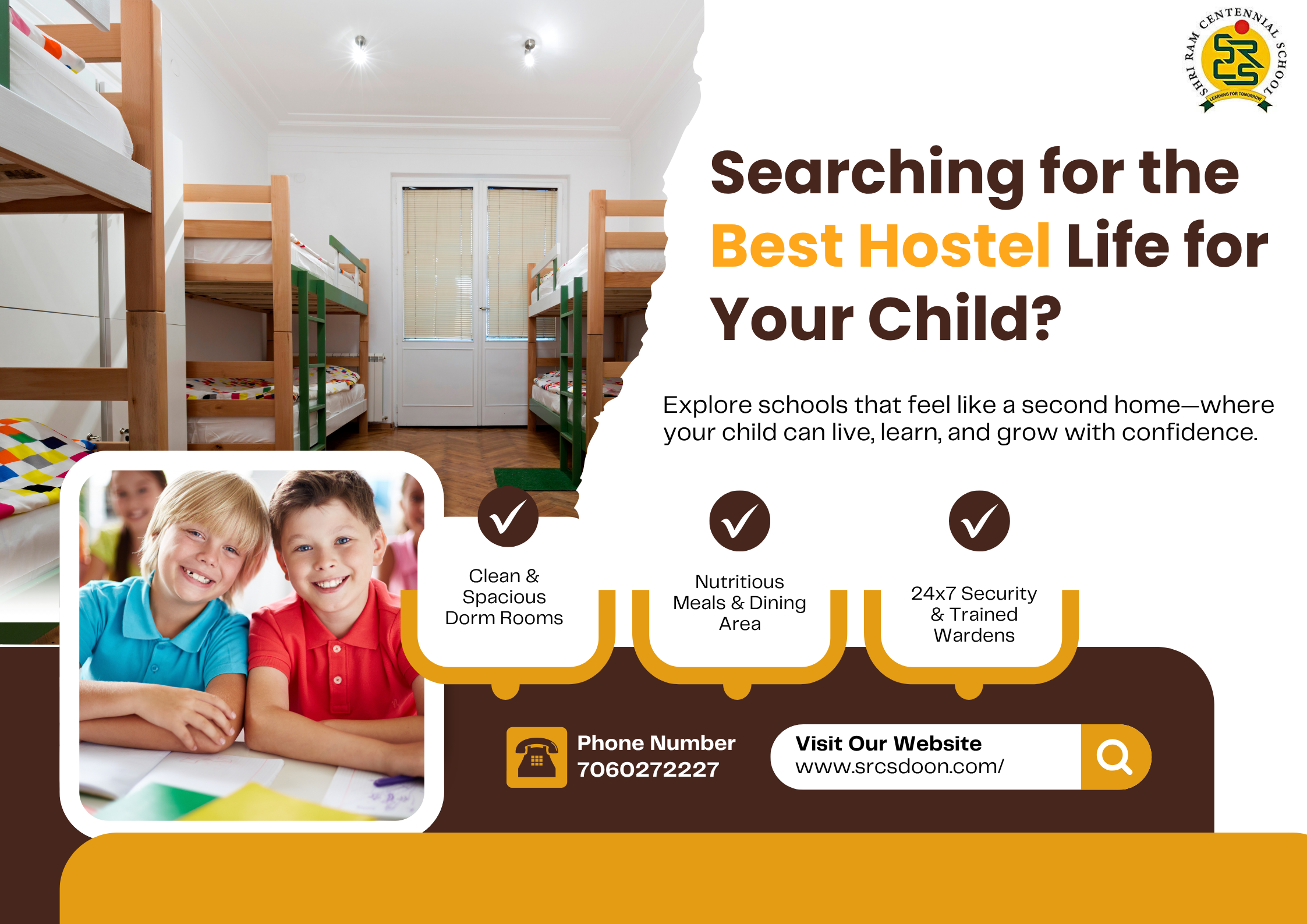
A good hostel doesn’t feel like a dormitory—it feels like a second home. The atmosphere is welcoming, and rooms are thoughtfully designed to offer both comfort and privacy. Think bright, clean spaces with soft bedding, personal storage, and study corners. Some even have reading nooks or quiet zones for relaxation after a busy school day.
The warmth of the hostel environment directly impacts how quickly a child settles in. When students feel at ease, they’re more likely to focus, explore, and grow.
Safety First, Always
Ask any parent what matters most, and you’ll hear it loud and clear: safety. Modern boarding school hostels go the extra mile here. From 24/7 CCTV surveillance and secure entry systems to dedicated wardens living on-site, safety is not just a feature—it’s a priority.
In many schools, wardens play a nurturing, almost parental role. They guide, mentor, and monitor—not in a strict way, but in a supportive, friendly manner that builds trust with students.
Healthy Food, Happy Students

Gone are the days of boring mess food. Today’s best hostels partner with expert nutritionists to craft menus that are both healthy and delicious. From fresh seasonal fruits to diverse regional cuisines, students enjoy variety while getting the nutrition they need for growing bodies and active minds.
Meal times are not just about eating—they’re moments for community bonding. Sitting with friends, chatting over dinner, or celebrating birthdays with special treats—all add flavor to hostel life.
Cleanliness That Feels Like Comfort
Cleanliness isn’t just about hygiene—it’s about mental clarity too. Well-maintained hostels invest in daily housekeeping, clean washrooms, and spotless common areas. Students don’t have to worry about laundry piling up either—most hostels offer regular laundry services so kids can focus on what matters.
A tidy environment promotes calmness, discipline, and responsibility. Plus, it teaches kids to value personal space and shared responsibility.
Round-the-Clock Medical Support
Living away from home means schools must be ready for emergencies. And they are. The best hostels are equipped with 24/7 medical rooms, trained nurses, and tie-ups with nearby hospitals. But that’s not all—many also include regular health checkups and access to mental wellness counselors.
This holistic approach ensures that both physical and emotional health are cared for with equal attention.
Space to Play and Explore
Hostel life isn’t just books and bedtime. Recreation is part of the balance. Whether it’s a game of badminton after dinner, movie nights on weekends, or simply hanging out with friends in the common room—students get to unwind, breathe, and just be kids.
Boarding schools often blend hostel life with access to their sports fields, gyms, and creative spaces like music and art rooms. These little joys fuel big growth.
Emotional Support That Feels Personal
Adjusting to hostel life can take time, and emotional support makes the transition smoother. That’s why the best hostels go beyond academics and hygiene to focus on students’ mental well-being.
New students are often paired with “buddy seniors” who help them adjust, find their way around, and feel included. Counselors are available to lend an ear, and regular group activities help build a sense of belonging.
A Space That Nurtures Skills
After-school hours are rich with opportunity. Many hostels include evening clubs and skill-based programs like debating, coding, gardening, drama, or music. These help students explore interests outside the classroom and discover what truly excites them.
It’s this combination of freedom, structure, and encouragement that brings out hidden talents and sparks passions that last a lifetime.
Parents Stay in the Loop
Hostel life doesn’t mean you’re cut off from your child’s journey. The best schools prioritize transparent communication. Parents receive regular updates on academic progress, behavior, and emotional well-being.
With mobile apps and student portals, some schools offer real-time access to attendance, hostel feedback, or even pictures from weekend activities. Scheduled calls, monthly visits, and open house events make parents feel included, even from afar.
It’s All in the Little Things
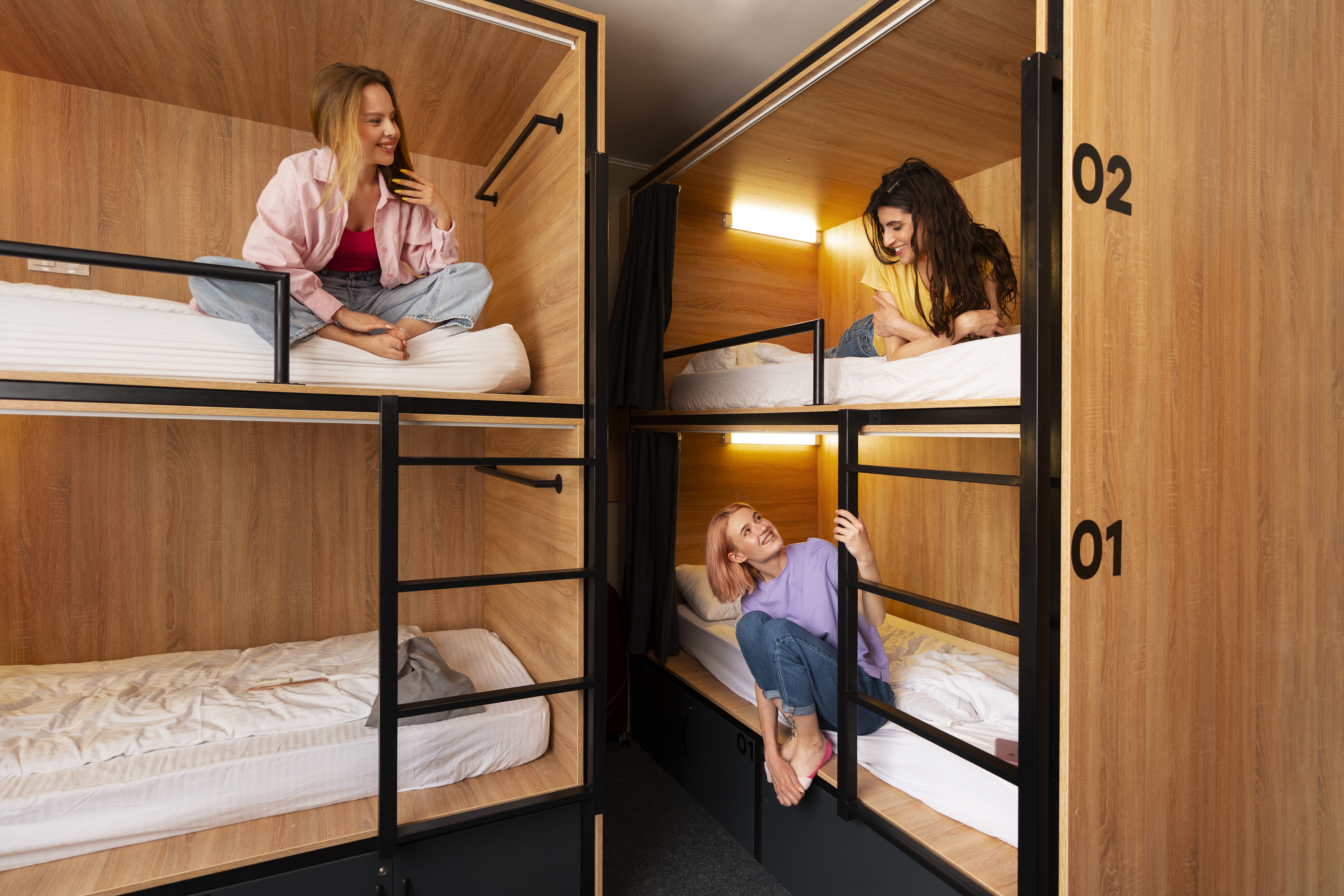
Sometimes, it’s the tiniest details that matter most. The hostel that celebrates birthdays, that allows you to decorate your corner, that hosts friendly inter-house games or evening bonfire chats—these are the places where unforgettable memories are made.
When a child looks back and smiles about hostel life, it’s not just the comfort but the care that made it special.
Conclusion
Choosing the right boarding school involves more than just checking academic rankings. A well-run hostel can make the difference between a student who merely studies and one who truly thrives.
The best hostel facilities nurture independence, teach life skills, and offer a support system that builds resilience and character. So, if you’re exploring options, don’t just ask about marks and medals—ask about rooms, food, care, and connection.
Frequently Asked Questions (FAQs)
1. What should I look for when evaluating hostel facilities?
Look for hygiene, security, emotional support systems, quality food, and medical access. Visit if you can.
2. Are hostel students supervised during study hours?
Yes, most schools have designated supervised study time in the evenings.
3. Can students stay in touch with parents regularly?
Absolutely. Scheduled calls, emails, and even app-based updates are common.
4. What happens if a student feels homesick or anxious?
Support teams including wardens and counselors are trained to help students cope and adjust gradually.
5. Are hostels different for boys and girls?
Yes. Most schools have separate buildings, wardens, and safety protocols for each.