




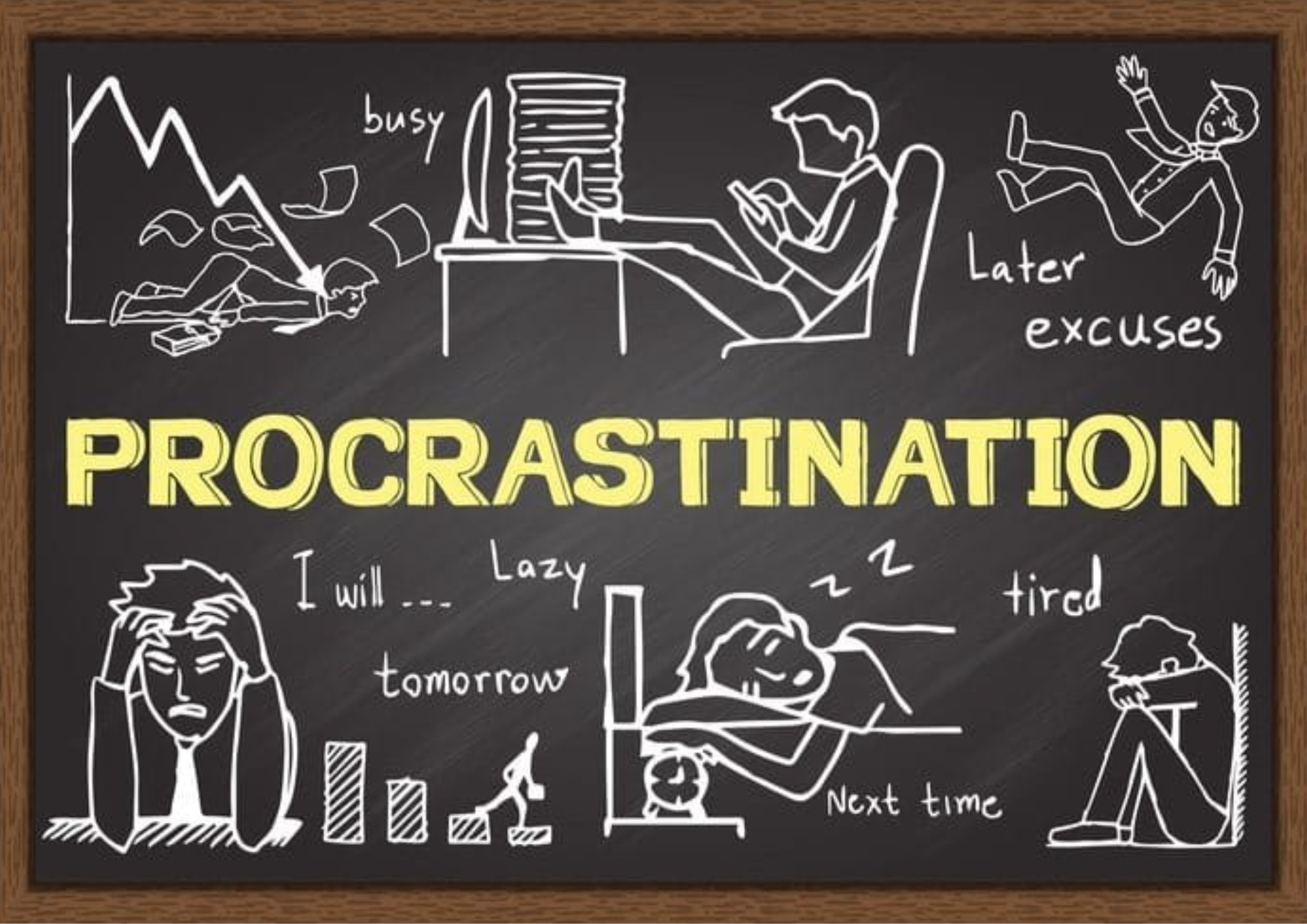
Procrastination is one of the most common challenges faced by students, parents, and educators alike. It rarely begins as laziness. More often, it grows from fear of failure, lack of clarity, mental overload, or pressure to perform well. When tasks pile up, delaying them can feel like temporary relief—but over time, this habit increases stress and reduces confidence.
In academic environments, especially within competitive systems such as a school in india, procrastination can quietly affect performance, mental health, and long-term discipline. The good news is that overcoming procrastination does not require extreme routines or rigid schedules. Small, intentional habits practiced consistently can lead to lasting change.
What Is Procrastination?
For students, procrastination is the habit of putting off study-related tasks such as homework, revision, or project work, even when deadlines are clearly approaching. It often starts with thoughts like “I’ll do it later” or “I still have time,” but slowly turns into stress, rushed preparation, and reduced confidence.
Procrastination is not a sign that a student is lazy or uninterested. In many cases, it happens because the task feels too difficult, boring, or confusing, or because the student feels pressure to perform well. Fear of making mistakes, low motivation, or not knowing where to begin can all lead to delaying work.
When procrastination becomes routine, it affects concentration, sleep patterns, and academic performance. Understanding why students procrastinate helps them take control of their habits and replace last-minute pressure with steady, manageable progress.
Why Procrastination Happens More Than We Realize
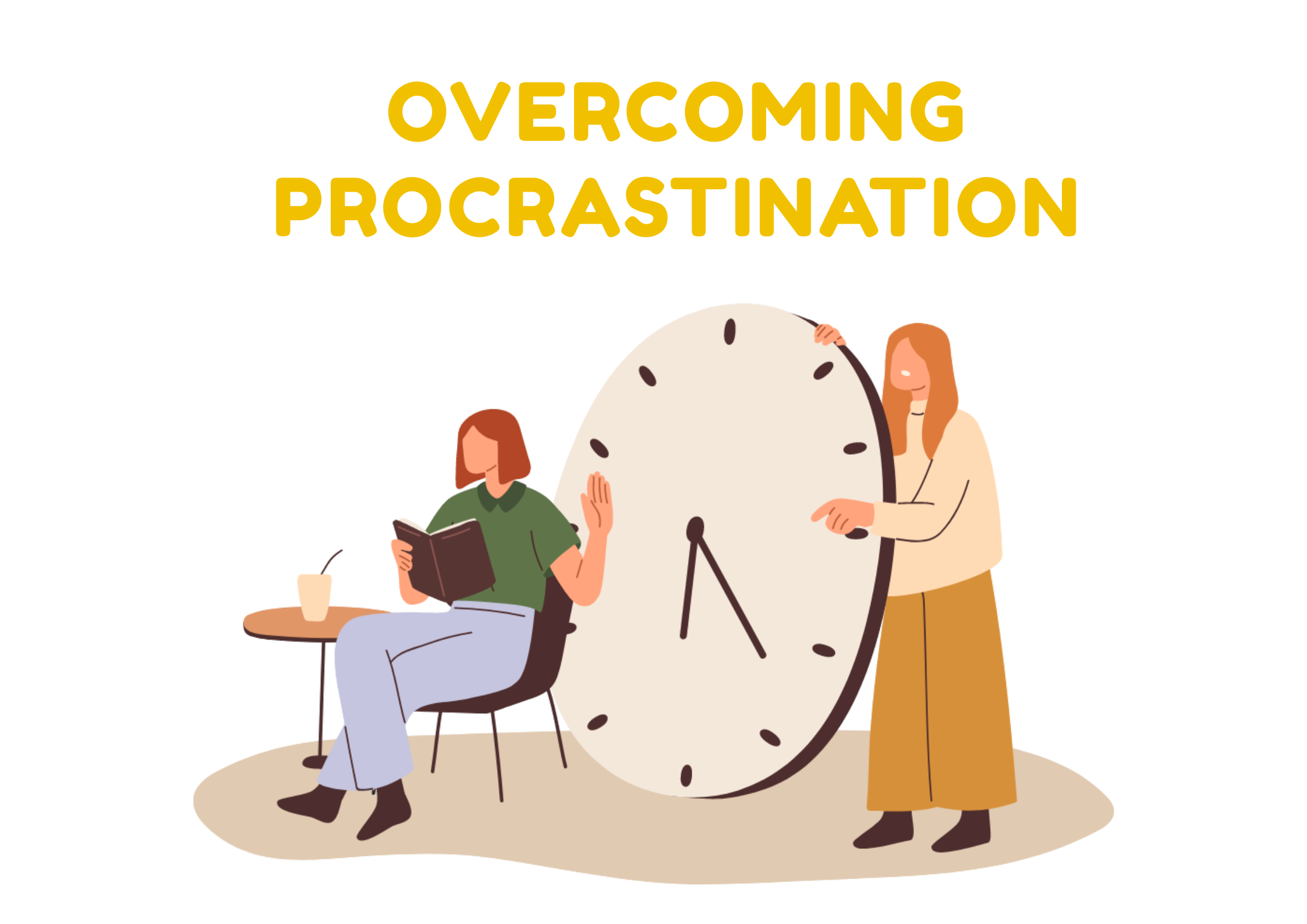
Before fixing procrastination, it is important to understand it. Most people delay tasks not because they are incapable, but because the task feels overwhelming, unclear, or emotionally uncomfortable. For students, procrastination often links with Exam Anxiety for Students, where fear of poor results leads to avoidance rather than preparation.
Recognizing procrastination as a behavioral response—not a character flaw—makes it easier to replace it with healthier habits.
Tip 1: Break Tasks into Clear, Manageable Actions
Why This Works
Large tasks trigger mental resistance. The brain prefers certainty and quick rewards, so unclear goals feel heavy and discouraging. Breaking work into smaller steps reduces mental pressure and creates a sense of control.
How to Apply
Instead of writing “study biology,” divide it into:
-
Review chapter headings
-
Read two pages
-
Write five key points
Each completed step builds momentum.
Benefits
-
Reduces overwhelm
-
Improves task clarity
-
Encourages consistent progress
Common Challenges
Students may still over-plan or hesitate to start. The key is to define actions that can be completed in 15–20 minutes, not perfection.
Tip 2: Set Time Limits Instead of Outcome Pressure

Why This Works
Focusing only on results increases fear of failure. Time-based goals shift attention from performance to effort, which feels safer and more achievable.
How to Apply
Use a fixed time block, such as 25 minutes of focused work followed by a short break. Commit to working only for the time—not to finishing everything.
Benefits
-
Builds consistency
-
Reduces stress
-
Improves attention span
Common Challenges
Distractions can interrupt focus. Keeping phones away and choosing a quiet environment makes this method effective.
Tip 3: Start with the Easiest Task First

Why This Works
Motivation often follows action—not the other way around. Completing a simple task creates a quick sense of achievement, encouraging the brain to continue.
How to Apply
Begin your study session with something light: revising notes, organizing material, or solving easy questions.
Benefits
-
Builds confidence
-
Reduces mental resistance
-
Creates productive flow
Common Challenges
Some learners fear that easy tasks waste time. In reality, they help unlock momentum for harder work later.
Tip 4: Create a Fixed Daily Routine (Not a Strict Schedule)

Why This Works
Routines remove the need to make repeated decisions. When study time becomes a habit, procrastination loses its power.
How to Apply
Choose a consistent time each day for focused work—even if it’s short. The goal is regularity, not duration.
Benefits
-
Strengthens self-discipline
-
Improves time awareness
-
Reduces last-minute stress
Common Challenges
Irregular days can break routines. When that happens, restart the next day without guilt instead of quitting entirely.
Tip 5: Reflect Weekly, Not Constantly
Why This Works
Daily self-criticism increases stress and avoidance. Weekly reflection allows calm evaluation and improvement without pressure.
How to Apply
Once a week, ask:
-
What worked well?
-
What caused delay?
-
What can I adjust next week?
Benefits
-
Builds self-awareness
-
Encourages long-term growth
-
Prevents burnout
Common Challenges
Students may skip reflection when busy. Keeping it short—5 to 10 minutes—is enough to stay consistent.
How These Habits Support Academic and Personal Growth
When practiced regularly, these habits improve more than productivity. They strengthen confidence, reduce anxiety, and help learners manage pressure in a healthier way. Parents and educators can support students by encouraging progress over perfection and effort over results.
Over time, consistent action replaces fear-based delay with calm responsibility—an essential life skill beyond academics.
Final Thoughts: Progress Beats Perfection
Procrastination is not a permanent trait—it is a pattern that can be changed. The key lies in simplicity, patience, and consistency. Small habits practiced daily shape stronger discipline than occasional bursts of motivation.
By understanding why procrastination happens and applying these five practical tips, students can build focus, manage stress, and approach responsibilities with clarity and confidence. Success is not about doing everything at once, but about doing the next small step—today.
Frequently Asked Questions
1. Is procrastination a habit or a psychological issue?
Procrastination is mainly a learned habit influenced by emotions like fear, stress, or lack of clarity. In most cases, it can be corrected with behavioral changes rather than medical treatment.
2. Can procrastination affect long-term academic performance?
Yes, repeated procrastination can lower consistency, increase stress levels, and negatively impact learning outcomes over time, especially during higher classes.
3. At what age should students start managing procrastination?
Students can begin learning anti-procrastination habits as early as middle school, when study responsibility and academic pressure start increasing.
4. Does multitasking increase procrastination?
Multitasking often reduces focus and increases task avoidance. Focusing on one task at a time improves completion speed and mental clarity.
5. How long does it take to overcome procrastination habits?
With consistent effort, small improvements can be seen within 2–3 weeks, while long-term habit change may take a few months.