
The rapid evolution of technology has reshaped how education is delivered and experienced. Classrooms today are no longer limited by walls or textbooks. They are interactive, tech-enabled spaces where learning extends far beyond the physical setting. One powerful approach leading this transformation is Blended Classroom Learning — a model that integrates traditional teaching with digital learning tools to create an enriched and flexible experience.
This method offers the best of both worlds: the personal touch of face-to-face interaction and the convenience of online learning. For students, it’s an opportunity to learn at their own pace while staying connected to teachers and peers. For educators, it’s a chance to create more engaging, data-driven, and inclusive lessons that suit every learner’s style.
What Is Blended Classroom Learning?
Blended classroom learning combines in-person instruction with online educational experiences. Students attend classes physically but also engage in digital activities such as interactive videos, simulations, or online discussions. Unlike purely virtual learning, this approach maintains the essential teacher-student connection while giving learners autonomy and flexibility.
Through this model, students not only absorb knowledge but also develop critical digital literacy skills, preparing them for modern academic and professional environments.
Core Components of Blended Learning

A well-structured blended learning environment includes several interconnected elements that make the learning journey seamless and effective.
1. Classroom Instruction
Face-to-face interaction remains the foundation. Teachers explain concepts, clarify doubts, and create space for collaboration and discussion.
2. Online Learning Platforms
Students access recorded lessons, virtual assignments, and educational apps to extend learning beyond school hours.
3. Self-Paced Learning
Learners can review materials, rewatch lessons, or take practice quizzes at their own pace, reinforcing comprehension and retention.
4. Collaborative Projects
Group tasks—both offline and online—promote teamwork, communication, and critical thinking.
Popular Models of Blended Learning
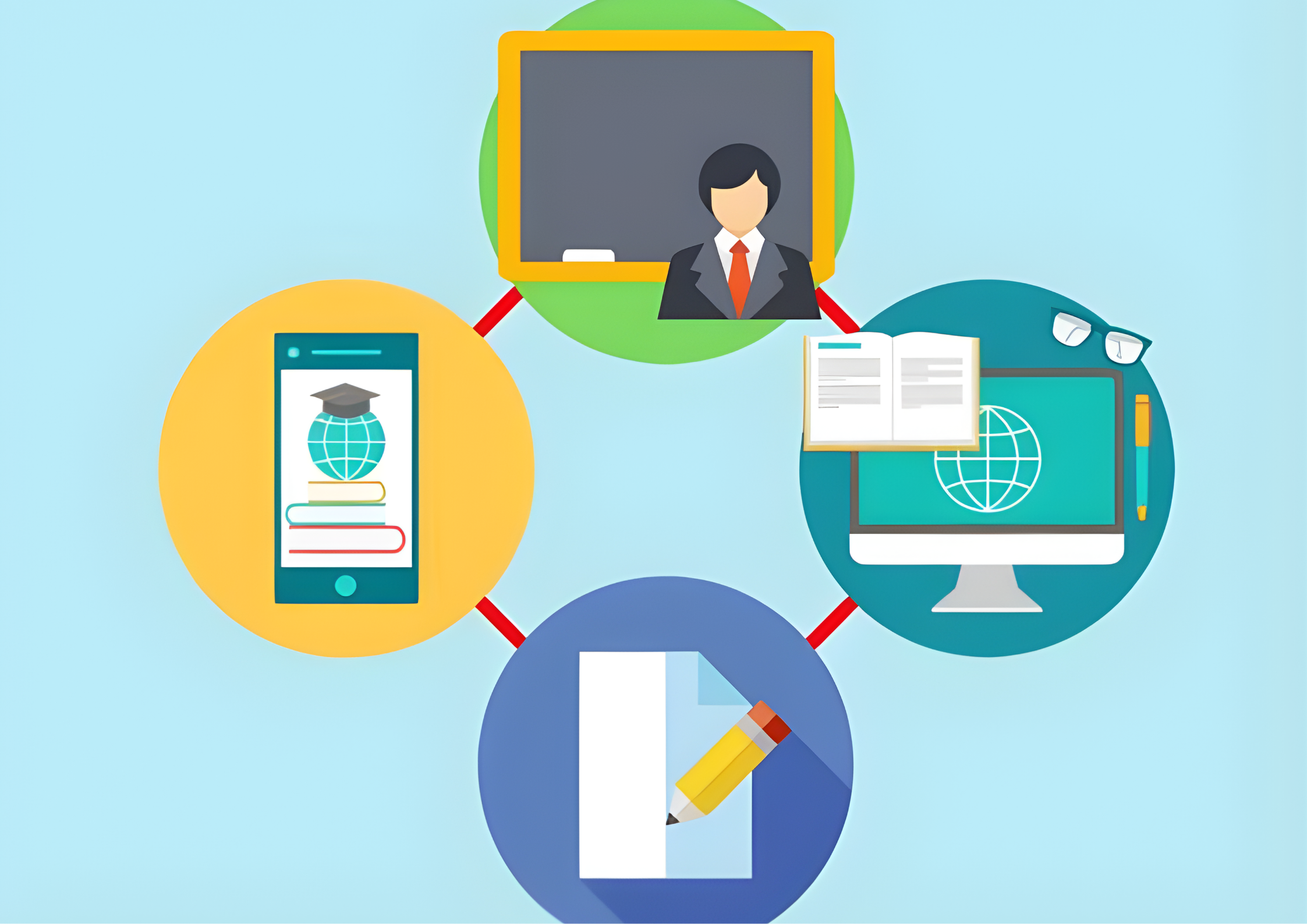
Blended classroom learning can take various forms depending on the institution’s objectives and infrastructure.
1. Rotation Model
Students rotate between different learning stations — one with teacher guidance, another using digital devices, and others for group collaboration.
Example: A science class may start with a short lecture, followed by experiments and an online quiz.
2. Flipped Classroom Model
Students first learn the topic through online videos or materials at home, then use classroom time for practical application and discussions.
Example: Watching a recorded history lecture and later debating the topic in class.
3. Flex Model
Online learning serves as the core, while teachers provide support and personalized guidance as needed.
Example: Students complete lessons online but attend school for projects or lab work.
4. Enriched Virtual Model
Most content is accessed digitally, but occasional physical sessions ensure interaction, assessments, or mentorship.
Example: Distance learners meeting monthly for group activities or exams.
Benefits of Blended Classroom Learning
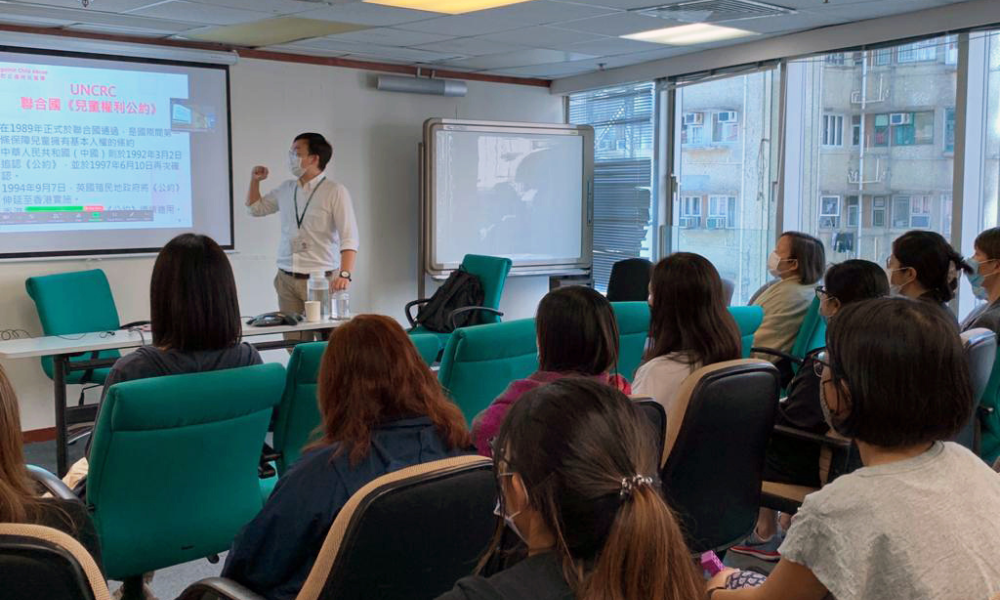
Blended learning has proven to be more than a technological upgrade — it’s a complete educational evolution that enhances both teaching and learning outcomes.
1. Personalized Learning
Each student learns differently. Blended learning allows teachers to adapt lessons based on individual progress and learning preferences, including visual, kinesthetic, or Auditory Learning Techniques.
2. Higher Engagement
Interactive tools, multimedia content, and gamified assessments keep students attentive and motivated.
3. Greater Flexibility
Students can access learning materials anytime, helping them manage studies alongside extracurricular or personal responsibilities.
4. Improved Teacher-Student Interaction
Digital platforms provide teachers with real-time analytics on student performance, enabling targeted support and feedback.
5. Enhanced Collaboration
Students work together on digital projects and discussions, fostering communication skills and teamwork.
6. Future-Ready Skills
By integrating technology into education, blended learning prepares students for a world driven by innovation and adaptability.
Challenges in Implementing Blended Learning
While the benefits are compelling, transitioning to blended learning requires overcoming certain challenges.
1. Unequal Access to Technology
Not every student has access to high-speed internet or digital devices. Schools must address this digital divide to ensure equality.
2. Teacher Training
Educators need to be equipped with digital teaching strategies and comfort with online tools to make the transition smooth and effective.
3. Time Management
Balancing online and offline components can be difficult for both students and teachers without proper structure and guidance.
4. Maintaining Discipline
Self-paced learning demands self-motivation. Students must learn to manage their time and avoid distractions during online sessions.
5. Technical Difficulties
Connectivity issues or platform glitches can interrupt lessons, making backup plans essential.
Best Practices for Effective Blended Learning

For blended classroom learning to reach its full potential, both educators and institutions must adopt structured approaches.
-
Integrate Lessons Seamlessly: Align classroom and online activities for consistency and continuity.
-
Use Reliable Platforms: Tools like Google Classroom, Microsoft Teams, or Moodle enhance engagement and track progress.
-
Continuous Teacher Training: Encourage educators to attend workshops on digital pedagogy.
-
Encourage Student Feedback: Regular surveys can reveal what works best and help refine strategies.
-
Ensure Digital Accessibility: Provide shared resources or school-sponsored devices to bridge the technology gap.
Blended Learning in India
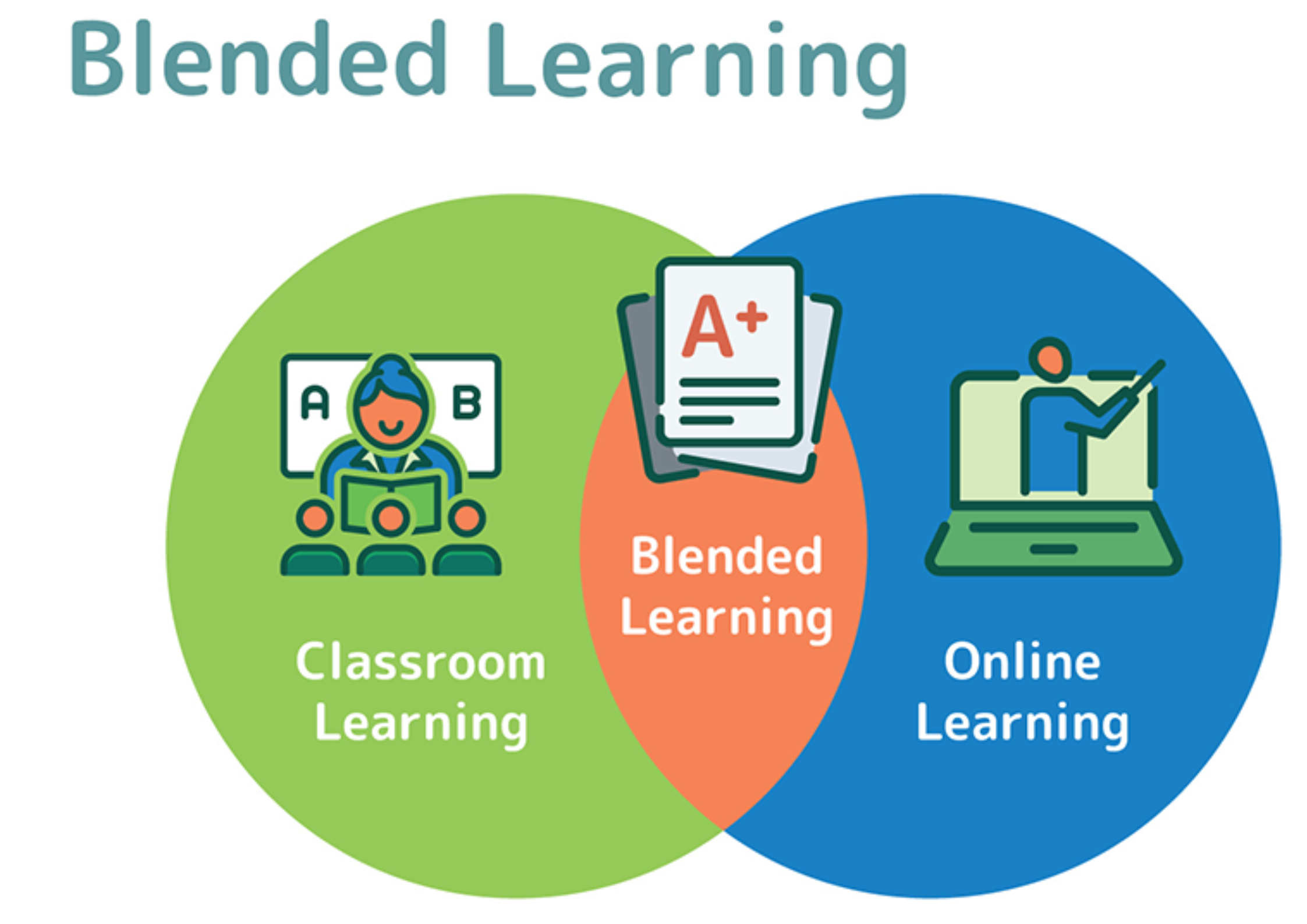
The concept of blended learning is rapidly growing across every school in india, particularly after the pandemic emphasized the importance of flexible education. Supported by initiatives like the National Education Policy (NEP) 2020, institutions are integrating smart classrooms, digital libraries, and online learning apps such as SWAYAM, BYJU’S, and Diksha.
Schools are now blending innovation with traditional values — fostering learning environments where creativity, collaboration, and curiosity thrive. This shift ensures that students are not only exam-ready but also life-ready.
Impact on Students
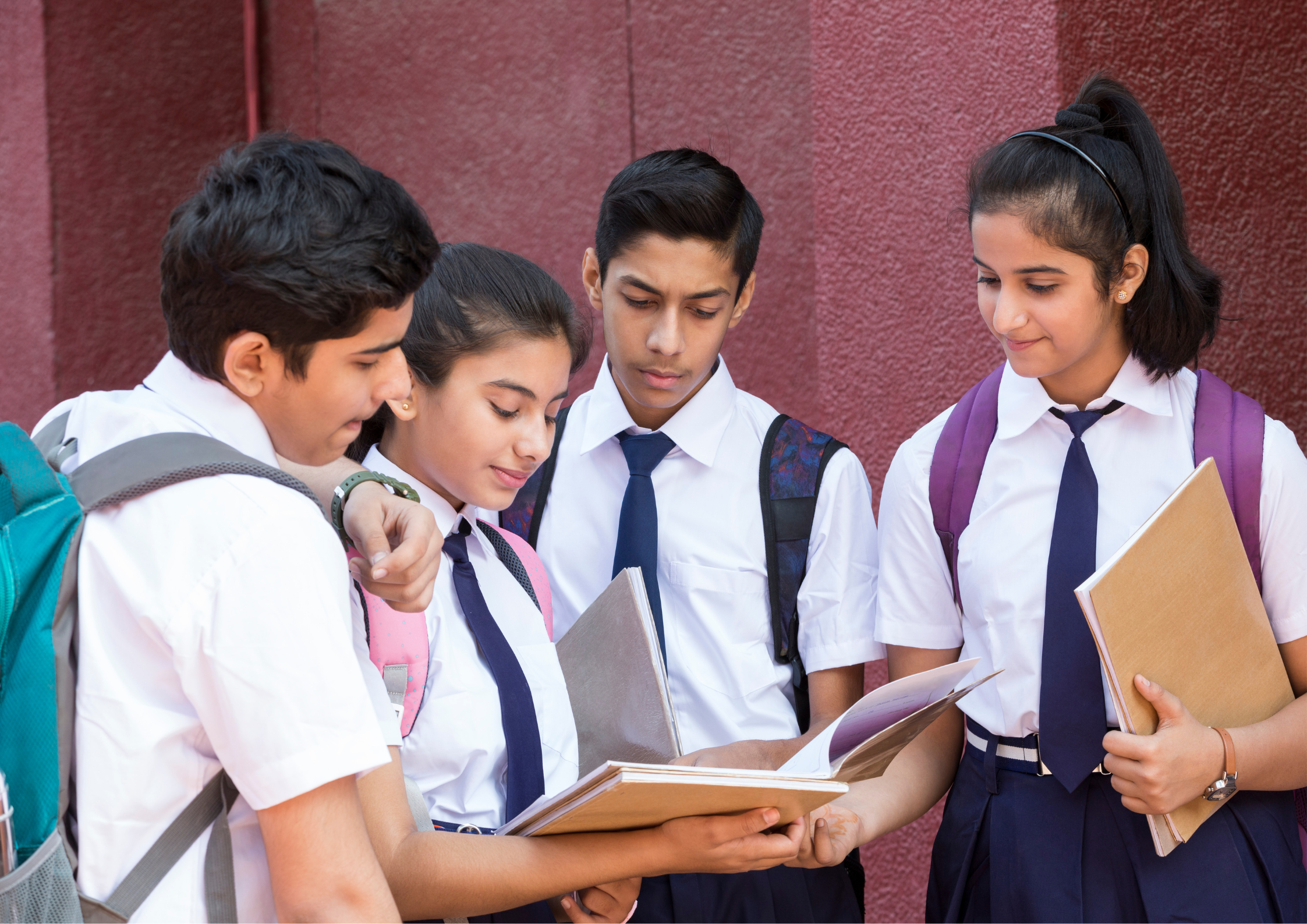
Blended classroom learning empowers students to become active participants in their own education. They learn to manage time, think critically, and take ownership of their learning outcomes. Instead of memorizing facts, they apply knowledge creatively — transforming from passive listeners to confident learners equipped for the modern world.
Conclusion
Blended Classroom Learning is not just an educational trend — it’s a transformative approach redefining how we teach and learn. By merging technology with traditional classroom experiences, it creates a balanced and adaptive system that supports every learner’s journey.
As education evolves, this model ensures that schools stay relevant, inclusive, and future-focused. When implemented thoughtfully, blended learning nurtures curious, self-reliant, and resilient students — the true learners of tomorrow.
Frequently Asked Question
1. How does blended learning benefit students?
It allows students to learn at their own pace, access materials anytime, and enjoy more interactive, personalized lessons that suit their learning style.
2. What are the main models of blended learning?
The most common models include rotation, flipped classroom, flex, and enriched virtual — each offering a mix of online and offline learning.
3. Why is blended learning important in modern education?
It builds digital skills, promotes self-learning, and prepares students for a future where technology and adaptability are essential.
4. What challenges do schools face in blended learning?
Common challenges include limited internet access, lack of teacher training, and maintaining student discipline in online study.
5. How can teachers make blended learning more effective?
Teachers can align lessons with online content, use reliable platforms, and regularly track student performance to improve engagement.
6. Is blended learning common in schools in India?
Yes. Many schools in India now use blended learning, supported by digital initiatives like NEP 2020, smart classrooms, and online platforms.