





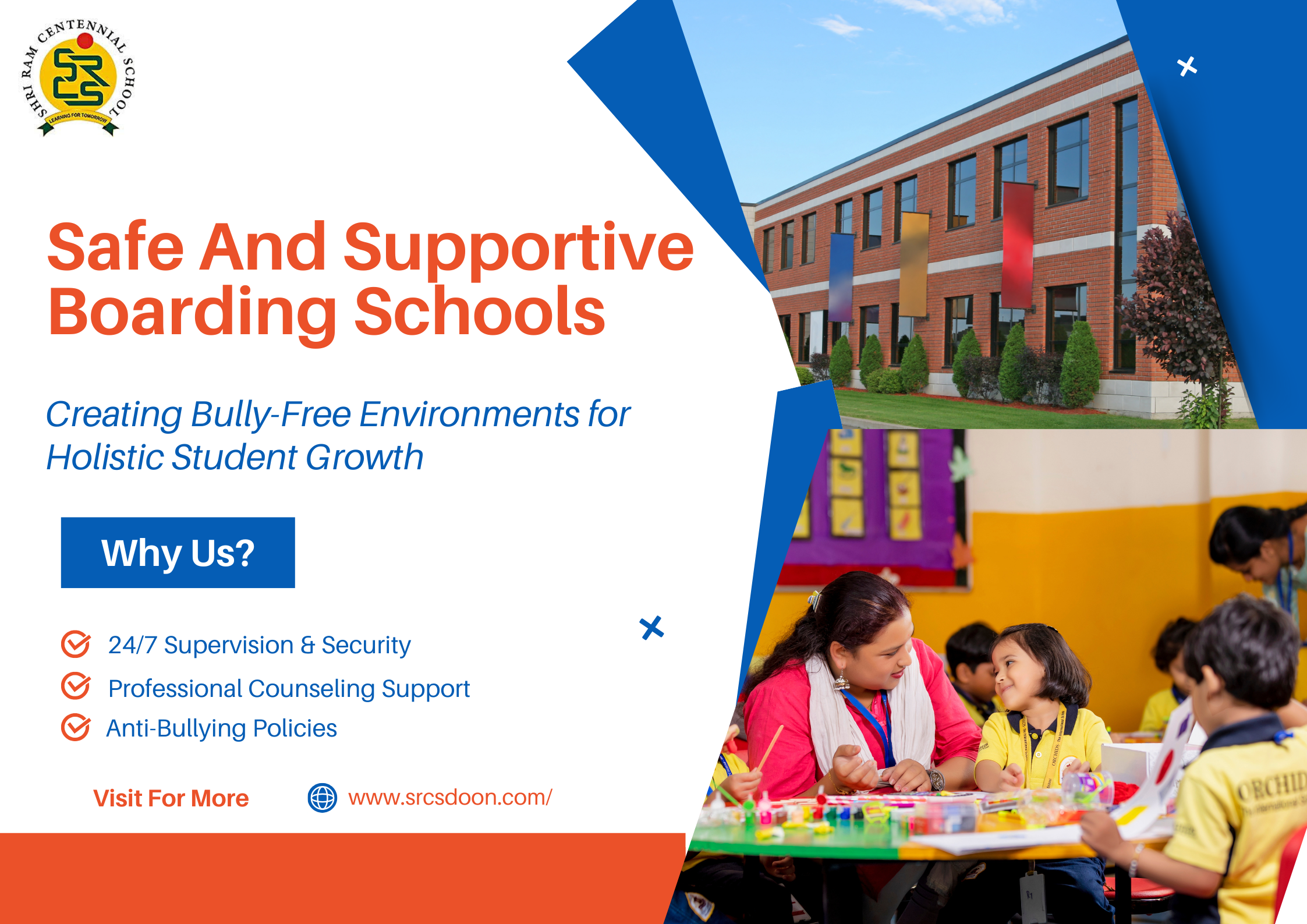
Many families find that enrolling their children in a boarding school in India changes their lives. While parents seek top-notch education, state-of-the-art facilities, and all-around growth, boarding school bullying remains one of the most urgent issues. Thank goodness, contemporary schools have changed how they handle student safety, creating a safe space where kids may develop, study, and succeed.
We’ll look at how schools now deal with bullying, the safeguards they implement, and the reasons why parents nationwide trust them in this blog.
Understanding the Challenge of Boarding School Bullying
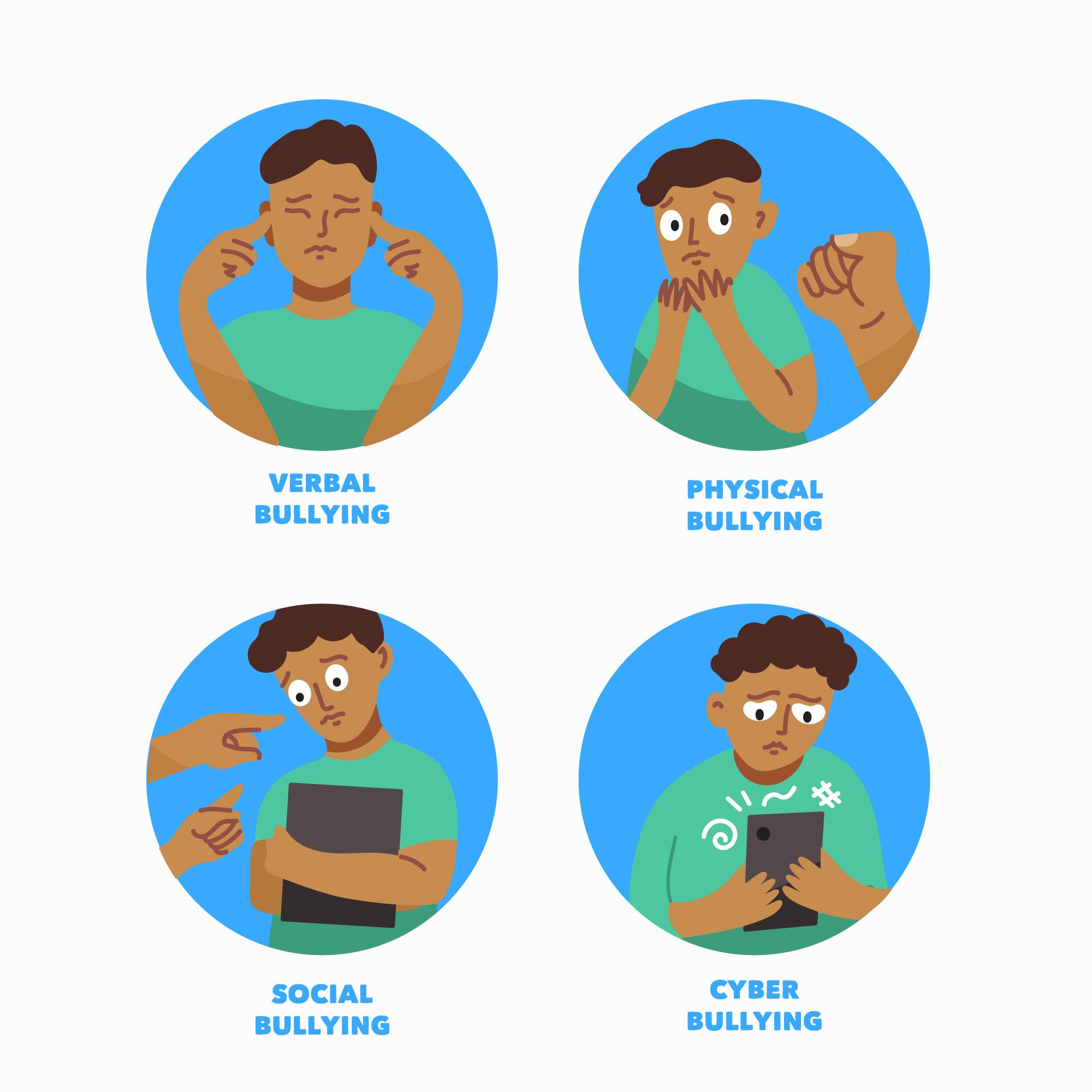
Bullying in schools, especially boarding schools, can range from teasing and exclusion to more severe forms of harassment. Left unchecked, it can affect a child’s emotional well-being, academic performance, and social development. Recognizing this, modern schools across the country have adopted comprehensive anti-bullying strategies.
Why Safe Environments Are a Top Priority

Modern schools recognize that a safe and positive environment is the foundation for effective learning. They are committed to:
- Protecting students from physical and emotional harm
- Encouraging inclusivity and respect
- Building trust between staff and students
- Promoting mental and emotional well-being
Key Measures Modern Schools Take Against Boarding School Bullying
1. Clear Anti-Bullying Policies
Modern schools establish zero-tolerance policies for bullying. These policies are communicated to students, parents, and teachers through orientation programs, handbooks, and regular discussions.
2. Regular Awareness Campaigns
Schools frequently organize workshops, seminars, and campaigns that educate students on recognizing, reporting, and preventing bullying. Peer-to-peer awareness programs encourage students to support each other.
3. Strong Counseling and Mentorship Programs
Counselors and trained mentors play a vital role in creating a safe environment. They provide emotional support, mediate conflicts, and help students build resilience and self-confidence.
4. Enhanced Supervision and Monitoring
From dormitories to classrooms and playgrounds, modern schools implement close supervision. Many institutions also use CCTV cameras in common areas to ensure safety without compromising privacy.
5. Encouraging Peer Support Systems
Buddy programs and peer mentorship initiatives help new or vulnerable students adjust quickly and feel included, reducing the likelihood of bullying.
6. Training Teachers and Staff
Teachers and residential staff are trained to identify early signs of bullying, intervene effectively, and provide a supportive atmosphere for victims.
7. Involving Parents Actively
Regular parent-teacher meetings and digital communication platforms keep parents informed about their child’s well-being, ensuring they are part of the anti-bullying framework.
The Role of Technology in Preventing Bullying
Modern schools are leveraging technology not only for academics but also for student safety. Some schools have introduced anonymous reporting apps, AI-based monitoring systems, and digital counseling platforms to ensure every child feels protected.
Long-Term Benefits of Anti-Bullying Strategies
When schools effectively combat bullying, the benefits go beyond safety:
- Improved Academic Performance: Students learn better in a stress-free environment.
- Stronger Social Skills: Children develop empathy and teamwork.
- Better Emotional Health: Students gain confidence and resilience.
- Positive School Reputation: Parents trust schools that prioritize safety, leading to stronger enrollments.
Tips for Parents to Support Anti-Bullying Efforts
- Talk openly with your child about their school experiences.
- Teach them how to recognize and respond to bullying.
- Encourage empathy and kindness at home.
- Stay actively engaged with school activities and staff.
Conclusion
Modern schools are setting new benchmarks in ensuring student safety by addressing boarding school bullying with proactive strategies. From strict anti-bullying policies to counseling and technology-driven solutions, they leave no stone unturned in providing a nurturing environment. If you’re considering a boarding school for your child, rest assured that today’s institutions are more committed than ever to ensuring their happiness, safety, and success. You can also explore more insights on bullying in schools and ways to support students to understand how schools create a bully-free environment.
Frequently Asked Questions (FAQs)
Q1. How do modern schools prevent bullying in boarding schools?
They implement strict anti-bullying policies, regular counseling, awareness programs, and close supervision to create a safe environment.
Q2. What should a child do if they experience bullying in a boarding school?
They should immediately report it to a trusted teacher, mentor, or counselor. Many schools also provide anonymous reporting options.
Q3. Do all boarding schools in India have anti-bullying policies?
Most modern schools have formal anti-bullying policies, but the effectiveness may vary. Parents should review policies before admission.
Q4. How can parents identify if their child is being bullied in a boarding school?
Watch for changes in behavior, reluctance to attend school, mood swings, or a drop in academic performance.
Q5. Why is emotional counseling important in preventing bullying?
Counseling helps children manage stress, build confidence, and develop coping strategies, reducing the impact of bullying.



One thought on “How Modern Schools Ensure a Safe Environment for boarding school bullying”
Comments are closed.