


CBSE vs ICSE Schools in India – Which Educational Board is Better?
Education in India has evolved greatly over the years. Among the various school boards, CBSE and ICSE schools in India are the most popular and widely chosen. While CBSE dominates the national education system, ICSE (Indian Certificate of Secondary Education) stands out for its comprehensive curriculum and focus on analytical and language skills. Choosing the right board plays a key role in shaping a student’s learning path, academic base, and future opportunities.
Understanding the Core Differences
Board Overview
ICSE (Indian Certificate of Secondary Education):
Governed by the Council for the Indian School Certificate Examinations (CISCE), ICSE schools in India offer a syllabus that emphasizes languages, science, and arts with detailed subject content.
CBSE (Central Board of Secondary Education):
A Union Government-run national board, CBSE focuses more on Mathematics and Science, making it ideal for students preparing for entrance exams like JEE and NEET.
Structure of Curriculum and Emphasis

Depth in Academics
- ICSE schools follow a detailed and well-balanced syllabus, giving equal weight to theory and practical learning. English grammar and literature are taught extensively.
- CBSE, in contrast, has a concise and student-friendly syllabus with more objective-type questions and lesser emphasis on language depth.
Subject Options
- Indian ICSE schools offer a wide range of subject choices such as Environmental Science, Home Science, Commercial Studies, and Computer Applications from higher classes.
- CBSE schools offer fewer electives but align closely with national entrance exams, making them ideal for students aiming for technical or medical careers.
Assessment and Evaluation

Examination
- Examinations in ICSE schools in India are descriptive, encouraging students to write full answers that improve communication and analytical thinking.
- CBSE exams rely more on multiple-choice questions and step-by-step marking, promoting accuracy and speed.
Internal Assessments
- ICSE places heavy importance on project work and internal assessments, contributing to final scores.
- CBSE gives more weight to annual examinations, though NEP 2020 reforms are gradually introducing more internal assessments.
Language and Medium of Instruction

English Proficiency
A key strength of ICSE schools in India is their focus on English proficiency. The curriculum enhances grammar, vocabulary, and comprehension, helping students planning to study abroad.
CBSE schools, though less language-intensive, still offer strong English training alongside science and math-focused education.
Competitive Exams and Higher Education

Exam Preparation
- Students from the ICSE board may require additional coaching for competitive exams due to their broader syllabus.
- CBSE curriculum is designed in sync with India’s major entrance exams, giving its students an edge.
University Admissions
Both CBSE and ICSE students are accepted in Indian and international universities. However, ICSE students often gain preference abroad due to their superior English and academic versatility.
Flexibility and International Acceptance
International Recognition
- ICSE schools in India are widely recognized across global education systems and often equated with international boards like IGCSE.
- CBSE also has a strong global presence, especially in the Middle East, and remains highly respected in Indian universities.
Curriculum Flexibility
- ICSE students enjoy more subject flexibility, creative projects, and research-based assignments.
- CBSE, on the other hand, follows a streamlined and exam-oriented curriculum, particularly effective for technical studies.
Teaching Methodology and Skill Development
Approach to Learning
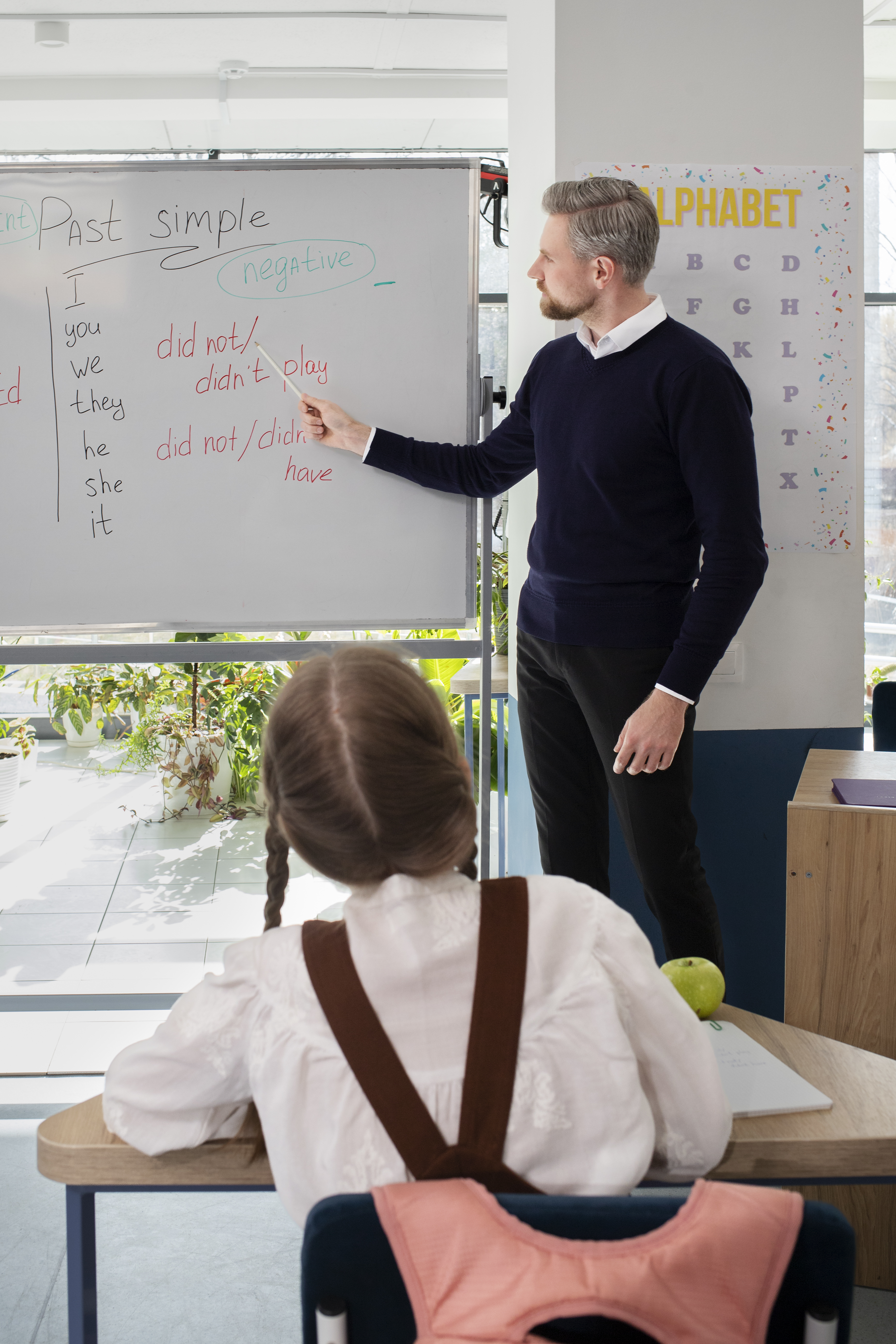
- ICSE schools emphasize conceptual understanding, essay writing, and research-oriented study, promoting critical and analytical skills.
- CBSE schools focus on conceptual clarity and exam-based performance, ensuring better scores in standardized formats.
Co-Curricular Balance
- ICSE promotes equal attention to academics and extracurriculars, nurturing holistic development.
- CBSE schools are traditionally more academic-focused, though many now include activity-based programs as part of modern education reforms.
Cost and Accessibility
Fee Structure
- Most ICSE schools in India are privately managed and have higher fees due to advanced infrastructure and low student-teacher ratios.
- CBSE schools, including many government-aided institutions, are more affordable and widely accessible.
Which One Should You Choose?

If your child is interested in language, arts, or humanities and aims to study abroad, ICSE schools in India are the better choice. If the goal is competitive exams and strong foundations in science and math, then CBSE schools offer a more structured pathway. Ultimately, choose the board that suits your child’s learning style, career goals, and overall interests.
Conclusion
Both CBSE and ICSE boards in India are exceptional in their own ways. ICSE encourages holistic education, while CBSE focuses on exam excellence and conceptual mastery. As Indian education aligns with global standards, both boards continue to evolve. The key is to choose what fits your child best—not only academically but also emotionally and personally.
Frequently Asked Questions
1. What is the main difference between CBSE and ICSE schools in India?
CBSE emphasizes Science, Mathematics, and exam preparation, while ICSE offers a detailed, language-rich curriculum with broader subjects.
2. Which board is better for studying abroad?
ICSE schools are often preferred for international admissions due to their English proficiency and global curriculum design.
3. Are CBSE schools more affordable than ICSE schools?
Yes, CBSE schools are generally government-affiliated and budget-friendly, while ICSE schools are mostly private and costlier.
4. Which board provides more flexibility in subjects and projects?
ICSE allows more elective options and internal projects, promoting creativity and practical exposure.
5. Which board is best for overall personality and skill development?
ICSE schools in India are ideal for students seeking a balanced education that includes academics, arts, languages, and extracurricular activities—helping in overall personality development and global readiness.

I always feel torn between these two boards! After reading this, I can see that both have their strengths, but the one thing parents often overlook is the school’s support system—like extracurricular activities and mental health resources. These can be just as important when making a choice.