



In a world where we often focus on visual and written learning, auditory methods—where you learn by listening and speaking—are sometimes underestimated. But for many students, auditory learning techniques can unlock deeper comprehension, retention, and delight in learning. In this article, we explore why auditory learning matters, and share creative, practical techniques students can use right away to boost understanding.
Understanding Auditory Learning

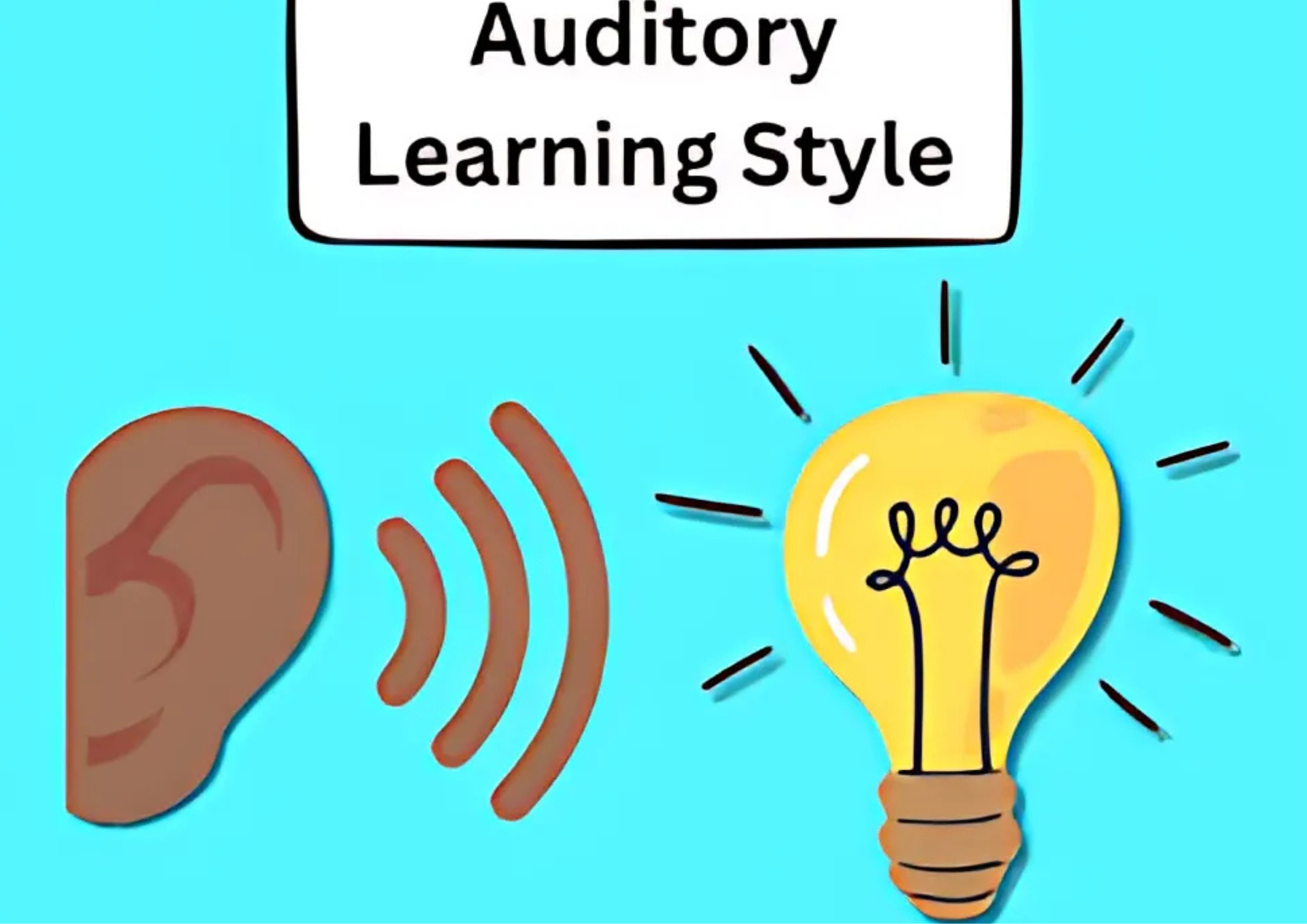
Auditory learning is a learning style in which a person understands and remembers information best by hearing and listening.
Auditory learners grasp concepts through spoken explanations, discussions, lectures, audio recordings, or by reading aloud. They often benefit from activities like group discussions, teaching others verbally, or listening to podcasts and recorded notes to reinforce understanding.
Why It Works
-
Memory Boost: Hearing information creates additional brain connections. When you speak or listen, you encode knowledge in a different way than reading alone.
-
Active Engagement: Listening requires focus and interaction—especially when you discuss or repeat information aloud.
-
Verbal Skills: Auditory methods naturally improve pronunciation, articulation, and confidence in speaking, which benefits presentations and group discussions.
Research shows that when students combine listening with other senses, the result is stronger, more durable learning.
10 Creative Auditory Learning Techniques
Below are ten proven and creative auditory learning techniques that you can start using right away.
1. Read Aloud and Paraphrase
Reading aloud forces you to slow down and pay attention to every word. After reading a paragraph, pause and paraphrase it in your own words without looking at the text. This not only tests your understanding but also helps you remember the content longer.
2. Teach Someone Else
One of the most powerful learning techniques is to teach the material. Explain concepts to a friend, a classmate, or even to yourself in front of a mirror. Teaching requires you to simplify complex ideas, exposing any gaps in your understanding and reinforcing what you already know.
3. Record and Replay
Use your phone or a recording device to record your own voice explaining key points, reading definitions, or summarizing chapters. Play these recordings while commuting, walking, or before bed. Hearing your own voice repeatedly cements information in your memory.
4. Create Mnemonics, Rhymes, or Songs
Turn lists, formulas, or key points into catchy rhymes or tunes. For example, to remember the order of the planets, many students use rhyming sentences or short songs. Rhythm and melody make it easier for the brain to store and retrieve information.
5. Audio Flashcards
Traditional flashcards are useful, but auditory flashcards take them a step further. Record yourself reading the question on one track and the answer on another. Play them back in random order to quiz yourself and reinforce active recall.
6. Listen to Podcasts and Audio Lectures
Find podcasts or recorded lectures on your subject. Active listening is key—pause frequently, take notes, and summarize what you just heard. This is especially helpful for subjects like history, science, or literature, where explanations and stories bring the material to life.
7. Group Discussions or Study Circles
Join or create a small group to discuss key topics. Hearing different viewpoints not only broadens understanding but also strengthens memory by exposing you to various explanations. Group discussions also train you to articulate ideas clearly and confidently.
8. Think Aloud While Problem-Solving
When working on math problems or complex reasoning tasks, speak your thought process out loud. Verbalizing each step helps you catch mistakes and clarify your reasoning.
9. Role-Playing or Dramatization
For subjects like literature or history, act out scenes or role-play important events. Speaking the words of historical figures or characters engages your imagination and makes learning memorable.
10. Pair Listening With Movement
Try combining auditory learning with light physical activity—like walking while listening to your recorded notes. Movement stimulates blood flow and can help keep your mind alert while reinforcing information through sound.
How to Make Better Communication

Start Small
Begin with one or two techniques and add more as you become comfortable. For instance, try reading aloud for 15 minutes a day before moving on to recording your own notes.
Combine with Other Learning Styles
Blend auditory learning with visual and kinesthetic methods. For example, after listening to a podcast, draw a mind map of the main ideas. This multi-sensory approach strengthens memory.
Schedule Regular Review Sessions
Set aside specific times to listen to recordings or participate in discussions. Consistency matters more than length—short, frequent sessions are more effective than occasional long ones.
Use Technology
Apps for recording, podcast platforms, and speech-to-text tools make it easier than ever to integrate auditory techniques into your study routine. Just be mindful to avoid distractions from unrelated content.
Benefits Beyond Academics

Auditory smart learning techniques don’t just help you score better grades—they also develop life skills.
-
Better Communication: Regularly speaking and listening improves vocabulary and confidence.
-
Stronger Critical Thinking: Discussing and explaining concepts sharpen reasoning abilities.
-
Enhanced Concentration: Active listening trains you to focus in noisy or distracting environments.
-
Career Readiness: Verbal skills gained through auditory learning are invaluable in interviews, presentations, and teamwork.
Tips for Parents and Teachers

-
Encourage children to explain lessons at home, which helps reinforce classroom learning.
-
Use audiobooks or educational podcasts for long drives or leisure time.
-
Provide opportunities for debates, speeches, or dramatizations to strengthen listening and speaking skills.
-
Create a supportive environment where students feel comfortable reading aloud or discussing ideas.
Bringing It All Together
Auditory learning is not just an alternative study style; it’s a powerful complement to reading and writing. By listening, speaking, and discussing, students activate different parts of the brain, making knowledge easier to understand and recall.
Whether you are preparing for exams, improving your language skills, or just looking for new ways to keep learning exciting, these creative auditory learning techniques can transform your study routine. Start with one method—like recording your notes or teaching a friend—and gradually expand. Over time, you’ll notice stronger memory, better communication, and a deeper understanding of what you study.
FAQs
Q1. What is auditory learning?
Auditory learning is a style where students learn best by listening and speaking—through lectures, discussions, and hearing their own voice.
Q2. Are auditory techniques only for language subjects?
No. They work across all subjects—from math to science—because they strengthen memory and critical thinking.
Q3. How can I practice auditory learning every day?
Read notes aloud, record and replay key points, or join a study group for discussions to make auditory learning part of your daily routine.
Q4. Can auditory learning be combined with other methods?
Absolutely. Pair it with visual aids or written notes to create a multi-sensory learning experience for better retention.
Q5. Do auditory techniques help with exam preparation?
Yes. Listening to recordings, teaching concepts aloud, or using audio flashcards can significantly improve recall during exams.