




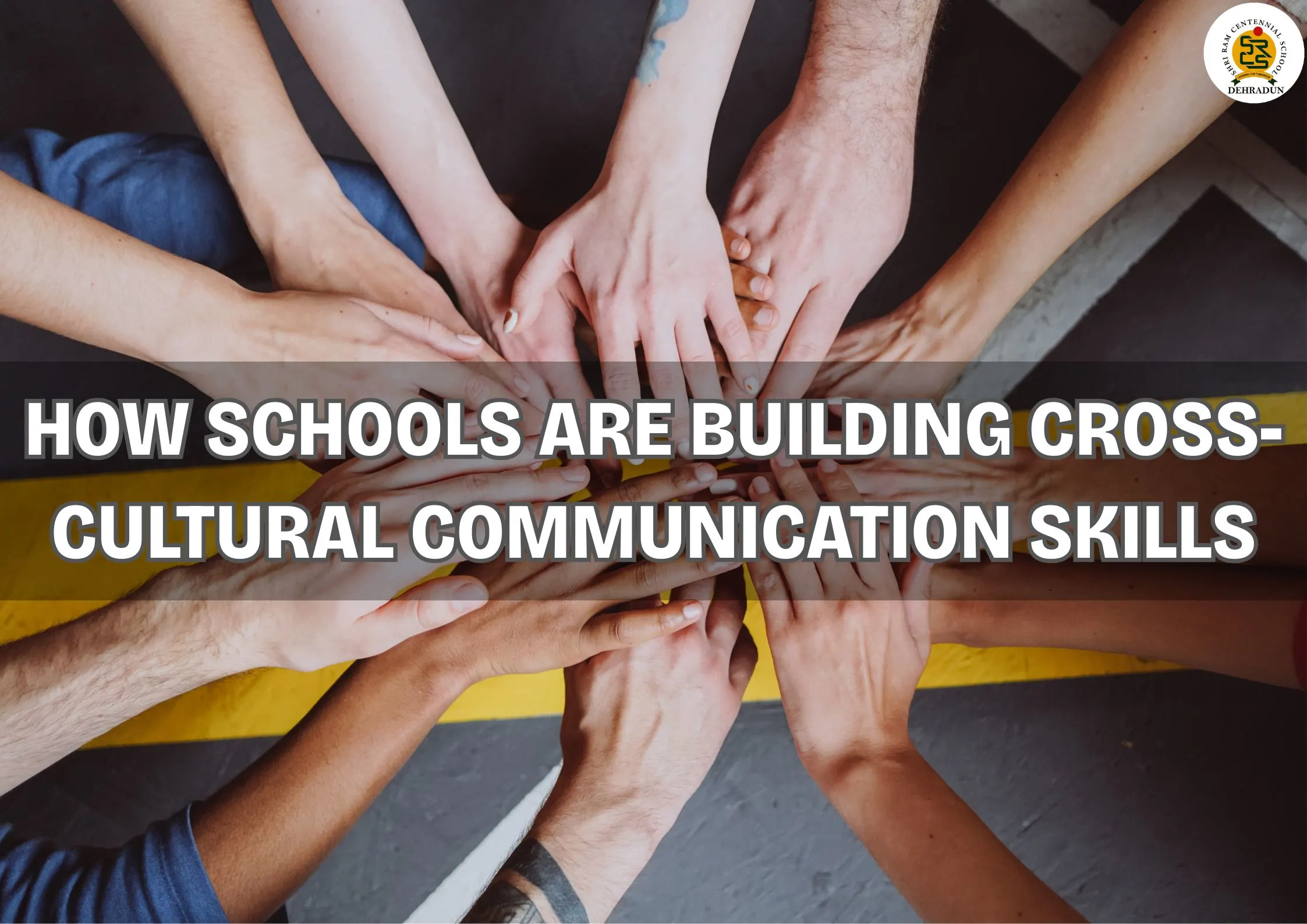
In today’s global world, students need more than just strong academic performance.
That’s why many boarding schools in India are emphasizing cross-cultural communication skills from an early age.
Students must connect, collaborate, and communicate with people from various backgrounds.
These skills extend beyond language; they help a child understand, respect, and respond to different cultural perspectives with sensitivity and insight.
Schools in India and worldwide recognize the long-term benefits of developing these essential abilities through classroom activities, school events, and international programs.
Why Cross-Cultural Communication Skills Matter
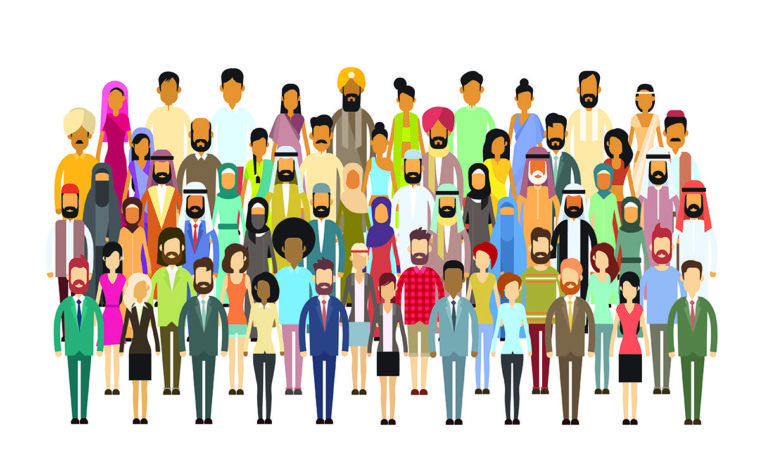
Children today are not just preparing for national opportunities, but global ones.
Whether it’s higher education, employment, or simply engaging in online communities, students must learn to interact respectfully and effectively with people from varied cultural backgrounds.
Benefits of building cross-cultural communication skills early:
-
Empathy development
Children learn to put themselves in someone else’s shoes. -
Global citizenship
Students become aware of cultural differences, reducing prejudice and stereotypes. -
Enhanced problem-solving
Diverse perspectives lead to more creative and inclusive solutions. -
Preparation for global careers
Early exposure makes them confident communicators in multinational settings.
They become more empathetic, adaptable, and inclusive—traits that every society needs today.
Classroom Activities That Promote Cultural Understanding
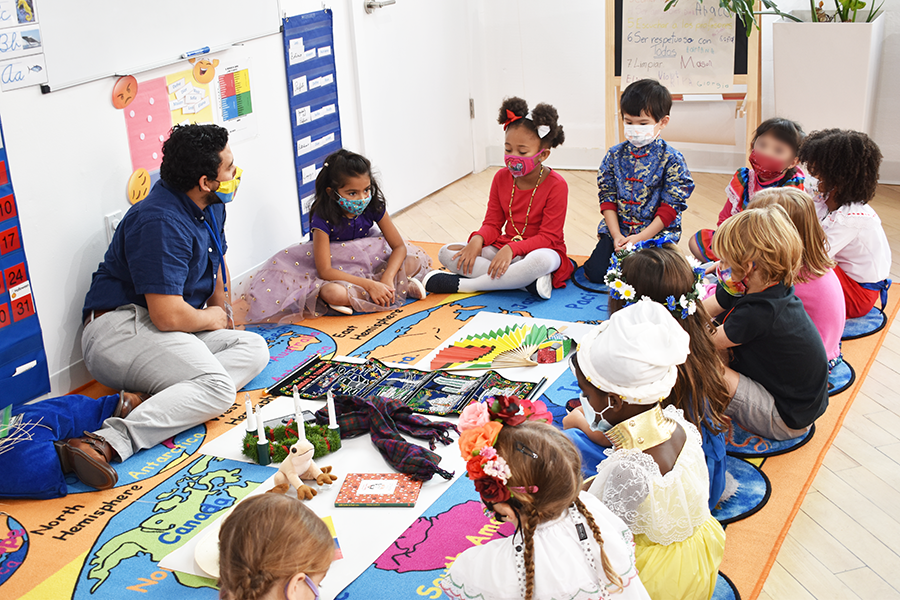
Schools are weaving cross-cultural learning into daily education.
For example, teachers now use literature, stories, and case studies from around the world to help students view different perspectives.
Geography and history lessons dive deeper into cultural discussions instead of just presenting facts and dates.
In language classes, students explore not just vocabulary but the cultural context behind expressions, idioms, and communication styles.
Such exercises enhance both language skills and cross-cultural communication abilities, allowing students to interpret meaning more accurately when speaking or listening to someone from a different background.
International Exchange & Virtual Learning Programs

One effective way schools promote cross-cultural communication skills is through student exchange programs or virtual collaborations.
While in-person exchanges may occur less often, many schools now take part in global classroom programs that connect their students with peers from schools abroad using Zoom, email, or shared project portals.
These programs foster collaborative learning where students tackle joint assignments, share feedback, and discuss global issues like climate change, equality, or innovation.
This direct interaction builds cultural awareness and mutual respect, showing students the world from another person’s perspective.
Celebrating Festivals and Diversity Days

Another engaging way schools foster cross-cultural communication skills is through diversity celebrations.
Schools organize international weeks, food festivals, costume days, and music or dance performances that showcase cultures from around the globe.
When students present, take part in, or observe these events, they begin to appreciate different customs and traditions.
They learn that while cultures vary, each has its unique beauty and value.
This understanding helps break down stereotypes and builds confidence when interacting with people from different ethnic, religious, or social backgrounds.
Teacher Training and School Policies
Schools dedicated to enhancing cross-cultural communication skills also focus on training their teachers.
Educators learn to recognize bias, use inclusive language, and model respectful communication in multicultural classrooms.
Many schools implement anti-discrimination policies, peer mentoring programs, and intercultural clubs where students can express their cultural identities while connecting with others.
Role of Teachers and Parents
For cross-cultural communication skills to develop meaningfully, collaboration between schools and homes is essential.
What educators are doing:
-
Encouraging curiosity and openness in classroom discussions
-
Addressing stereotypes and biases respectfully
-
Modeling inclusive language and behavior
How parents can support:
-
Expose children to diverse books, shows, and experiences
-
Teach children to ask questions respectfully
-
Foster friendships with families from different cultures
Final Thoughts
As the world grows more interconnected, the value of cross-cultural understanding can’t be overstated.
Schools that prioritize the development of cross-cultural communication skills are not only creating better students but also better humans.
By nurturing these skills from a young age, we give children the tools to become compassionate global citizens, able to work, live, and lead in a multicultural world.
Frequently Asked Questions (FAQ’s)
1. What are cross-cultural communication skills?
They are the ability to communicate effectively and respectfully with people from different cultural backgrounds.
2. Why should children learn cross-cultural communication early?
Early exposure builds empathy, reduces cultural bias, and prepares students for global opportunities.
3. How do schools teach cross-cultural communication skills?
Through diverse curricula, international collaborations, group projects, language learning, and celebrating multiple cultures.
4. Can technology help in cross-cultural learning?
Yes. Virtual exchange programs and global classrooms connect students with peers across countries for real-time interaction.
5. Do cross-cultural communication skills help in future careers?
Absolutely. These skills are crucial for working in multicultural teams, studying abroad, or taking up global leadership roles.