






Daily Time Table for Class 10 Students is one of the most important tools for academic success during board exam preparation. Class 10 is a decisive year where students face increased syllabus pressure, tighter deadlines, and higher expectations from parents and teachers. Without proper planning, even hard work can feel unproductive.
A well-designed daily time table is not about studying nonstop. It is about using time wisely, creating balance, and developing discipline. When structured properly, a time table becomes a guide that reduces stress and builds confidence, rather than a rigid schedule that feels impossible to follow.
Understanding the Purpose of a Daily Time Table for Class 10 Student
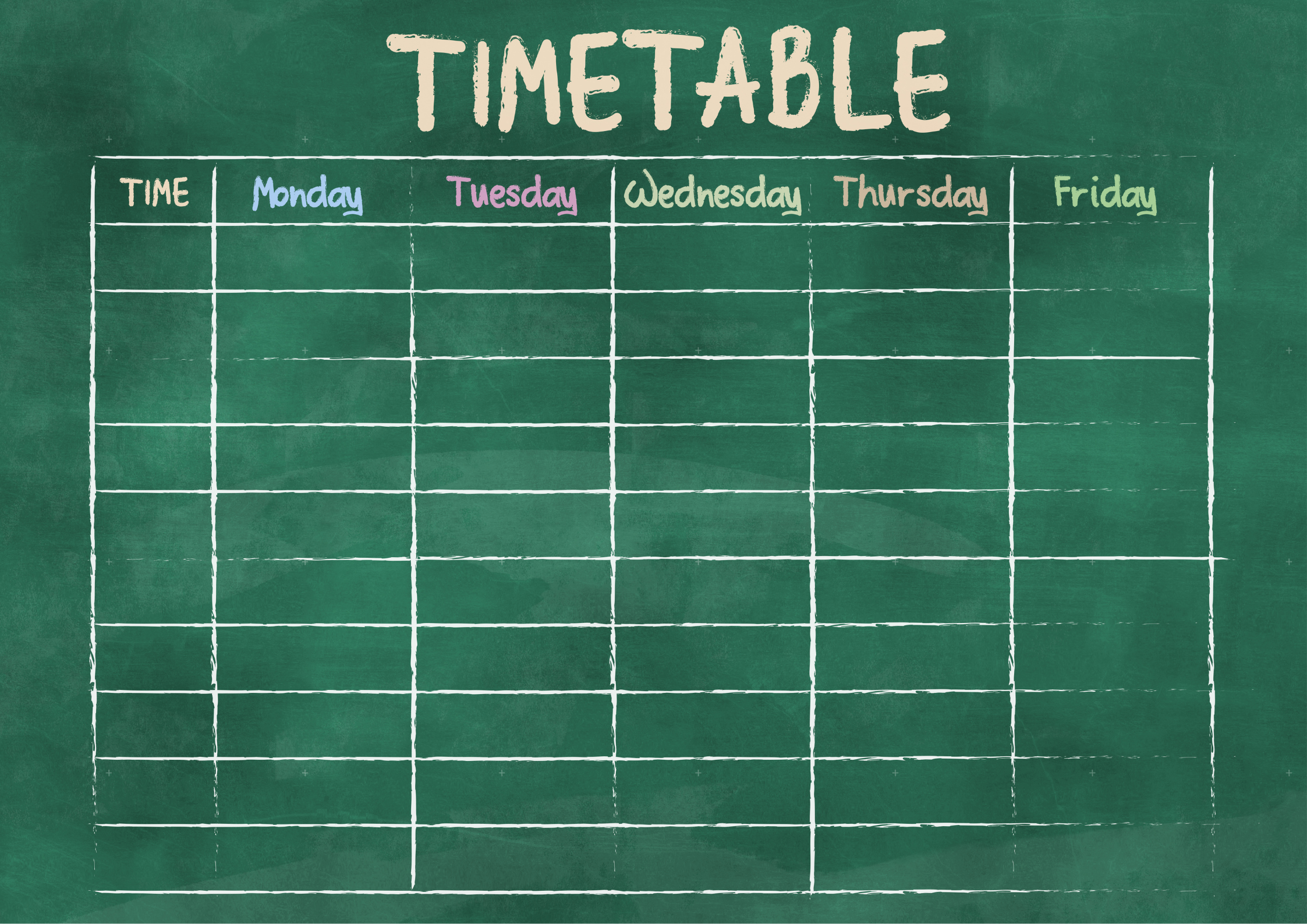
What a Time Table Actually Does
A daily time table helps students divide their day into meaningful study and rest periods. It ensures that every subject receives attention while leaving room for revision, breaks, and personal time. For Class 10 students, this structure is especially important because multiple subjects compete for limited hours each day.
The Role of Consistency
Consistency matters more than long study hours. A student studying four focused hours daily with a clear plan often performs better than someone studying randomly for eight hours. Many high-performing students follow a disciplined routine similar to a Toppers Time Table, but with flexibility that suits their own learning pace.
Step-by-Step Guide to Creating an Effective Daily Time Table for Class 10 Student

Step 1: Analyze the Daily Routine
Before creating a schedule, students should list their fixed activities—school hours, tuition, meals, and sleep. This gives a realistic picture of available study time. Expecting to study late at night or waking up extremely early may look good on paper but often fails in practice.
Step 2: Set Clear Academic Priorities
Not all subjects need equal time every day. Subjects that require practice, such as Mathematics and Science, usually need more frequent slots. Theory-based subjects benefit from shorter but regular revision sessions. The key is honest self-assessment, not comparison with classmates from another school in india where schedules and teaching styles may differ.
Step 3: Divide Study Sessions Smartly
Instead of long, tiring study blocks, divide time into 40–50 minute sessions followed by short breaks. This improves concentration and reduces mental fatigue. Each session should have a clear goal—solving numericals, revising a chapter, or practicing writing answers.
Step 4: Include Revision and Practice Time
Many students focus only on learning new chapters and forget revision. A strong daily time table always includes time for revisiting previously studied topics and solving sample questions. Regular revision strengthens memory and builds exam readiness gradually.
Step 5: Keep Time for Rest and Activities
An effective schedule respects the need for rest. Adequate sleep, short breaks, and light physical activity help the brain process information better. A tired mind struggles to retain even simple concepts, no matter how long the study hours are.
Sample Structure of a Balanced Daily Time Table

1) Morning: Fresh Learning Hours
Morning hours are often best for subjects that require deep concentration. Reading new chapters, understanding concepts, or solving complex problems works well during this time when the mind is fresh.
2) Afternoon: Light Study and School Work
Post-school hours can be used for homework, revising what was taught in class, or reading theory. This prevents backlog and reduces pressure closer to exams.
3) Evening: Practice and Revision
Evenings are ideal for practicing numericals, writing answers, or revising difficult topics. Group discussions or doubt-solving sessions can also fit well here.
4) Night: Quick Review and Planning
Short revision before bed helps reinforce memory. This time can also be used to plan the next day’s tasks, making mornings more focused and stress-free.
Benefits of Following a Daily Time Table for Class 10 Student
- Improved Academic Performance: When subjects are studied regularly, understanding improves naturally. Students become more confident during tests because they are not rushing through chapters at the last moment.
- Better Time Management Skills: Learning to manage time in Class 10 builds a life skill that helps beyond school. Students become more disciplined, organized, and aware of how they use their day.
- Reduced Stress and Anxiety: A planned day reduces uncertainty. Students know what to study and when, which lowers exam-related stress and prevents panic before tests.
- Balanced Personal Life: A realistic time table allows room for hobbies, family time, and relaxation. This balance keeps motivation high and prevents burnout during the academic year.
Common Challenges Students Face
- Difficulty Sticking to the Plan: Many students start enthusiastically but lose consistency after a few days. This usually happens when the schedule is too strict or unrealistic. Flexibility is essential.
- Overloading Study Hours: Trying to copy ideal routines without considering personal capacity often leads to exhaustion. Quality of study always matters more than quantity.
- Distractions and Lack of Focus: Mobile phones, social media, and television can easily disrupt a schedule. Identifying peak distraction times and adjusting study slots accordingly can help maintain focus.
- Fear of Falling Behind: Students sometimes feel discouraged if they miss a day or fall behind schedule. Instead of giving up, adjusting the plan and continuing forward is more effective.
How Parents and Teachers Can Support

Parents can help by creating a supportive environment rather than enforcing strict control. Encouragement works better than pressure. Teachers, on the other hand, can guide students on how much time each subject realistically needs and help them refine their schedules over time.
When students feel supported instead of judged, they are more likely to follow their time table sincerely and make steady progress.
Final Thoughts: Making the Time Table Work for You
An effective daily time table is not about perfection; it is about progress. It should grow and change with the student’s needs, exam timelines, and personal strengths. Class 10 students who learn to plan their day thoughtfully not only perform better academically but also develop confidence and independence.
By focusing on balance, consistency, and realistic goals, a daily time table becomes more than a study plan—it becomes a foundation for long-term success.
Frequently Asked Questions
1. How many hours should a Class 10 student study daily?
A Class 10 student should study 4–6 focused hours daily, depending on school workload, tuition, and individual learning speed. Quality study time matters more than long hours.
2. Is it better to study one subject per day or multiple subjects?
Studying 2–3 subjects per day is more effective, as it keeps the brain active and prevents boredom while ensuring regular revision of all subjects.
3. Should Class 10 students follow the same time table throughout the year?
No. The time table should change according to syllabus completion, exam schedules, and weak areas, especially during revision and pre-board periods.
4. Can a daily time table improve exam confidence?
Yes. A planned study routine helps students feel more prepared and less anxious, which directly improves confidence during exams.
5. What should students do if they miss a day’s schedule?
Students should adjust the next day’s plan calmly instead of overloading themselves. Missing one day does not affect performance if consistency is maintained overall.