






Sustainable living is now a practical part of daily life, from homes and classrooms to communities, as more people seek simple ways to respond to climate change, waste, and resource challenges. Eco-Friendly Initiatives help by breaking sustainability into easy, manageable actions that anyone can follow.
This blog explores practical eco-friendly habits, their benefits, common challenges, and effective solutions, making sustainable living accessible for students, parents, and educators alike.
What Are Eco-Friendly Initiatives?

Eco-friendly initiatives refer to actions and habits that reduce harm to the environment while promoting sustainable use of natural resources. These initiatives focus on minimizing waste, conserving energy and water, reducing pollution, and encouraging responsible consumption.
Sustainable living does not require extreme lifestyle changes. Instead, it is built on small, mindful choices—choices that, when practiced consistently, create a positive environmental impact over time.
In schools and educational environments, eco-friendly initiatives also play a vital role in shaping environmentally responsible citizens from an early age.
Why Eco-Friendly Initiatives Matter Today

Environmental challenges such as rising temperatures, water scarcity, and waste accumulation affect everyone. Eco-friendly initiatives address these issues by promoting responsible behavior at an individual and community level.
When people adopt sustainable habits in daily life, they contribute to:
-
Environmental protection
-
Resource conservation
-
Healthier living conditions
-
A better future for upcoming generations
Even small actions, when practiced collectively, lead to meaningful and lasting change.
Simple Eco-Friendly Initiatives You Can Start Today

1. Reduce Waste at the Source
Waste reduction begins with mindful consumption. Choosing products with minimal packaging, using reusable bags and bottles, and avoiding single-use plastics significantly reduce waste generation.
At homes and schools, replacing disposable items with durable alternatives is one of the easiest eco-friendly initiatives to implement.
2. Save Energy Through Smart Daily Habits
Turning off lights when not in use, maximizing natural daylight, and using energy-efficient appliances help conserve electricity. These simple habits reduce carbon emissions while lowering monthly utility bills.
Energy conservation is both environmentally responsible and financially beneficial, making it a practical sustainability solution.
3. Conserve Water Mindfully
Water is a limited and precious resource. Fixing leaking taps, using buckets instead of running water, and reusing water for plants are effective eco-friendly initiatives that reduce water wastage.
Teaching children water conservation habits ensures long-term environmental awareness and responsible usage.
4. Choose Sustainable Transportation Options
Walking, cycling, carpooling, and using public transport help reduce fuel consumption and air pollution. Limiting unnecessary vehicle use even a few days a week makes a noticeable environmental difference.
These eco-friendly transportation habits also support physical health and reduce stress caused by traffic congestion.
5. Support Eco-Conscious and Local Products
Choosing products made from recycled or biodegradable materials supports environmentally responsible manufacturing. Buying local goods further reduces carbon emissions caused by long-distance transportation.
Every purchase decision sends a message, encouraging businesses to adopt sustainable practices.
Benefits of Adopting Eco-Friendly Initiatives

- Environmental Benefits
Eco-friendly initiatives help reduce pollution, conserve natural resources, and protect biodiversity. Consistent sustainable practices slow environmental damage and restore ecological balance.
- Educational Benefits
For students, sustainable living encourages critical thinking, responsibility, and awareness of global challenges. It connects classroom learning with real-world environmental issues.
- Economic Benefits
Energy and water conservation lower household expenses. Reusable products reduce frequent purchases, making eco-friendly living cost-effective over time.
- Health and Well-Being
Cleaner surroundings, reduced pollution, and healthier lifestyle choices improve physical and mental well-being for individuals and families.
Common Challenges in Adopting Eco-Friendly Initiatives
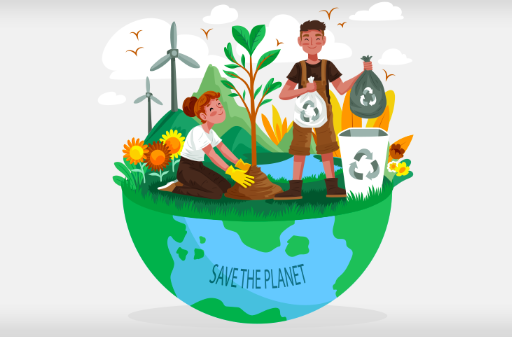
Despite growing awareness, many people struggle to adopt sustainable habits due to common challenges.
- Lack of Awareness
Some individuals are unaware of how small actions contribute to environmental protection. Sustainability can seem complicated without clear guidance.
- Perceived High Costs
Eco-friendly products are often considered expensive. While some items cost more initially, they usually provide long-term savings.
- Resistance to Habit Change
Changing daily routines requires patience and consistency. People often return to convenience without realizing the long-term impact of their choices.
How to Overcome These Challenges

The key to successful eco-friendly living is gradual change. Start with one habit, practice it consistently, and slowly add more sustainable actions.
Educational discussions, practical demonstrations, and family involvement make eco-friendly initiatives easier to adopt. Schools and homes can work together through eco-clubs, recycling programs, and awareness campaigns to make sustainability a shared responsibility.
Role of Education in Promoting Eco-Friendly Initiatives
Education is the foundation of long-term environmental change. When students learn about eco-friendly initiatives early, they carry these values into adulthood.
Integrating sustainability into daily routines—not just textbooks—helps learners understand their role in protecting the planet. Parents and educators act as role models by practicing sustainable habits themselves.
Conclusion: Small Eco-Friendly Initiatives, Lasting Impact
Eco-friendly initiatives do not require perfection—only participation. Small, consistent actions create meaningful environmental change over time. When students, families, and educators work together, sustainable living becomes a shared journey rather than an individual effort. The true strength of eco-friendly initiatives lies in daily practice—simple steps repeated consistently that shape a healthier planet.
Sustainable living is not about doing everything at once. It is about doing what you can, where you are, with what you have—and letting those choices build a better future for all.
Frequently Asked Questions
1. What are eco-friendly initiatives?
Eco-friendly initiatives are actions and practices that reduce harm to the environment by conserving natural resources, minimizing waste, and promoting sustainable living in daily life.
2. Why are eco-friendly initiatives important for sustainable living?
Eco-friendly initiatives help protect the environment, reduce pollution, save energy and water, and ensure resources are available for future generations while improving overall quality of life.
3. How can students practice eco-friendly initiatives at home and school?
Students can practice eco-friendly initiatives by reducing waste, saving electricity and water, using reusable items, participating in recycling programs, and choosing sustainable transportation options.
4. Are eco-friendly initiatives expensive to adopt?
Many eco-friendly initiatives are low-cost or free, such as saving energy, conserving water, and reducing waste. Although some products cost more initially, they usually save money in the long run.
5. How do eco-friendly initiatives benefit health and well-being?
Eco-friendly initiatives promote cleaner surroundings, reduce pollution, encourage active lifestyles, and support mental and physical well-being for individuals and communities.