




When you picture the best school in India, you might imagine smart classrooms, inspiring teachers, and top exam results. Those matter — but in today’s fast-changing world, there’s something even more powerful at play: Education for Sustainable Development (ESD).
From climate change to inequality, our planet faces challenges that can’t be solved with academics alone. Schools in India now have the chance to go beyond textbooks — to shape young minds into creative thinkers, problem-solvers, and global changemakers.
But here’s the real question: Can education for sustainable development really change the world? Let’s explore
Understanding Education for Sustainable Development
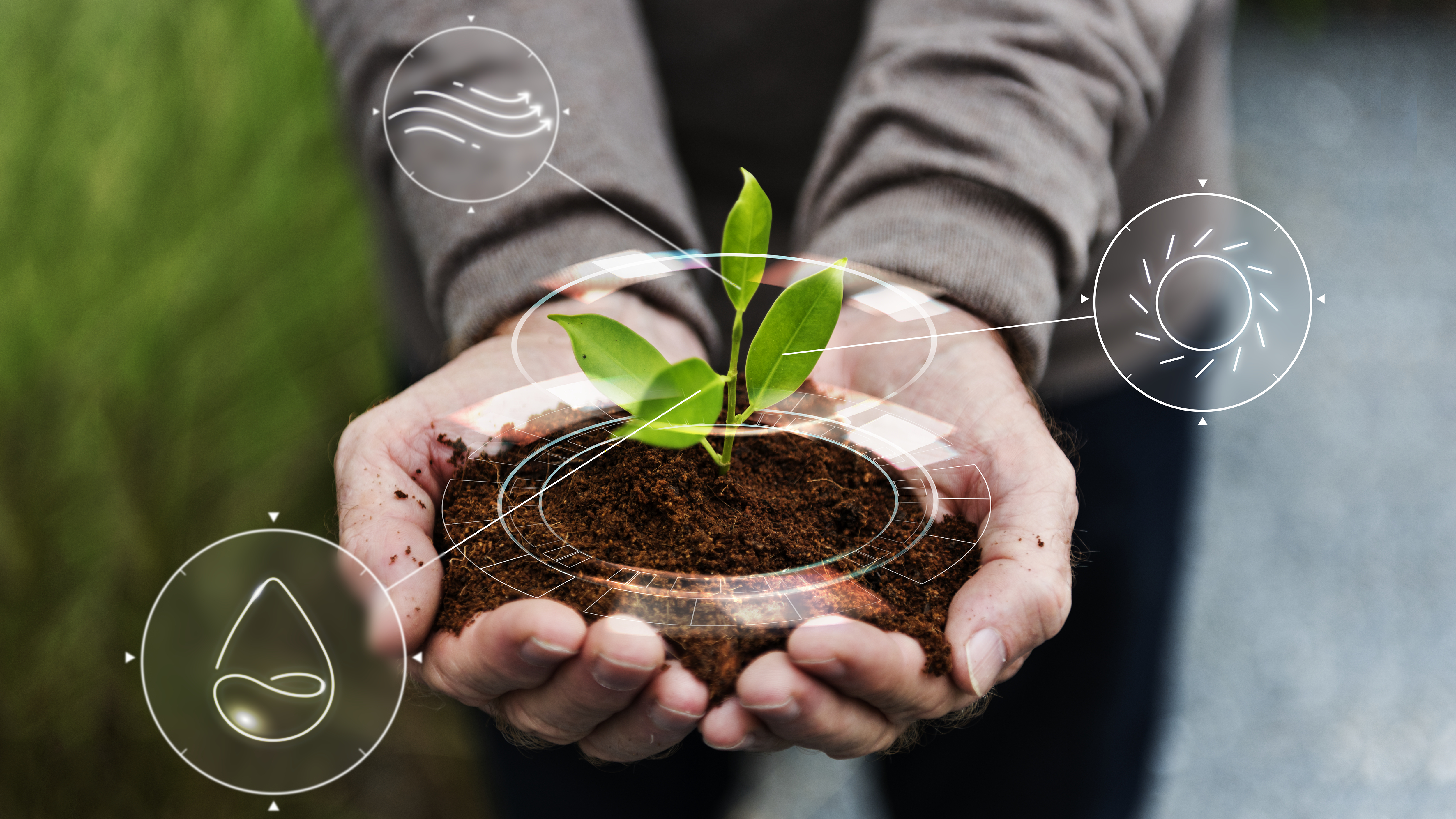
Education for Sustainable Development (ESD) is more than just planting trees or organizing recycling drives. It’s about teaching students the knowledge, skills, values, and attitudes they need to make responsible decisions — not only for themselves but also for their communities and the planet.
The United Nations has made this a key priority under the Sustainable Development Goals (SDGs), especially Goal 4: Quality Education. This means creating learning experiences where academic excellence meets sustainable development goals education in a way that’s meaningful and practical.
In ESD classrooms, lessons go beyond textbooks. For example:
-
Science classes discuss renewable energy and climate solutions.
-
Social studies covers human rights and social justice.
-
Economics explores sustainable business models.
The idea is simple: connect education to real life, so students learn not just to pass exams, but to make a difference.
Why It Matters — From Classrooms to Communities
1. Shaping Future Leaders
When students in the best school in India learn about environmental conservation, cultural respect, and social responsibility, they grow into leaders who care about creating a better future.
2. Connecting Learning to Real Life
Instead of focusing only on memorization, ESD encourages activities like:
-
Organizing clean-up drives in the community
-
Designing energy-saving projects for the school
-
Running awareness campaigns on water conservation
This way, quality education sustainable development goals become part of daily life — not just topics in a textbook.
3. Building Global Citizens
Students today will face global challenges tomorrow. Whether it’s food shortages, renewable energy needs, or climate change, sustainable development goals education prepares them to think critically and work together across cultures.
The Role of Schools in India
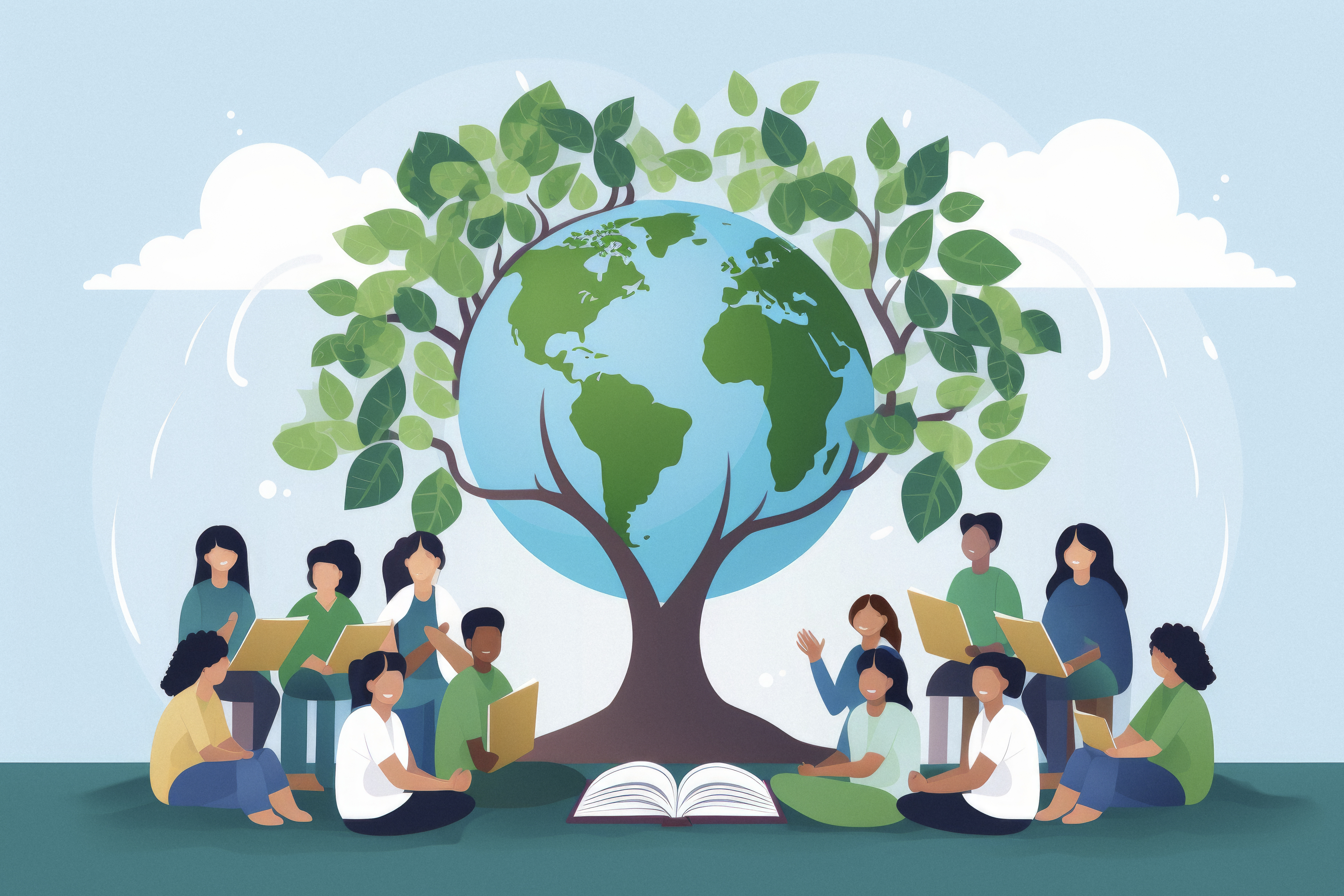
Leading by Example
Many schools in India are already taking the lead by:
-
Installing solar panels and using renewable energy
-
Practicing waste segregation and composting
-
Including environmental ethics in the curriculum
Working with the Community
Schools that involve local communities in their projects create stronger change. Students see how teamwork between schools, families, and organizations can make a big difference.
How ESD Aligns with the Sustainable Development Goals

Education for sustainable development supports several education goals:
-
Quality Education (SDG 4) – Ensuring inclusive, equitable, and effective learning.
-
Climate Action (SDG 13) – Encouraging understanding and action on climate issues.
-
Responsible Consumption (SDG 12) – Promoting mindful resource use.
-
Reduced Inequalities (SDG 10) – Building fairness and equal opportunities for all.
The best school in India focuses on these values so that students can contribute positively to the world.
Practical Ways Schools Can Integrate ESD
Here are some simple ways schools in India can bring ESD into daily learning:
-
Project-Based Learning: Assign projects focused on sustainability.
-
Eco-Clubs: Let students lead environmental initiatives.
-
Curriculum Integration: Include sustainability themes in different subjects.
-
Teacher Training: Equip teachers to deliver engaging lessons on ESD.
-
Community Partnerships: Work with local groups on impactful projects.
Measuring the Impact of ESD
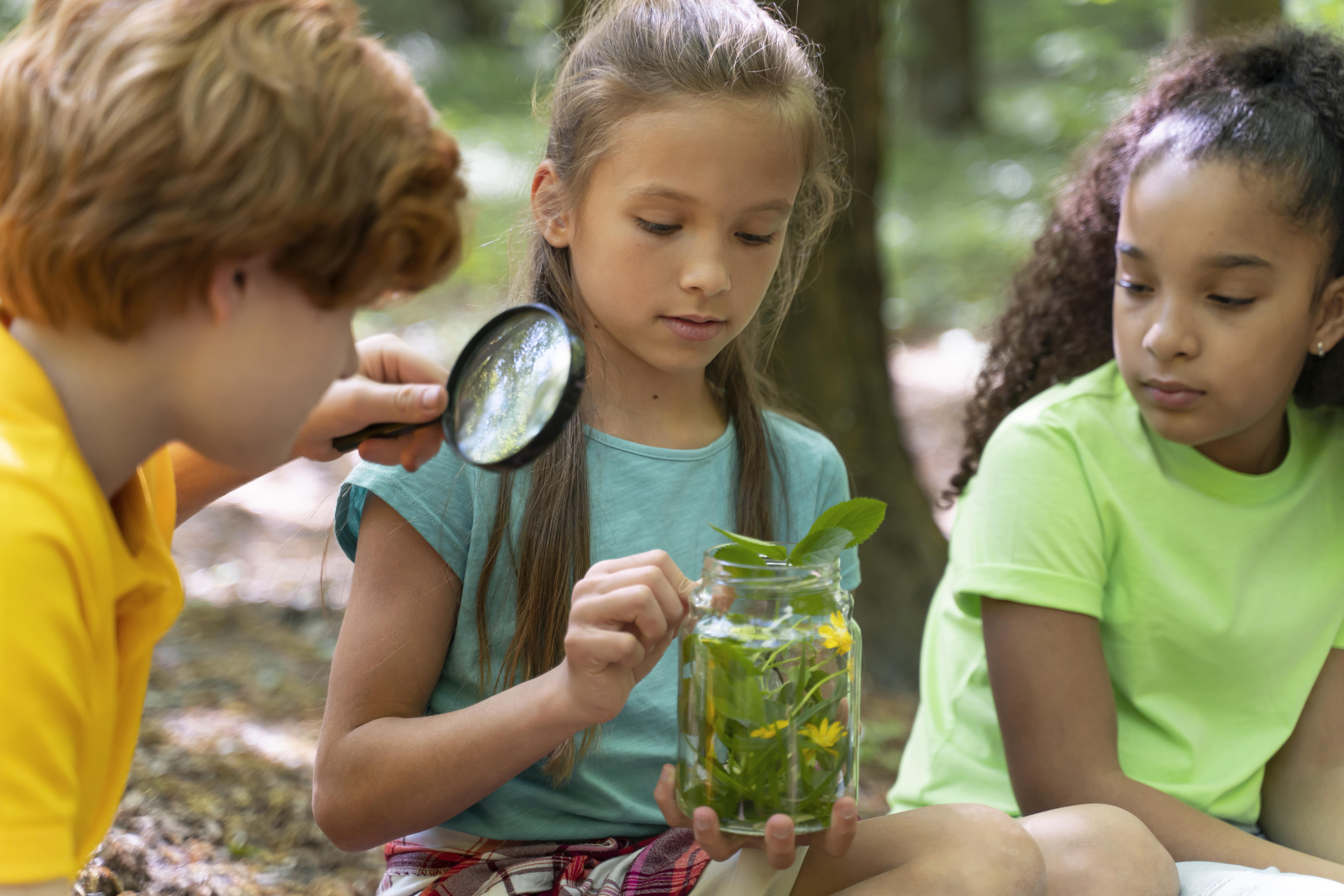
To know if ESD is working, schools can look at:
-
The number of student-led sustainability projects
-
Reduced campus waste and energy usage
-
Increased student awareness of social and environmental issues
-
Continued participation in community service after graduation
Why Parents Should Care
Parents looking for the best school in India should ask:
-
Does the school focus on education goals beyond academics?
-
Are students given opportunities to solve real problems?
-
Does the curriculum prepare children for future challenges?
Choosing a school that prioritizes ESD is a choice for both your child’s success and the planet’s future.
Conclusion
So, can education for sustainable development really change the world? Absolutely! When schools in India focus on preparing students not just for exams but also to lead with responsibility, empathy, and innovation, they’re shaping a brighter and greener future.
The best school in India isn’t only the one with high grades—it’s the one that inspires young minds to protect our planet, support their communities, and dream beyond themselves. That’s the kind of learning that leaves a lasting impact.
FAQs
1. What is education for sustainable development?
It’s a way of teaching that equips students with the knowledge, skills, and values to create a better future, balancing environmental, social, and economic needs.
2. How do schools in India practice ESD?
They include sustainability in lessons, run eco-clubs, promote green campus initiatives, and involve students in community projects.
3. Why is ESD important?
It prepares young people to address global challenges like climate change, inequality, and resource management.
4. How does ESD connect to the Sustainable Development Goals?
It directly supports goals like quality education, climate action, and reduced inequalities, ensuring a well-rounded education.
5. Which schools offer the best ESD programs?
Many top schools now include sustainability in their curriculum — look for those with strong environmental initiatives and community involvement.

Education for Sustainable Development has so much potential to inspire change, but I wonder how schools can overcome the challenges of actually implementing these ideas. What do you think are the most effective ways to integrate sustainability practices into the everyday classroom experience?