





In today’s fast-paced and dynamic world, financial literacy for students has become more important than ever. It’s not only about knowing how to save or spend money but also about developing smart money habits that ensure lifelong stability. Parents, teachers, and students together must recognize that financial literacy is a cornerstone of education and future success.
With many schools in India now introducing financial education as part of their curriculum, the need to understand money management from an early age has never been greater. This article explores the meaning of financial literacy, its core principles, and practical ways students can build a strong foundation for financial well-being.
What is Financial Literacy?

Financial literacy is the ability to understand and apply financial knowledge in real-life situations. It includes skills such as budgeting, saving, investing, handling debt, and planning for long-term goals. For students, financial literacy is about learning how to make informed money decisions, manage expenses responsibly, and eventually achieve financial independence.
Learning financial literacy early gives students the confidence to face real-world challenges like student loans, credit card usage, or personal budgeting. As financial systems become increasingly complex, students who build strong financial knowledge early are better prepared to secure their future.
What are the 5 Points of Financial Literacy?

In addition to the pillars, financial literacy can also be summarized in five key points every student should learn:
-
Earn: Understanding different sources of income such as pocket money, scholarships, or part-time jobs.
-
Spend: Learning how to spend wisely by separating needs from wants.
-
Save: Setting aside a portion of earnings regularly to build financial discipline.
-
Invest: Exploring safe investment options to grow wealth over time.
-
Protect: Safeguarding money through responsible banking, avoiding scams, and making secure financial choices.
By mastering these five points, students can build strong financial habits that last a lifetime.
Why Financial Literacy is Important for Students

Many students graduate without even the basics of money management, which often leads to financial stress later in life. Early financial education helps students understand the value of money, develop discipline in spending, and learn to prioritize needs over wants.
The benefits include:
-
Better Decision-Making: Students learn to evaluate financial options wisely.
-
Financial Independence: Skills like budgeting and saving reduce dependence on others.
-
Future Security: Knowledge of saving and investing ensures long-term stability.
By making financial literacy a priority, parents and schools help students become responsible adults who can handle life’s financial challenges.
Key Principles of Financial Literacy
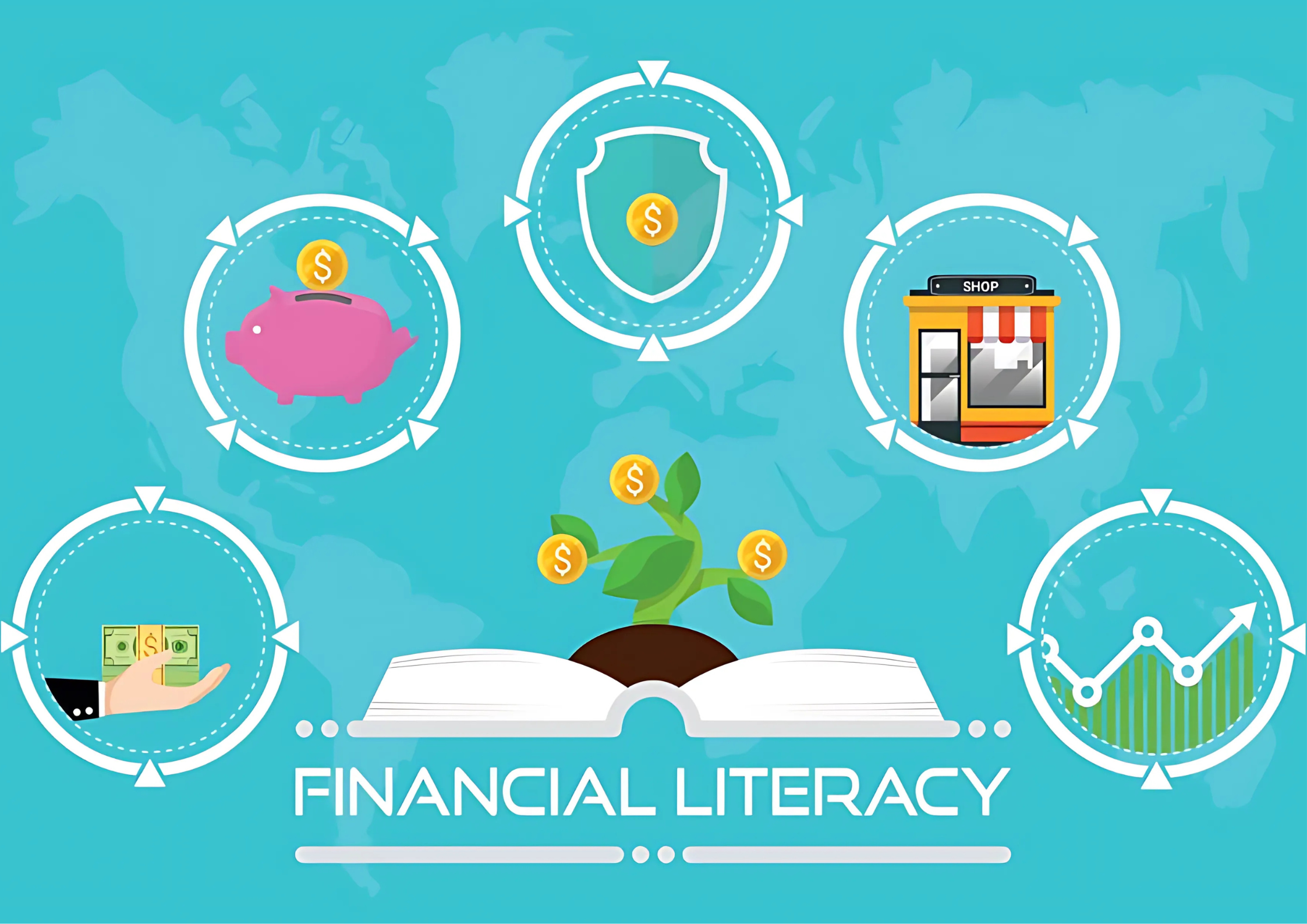
To build a lasting foundation in financial literacy, students should focus on several core principles. These principles create a roadmap for smart money management:
1. Budgeting and Money Management
Budgeting is the backbone of financial literacy. It helps students track income and expenses, prioritize essential needs over wants, and set realistic money goals. A good budget prevents overspending and reduces unnecessary debt.
2. Saving and Investing
Encouraging students to save part of their allowance or income builds discipline. Learning about compound interest and safe investments, such as savings accounts or mutual funds, helps them understand how money grows over time.
3. Understanding Debt
Students must learn about different types of debt—student loans, credit card debt, or mortgages. Knowing how interest works and learning strategies to pay off debt responsibly prevents financial stress later in life.
4. Smart Spending Habits
One of the most important money lessons is differentiating between needs and wants. Practicing mindful spending helps students avoid impulsive purchases and make better financial choices.
5. Planning for the Future
Setting short-term and long-term goals builds focus and motivation. Whether saving for a new gadget, higher education, or retirement, planning ahead ensures students stay on track with their financial journey.
By following these principles, students can create a strong foundation that supports smart and responsible money management throughout life.
What are the 4 Pillars of Financial Literacy?

Financial experts often break financial literacy into four key pillars. For students, these pillars provide a roadmap to build strong money skills:
-
Budgeting: Learning how to track income and expenses, prioritize spending, and live within limits.
-
Saving: Developing the habit of setting aside money regularly for emergencies or goals.
-
Investing: Understanding how money can grow through interest, mutual funds, or other safe investments.
-
Debt Management: Knowing how loans, credit cards, and interest work—and how to repay debt responsibly.
These pillars create the foundation of smart money management for students of all ages.
The Role of Schools in Promoting Financial Literacy
Schools play a vital role in making financial education accessible. By including finance-related subjects in the curriculum, schools can provide structured learning on money management. Courses in economics, personal finance, and entrepreneurship give students the academic foundation needed for future financial success.
Many top schools now collaborate with financial institutions and experts to organize seminars, workshops, and after-school programs. These initiatives ensure that students not only learn theory but also gain real-world exposure to financial literacy practices.
How Parents Can Support Financial Literacy at Home

Parents are the first role models when it comes to money management. By teaching children how to budget, discussing financial decisions openly, and allowing them to manage small amounts of money, parents can strengthen financial learning at home.
Here are some effective ways parents can contribute:
-
Lead by Example: Show kids how you budget, save, or make financial decisions, so they understand real-life applications.
-
Create a Family Budget: Sit with your child and build a budget together. Allocate parts of allowance for saving, spending, and even donating.
-
Encourage Small Investments: Once children understand basics, introduce them to simple investment options like bonds or savings certificates. This helps build long-term financial confidence.
Conclusion
Financial literacy is more than a life skill—it is a lifelong asset that empowers students to take charge of their future. By gaining financial knowledge early, students can make smarter decisions, develop positive money habits, and build financial security.
When parents, schools, and educators work together to promote financial literacy for students, they create a generation that is financially confident and capable of handling future challenges. Starting financial education today means ensuring a smarter, more responsible, and financially empowered tomorrow.
Frequently Asked Questions (FAQ)
1. What is financial literacy for students?
Financial literacy teaches students how to manage money, budget, save, and make smart financial decisions from an early age.
2. Why is financial literacy important for students?
It helps students develop responsible money habits, avoid debt, and prepare for financial independence in the future.
3. How can students start managing money effectively?
Students can start by creating a simple budget, tracking expenses, setting savings goals, and learning to distinguish needs vs. wants.
4. What are some key money skills students should learn?
Essential skills include budgeting, saving, investing basics, understanding credit, and making informed spending choices.
5. Are there tools to help students improve financial literacy?
Yes! Students can use apps, online courses, workshops, and games designed to teach budgeting, saving, and smart money management.