





Words shape how we express ideas, emotions, and knowledge. A strong vocabulary allows students to speak confidently, write clearly, and understand complex concepts more easily. Whether someone is preparing for exams, public speaking, or everyday communication, learning new words gradually strengthens language skills and overall confidence.
Improving vocabulary does not happen overnight. It is a continuous process that grows through reading, listening, speaking, and practicing new expressions in daily life. With the right habits and consistent effort, students can build a powerful vocabulary that supports both academic success and personal growth.
This guide explains practical and effective ways to expand vocabulary naturally while making learning enjoyable and meaningful.
Why Vocabulary Development Matters

Vocabulary is the foundation of language learning. When students know more words, they can understand lessons faster, participate actively in discussions, and present their ideas clearly.
A rich vocabulary helps students in many ways:
-
It improves reading comprehension.
-
It strengthens writing skills.
-
It boosts confidence in communication.
-
It enhances academic performance.
Students with strong vocabulary skills are also better prepared for competitive exams, presentations, and debates. Language becomes a tool for expressing creativity, logic, and knowledge.
Read Regularly to Discover New Words

Reading is one of the most effective ways to learn new words naturally. Books, newspapers, magazines, and online articles expose readers to different writing styles and expressions.
When students read regularly, they encounter unfamiliar words in context. This makes it easier to understand their meanings and remember them for future use.
To make reading more effective for vocabulary growth:
-
Choose books suitable for your level.
-
Highlight or note down unfamiliar words.
-
Try to understand the meaning from the sentence before checking a dictionary.
-
Review the new words later.
Reading not only increases vocabulary but also improves imagination and general knowledge.
Maintain a Personal Vocabulary Journal

Writing down new words helps reinforce memory. A vocabulary journal acts as a personal language notebook where students record useful words, meanings, and example sentences.
This method helps learners actively engage with new words instead of passively reading them.
A simple vocabulary journal can include:
-
The new word
-
Its meaning
-
A sentence using the word
-
A synonym or similar word
Revisiting the journal regularly strengthens retention and encourages consistent practice.
Practice Using New Words in Conversations

Learning a word is only the first step. The real progress happens when the word is used in daily conversations.
Students can try to include new words while speaking with friends, classmates, or teachers. This builds confidence and improves pronunciation.
Language activities in many Schools in Uttarakhand encourage students to practice communication through discussions, presentations, and group learning. Such environments help learners naturally apply new vocabulary while interacting with others.
When words are used in real-life communication, they become part of active vocabulary rather than remaining forgotten in notebooks.
Learn Words Through Context Instead of Memorization

Memorizing long lists of words can feel difficult and ineffective. Instead, understanding words through context makes learning more meaningful.
For example, when a student reads a story and sees how a word fits into a sentence, the brain connects the meaning with the situation. This improves both understanding and recall.
Context-based learning also helps students recognize:
-
Word usage
-
Tone and emotion
-
Sentence structure
As a result, vocabulary learning becomes more practical and easier to apply in writing and speaking.
Use Digital Tools and Word Games
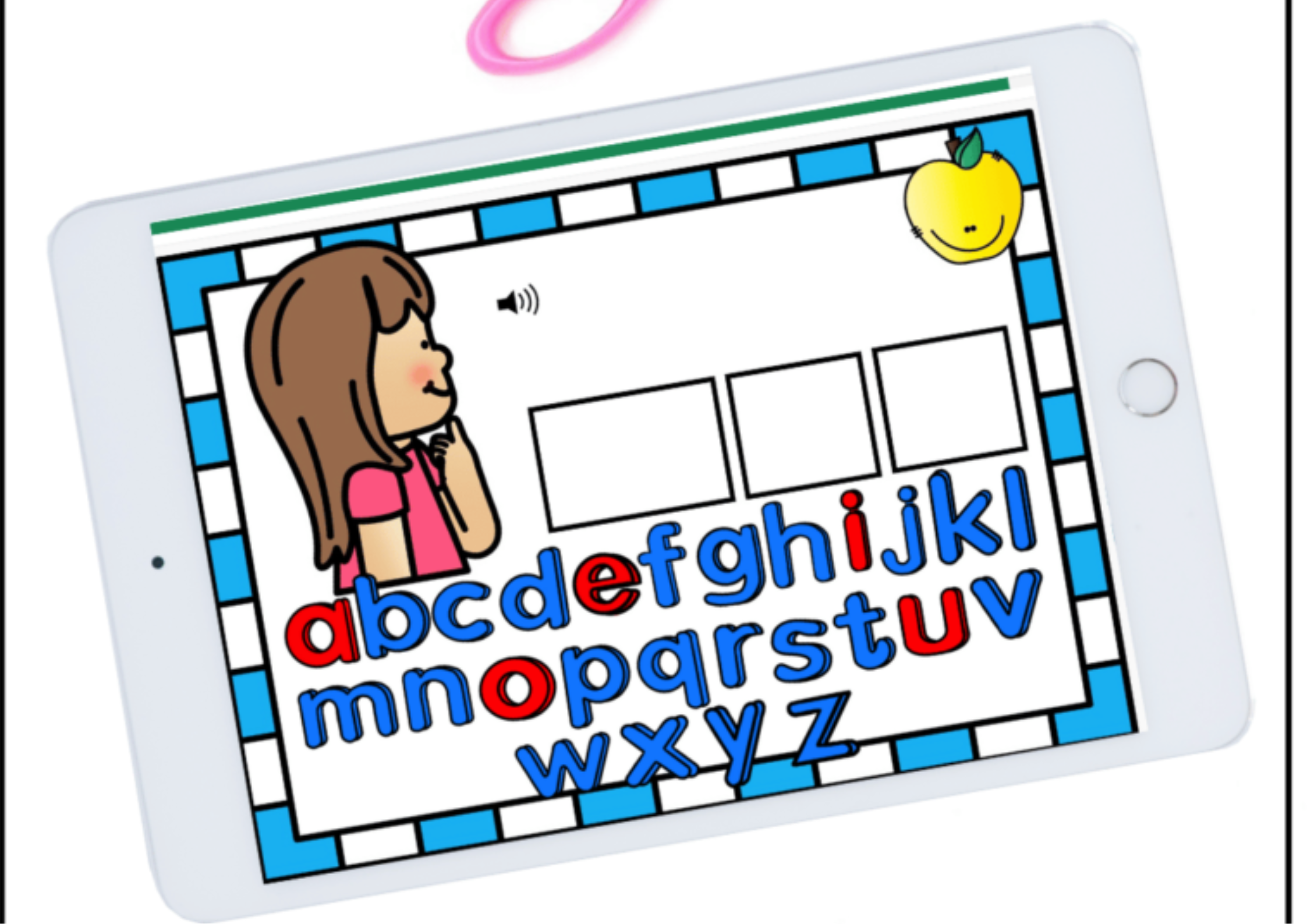
Modern learning tools offer creative ways to build vocabulary. Educational apps, word puzzles, and language games make learning interactive and engaging.
Students can explore:
-
Word puzzle games
-
Vocabulary quizzes
-
Digital flashcards
-
Language learning platforms
These tools transform vocabulary practice into an enjoyable activity rather than a routine task.
Word games also stimulate the brain, encouraging learners to think about meanings, spelling, and usage.
Participate in Speaking Activities

Public speaking and language activities help students actively use vocabulary while expressing their thoughts.
For instance, participating in an Elocution Competition encourages learners to prepare speeches, learn expressive language, and communicate ideas clearly before an audience.
Such experiences improve:
-
Word choice
-
Confidence in speaking
-
Clarity of expression
Regular participation in debates, storytelling sessions, and speech activities strengthens both vocabulary and communication skills.
Learn Word Families and Synonyms

Understanding related words helps expand vocabulary faster. Many words share similar roots or meanings, forming word families.
For example:
-
Create – creative – creation
-
Help – helpful – helpless
Learning synonyms also helps students express the same idea in different ways. This improves writing quality and prevents repetitive language.
Exploring word relationships makes vocabulary learning deeper and more structured.
Challenges Students Face While Learning Vocabulary

Although vocabulary development is important, students often face certain challenges during the process.
Lack of Consistency
Many learners start enthusiastically but stop practicing regularly. Vocabulary growth requires steady effort and patience.
Difficulty Remembering Words
Without repeated exposure and usage, new words can be forgotten quickly.
Fear of Making Mistakes
Some students hesitate to use new words because they worry about using them incorrectly.
Recognizing these challenges helps learners adopt better strategies and maintain motivation throughout the learning journey.
Benefits of a Strong Vocabulary

Developing vocabulary brings long-term advantages for students and professionals alike.
Improved Academic Performance
Understanding textbooks and exam questions becomes easier when students know a wide range of words.
Better Communication Skills
Clear and precise language helps individuals express ideas confidently in conversations and presentations.
Enhanced Writing Ability
Students can write essays, reports, and assignments more effectively when they have a diverse vocabulary.
Greater Confidence
When learners can communicate smoothly, they feel more confident participating in academic and social situations.
These benefits show how vocabulary development supports both educational and personal growth.
Building a Daily Vocabulary Habit
Vocabulary improvement works best when it becomes part of everyday life. Instead of studying words occasionally, students should develop simple daily habits.
A balanced routine may include:
-
Reading for at least 15–20 minutes daily
-
Learning a few new words each day
-
Practicing them in conversation
-
Reviewing previously learned words
Small daily efforts gradually lead to significant language improvement over time.
Consistency matters more than speed. Even learning a few words regularly can build a strong vocabulary over months and years.
Conclusion
Improving vocabulary is a gradual yet rewarding process. Through regular reading, writing, conversation, and practice, students can expand their word knowledge and communicate more effectively.
The goal is not simply to memorize difficult words but to understand them, use them confidently, and apply them naturally in real situations. When learners stay curious about language and practice consistently, vocabulary growth becomes an enjoyable journey rather than a challenging task.
In the long run, a strong vocabulary empowers students to express ideas clearly, think critically, and participate actively in academic and professional environments. By adopting simple daily habits and maintaining a positive attitude toward learning, anyone can build a richer and more powerful command of language.
Frequently Asked Questions (FAQs)
1. Why is vocabulary important for students?
Vocabulary is important because it helps students understand lessons better, express ideas clearly, and improve reading, writing, and communication skills in both academic and everyday situations.
2. What are the easiest ways to improve vocabulary daily?
Students can improve vocabulary by reading regularly, noting new words, using a dictionary, practicing conversations, and reviewing newly learned words every day.
3. How many new words should a student learn each day?
Learning 3–5 new words daily is a practical and effective approach. Consistent learning helps students remember words better and gradually build a strong vocabulary.
4. Does reading help in vocabulary development?
Yes, reading books, newspapers, and articles exposes students to new words in context, making it easier to understand meanings and remember them for future use.
5. How can students remember new words easily?
Students can remember new words by writing them in a vocabulary notebook, using them in sentences, practicing them in conversations, and revising them regularly.