




Exams are a part of every student’s life, but for many, they bring sleepless nights, sweaty palms, and a racing heart. This is called exam anxiety, and it affects more students than you might think. Whether you’re in a top boarding school in India or a local day school, the pressure to perform well can sometimes lead to exam fear.
The good news? You can overcome exam stress with the right strategies, a positive mindset, and simple lifestyle changes. In this blog, we’ll break down what exam anxiety is, why it happens, and most importantly, how you can beat it — without burning yourself out.
What is Exam Anxiety and Why Does It Happen?

Exam anxiety isn’t just “butterflies in your stomach” before a test — it’s a strong emotional, physical, and mental response that can impact how well you prepare and perform. It often feels like your brain freezes or your mind goes blank when you need it the most.
What Exactly Happens During Exam Anxiety?
When you’re anxious, your body releases stress hormones like cortisol and adrenaline. While these hormones are meant to prepare you for challenges (fight or flight response), in excess, they do the opposite — they reduce concentration, affect memory recall, and even cause physical discomfort such as headaches or nausea.
Common Causes of Exam Anxiety
-
Pressure to Succeed
High parental expectations, competitive peers, or your own perfectionist standards can make exams feel like a do-or-die situation. This pressure is especially common among students preparing for board exams or competitive entrance tests like JEE, NEET, or SATs. -
Poor Time Management
Procrastination leads to cramming at the last minute, which increases tension and reduces confidence. A scattered or unplanned study schedule is a key trigger. -
Fear of Failure
Some students develop a fear of “what if I fail?” — worrying about disappointing parents, losing self-worth, or missing future opportunities. This fear creates a mental block during exams. -
Lack of Preparation
Incomplete revision or weak understanding of key topics naturally raises anxiety levels. When your brain knows it’s not fully prepared, it signals stress. -
Previous Bad Experiences
A past exam failure or poor result often plants a seed of fear that resurfaces every exam season, creating a cycle of anxiety.
7 Proven Ways to Overcome Exam Anxiety
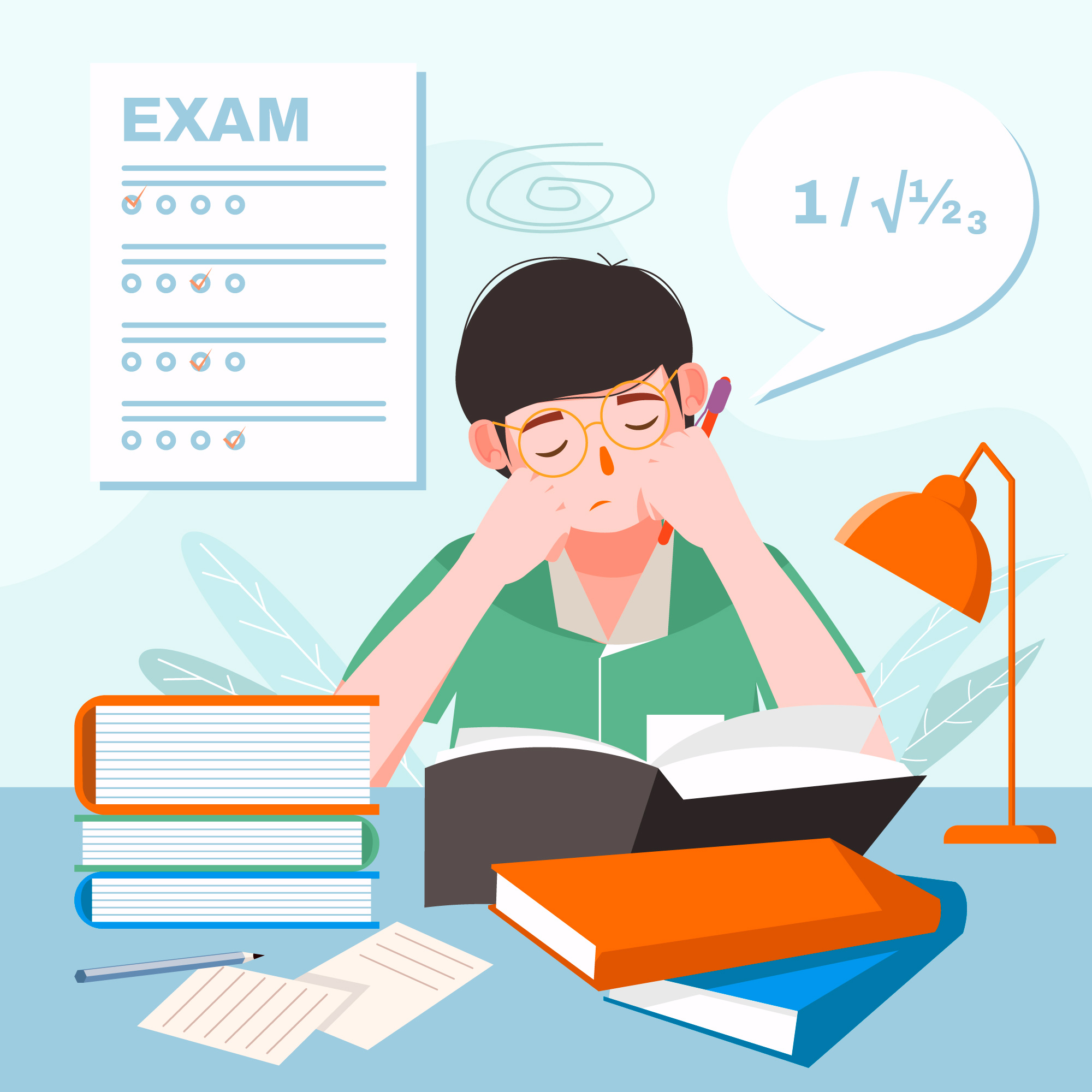
1. Start with a Realistic Study Plan
A well-organized timetable reduces last-minute cramming. Break your syllabus into smaller chunks and focus on one topic at a time.
Tip: Use techniques like the Pomodoro method — 25 minutes of focused study followed by a 5-minute break.
2. Practice Mindfulness and Relaxation
Deep breathing, meditation, or even short walks can help calm your mind. Spend at least 10 minutes daily practicing mindfulness to lower anxiety levels.
Example: Apps like Headspace or Calm offer free student-friendly meditation sessions.
3. Avoid Comparing Yourself to Others
Comparing your preparation with friends or classmates often increases exam fear. Everyone has a different pace and learning style — focus on your progress instead.
4. Take Regular Breaks and Sleep Well
Burning the midnight oil might seem productive, but it’s not. Sleep is crucial for memory retention. Aim for 7–8 hours of sleep, especially the night before the exam.
5. Eat Brain-Boosting Foods
Avoid excessive caffeine or junk food. Include walnuts, almonds, and fresh fruits in your diet to stay energized and focused.
6. Practice with Mock Tests
Taking mock exams under timed conditions helps you get familiar with the real experience. It also helps reduce fear of the unknown.
7. Talk About Your Anxiety
Sharing your worries with a parent, teacher, or counselor can make a big difference. Schools — including many schools in India — now have dedicated counselors to help students with stress.
The Role of Schools in Reducing Exam Stress

Many schools are taking steps to create a healthier exam environment. From stress-management workshops to flexible study programs, institutions are realizing that students perform better when they’re emotionally well-prepared.
For example:
-
Relaxation zones during exam season
-
Peer study groups to promote collaborative learning
-
Counseling sessions to help students identify and manage anxiety
Conclusion
Exams don’t have to be a nightmare. With the right mindset, good planning, and healthy habits, you can not only overcome exam stress but also perform your best. Remember, marks are important, but your mental well-being matters more.
Whether you study in a regular school or one of the top boarding schools in India, following these strategies will help you face exams with confidence — and even come out smiling.
FAQs about Overcoming Exam Anxiety
1. What is the fastest way to calm exam stress?
Practice deep breathing for 2–3 minutes, hydrate yourself, and focus on positive thoughts. This quickly reduces stress.
2. Can diet affect exam anxiety?
Yes, high caffeine or sugary foods can increase anxiety. Eat light, balanced meals to stay calm.
3. How early should I start preparing to avoid stress?
Ideally, start 2–3 months before major exams. Daily revision helps retain information without pressure.
4. Are there professional therapies for exam fear?
Yes, cognitive-behavioral therapy (CBT) and counseling sessions are effective for chronic exam anxiety.
5. Do top boarding schools in India help students manage exam anxiety?
Absolutely! Many boarding schools provide study planners, counseling, and peer support programs designed to overcome exam stress effectively.