




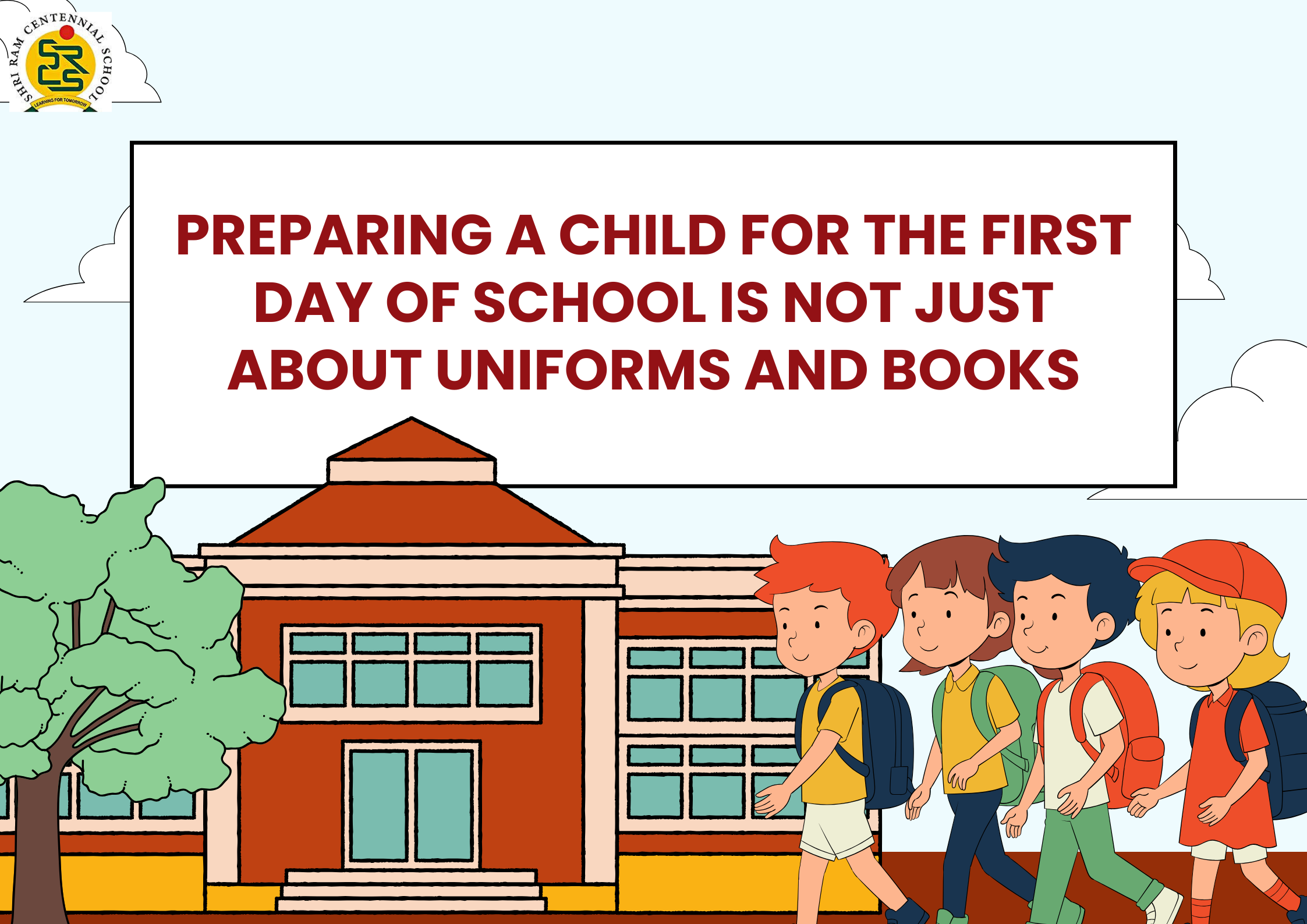
The first day of school is a big milestone in a child’s life. It brings excitement, curiosity, and sometimes fear—especially for young children attending school for the first time. For parents, this day can be equally emotional and challenging. Proper preparation can turn first-day anxiety into confidence and excitement.
Helping your child feel safe, prepared, and positive before their first day of school sets the foundation for a happy and successful learning journey.
Why the First Day of School Is Important

A child’s first school experience shapes their attitude toward learning, teachers, and classmates. A stressful start may create fear, while a positive beginning helps children feel comfortable and confident in school environments.
That’s why preparation matters—not just academically, but emotionally too.
Common Fears Children Have Before the First Day of School

Understanding your child’s fears helps you support them better. Common concerns include:
-
Fear of separation from parents
-
Worry about new teachers and classmates
-
Anxiety about unfamiliar surroundings
-
Fear of not making friends
-
Nervousness about routines and rules
These feelings are normal and should be handled with patience.
How to Prepare a Child for the First Day of School

1️⃣ Talk Positively About School
Introduce school as a fun and safe place. Share positive stories about learning, friends, and activities instead of focusing on rules or discipline.
Avoid statements like:
❌ “You must behave or the teacher will scold you.”
Use encouraging words like:
✅ “You’ll learn new things and make new friends.”
2️⃣ Visit the School in Advance
If possible, take your child to see the school before the first day. Show them classrooms, playgrounds, and washrooms. Familiar surroundings reduce fear and build comfort.
3️⃣ Establish a Daily Routine Early
Start a school-like routine a week before:
-
Fixed wake-up time
-
Meal timings
-
Play and rest schedules
This helps the child adjust smoothly on the first day.
4️⃣ Prepare School Essentials Together
Involve your child while buying or arranging:
-
School bag
-
Uniform
-
Shoes
-
Stationery
This creates excitement and a sense of responsibility.
5️⃣ Practice Separation Gradually
If your child is not used to staying away from you:
-
Leave them with relatives for short periods
-
Encourage independent play
This builds emotional readiness for school hours.
6️⃣ Teach Basic Independence Skills
Before school starts, help your child learn:
-
Using the washroom independently
-
Eating meals on their own
-
Packing and unpacking their bag
These small skills boost confidence greatly.
7️⃣ Answer Questions Honestly
Children may ask:
-
“Will you stay with me?”
-
“What if I cry?”
Answer calmly and honestly. Reassure them that it’s okay to feel nervous and that teachers are there to help.
8️⃣ Read School-Themed Storybooks
Storybooks about school help children understand what to expect. They normalize emotions and make the idea of school familiar and friendly.
9️⃣ Keep the First Day Calm and Stress-Free
On the first day:
-
Wake up early
-
Avoid rushing
-
Keep the mood light and cheerful
A calm morning helps the child feel secure.
🔟 Say a Confident and Loving Goodbye
Avoid long emotional goodbyes. Smile, reassure your child, and leave confidently. Children often take emotional cues from parents.
What Parents Should Avoid on the First Day
-
Showing anxiety or fear
-
Comparing the child with others
-
Threatening discipline
-
Forcing confidence
Patience and reassurance work better than pressure.
How Teachers and Schools Help New Students Adjust
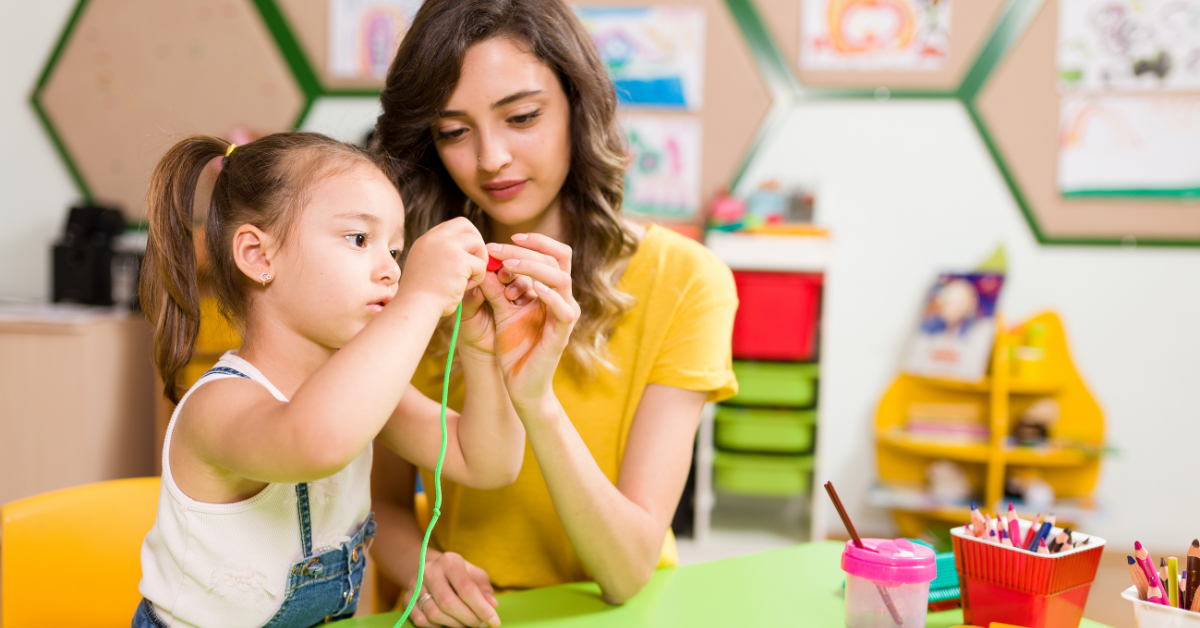
Good schools support first-time students by:
-
Creating welcoming environments
-
Allowing gradual adjustment
-
Offering emotional support
-
Encouraging peer bonding
Parents and schools must work together for a smooth transition.
Conclusion
Preparing a child for the first day of school is about building emotional security, confidence, and excitement. With patience, positive communication, and gradual preparation, parents can help children begin their school journey happily and confidently. A smooth first day often leads to a positive attitude toward learning for years to come.
FAQs: Preparing a Child for the First Day of School
How early should parents start preparing a child for school?
Preparation should ideally begin 1–2 weeks before the first day.
Is it normal if a child cries on the first day of school?
Yes, it is very common and usually temporary.
Should parents stay at school if the child is anxious?
It depends on school policy, but short goodbyes are generally better.
How long does it take for a child to adjust to school?
Most children adjust within a few days to a few weeks.
What if my child refuses to go to school?
Stay calm, talk to teachers, and provide emotional support without forcing or scolding.