





In today’s fast-evolving education system, learning has gone far beyond textbooks and individual assignments. Teachers now focus on group project ideas that encourage collaboration, creativity, and problem-solving among students.
Whether you’re a student searching for engaging project ideas or a teacher planning collaborative classroom activities, this guide explores a variety of creative group project ideas that make learning interactive, meaningful, and fun.
Why Group Projects Matter

Group projects are more than a test of knowledge — they’re a reflection of how well you can work with others. They simulate real-world experiences where collaboration is key. Whether you’re designing a science model, creating a business pitch, or working on an art installation, teamwork is what brings the best results.
Here’s why group projects matter so much for students:
-
Develop Communication Skills: They help students share ideas confidently and listen to others.
-
Promote Critical Thinking: Brainstorming together often leads to creative problem-solving.
-
Enhance Leadership Qualities: Every group project allows someone to lead, plan, or coordinate.
-
Encourage Time Management: Students learn to meet deadlines and divide responsibilities.
-
Build Real-Life Teamwork: Group projects mirror professional teamwork in careers and communities.
In short, group projects don’t just teach academics — they teach life skills.
How to Choose the Right Group Project Idea

Before jumping into a project, choosing the right topic is essential. The best project ideas are those that connect with your interests and align with your subject goals.
Here’s how to pick wisely:
-
Know Your Group Strengths: If your group loves art, go for creative visual projects. If everyone’s into tech, try building a digital model.
-
Understand the Subject Objective: A science project should test experiments; a history project should analyze events; an English project might focus on storytelling.
-
Stay Practical: Choose projects that can be realistically completed within your time and resources.
-
Keep It Engaging: Pick a topic that excites the team — enthusiasm fuels productivity.
-
Add Real-World Relevance: Choose something that connects theory with everyday life or community problems.
Top Group Project Ideas for Students
Here are some creative, practical, and fun Group Project Ideas that students can try — whether you’re in school or college.
1. Science Group Project Ideas
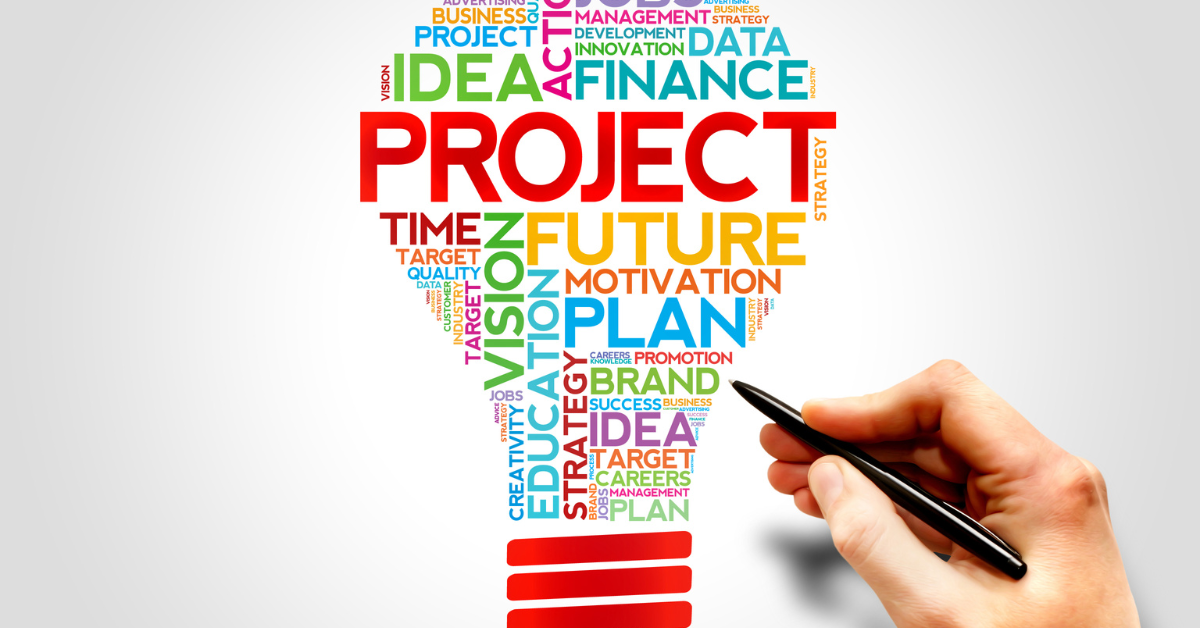
Science projects are perfect for students who love experimenting and learning by doing. They offer the chance to apply theories to real-world challenges while encouraging curiosity and teamwork.
Eco-Innovation Challenge: Encourage your group to design a prototype that solves an environmental problem — like a low-cost water purifier or an energy-saving gadget.
DIY Water Filtration Models: Build and test homemade filters using sand, charcoal, and gravel to understand how water purification works.
Renewable Energy Showcase: Compare solar, wind, and hydroelectric power through interactive models, posters, or presentations.
These science group project ideas not only make learning exciting but also promote creativity, sustainability, and innovation among students.
2. Social Studies and History Projects
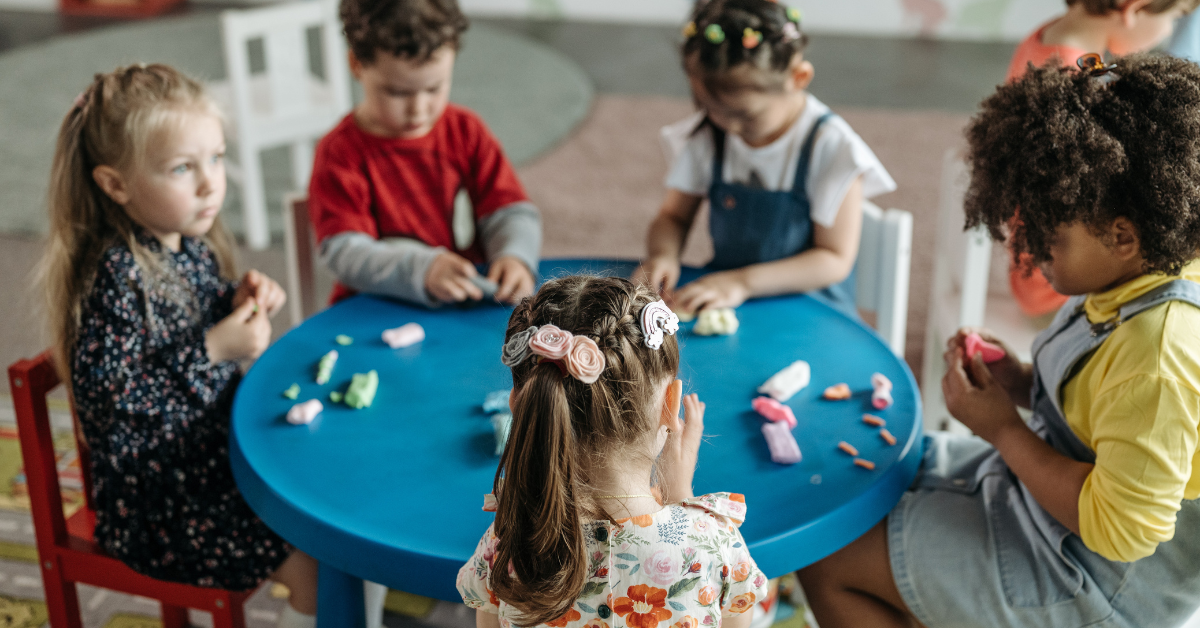
History and social studies can become far more engaging when students dive into storytelling, debates, and simulations.
Create a Time Capsule: Pick a historical era, research its culture, technology, and lifestyle, and build a time capsule — either digital or physical — to represent it.
Mock United Nations Debate: Assign each team a country and a global issue. Students research their nation’s policies and present arguments just like diplomats in a UN assembly.
Mini-Documentary: Work together to write, film, and edit a short documentary about a turning point in history — from independence movements to social revolutions.
These activities sharpen research and critical-thinking skills while helping students appreciate global perspectives and citizenship.
3. Literature and English Projects

Language and literature become more enjoyable when creativity meets collaboration.
Book Trailer Creation: Transform your favorite novel into a movie-style trailer using visuals, background music, and narration.
Character Diaries: Each member writes journal entries from the viewpoint of a different character and then merges them into a single, compelling story.
Classroom Podcast: Record a podcast episode where your team discusses a book’s themes, symbols, and messages — just like a literature circle on air.
These projects make reading interactive and help students explore literature through modern, relatable formats.
4. Mathematics Group Projects
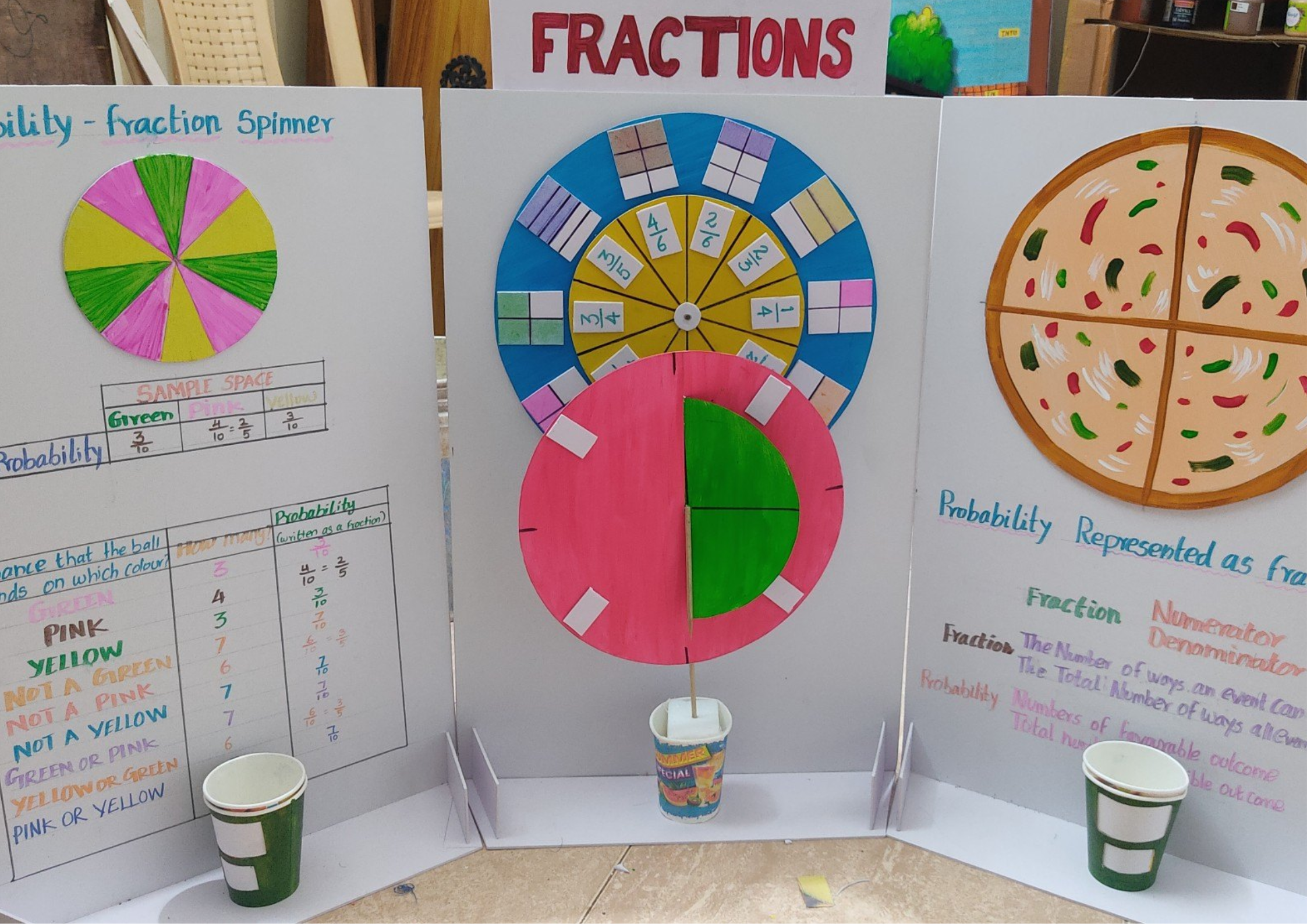
Mathematics doesn’t have to feel abstract — it becomes meaningful when connected to real-life scenarios.
Math in Everyday Life: Apply geometry or algebra to design a real project, like creating a home floor plan or planning a school event within budget limits.
Design a Math Game: Build a board or card game that helps younger students practice key math concepts.
Data Survey Project: Conduct a survey on topics like study habits or favorite sports, then analyze and present your findings using graphs and statistics.
Math group projects transform numbers into stories, showing students that problem-solving is a skill used daily.
5. Start-Your-Own-Business Project
Combine creativity and practicality by designing a mini-startup. Students can:
-
Conduct market research
-
Develop product prototypes
-
Plan budgets and pricing
-
Design marketing campaigns
This hands-on experience introduces real-world skills like financial planning, teamwork, and innovation. It’s ideal for commerce and economics students aiming to understand business fundamentals early.
6. Community Impact Projects

Group projects don’t have to stay inside the classroom — they can make a real difference in society.
Fundraiser for a Cause: Organize an event or drive to support a local NGO, animal shelter, or disaster relief campaign.
Awareness Campaign: Design posters, videos, or social media campaigns around themes like gender equality, environmental protection, or digital safety.
School Improvement Plan: Work together to beautify your campus or initiate a recycling or cleanliness drive.
These projects cultivate empathy, social awareness, and leadership while strengthening teamwork and responsibility.
7. STEAM Projects (Science, Technology, Engineering, Arts & Math)
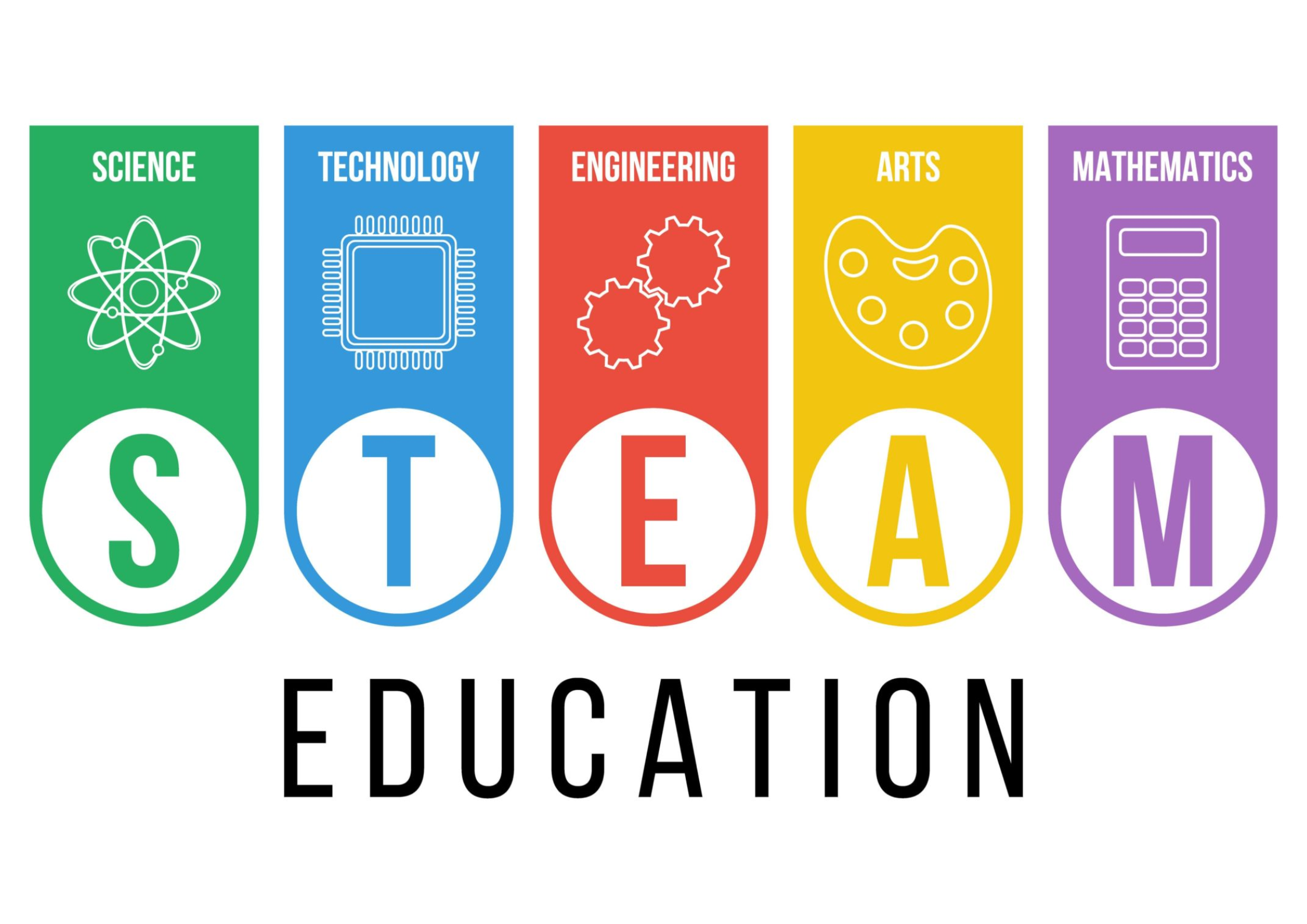
For students who love creativity mixed with innovation, STEAM projects are ideal.
Build a Simple Robot: Create a basic robot or automated device that performs simple functions like movement or object detection.
Code Meets Art: Use basic coding to produce an interactive digital art piece or music visualizer.
Engineering Challenge: Construct a bridge or tower model using everyday materials that can withstand specific weight limits.
These projects encourage experimentation, resilience, and critical thinking — the foundation of modern education.
Tips for Making Group Projects Successful
Even the most creative group project ideas work best with a plan and strong teamwork. Here are some smart strategies:
-
Assign Clear Roles: Designate team members as researchers, writers, designers, or presenters to ensure equal participation.
-
Use Assessment Rubrics: Evaluate both teamwork and individual contribution to maintain fairness.
-
Set Deadlines and Milestones: Break tasks into smaller goals to avoid last-minute stress.
-
Encourage Peer Feedback: Discuss what worked well and what can be improved — collaboration is a learning process.
-
Leverage Digital Tools: Use apps like Google Docs, Canva, or Trello for collaboration and organization.
When students work with structure and mutual respect, group projects become fun, fulfilling, and productive.
Benefits of Working on Group Projects

Group projects help students discover that learning isn’t just about grades — it’s about growing together. Here’s why they’re valuable:
-
Improved Communication: You learn to share ideas, listen actively, and express opinions respectfully.
-
Collaborative Learning: Students learn from one another’s perspectives and knowledge.
-
Confidence Boost: Presenting together reduces stage fear and builds public speaking skills.
-
Creative Problem-Solving: Multiple ideas bring innovative solutions.
-
Enhanced Academic Performance: Working together deepens understanding of the subject.
In short, group projects transform learning from “me” to “we.”
Best Tools to Make Group Projects Easier
Modern learning tools simplify collaboration. Here are a few must-haves:
-
Google Docs: Real-time collaboration on essays and reports.
-
Trello / Notion: Task management and tracking deadlines.
-
Canva: Designing infographics, slides, or posters.
-
Zoom / Google Meet: Virtual discussions for students in different locations.
-
Miro: Brainstorming tool for visual mapping.
These tools make teamwork more efficient, especially for college students or remote learners.
Final Thoughts
Group projects are the perfect blend of learning, teamwork, and creativity. They allow students to step out of their comfort zone and prepare for real-world collaboration. The key is not just completing the task — but enjoying the process, learning from each other, and celebrating shared success.
In many of the best schools in India, such group activities are seamlessly woven into daily learning. They nurture communication, leadership, and problem-solving — skills that last far beyond the classroom.
Whether you’re in high school or college, embrace every group project as an opportunity to grow, lead, and connect. Because when ideas merge, learning truly becomes limitless.
Frequently Asked Questions (FAQs)
1. Why are group projects important for students?
Group projects help develop teamwork, problem-solving, and communication skills that go beyond academics.
2. What are some creative group project ideas for students?
Ideas include community awareness drives, short films, business startup simulations, or tech innovation challenges.
3. How can students manage group work effectively?
By dividing tasks, setting deadlines, using digital tools, and maintaining open communication.
4. What is the benefit of collaborative learning?
It enhances understanding through shared knowledge and helps students build social and emotional skills.
5. How can teachers encourage better group work?
By guiding teams in setting goals, promoting inclusivity, and appreciating collective effort rather than just results.