






Education goes beyond textbooks; it is shaped by spaces where students feel supported, encouraged to think, interact, and ask questions. A positive learning environment helps learners understand better, gain confidence, and develop lifelong skills, leading to natural academic growth.
For students, parents, and educators, recognizing the elements that make learning spaces effective—such as emotional safety, clear teaching approaches, and supportive relationships—is essential, as these factors together define why a positive environment matters, the benefits it offers, the challenges involved, and the practical ways to overcome them.
Understanding the Concept of a Positive Learning Environment

A positive learning environment goes beyond physical classrooms. It includes emotional, social, and academic aspects that shape a student’s daily experience. Such an environment encourages curiosity, respects diversity, and promotes healthy relationships between teachers and learners.
Students perform better when expectations are clear, communication is open, and mistakes are treated as part of the learning journey. This atmosphere builds trust, which is essential for participation and growth.
Key Elements That Define It
-
Emotional safety: Students feel free to express ideas without fear of judgment
-
Clear structure: Consistent routines and expectations provide stability
-
Supportive relationships: Mutual respect between teachers and students
-
Inclusive practices: Every learner feels seen and valued
Together, these elements create a foundation where learning feels meaningful rather than forced.
Core Factors That Improve Student Success

Creating an effective learning environment requires intentional effort. Several key factors directly influence how students respond to academic challenges and opportunities.
1. Teacher Attitude and Approach
Teachers play a central role in shaping classroom culture. A calm, encouraging, and fair approach helps students feel secure. When educators listen actively and respond thoughtfully, students are more likely to engage and ask questions.
Positive reinforcement, constructive feedback, and patience create a sense of belonging. This connection motivates learners to take responsibility for their progress.
2. Student Engagement and Participation
Active participation keeps students interested and focused. Discussions, group activities, and real-life examples make lessons more relatable. When learners are involved rather than passive, they retain information better.
Encouraging collaboration also helps students develop communication and teamwork skills that extend beyond academics.
3. Physical and Digital Learning Spaces
Well-organized classrooms with adequate lighting, seating, and resources support concentration. In today’s world, digital tools also play a role. Technology, when used thoughtfully, can enhance understanding and accessibility.
A balanced setup—where physical comfort meets modern tools—supports different learning styles effectively.
4. Clear Goals and Expectations
Students perform better when they understand what is expected of them. Clear learning objectives, transparent assessment methods, and consistent feedback reduce anxiety and confusion.
When goals are achievable and well-explained, students gain confidence and stay motivated throughout the Teaching Learning Process.
Benefits of a Positive Learning Environment
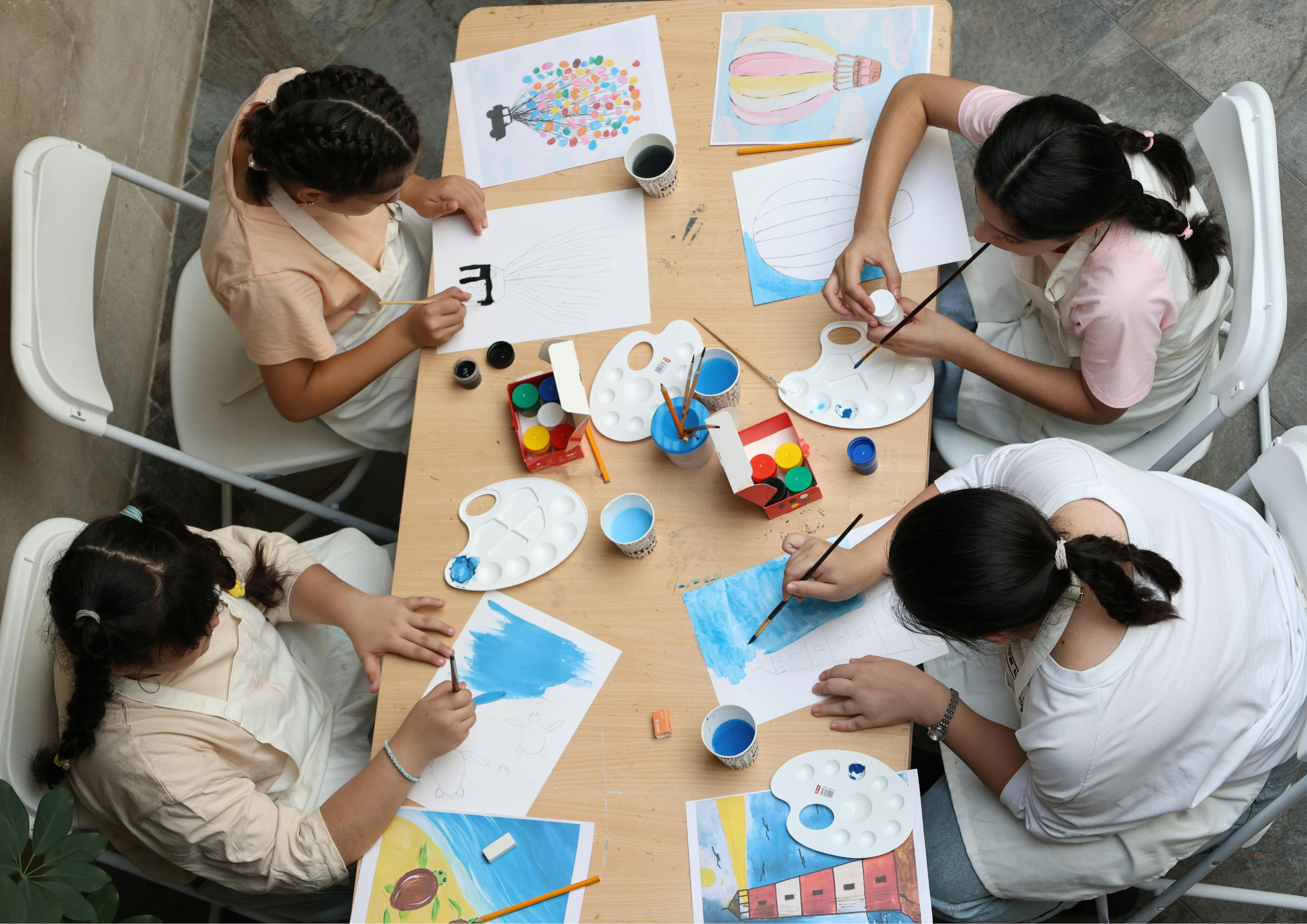
The impact of a healthy learning environment extends well beyond grades. Its benefits touch academic performance, emotional development, and long-term success.
Academic Improvement
Students learn more effectively when distractions are reduced and support is consistent. Better focus leads to stronger comprehension, improved memory, and higher achievement levels.
Emotional and Social Growth
A supportive setting helps students develop self-esteem and emotional resilience. They learn to manage stress, respect others’ perspectives, and resolve conflicts constructively.
Increased Motivation and Independence
When learners feel encouraged, they take ownership of their education. This sense of responsibility fosters independence and prepares them for future challenges.
Stronger Teacher–Student Relationships
Mutual trust improves communication and cooperation. Teachers gain insight into student needs, while students feel comfortable seeking guidance.
Common Challenges in Creating a Positive Learning Environment

Despite best intentions, schools often face obstacles in maintaining a supportive learning atmosphere. Recognizing these challenges is the first step toward improvement.
Diverse Learning Needs
Every classroom includes students with different abilities, backgrounds, and learning styles. Addressing these differences requires flexibility and additional support, which may not always be available.
Academic Pressure and Stress
High expectations and exam-focused systems can create stress for students. Without proper balance, pressure may reduce curiosity and enjoyment in learning.
Limited Resources
Not all institutions have access to modern facilities or technology. Even a well-intentioned school in India may struggle to provide equal opportunities due to budget or infrastructure constraints.
Communication Gaps
Misunderstandings between teachers, students, and parents can affect consistency and trust. Clear communication is essential but not always easy to maintain.
Practical Solutions to Overcome These Challenges

Creating a positive learning environment is an ongoing process. Small, consistent actions can make a significant difference.
Adopting Inclusive Teaching Practices
Using varied teaching methods helps reach different learners. Visual aids, discussions, and hands-on activities ensure that no student feels left behind.
Promoting Emotional Well-being
Incorporating mindfulness, counseling support, and open conversations about mental health reduces stress and builds resilience.
Encouraging Parental Involvement
When parents and educators work together, students receive consistent guidance. Regular updates and constructive feedback strengthen this partnership.
Continuous Teacher Development
Training programs help teachers adapt to changing student needs and educational trends. Skilled educators are better equipped to create engaging and supportive classrooms.
The Role of Leadership and School Culture

School leadership sets the tone for the entire learning community. Administrators who prioritize well-being, collaboration, and innovation create conditions where teachers and students can succeed.
A positive culture values respect, transparency, and continuous improvement. When these values are reflected in daily practices, the learning environment becomes more effective and sustainable.
Conclusion: Building Spaces Where Students Thrive
A positive learning environment does not happen by chance. It is shaped through thoughtful planning, strong relationships, and a shared commitment to student growth. When emotional safety, engagement, and clarity come together, learning becomes a rewarding experience rather than a routine task.
For students, it means confidence and curiosity. For parents, it brings reassurance. For educators, it creates purpose and connection. By addressing challenges with practical solutions and focusing on holistic development, schools can build environments that truly support student success—today and for the future.
Frequently Asked Questions
1. How does a positive learning environment affect student behavior?
A positive learning environment reduces discipline issues by promoting respect, trust, and emotional balance, helping students behave more responsibly.
2. Can a positive learning environment help introverted or shy students?
Yes, supportive and non-judgmental classrooms encourage introverted students to participate comfortably and express themselves at their own pace.
3. What role does peer interaction play in a positive learning environment?
Healthy peer interaction builds confidence, communication skills, and empathy, making learning more engaging and socially enriching.
4. How can schools measure if their learning environment is positive?
Schools can assess student engagement, attendance, feedback, emotional well-being, and academic consistency to evaluate their learning environment.
5. Does a positive learning environment impact learning beyond school life?
Absolutely. It develops critical thinking, emotional intelligence, and adaptability—skills essential for higher education, careers, and life.