




Boarding schools in India have long been admired for offering more than just academic excellence. They provide a unique environment where students learn to live independently, build lasting friendships, and develop life skills that go beyond textbooks. Life in boarding schools in India is often described as a blend of learning, discipline, freedom, and holistic development—an experience that shapes character and confidence.
This article explores what makes life in Indian boarding schools special, daily routines, the benefits and challenges students may face, and why many families choose this path for their children.
What Is Life Like in Boarding Schools in India?

Life in boarding schools in India goes beyond traditional classroom learning. It is a structured yet lively lifestyle where academics, activities, values, friendships, and responsibilities come together. Here, students live on campus throughout the academic year, supervised by teachers and mentors who act as parents away from home.
Instead of just studying and going back home, students follow routines, participate in campus activities, and enjoy a vibrant community life.
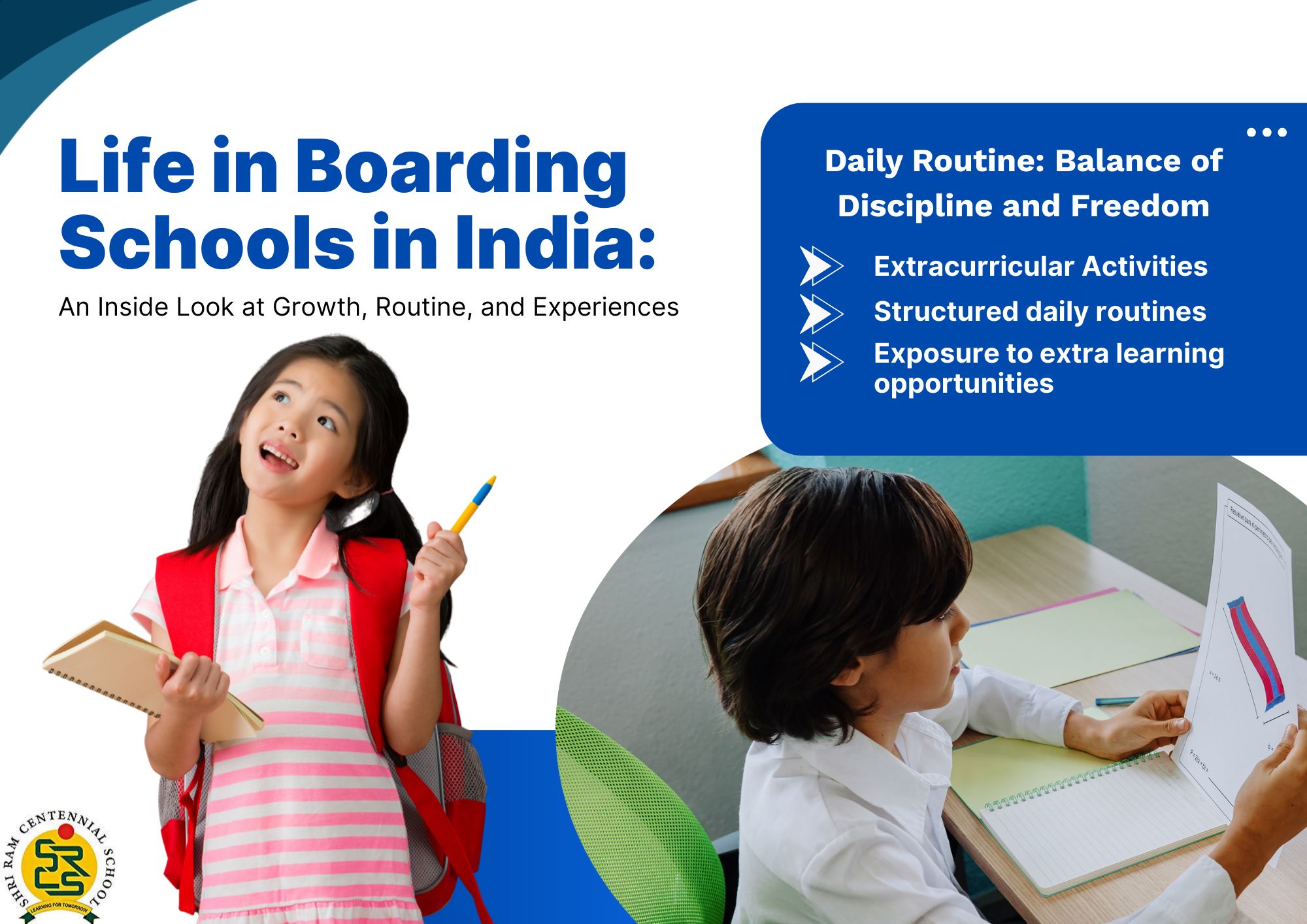
Daily Routine: Balance of Discipline and Freedom

A typical day in boarding schools in India is carefully planned yet filled with variety:
Morning Rituals
Students usually wake up early, followed by morning assembly, physical exercise, or sports. This helps start the day with energy and focus.
Academics
Regular classes begin after breakfast. The curriculum is challenging but balanced, covering core subjects with interactive methods.
Lunch and Breaks
Meals are provided in dining halls, and breaks give students a chance to interact, relax, or catch up on study.
Evening Activities
Extracurricular activities such as music, art, drama, debates, martial arts, or clubs keep students engaged and creative.
Study Hours
Evening study sessions or supervised homework time help students revise what they learned during the day.
Nighttime Routine
After dinner, leisure time continues with friends or quiet reading before lights out.
This rhythm teaches students time management, teamwork, and how to make the most of every day.
Key Components of Life in Boarding Schools
1. Academics with Support
Boarding schools in India often adopt strong academic programs with personalised attention. Teachers know students well, help with doubts, and track progress regularly.
2. Extracurricular Activities
From sports to performing arts, students are encouraged to explore interests and talents. These activities build confidence, leadership, and a sense of accomplishment.
3. House System and Community Spirit
Many boarding schools use a house system, where students stay and compete in teams. This fosters healthy competition, loyalty, and teamwork.
4. Discipline and Responsibility
Students follow rules, care for personal space, and complete daily routines—an experience that builds responsibility and independence.
5. Cultural and Social Exposure
Schools organise events, festivals, and community service activities. Students learn respect for diversity and develop social awareness.
Benefits of Boarding School Life in India

1. Personal Growth and Independence
Without parents around all the time, students learn to take care of themselves, manage time, make decisions, and solve problems independently.
2. Structured Learning Environment
Routine and discipline help students focus on goals and build self-confidence.
3. Strong Friendships and Support Networks
Living with peers creates deep friendships and a sense of belonging that lasts a lifetime.
4. Leadership and Teamwork Skills
Collaborative activities, clubs, and leadership roles help students develop qualities essential for future success.
5. Exposure to Diverse Cultures
Boarding schools often have students from different regions and backgrounds, promoting cultural appreciation and global perspective.
Challenges Students May Face
Life in boarding schools in India is rewarding, but not without challenges:
Homesickness is common initially, especially for younger students.
Adjustment to routines may take time.
Balancing academics and activities can be demanding.
However, most students adapt quickly with support from teachers, house-parents, and fellow peers.
Real-Life Example: A Student’s Perspective

Imagine a student named Arjun who joined a boarding school in Grade 7. Initially, he missed home and family meals. But within weeks, he found friends who shared study sessions, supported him in competitions, and became his second family. Over time, Arjun became more confident, managed his schedule well, and discovered his passion for debating. His transformation highlights how life in boarding schools in India fosters independence, growth, and personal discovery.
Why Parents Choose Boarding Schools in India
Parents often choose boarding schools for reasons such as:
Consistent academic support
Safe and supervised campus environment
Structured daily routines
Exposure to extra learning opportunities
Development of life skills and resilience
Many families also appreciate that boarding schools prepare students well for future challenges in college and beyond.
Conclusion
Life in boarding schools in India is an enriching journey where education meets experience. Students learn to balance discipline with freedom, studies with activities, and independence with values. Beyond academic success, boarding school life builds confidence, character, and lifelong friendships.
For many students, it becomes more than a school—it becomes a home away from home, a place where they grow, explore, and prepare for life ahead.
FAQs on Life in Boarding Schools in India
Q1. What is the typical daily routine in boarding schools in India?
Ans: Students follow a structured schedule with classes, meals, study hours, sports, activities, and evening revision.
Q2. Are boarding schools suitable for young children?
Ans: Yes, with proper support and a nurturing environment, many younger students adapt well over time.
Q3. How do boarding schools help with personal growth?
Ans: They build independence, discipline, time management, and social skills through daily responsibilities and activities.
Q4. Do students get academic support in boarding schools?
Ans: Yes. Teachers provide regular guidance, doubt-clearing sessions, and supervised study hours.
Q5. Is life in boarding school stressful?
Ans: It may feel challenging initially, but most students adapt quickly and enjoy a balanced, fulfilling experience.