





Mental Health Awareness is no longer a topic limited to doctors or therapists—it is a shared responsibility that affects families, schools, workplaces, and communities. In today’s fast-moving world, people often focus on physical health while silently struggling with emotional stress, anxiety, or burnout. Recognizing mental health as equally important is the first step toward a healthier and more balanced society.
When mental health is ignored, small concerns can quietly grow into serious challenges. Awareness helps people understand what they are feeling, why it matters, and when to seek support—without fear or stigma.
Understanding Mental Health Awareness
What Does Mental Health Awareness Mean?
Mental health awareness refers to understanding emotional, psychological, and social well-being. It involves recognizing how thoughts, feelings, and behaviors affect daily life and relationships. Awareness also means knowing that mental health conditions are common and treatable, not a sign of weakness.
Why Awareness Is Often Overlooked
Many people hesitate to talk about mental health due to fear of judgment or misunderstanding. In some communities, emotional struggles are dismissed as temporary or ignored altogether. This silence delays help and increases emotional strain, especially among young people and working adults.
Why Mental Health Awareness Is Important
1. Encourages Early Identification
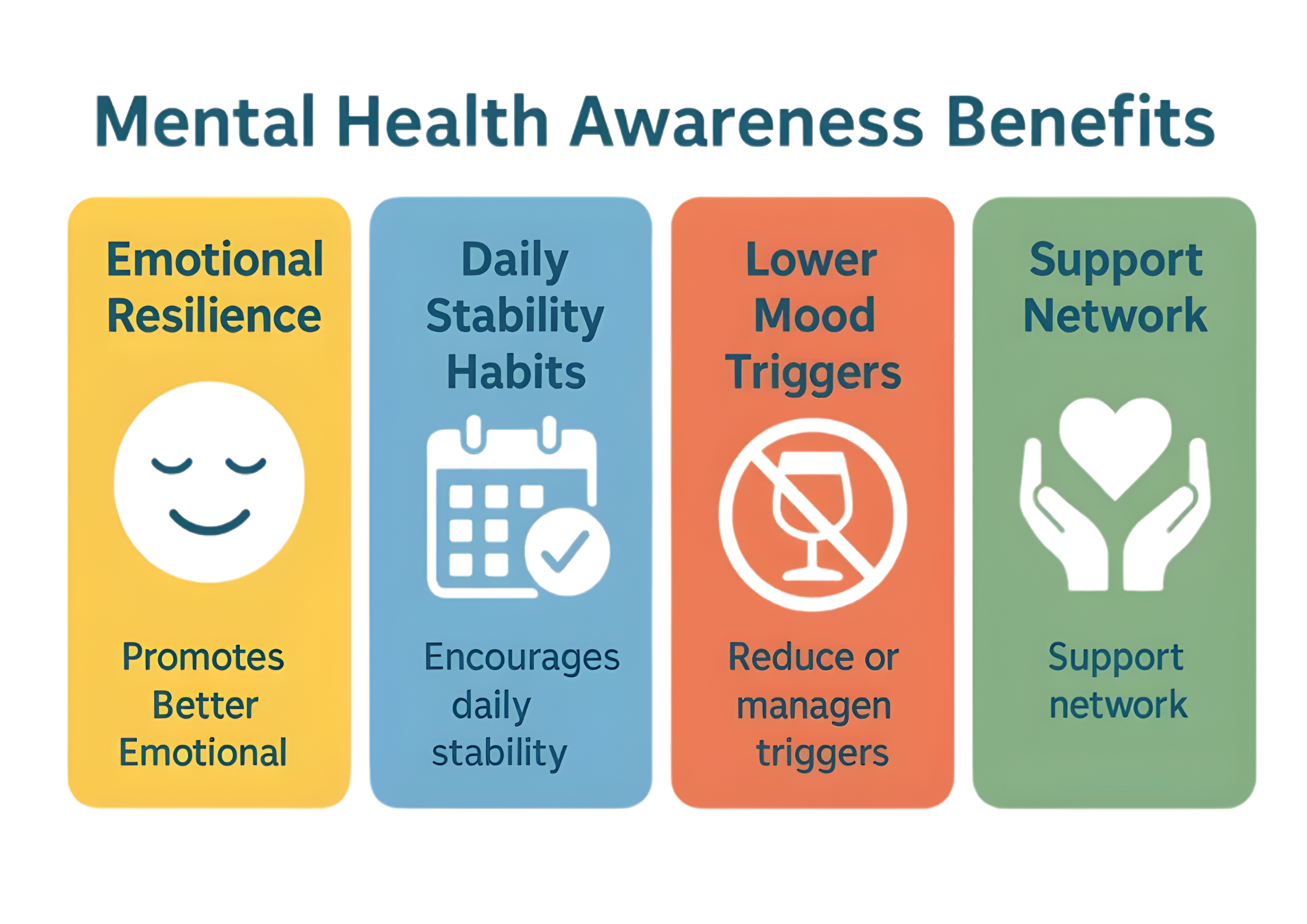
Awareness helps individuals notice changes in mood, behavior, or thinking patterns early. Early recognition allows timely support, reducing the risk of long-term emotional difficulties.
2. Reduces Stigma and Misconceptions
When mental health is openly discussed, it normalizes conversations around stress, anxiety, and emotional fatigue. This reduces shame and encourages people to seek help without fear.
3. Supports Academic and Professional Growth
Emotional well-being directly affects focus, decision-making, and productivity. Whether at home, work, or in a school in india, individuals perform better when their mental health is supported.
4. Builds Stronger Relationships
Understanding mental health improves empathy. People become more patient listeners and supportive friends, creating healthier personal and professional relationships.
Common Signs That Mental Health Needs Attention
Emotional Signs
Persistent sadness or irritability
Feeling overwhelmed by simple tasks
Sudden mood changes without clear reason
Behavioral Signs
Withdrawing from friends or activities
Changes in sleep or eating habits
Difficulty concentrating or making decisions
Physical Signs
Frequent headaches or fatigue
Unexplained body aches
Low energy despite adequate rest
These signs do not always indicate a serious condition, but they are signals that emotional well-being needs care and attention.
Mental Health Awareness Among Students and Youth
Academic Pressure and Emotional Stress
Students today face academic competition, expectations, and social pressures. Without proper guidance, stress can quietly affect confidence and self-esteem.
Importance of Supportive Environments
Schools and families play a key role in emotional development. Open communication, counseling access, and age-appropriate mental health education help students feel safe and understood. Simple mental health tips for students, when practiced regularly, can significantly improve emotional balance and resilience.
Practical Ways to Support Mental Health

1. Encourage Open Conversations
Creating a safe space for honest conversations helps people express feelings without fear. Listening without judgment is often more powerful than giving advice.
2. Maintain Healthy Daily Routines
Regular sleep, balanced meals, and physical activity support emotional stability. Small lifestyle habits often make a big difference over time.
3. Practice Stress-Management Techniques
Mindfulness, journaling, deep breathing, and time management help reduce daily stress. These practices improve emotional clarity and self-control.
4. Know When to Seek Professional Help
There is strength in asking for help. Counselors, psychologists, and mental health professionals provide guidance when emotional challenges become overwhelming or persistent.
Challenges in Promoting Mental Health Awareness
Social Stigma
Despite progress, many still hesitate to discuss mental health openly. Cultural beliefs and misinformation continue to create barriers.
Lack of Access to Resources
In some areas, professional mental health support may be limited. This makes awareness and early self-care even more important.
Misinterpreting Emotional Signals
People often ignore early warning signs, assuming stress is temporary. Awareness helps differentiate normal stress from deeper emotional concerns.
Role of Families, Schools, and Communities

Families can support mental well-being by fostering trust and emotional openness at home. Schools can integrate life-skills education and counseling services. Communities can promote awareness through workshops, campaigns, and inclusive conversations that normalize emotional health.
When these support systems work together, individuals feel less alone and more empowered to care for their mental well-being.
Conclusion: Making Mental Health Awareness a Daily Practice
Mental health awareness is not a one-time conversation—it is an ongoing effort to understand, accept, and support emotional well-being. By recognizing signs early, reducing stigma, and encouraging healthy coping strategies, individuals and communities can create environments where mental health is valued and protected.
When awareness becomes part of everyday life, people feel seen, supported, and confident in seeking help. A mentally healthy society begins with informed, compassionate individuals who understand that caring for the mind is just as important as caring for the body.
Frequently Asked Questions
1. What is mental health awareness?
Mental health awareness means understanding emotional well-being, recognizing early signs of mental stress, and encouraging open conversations without stigma.
2. Why is mental health awareness important for students?
It helps students manage stress, improve focus, and seek support early, leading to better academic and emotional balance.
3. What are common signs of poor mental health?
Persistent sadness, anxiety, mood changes, sleep issues, and difficulty concentrating are common warning signs.
4. How can individuals support mental health daily?
Maintaining routines, talking openly, managing stress, and seeking professional help when needed are effective daily practices.
5. When should someone seek professional mental health support?
If emotional distress lasts for weeks or interferes with daily life, professional guidance is recommended.