






When we think of academic performance, we often focus on test scores, teaching methods, or learning resources. But there’s one often-overlooked factor that plays a crucial role in shaping student success: nutrition and diet. Especially in boarding schools in India, where meals are planned and consumed within the school environment, what students eat daily has a direct impact on their energy, concentration, behavior, and even emotional well-being.
In this blog, we explore how proper nutrition and diet in boarding schools help students thrive—physically, mentally, and academically.
The Connection Between Nutrition and Academic Performance
You are what you eat—and this couldn’t be more true for students. A growing body of research confirms that good nutrition and diet are directly linked to:
- Improved memory and focus
- Increased classroom engagement
- Enhanced immune system functioning
- Better mood and emotional regulation
- Reduced absenteeism
When students receive balanced, nutrient-rich meals consistently, they are better equipped to absorb information, participate in school activities, and maintain good health.
Why Nutrition Matters Even More in Boarding Schools

In boarding schools, students spend 100% of their time on campus—including meals. This makes the school solely responsible for meal planning, quality control, and establishing healthy food habits.
Here’s why nutrition in boarding schools matters:
- Students eat 3 to 5 meals a day provided by the institution.
- Food choices can directly affect classroom behavior and dorm life.
- A poor diet can lead to fatigue, irritability, and lower academic scores.
- Balanced meals promote positive mental health and physical energy.
This means nutrition isn’t just a health concern—it’s a part of a student’s educational ecosystem.
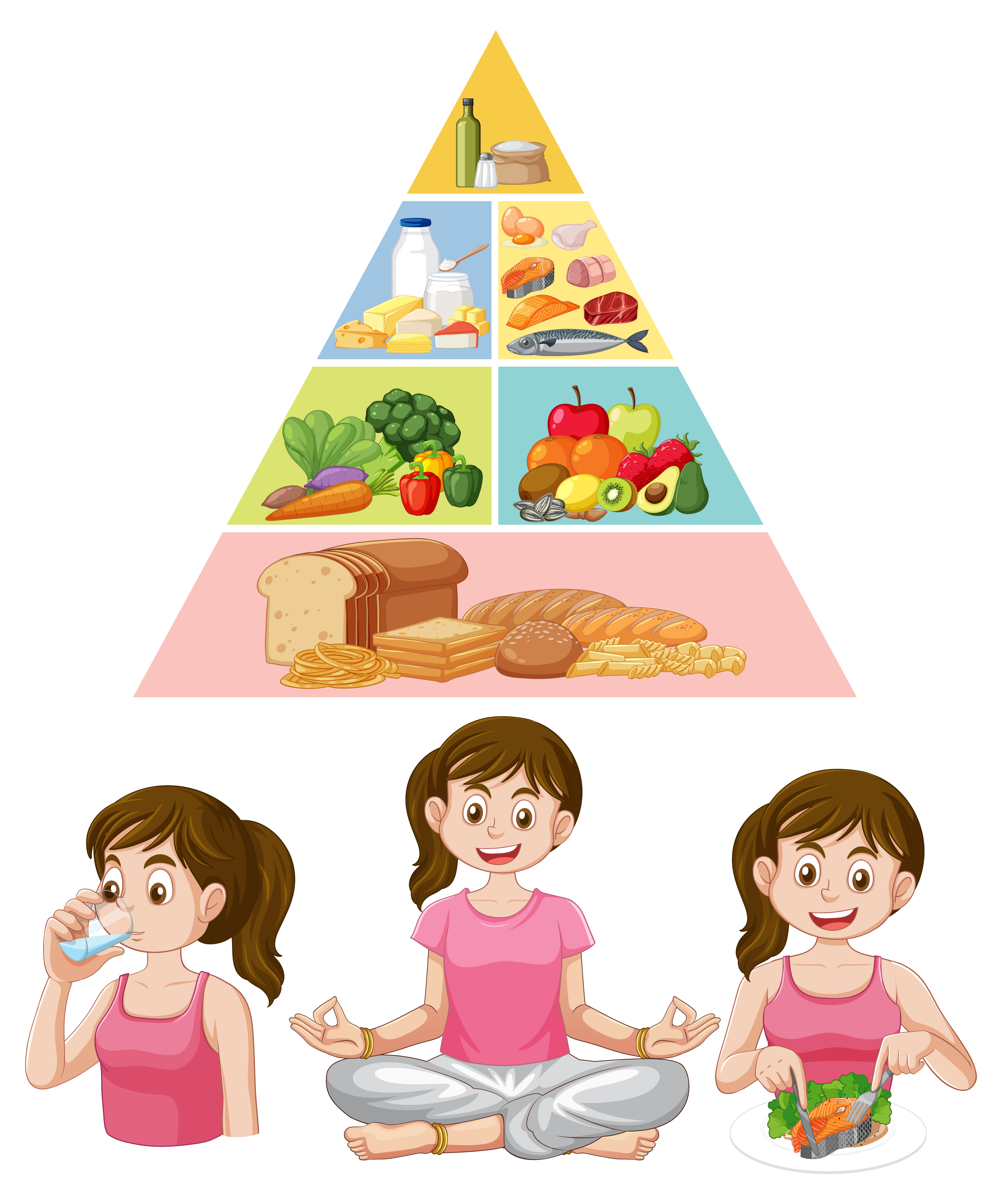
Key Elements of a Balanced Diet for Students
A well-structured school diet should offer:
- Carbohydrates: Main energy source for the brain. Think whole grains, fruits, and vegetables.
- Proteins: Supports muscle development and cognitive function. Include eggs, lentils, dairy, and lean meat.
- Healthy Fats: Essential for brain health. Found in nuts, seeds, fish, and avocados.
- Vitamins and Minerals: Boost immunity and focus. Provided by colorful vegetables, fruits, and fortified cereals.
- Hydration: Encouraging water and reducing sugary beverages supports digestion and energy levels.
Role of School Kitchens in Student Success
The food served in boarding schools must meet both nutritional standards and taste preferences. Here’s how progressive schools are improving diets:
- Hiring certified dieticians and food safety officers
- Implementing weekly nutrition charts
- Offering seasonal fruits and locally sourced vegetables
- Reducing processed foods, sugar, and excessive fried items
- Promoting student feedback for menu planning
When students are involved in what they eat, they are more likely to adopt lifelong healthy eating habits.
Nutrition and Diet: Impact on Mental Health
Mental health is a growing concern among students, especially in high-pressure boarding school environments. Did you know what students eat plays a major role in their emotional and psychological balance?
Studies have shown:
- Omega-3s and folate-rich foods reduce anxiety and depression
- Magnesium and Vitamin B12 support calmness and focus
- Sugar-heavy diets can lead to irritability, fatigue, and mood swings
Boarding schools that prioritize brain-healthy foods can actually reduce disciplinary issues and improve student well-being.
Educating Students on Nutrition and Diet
It’s not enough to serve healthy food—students must understand why it matters. Here’s how schools can integrate nutritional education:
- Health education sessions
- Posters in dining areas
- Workshops with dieticians
- Monthly “Nutrition Awareness Days”
- Rewards for healthy eating choices
Special Diets: Inclusivity Matters
Many boarding schools in India are now offering special diet plans for:
- Vegetarian/Vegan students
- Allergies (gluten, nuts, lactose)
- Religious dietary restrictions
- Athletic or fitness-focused diets
Inclusion through food builds respect, comfort, and equity among students.
Conclusion
A student’s journey toward success doesn’t start in the classroom—it begins on their plate. Schools that invest in quality nutrition and diet are investing in academic excellence, emotional stability, and long-term health. As boarding schools continue to evolve, focusing on the importance of balanced diet is no longer optional—it’s foundational to a student’s overall development and well-being.
Frequently Asked Questions (FAQs)
1. Why is nutrition important for students in boarding schools?
Because students rely solely on school-provided meals, balanced nutrition is essential for their academic, physical, and mental well-being.
2. Can food affect a student’s ability to concentrate?
Yes. Poor diets lead to fatigue and lack of focus, while nutrient-rich foods boost memory and performance.
3. How can schools ensure food quality and hygiene?
By employing food safety officers, using local fresh ingredients, and conducting regular kitchen inspections.
4. Should schools include nutrition education in their curriculum?
Absolutely. Teaching students about food empowers them to make healthier choices throughout life.
5. What is the role of parents in monitoring school diet plans?
Parents can collaborate with the school, review menus during PTMs, and provide feedback on their child’s health and energy levels.