

Choosing the right preschool is one of the most important decisions parents make for their child’s future. The early years are a golden window when children are curious, eager to learn, and highly receptive to new experiences.
In today’s globalized world, top schools in India are increasingly focusing on language learning opportunities at the preschool stage. Through structured play, engaging activities, and carefully designed curricula, children begin to develop the skills that will support them throughout their academic journey and beyond.
What is Preschool Education?
Preschool education refers to structured early learning programs designed for children between the ages of 2.5 and 6 years. These programs create a playful yet organized environment where children engage in activities that nurture their emotional, social, cognitive, and especially language development.
For many children, preschool is the first setting where they interact in a group outside the home. This exposure to peers and teachers helps them develop communication skills, confidence, and the ability to express themselves more effectively.
The Purpose of Preschool Education
The goal of preschool education goes far beyond preparing kids for formal schooling. It focuses on sparking curiosity, encouraging problem-solving, building early literacy and numeracy, and laying a strong foundation for language learning. Children develop through observation, questioning, listening, and participating in everyday conversations—moments that shape the base of lifelong communication skills.
Importance of Early Childhood Education in Language Growth
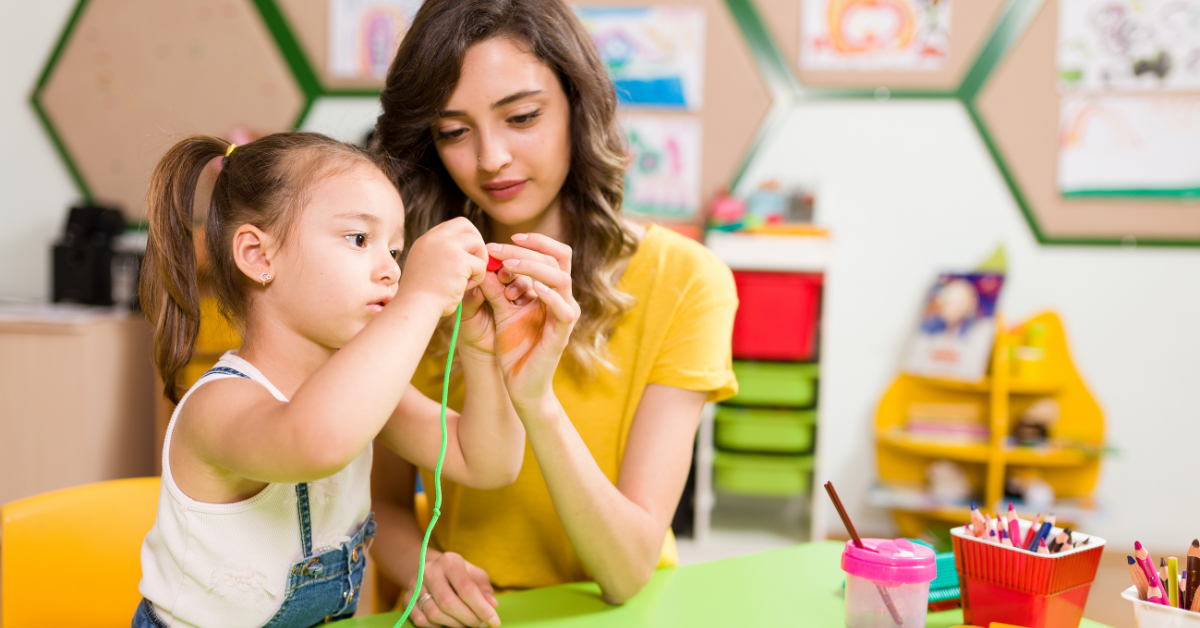
Language is the bridge to communication, learning, and social connection. Research consistently highlights that early childhood education is the most critical phase in a child’s language development.
-
During the preschool years, children are exposed to a rich vocabulary and diverse forms of communication.
-
Teachers introduce them to both structured and unstructured language activities.
-
Peer interactions in a preschool setting provide real-life practice in listening, speaking, and understanding.
How Early Childhood Education Shapes Vocabulary Skills
One of the biggest benefits of early childhood education is vocabulary expansion. Children are like little sponges—they absorb new words rapidly and apply them in everyday communication.
-
Storytelling sessions enrich imagination and vocabulary.
-
Songs and rhymes help children retain new words with rhythm and fun.
-
Interactive play encourages children to use language naturally while socializing.
The more words children hear and practice, the more confident they become in expressing themselves.
Role of Pre-K Learning Programs in Building Communication Skills
Pre-K learning programs are carefully designed to promote communication through interactive and engaging activities. Unlike traditional rote learning, these programs focus on creating opportunities for children to explore language in natural, enjoyable ways.
Some key features of Pre-K programs include:
-
Group discussions to encourage conversation.
-
Reading circles to boost comprehension.
-
Creative play that stimulates both verbal and non-verbal communication.
Best Pre-K Learning Activities for Language Development
Parents and teachers can nurture communication through a variety of activities:
-
Storytelling & Picture Books – Introduces children to new words and sentence structures.
-
Show and Tell – Builds confidence and public speaking skills.
-
Role Play Games – Encourages children to practice conversations.
-
Music and Songs – Helps improve pronunciation and memory.
-
Language Games – Fun word games strengthen vocabulary retention.
Such activities create a supportive environment where children see language not as a subject but as a tool for connection and learning.
Multilingual Exposure at Preschools
Why Multilingualism Matters
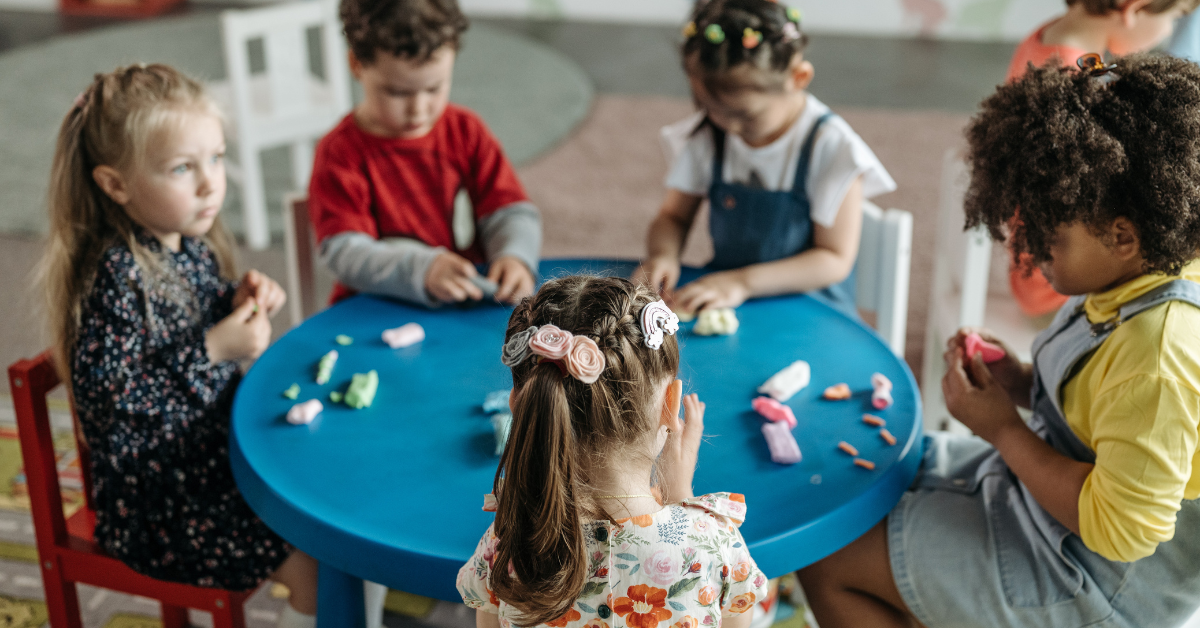
India is home to incredible linguistic diversity, and many children grow up hearing more than one language at home or in their community. Preschool education plays an essential role in helping children adapt to this multilingual environment while turning it into an advantage for lifelong learning.
Early exposure to multiple languages helps children:
-
Strengthen memory, focus, and problem-solving skills
-
Learn additional languages more easily later in life
-
Develop empathy and cultural flexibility in diverse communities
By introducing multilingualism early, preschools prepare children for a globally connected world.
Innovative Language Learning Practices in Early Education
Modern schools in India are moving beyond traditional rote methods like basic vocabulary drills or reciting rhymes. Instead, they are introducing creative, interactive practices that make language learning opportunities more effective and fun.
Some impactful strategies include:
-
Language Corners: Dedicated classroom spaces with books, flashcards, and story-building materials in different languages.
-
Digital Tools & Apps: Child-friendly tablets and bilingual apps allow kids to practice pronunciation, match words with visuals, and build sentences.
-
Thematic Language Days: Events like “English Day” or “Hindi Day” immerse children in one language, helping boost fluency and cultural appreciation.
-
Peer Tutoring & Language Buddies: Pairing children encourages natural conversations and builds speaking confidence.
Such innovative methods ensure preschoolers view language not just as a subject, but as a tool to explore and connect with the world.
The Role of Parents and Teachers in Language Development
Preschool Teachers as Language Models
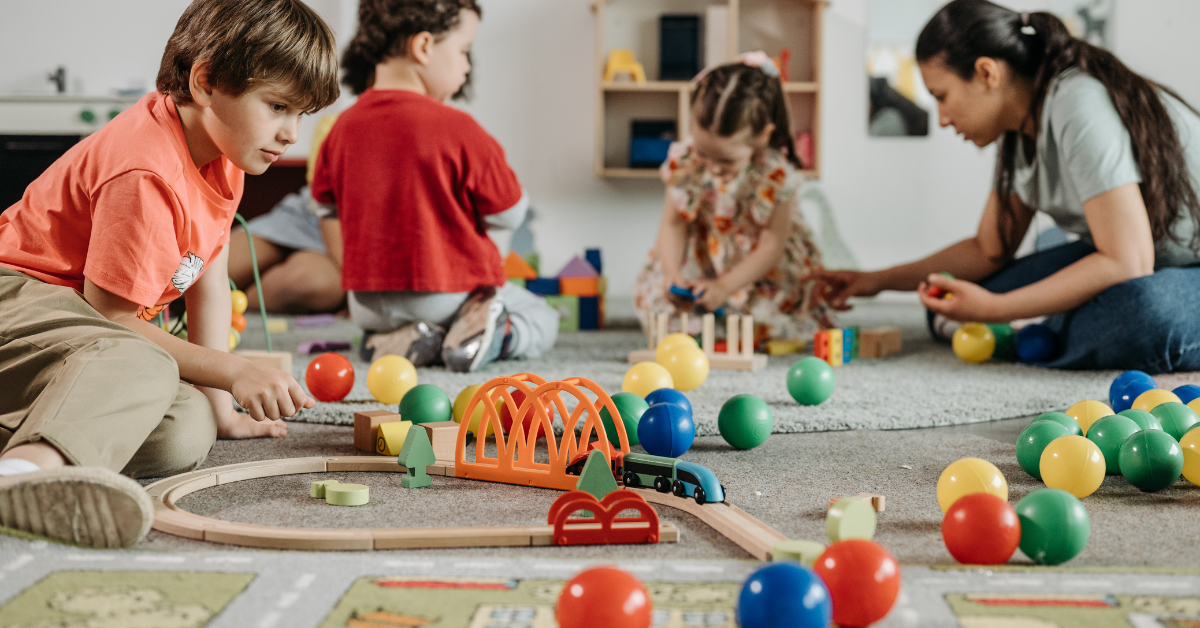
Teachers are the primary guides in a child’s early communication journey. In high-quality preschools, they:
-
Speak in complete sentences, avoiding “baby talk.”
-
Introduce new vocabulary through stories, songs, and real-life contexts.
-
Allow time for children to respond thoughtfully.
-
Encourage self-expression by asking children to describe objects, share feelings, or retell daily events.
Teachers also track each child’s progress and adjust strategies to support different learning paces.
Parent Involvement at Home
The home environment is just as important in language growth. Parents can extend preschool learning by:
-
Reading storybooks together every day.
-
Asking open-ended questions like, “Why do you think the dog is barking?”
-
Playing rhyming or word games to make learning fun.
-
Reducing screen time in favor of conversation and storytelling.
-
Encouraging children to talk about their artwork, toys, or favorite activities.
When schools and families work together, children acquire language skills faster and more naturally.
Advantages of Early Language Mastery in Adulthood
School Preparation
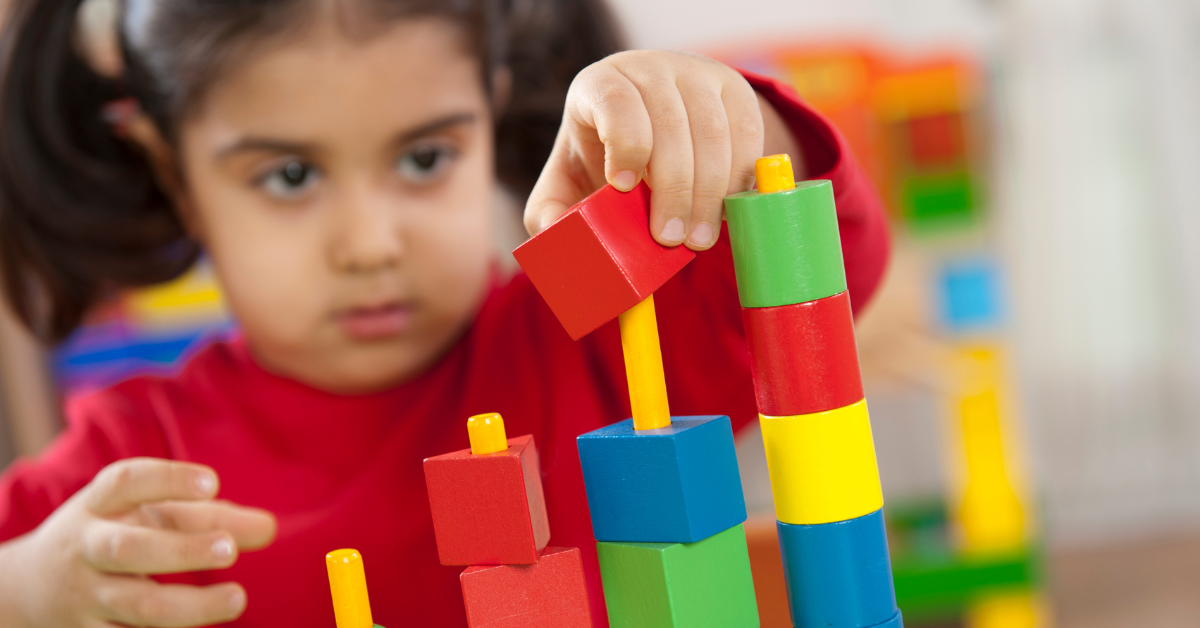
Preschoolers who receive strong language exposure are better prepared for formal schooling. They typically show:
-
Strong listening and comprehension skills
-
Confidence in group discussions
-
Familiarity with literacy routines like reading and writing
-
The ability to follow multi-step directions
These advantages give them a smoother start in primary education.
Academic Achievement in the Long Term
Language is the foundation of success in nearly every subject. Children who can read, understand instructions, and communicate clearly tend to:
-
Perform better in math word problems and science tasks
-
Excel in writing assignments and essays
-
Score higher on entrance exams and interviews later in their academic journey
Social and Emotional Development
Good communication also supports emotional growth. Preschoolers who can name their feelings and express their needs:
-
Make friends more easily
-
Resolve conflicts peacefully
-
Adapt confidently to new environments
By providing group settings and interactive activities, preschools naturally help children develop these social-emotional strengths.
Conclusion
The journey of learning begins long before formal schooling. By enrolling children in schools in India that emphasize preschool education , parents give their child a head start in communication, literacy, and overall development.
From early childhood education and pre-K learning programs to language development in preschoolers, every stage plays a vital role in shaping future success. Preschool lays the foundations of learning that stay with children for life, making it a crucial step in their educational journey.
As a parent, investing in preschool is not just about academics—it’s about nurturing confident, expressive, and lifelong learners.
Frequently Asked Questions (FAQs)
Q1. Why is preschool education important for language development?
Preschool provides children with structured opportunities to listen, speak, and interact with peers. Through storytelling, rhymes, and group play, they expand their vocabulary, strengthen communication, and build confidence in expressing ideas.
Q2. At what age should children start preschool for maximum benefit?
Most children benefit from starting preschool between the ages of 2.5 and 4 years. This is when their brains are most receptive to new words, sounds, and interactions that support language and social development.
Q3. What are some best preschool activities for language learning?
Activities like show-and-tell, picture reading, phonics songs, storytelling, and role-play are excellent for boosting vocabulary, comprehension, and speaking confidence in preschoolers.
Q4. How do preschools in India promote language learning opportunities?
Many schools in India integrate multilingual exposure, phonics-based teaching, storytelling sessions, and interactive activities to ensure children develop both English and native language skills.
Q5. How can parents support language development at home?
Parents can read daily with their children, encourage conversations, play word games, and let children narrate their day. These simple practices reinforce the language skills gained in preschool.

This is such an important topic! It’s great to see more emphasis on how preschool education can shape language acquisition. It really highlights how much parents’ choices matter during those formative years.