


Every parent dreams of seeing their child succeed—not only in academics but also in life. But in today’s fast-paced world, parents often rely only on report cards or exam results to track progress. What those marks don’t show are a child’s classroom behavior, learning style, or emotional growth.
In this blog, we’ll explore why PTMs are so important, what parents can do to make the most of them, and how meaningful communication with teachers can transform a child’s educational journey.
The Real Purpose of PTM
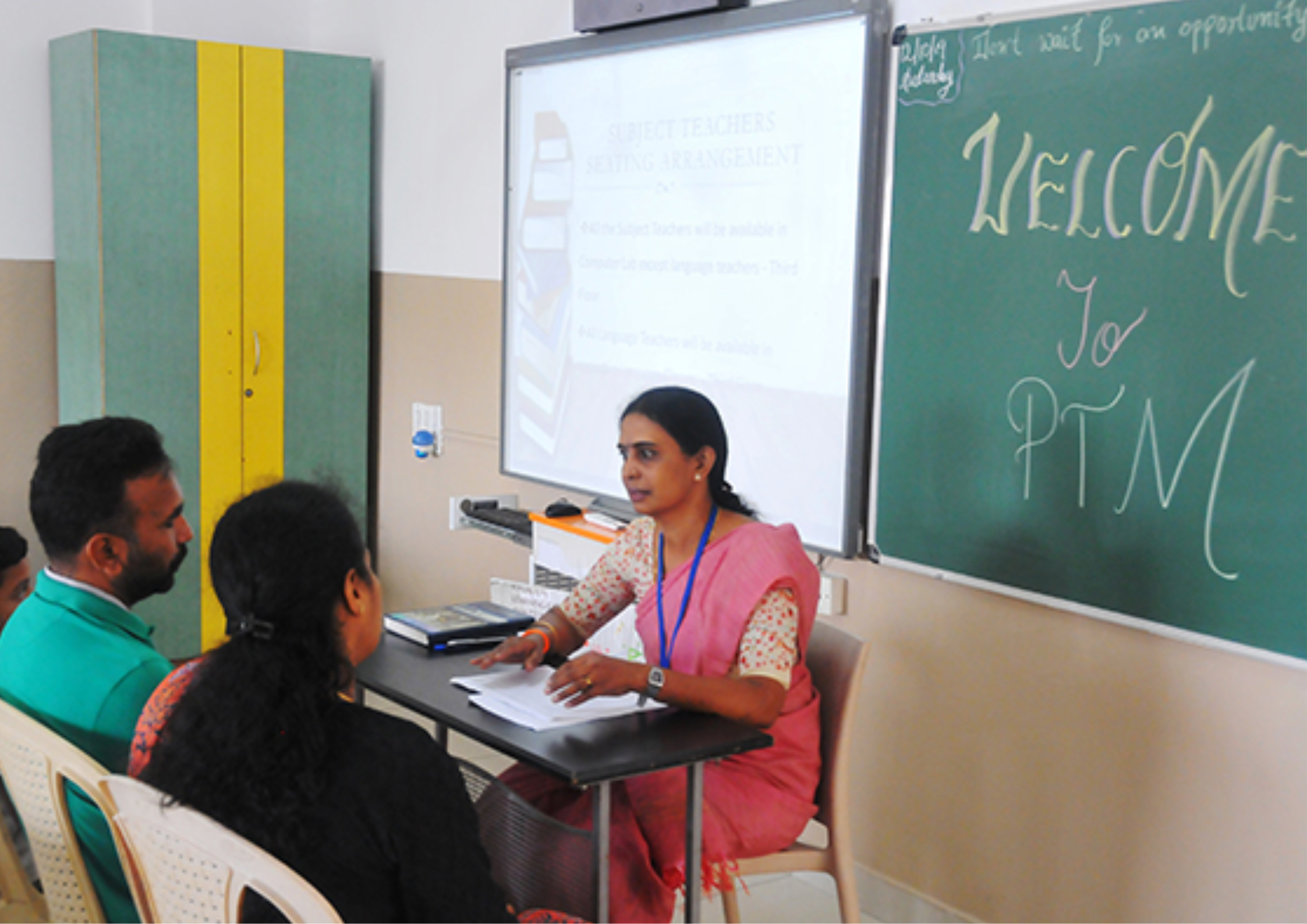
Many parents think PTMs are about grades. In reality, they’re about:
-
Seeing the whole child: Teachers share observations beyond academics—social skills, participation, and creativity.
-
Providing teachers with home insights: Parents can share challenges, routines, or habits that affect learning.
-
Creating a joint strategy: Both sides collaborate to strengthen a child’s growth academically and personally.
PTMs act as a two-way communication tool that ensures no aspect of a child’s development is overlooked.
Key Benefits of PTM
1. Clearer Academic Insights
Report cards summarize marks, but PTMs explain why those marks look the way they do. Teachers can highlight learning gaps, classroom participation, or improvement in specific skills such as problem-solving or writing.
2. Understanding Behavior and Social Growth
Children often behave differently at school than at home. Teachers can tell you how your child interacts with classmates, how they handle teamwork, or whether they show leadership qualities.
3. Early Identification of Challenges
Small issues—like weak handwriting, difficulty in a subject, or shyness in class—can become major barriers later. PTMs allow early detection and intervention before they escalate.
4. Stronger Parent–Teacher Collaboration
When parents and teachers communicate openly, they set clear expectations and responsibilities. This teamwork ensures consistency in the child’s environment at school and home.
5. Boosting Student Motivation
When children see their parents engaged in PTMs, they feel valued. It signals that education matters, motivating them to take learning more seriously.
The Role of Teacher in PTMs
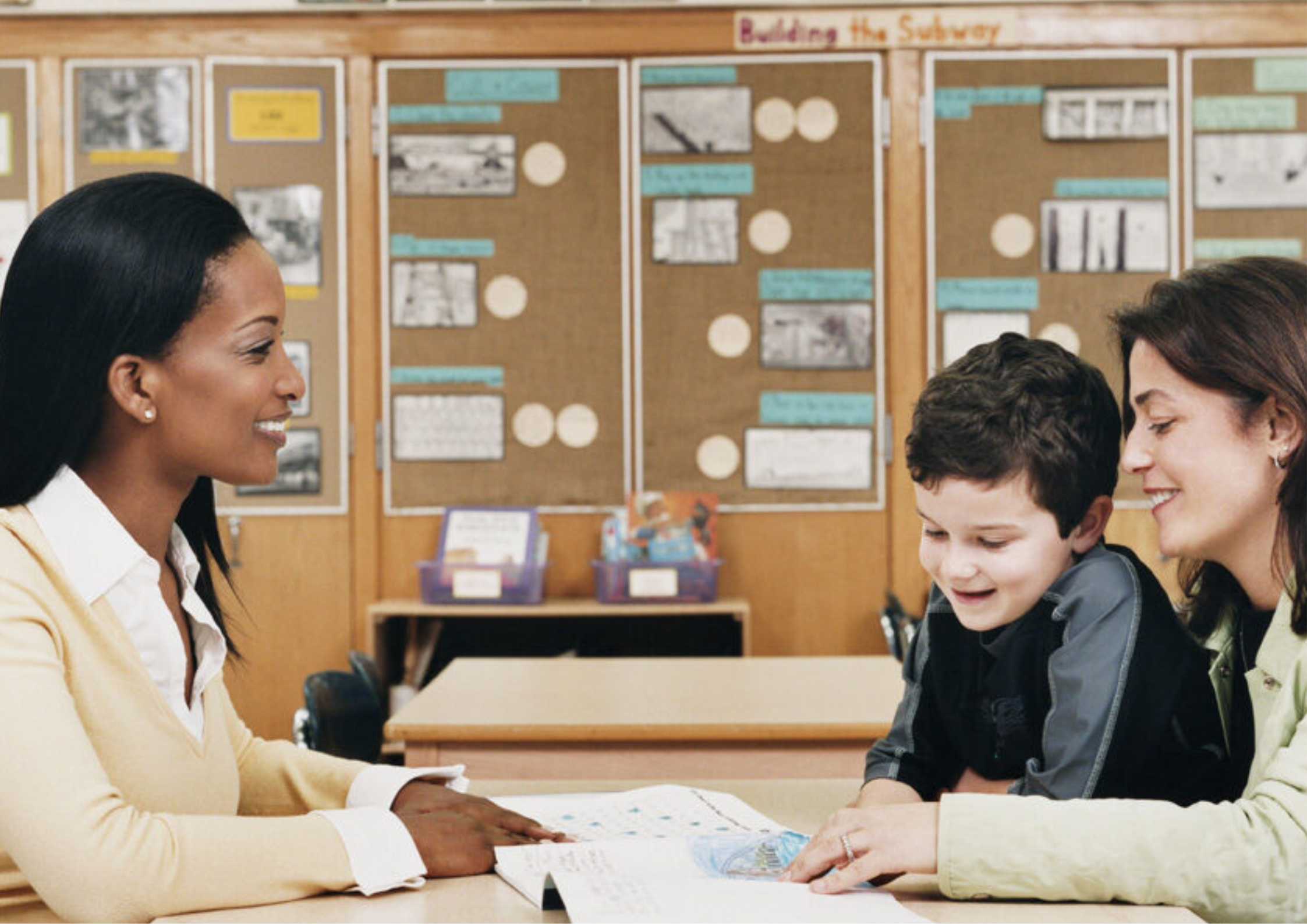
Teachers are not just subject experts; they play a guiding role in shaping young minds. The role of teacher during PTMs is to provide an honest yet constructive evaluation of a child’s performance. They highlight strengths, pinpoint areas for improvement, and offer strategies that parents can reinforce at home. This cooperative approach ensures that learning becomes a shared responsibility, rather than a burden carried by one side.
How Parents Can Prepare for PTMs
A successful PTM starts long before the actual meeting. Preparation ensures you get the answers you need.
-
Review your child’s work: Check homework, projects, or assignments for trends.
-
Observe behavior at home: Note if your child struggles with concentration, stress, or time management.
-
Write down concerns: Have a list of specific questions ready instead of vague queries.
-
Involve your child: Ask how they feel about school. Their perspective can guide your questions.
10 Questions Parents Should Ask During PTMs
Here are thoughtful questions to guide your conversation:
-
How is my child performing academically compared to class averages?
-
What are their greatest strengths in the classroom?
-
Where do you think they need more support or improvement?
-
How engaged is my child during lessons?
-
Does my child submit homework on time and understand it?
-
How do they interact with peers in group activities?
-
Have you noticed any changes in their confidence or attitude recently?
-
What study habits would you recommend at home?
-
How does the school support extracurricular growth?
-
What can I, as a parent, do to support you and my child better?
These questions go beyond marks and dig into personal, academic, and social aspects of growth.
What to Do During the Meeting
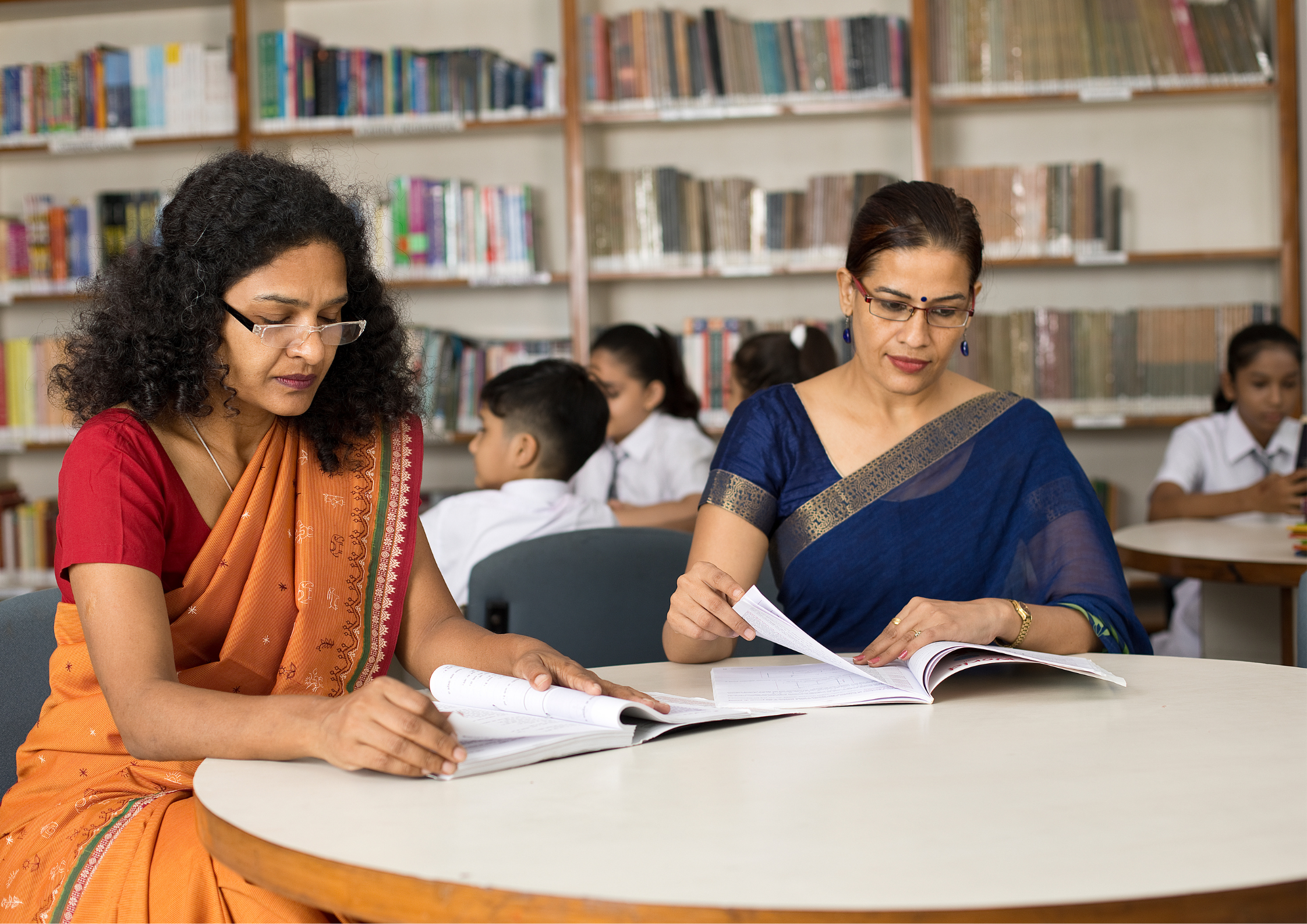
Even the best-prepared parents need to approach the meeting mindfully:
-
Listen actively: Don’t interrupt; let teachers explain fully.
-
Ask for evidence: Request examples—like assignments or behavior records—so feedback feels concrete.
-
Stay positive and solution-oriented: Instead of focusing on what’s “wrong,” ask what can be improved.
-
Agree on action points: Leave the meeting with 2–3 clear next steps to try at home and in school.
-
Take notes: Write down advice so nothing is forgotten later.
Following Up After the Meeting
The real impact of PTMs lies in what happens afterward.
-
Implement suggestions: Set routines, create study plans, or encourage activities recommended by teachers.
-
Monitor progress: Keep track of homework, tests, or emotional well-being.
-
Stay connected: Don’t wait until the next PTM—email or call teachers for updates if needed.
-
Encourage your child: Share positives from the meeting to motivate them rather than only pointing out weaknesses.
A Teacher’s Perspective: What They Expect
Teachers also want PTMs to be meaningful. From their side, they expect:
-
Parents to come prepared with specific questions.
-
Respectful dialogue instead of confrontational arguments.
-
Willingness to work on solutions together.
-
Regular follow-ups instead of waiting for issues to escalate.
When parents meet teachers halfway, PTMs become more productive and less stressful for everyone.
Overcoming Common Hesitations
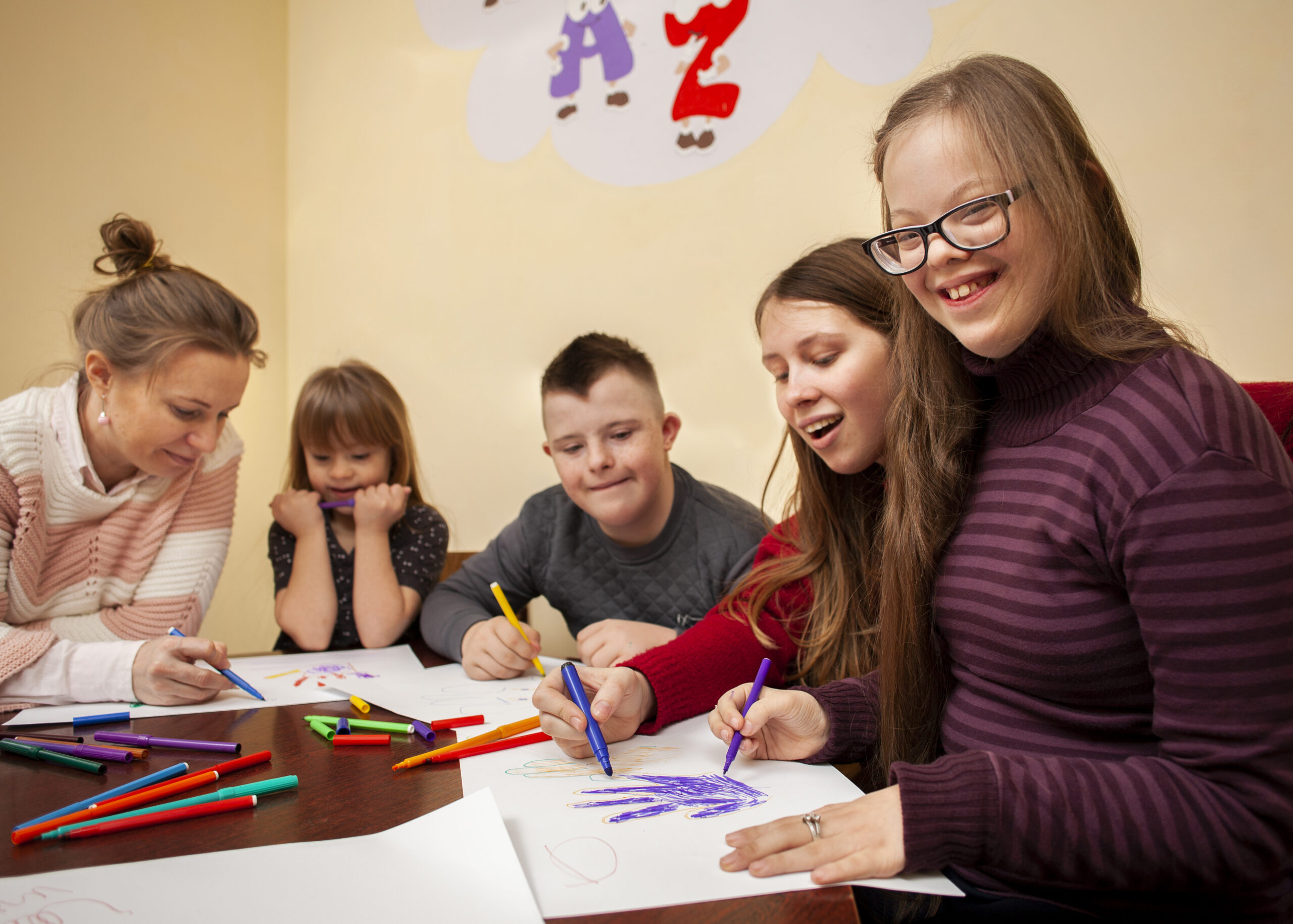
Some parents hesitate to attend PTMs or feel nervous. Here’s why—and how to overcome it:
-
Fear of criticism: Remember, PTMs are about solutions, not blame.
-
Busy schedules: Prioritize PTMs like you would a medical check-up—they are preventive measures for education.
-
Unfamiliarity with school systems: Ask for clarification; teachers will happily explain.
-
Child embarrassment: You can attend PTMs without your child present to allow open discussions.
The Ripple Effect of Strong PTMs
When parents and teachers unite:
-
Academic performance improves.
-
Behavior and social skills strengthen.
-
Emotional resilience grows.
-
Children feel more supported and secure.
It’s not just about one meeting—it’s about setting the tone for ongoing collaboration.
Conclusion
PTM are not just another school event. They are powerful opportunities to unlock your child’s potential, identify strengths, and address challenges early. With preparation, the right questions, and open communication, PTMs become a roadmap for academic success and personal growth.
In every top school in India, PTMs are designed to strengthen the bond between teachers and parents, ensuring that a child’s academic journey is well-guided and personalized. As parents, your presence at PTMs sends a clear message: “Your education matters to us.” That encouragement alone can inspire your child to aim higher, feel confident, and grow into a responsible, well-rounded individual.
So, the next time you receive an invite for a PTM, don’t just attend—engage, listen, and collaborate. Because when parents and teachers walk together, every child walks further.
Frequently Asked Questions (FAQs)
1. What is PTM in school?
A Parent-Teacher Meeting (PTM) is a session where parents and teachers discuss a child’s academic progress and development. The importance of PTM in school is in fostering collaboration for the child’s growth.
2. Why is PTM important in school?
PTMs help parents and teachers share insights, support learning, and ensure holistic development.
3. What is the main purpose of a PTM?
To create open communication between parents and teachers for tracking progress and addressing challenges.
4. How does PTM improve a student’s performance?
By identifying strengths and weaknesses, parents and teachers can work together to enhance learning.
5. How often should PTMs be held?
Typically quarterly or after each term, to monitor and support consistent progress.