




As parents, we want one thing above all: to know our child is safe, supported, and seen every single day at school. Safety isn’t only about gates and guards—it’s a layered system that protects students’ bodies, minds, data, and dignity. This guide explains school safety measures in clear, parent-friendly language so you can evaluate your child’s campus with confidence, ask the right questions, and partner with the school to build a safe school environment.
Table of Contents
ToggleWhy School Safety Measures Matter More Than Ever
A safe school environment is the foundation of effective learning. When students feel protected, they can focus better, build friendships, and develop emotionally. But safety goes beyond gates and guards — it includes mental health support, anti-bullying systems, hygiene, and digital safety.
Today, modern institutions are implementing comprehensive school safety measures that combine technology with emotional care, ensuring every aspect of a child’s well-being is covered.
1. Physical Security Measures in Schools
Physical safety is the most visible layer of protection. Schools now use smart technologies and trained personnel to monitor and secure campuses effectively.
Key safety measures in schools include:
- CCTV surveillance: Strategically placed cameras monitor hallways, entrances, and playgrounds.
- Visitor management systems: Every visitor is logged and verified before entry.
- Trained security guards: Professionals ensure no unauthorized access.
- Fire safety systems: Regular checks, fire extinguishers, and mock evacuation drills.
- Emergency exits: Clear signages and accessible routes in every classroom.
2. Emotional and Mental Safety

True safety includes emotional well-being. Children thrive when they know their feelings are valued and they have someone to turn to.
Emotional safety initiatives include:
Counseling sessions: Many schools have trained counselors who help students manage stress, anxiety, and emotional struggles.
Anti-bullying programs: Anonymous reporting systems and workshops teach kindness, empathy, and respect.
Peer support groups: Older students mentor younger ones, fostering trust and community.
A mentally safe child is a confident learner. Emotional wellness is a silent yet powerful safety measure every school should prioritize.
3. School Emergency Preparedness Plans
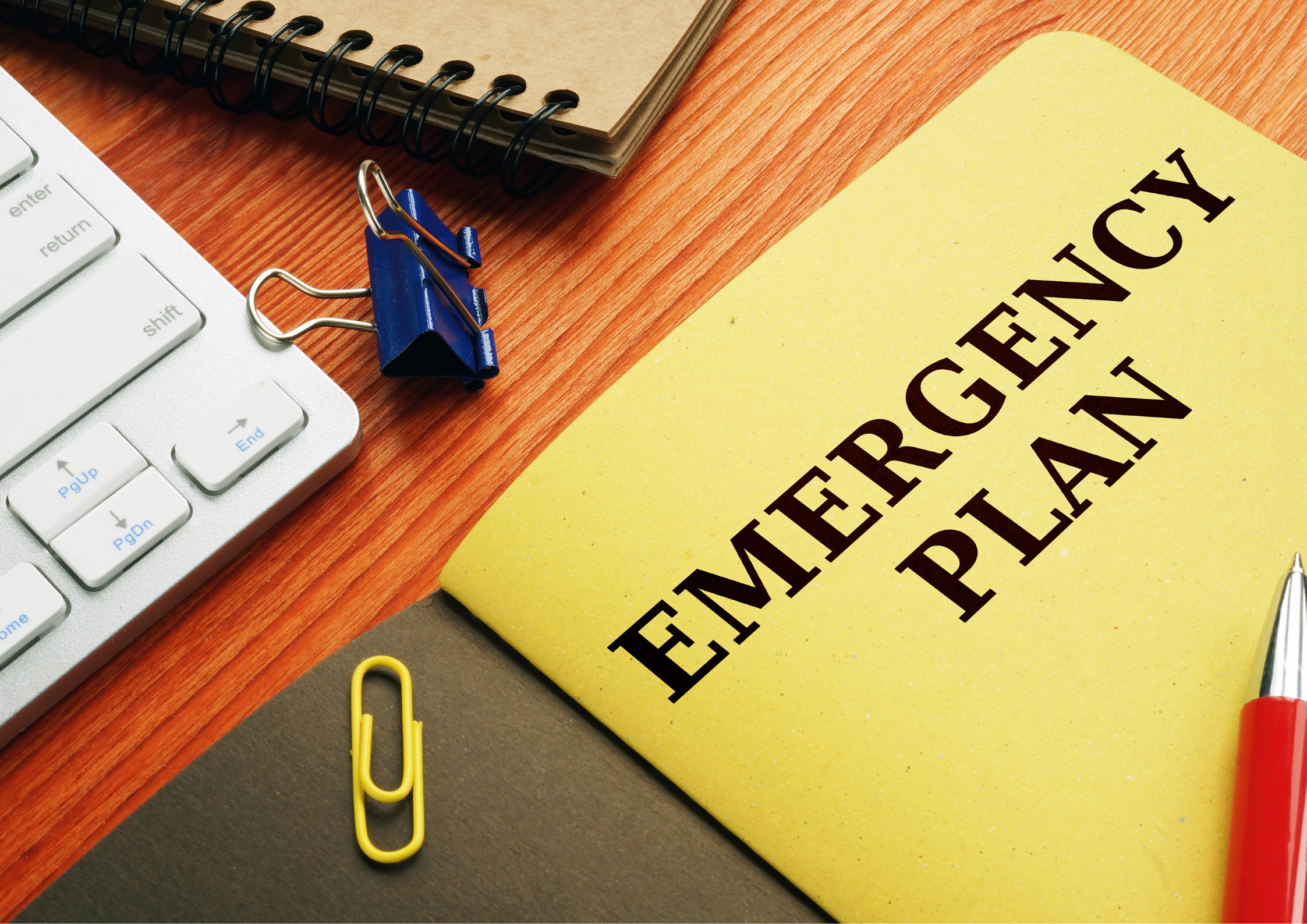
Preparedness saves lives. Schools with well-structured emergency response plans can handle crises calmly and efficiently.
Common school emergency preparedness steps:
- Conduct fire and earthquake drills regularly.
- Designate first-aid trained staff and safety officers.
- Maintain emergency medical kits in classrooms.
- Establish clear communication protocols for contacting parents quickly.
Parents’ Tip: Ask your child’s teacher about their school’s safety protocols — knowing how the school handles emergencies provides peace of mind.
4. Health and Hygiene Protocols

Health is a major part of school safety measure
Essential hygiene and safety steps:
- Daily sanitation of classrooms and washrooms.
- Medical checkups and vaccination awareness drives.
- Clean drinking water and healthy cafeteria meals.
- Handwashing stations and awareness posters across campus.
After the pandemic, schools across India have become more vigilant — focusing on both physical hygiene and mental resilience.
5. Digital Safety for Students

As classrooms shift online, cyber safety is now as important as physical safety.
Schools ensure online safety by:
- Using secured digital platforms with parental access.
- Educating students about online privacy and social media etiquette.
- Installing firewalls and content filters to block unsafe websites.
- Conducting workshops on cyberbullying and online fraud.
Parents can also monitor screen time and discuss responsible technology use — because digital awareness begins at home.
6. Role of Teachers in School Safety

Teachers are the first responders in a school environment. Their awareness, empathy, and training make a huge difference in student safety.
Teachers contribute by:
- Identifying behavioral changes and emotional distress early.
- Promoting respect and inclusivity in classrooms.
- Leading safety drills and maintaining calm during emergencies.
A strong student-teacher relationship forms the emotional backbone of every safe school environment.
7. Parental Involvement in School Safety
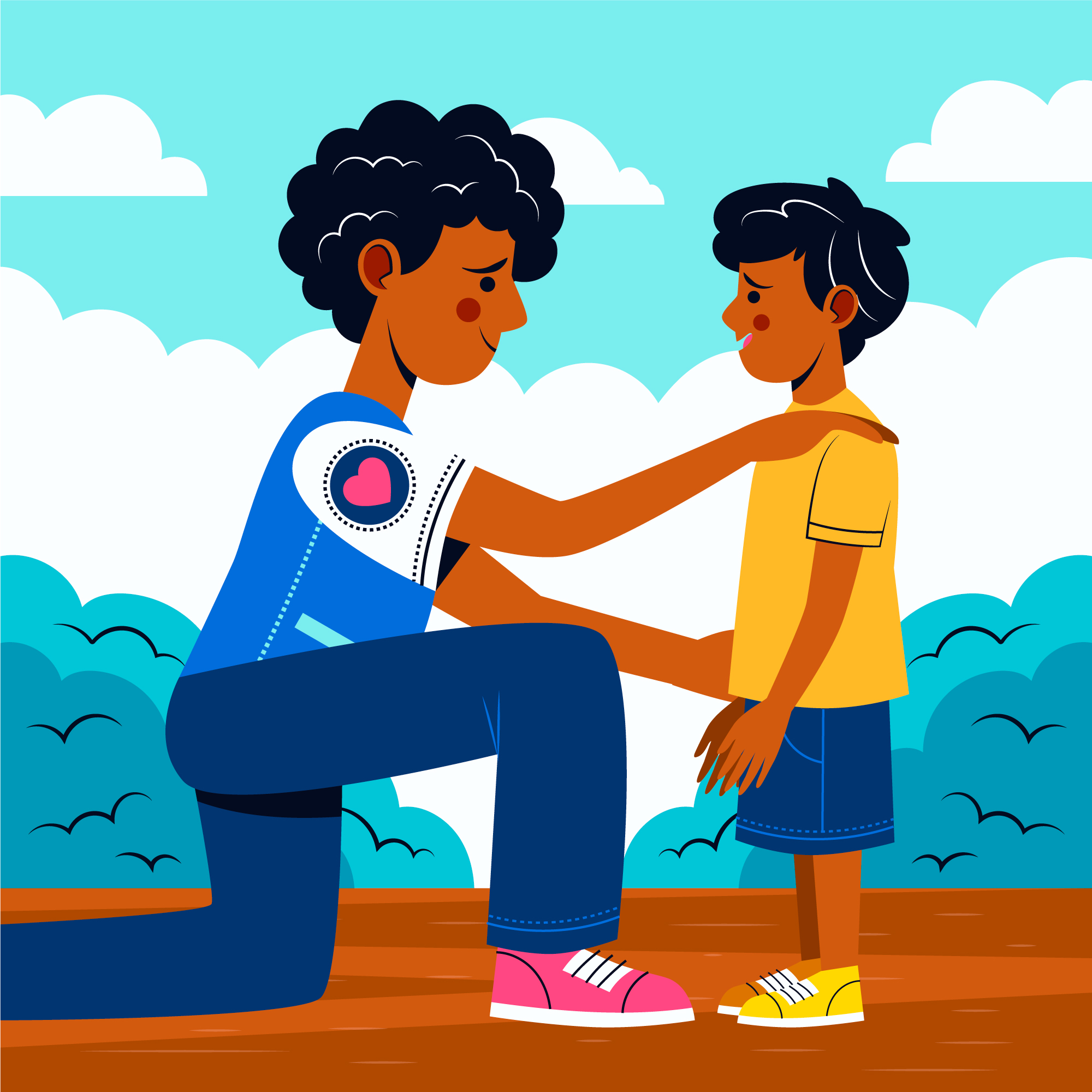
Safety is a shared responsibility. When parents and schools work together, children benefit most.
How parents can contribute:
- Attend PTMs and safety briefings.
- Encourage children to speak up about concerns.
- Volunteer for school safety committees or awareness programs.
- Reinforce at home what is taught at school — road safety, internet safety, and empathy.
8. Inclusive and Gender-Sensitive Safety

A truly safe school is inclusive. Gender-sensitive safety ensures that every student, regardless of identity, feels respected and protected.
Examples of inclusive safety policies:
- Gender-neutral restrooms.
- Strict anti-harassment policies.
- Sensitivity training for staff.
- Support groups for vulnerable students.
When equality and empathy are integrated, the entire school community feels safer and stronger.
9. Transportation and Commute Safety
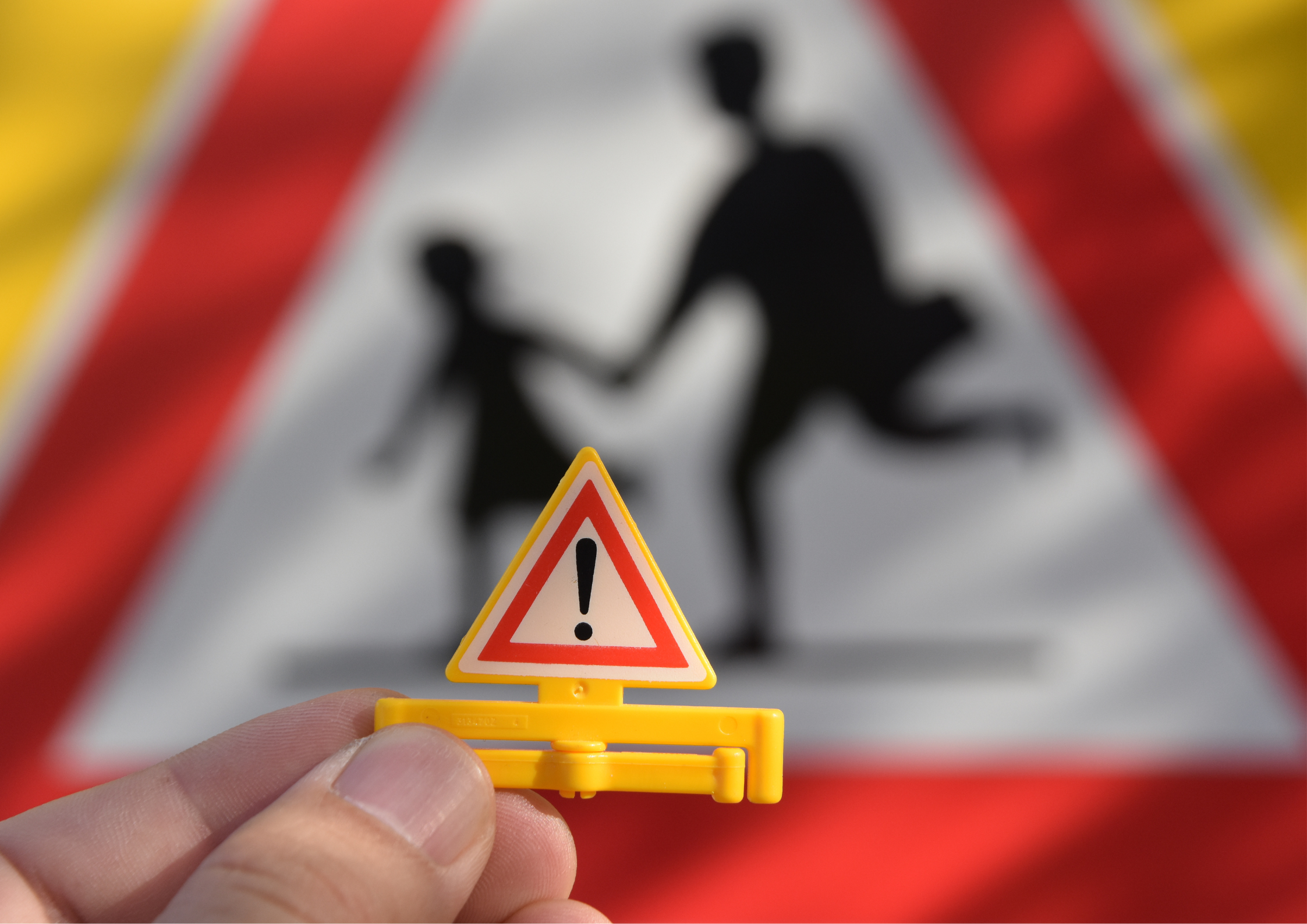
Many accidents occur outside school premises. Safe transportation is a vital component of child protection at school.
Key safety checks for parents:
- Verify if the school bus follows safety regulations (GPS, CCTV, female attendants).
- Ensure drivers undergo police verification.
- Teach children about safe pickup and drop-off behavior.
A journey that begins safely sets the tone for a productive school day.
10. Building a Culture of Safety and Trust
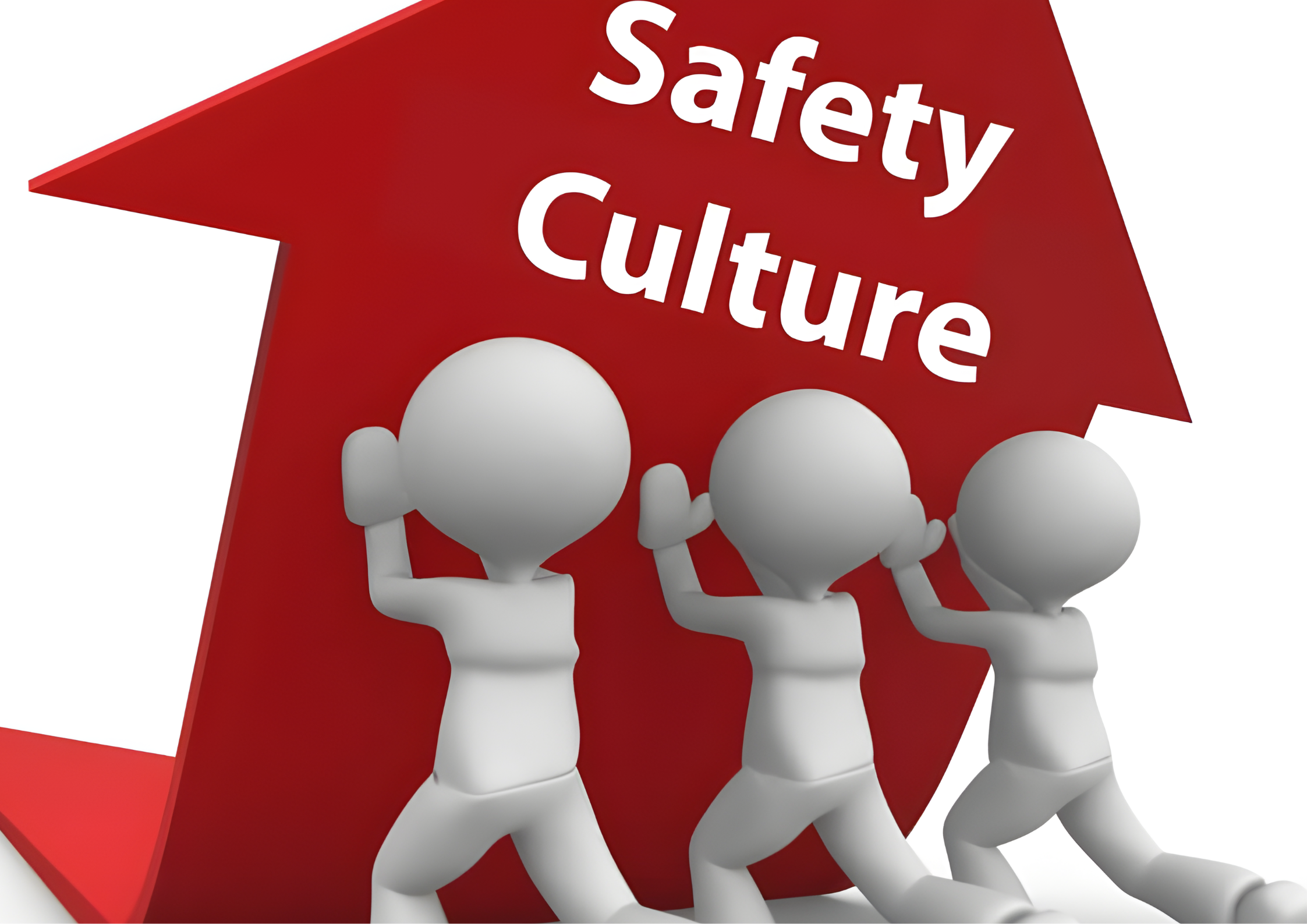
Beyond policies and protocols, it’s the school’s culture that defines safety. Schools should build environments where students feel seen, heard, and valued.
Ways to promote a culture of safety:
- Encourage open conversations about challenges.
- Celebrate diversity and kindness.
- Train teachers in first aid and trauma response.
- Recognize students who show responsibility and empathy.
When safety becomes part of the school’s DNA, it reflects in every action — from morning assemblies to everyday interactions.
What Parents Can Do: A Practical Checklist
- Share allergies/medical conditions and meds with the nurse and class teacher
- Label emergency contacts and arrange a backup pickup guardian
- Review bus stop rules with your child (no running, stay visible, line up safely)
- Practice “what-if” scenarios: lost phone, injury, unsafe online messages, etc.
- Encourage kindness: report bullying, include others, be an upstander
- Model digital hygiene at home: strong passwords, device curfews, private profiles
- Pack smart: refillable water bottle, weather-appropriate clothing, prescribed meds per policy
- Attend parent workshops and read safety updates from school
A safe school is not a one-time project—it’s a living system that evolves. When parents stay engaged, schools get better data, stronger community support, and faster improvement cycles. Join safety committees, volunteer at drills, attend workshops, and speak up early when you see risks. Your voice strengthens safety Rule in schools for every child.
Final Word
Strong school safety measures protect more than attendance numbers—they protect childhood itself. When schools blend secure infrastructure, thoughtful policies, caring adults, and mental health and safety supports, students feel brave enough to learn, try, fail, try again, and grow. Ask questions. Stay involved. And remember: the safest schools are built—patiently—by all of us, together.
Quick FAQs (For Busy Parents)
Q1: How often should schools conduct safety drills?
At least once a term per major scenario (fire, lockdown, earthquake), with documented learnings and improvements.
Q2: What’s the most important bus safety practice?
Accurate boarding/deboarding rosters with a trained attendant—and verified handover to authorized guardians.
Q3: How can I help prevent cyberbullying?
Set family tech rules, keep accounts private, teach kids to screenshot/report abuse, and inform the school promptly.
Q4: Who should give my child medicine at school?
Only authorized staff (usually the nurse) following a written physician/parent consent and dosage log.
Q5: What supports should follow a bullying incident?
Immediate safety planning, counseling for the child, transparent communication with parents, and monitored follow-up.