


Gone are the days when chalkboards and textbooks ruled the classroom.
From AI-powered learning platforms to real-time student feedback systems, technology integration in classrooms is about blending innovation with instruction to create smarter, more personalized learning environments.
And it’s growing faster than most of us realize.
While many think it’s limited to smart boards or online videos, the truth is, it’s transforming the very way students at boarding schools in India learn, think, and engage with the world.
Today, education is undergoing a digital revolution—and at the heart of it lies technology integration in classrooms.
How is Technology Integration in Classrooms Happening

Let’s bust the myth: Technology in schools isn’t just about installing a projector or handing out tablets.
It’s about how these tools are used. Here’s how technology is becoming a natural part of modern classrooms:
- Gamified Learning Platforms: Tools like Kahoot and Quizizz are making assessments fun and competitive.
- AI-Driven Personalization: Students now get adaptive content based on their performance and pace.
- Cloud Collaboration: Platforms like Google Classroom let students and teachers collaborate seamlessly.
- Virtual Labs & Simulations: Science, geography, and even history are more interactive than ever.
- Hybrid and Remote Learning: Flexible models help bridge gaps due to geography, health, or time.
This deep level of technology integration in classrooms ensures that teaching is not only more efficient but also engaging and inclusive.
Benefits That Go Beyond Academics in Technology Integration in Classrooms
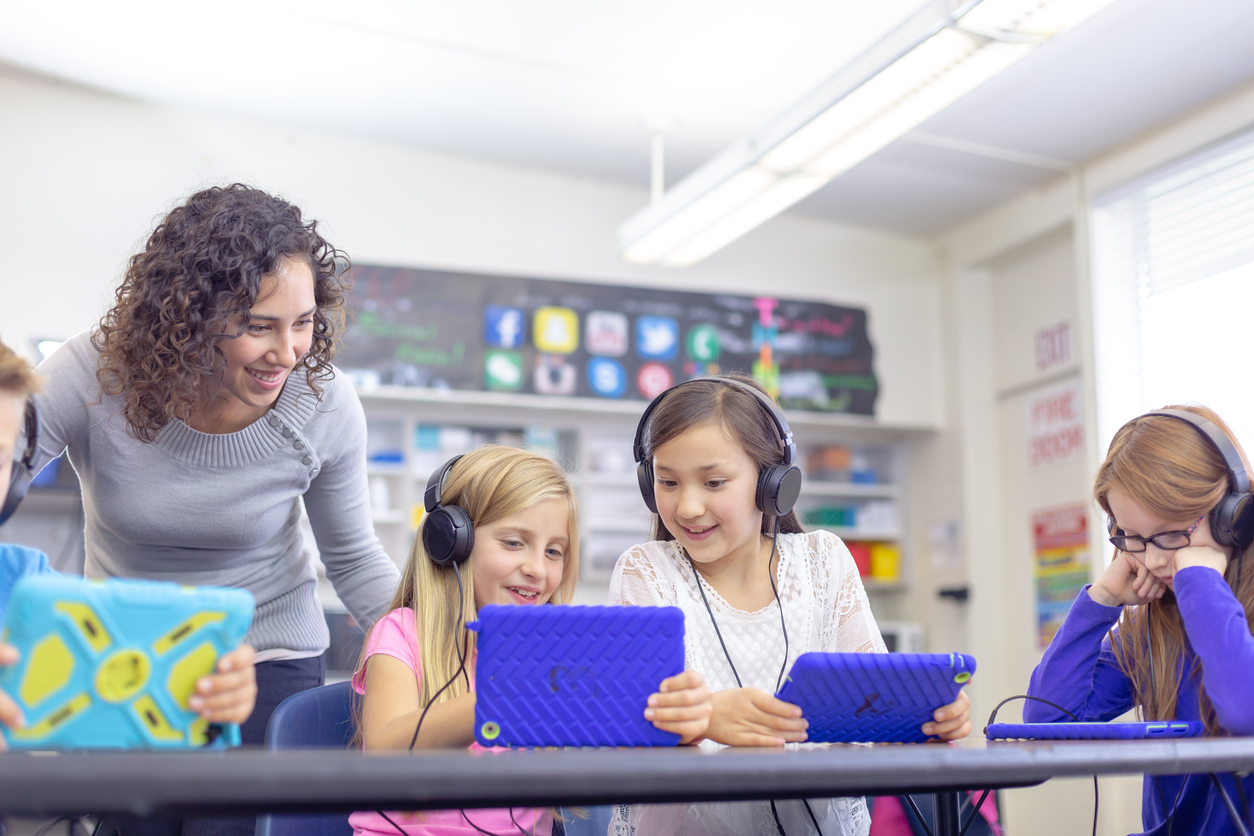
The advantages of integrating technology aren’t limited to better grades.
It creates well-rounded, tech-savvy learners who are prepared for the digital economy.
- Enhanced Engagement: Interactive content keeps students curious and active.
- Independent Learning: Access to online resources fosters self-study habits.
- Skill Development: Tech use promotes digital literacy, collaboration, and critical thinking.
- Real-Time Assessment: Teachers can now get instant data on student understanding and adjust accordingly.
- Inclusion for All: Assistive technologies support differently-abled students with tools tailored to their needs.
As schools across India embrace digital tools, technology integration in classrooms is becoming essential—not optional.
Challenges & The Need for Balance
Of course, no system is perfect.
Over-reliance on screens can affect attention spans, and not all schools have equal access to digital infrastructure.
Teachers too need adequate training and support to effectively use these tools.
However, with balanced implementation and continuous professional development, the benefits far outweigh the concerns.
The Future: AI, AR, and Beyond
We’re only scratching the surface.
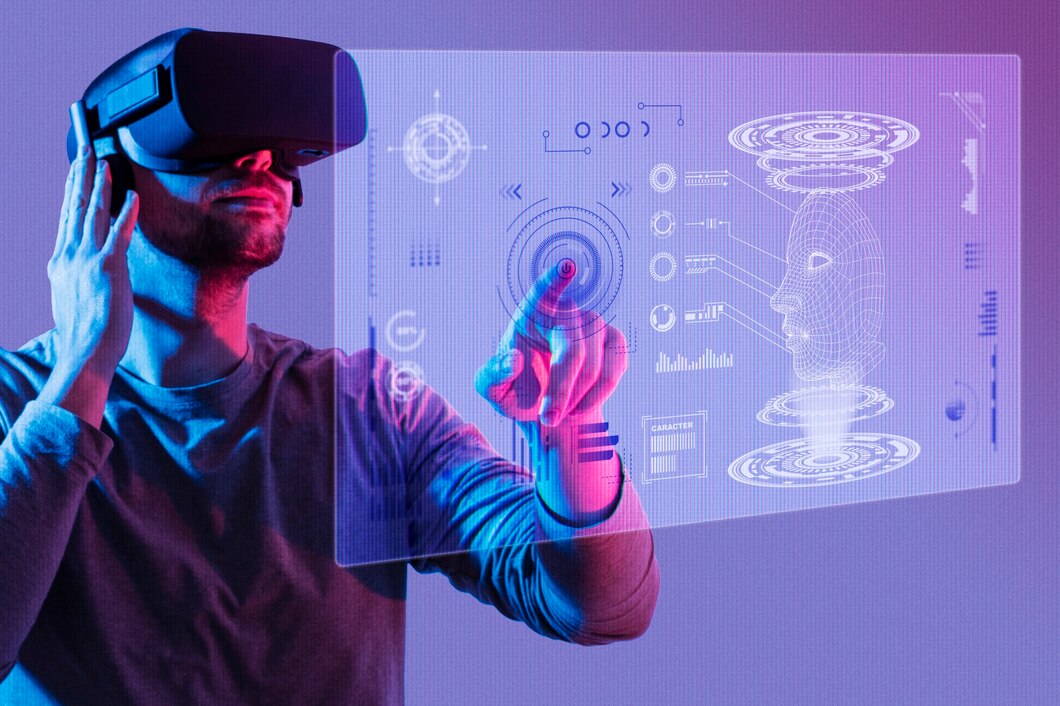
The future of technology integration in classrooms includes AI tutors, augmented reality tours of historical sites, and virtual STEM labs that let students experiment without limits.
Imagine biology students walking through a 3D beating heart, or a history class experiencing the Independence Movement via VR—it’s not science fiction anymore, it’s the new direction of learning.
Conclusion
Technology integration in classrooms is not just a trend; it’s a transformation.
It empowers students to learn in new ways, teachers to educate more effectively, and schools to meet evolving needs.
While the tools may change, the aim remains the same: better learning outcomes and minds ready for the future.
So the next time someone talks about “tech in classrooms,” remember it’s much more than gadgets; it’s the foundation for a smarter generation.
Frequently Asked Questions (FAQ’s)
1. What is technology integration in classrooms?
It refers to using digital tools to enhance teaching, learning, and student engagement.
2. How does it benefit students?
It boosts interaction, supports personalized learning, and builds digital skills.
3. Are traditional methods still used?
Yes, good tech use blends digital tools with conventional teaching methods.
4. Is it suitable for all age groups?
Absolutely! With the right tools, even early learners can benefit from guided tech use.
5. Does it replace teachers?
Not at all—technology supports teachers, it doesn’t replace them.