

Education plays a vital role in building strong, progressive societies. However, millions of children around the world still struggle to access proper schooling. This lack of access, known as education poverty, continues to hinder individual growth and community development. It’s a complex issue shaped by economic struggles, social inequalities, and weak infrastructure. To overcome it, we must understand the causes and implement practical solutions that ensure equal access to quality education for all.
What is Education Poverty?
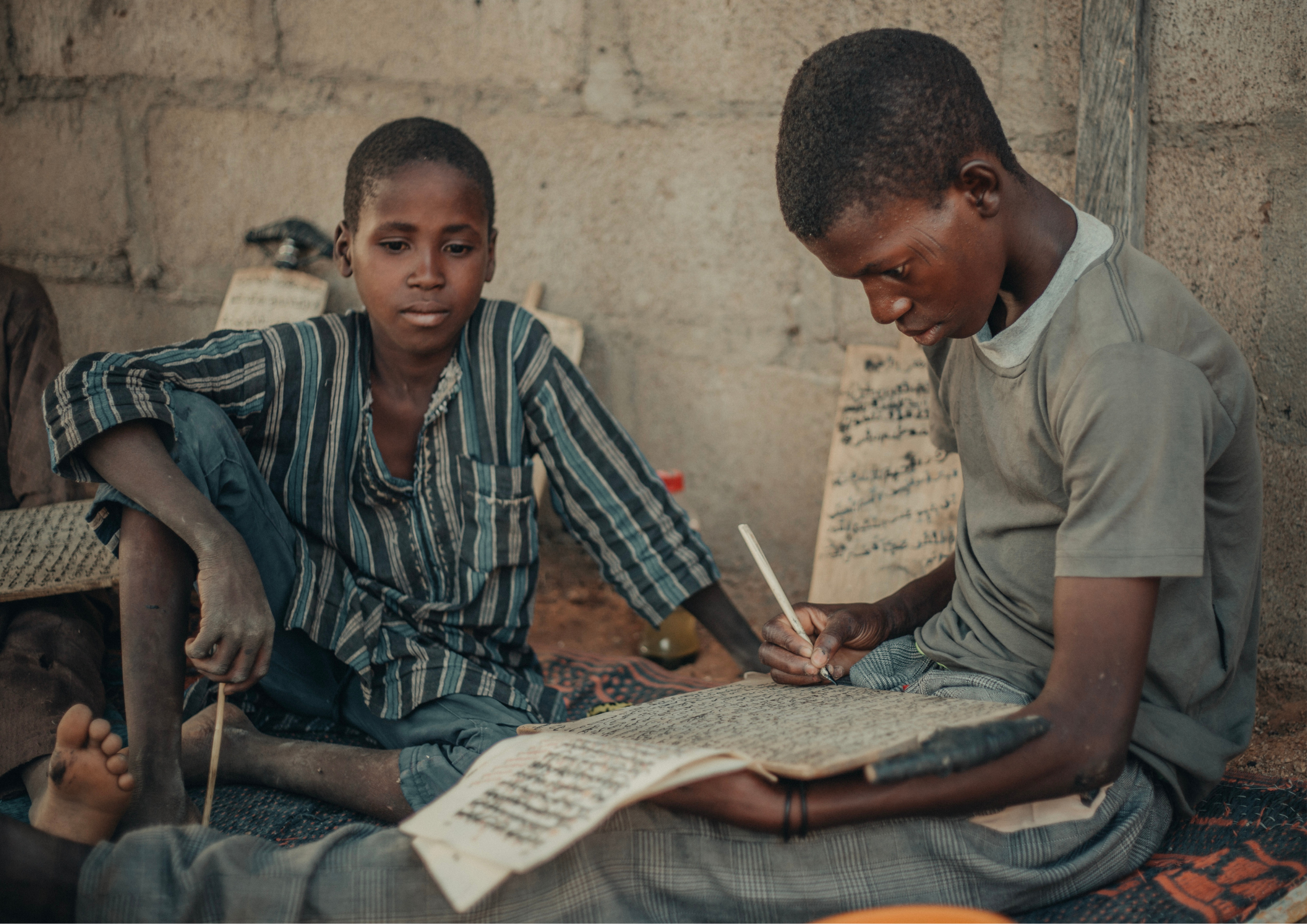
Education poverty refers to the lack of access to quality learning opportunities. Unlike illiteracy—which means being unable to read or write—education poverty occurs when students face inadequate learning conditions, untrained teachers, or poor-quality materials.
Children trapped in education poverty often study in overcrowded classrooms using outdated textbooks. This creates a significant education gap between those who receive quality education and those who don’t. As a result, students’ career prospects and chances of escaping poverty remain limited.
What Causes Education Poverty?
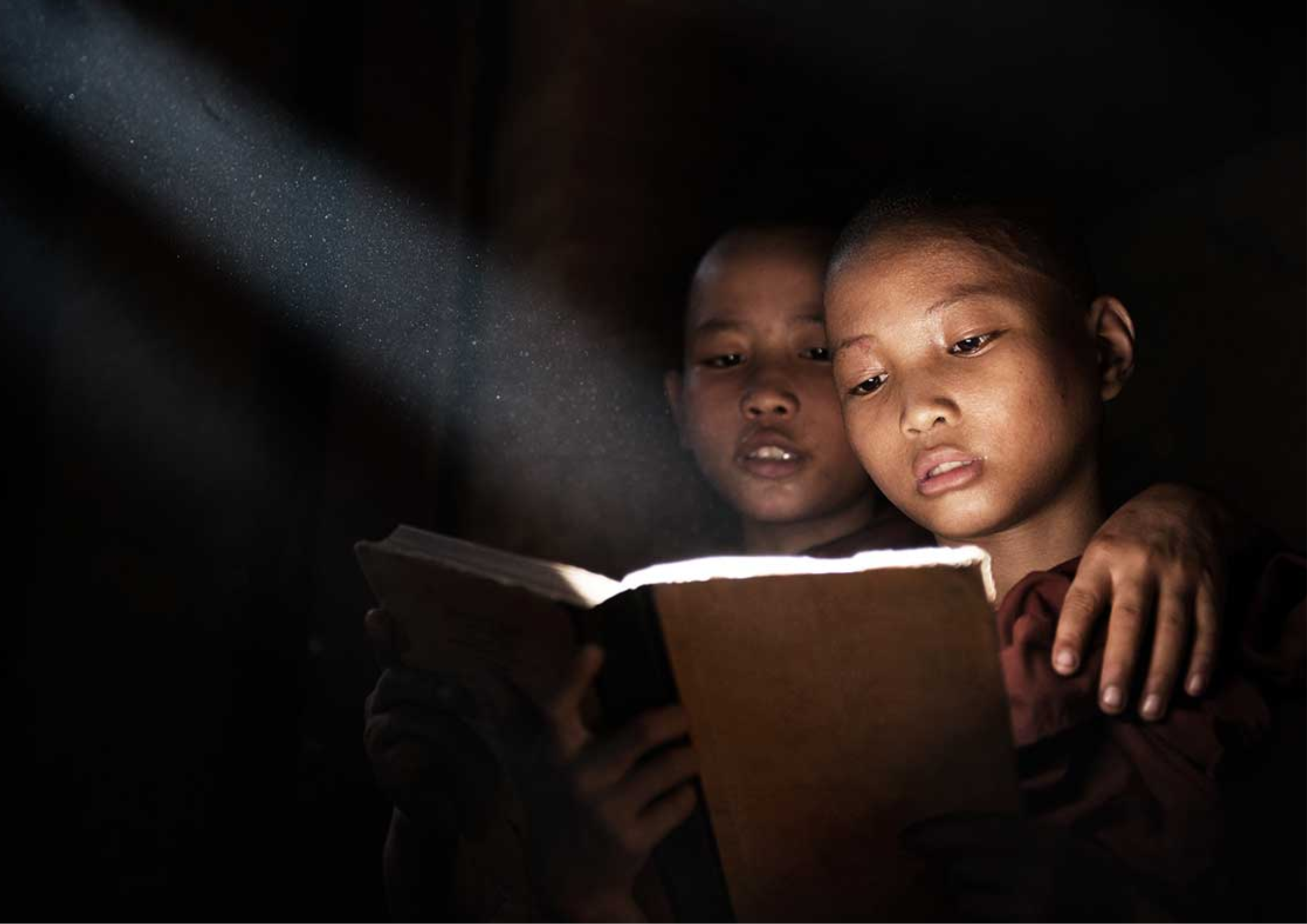
1. Economic Barriers
Poverty is the primary driver of education poverty. Low-income families often cannot afford school fees, uniforms, or books. In many cases, children must work to support their families, leaving no time for school.
2. Social Inequality
Social discrimination based on gender, caste, or ethnicity restricts access to education. Girls and children from marginalized groups are often denied schooling opportunities, reinforcing cycles of inequality.
3. Poor Infrastructure
Many rural schools lack essential facilities like classrooms, libraries, and clean water. The absence of trained teachers and proper sanitation also discourages regular attendance and learning progress.
4. Policy Gaps
Even in countries offering free primary education, policy implementation remains weak. Poor governance, ineffective curricula, and lack of teacher monitoring prevent these policies from reaching every child.
What Are the 4 Types of Poverty?
Poverty can be classified into different types based on its causes and impact. Understanding these helps design effective solutions to combat it:
-
Absolute Poverty: When people lack the basic needs of life—such as food, clean water, shelter, and healthcare.
-
Relative Poverty: When individuals have fewer resources compared to others in their society, leading to inequality.
-
Situational Poverty: Caused by sudden life changes like job loss, natural disasters, or illness that push people into poverty temporarily.
-
Generational Poverty: When poverty is passed down through families over generations, making it harder to break the cycle.
Impact of Education Poverty
The impact of education poverty extends far beyond classrooms. It fuels social inequality, restricts economic growth, and affects public health outcomes. Without education, nations lose potential innovators, skilled workers, and informed citizens.
To reduce education deprivation, we must focus on practical solutions that can reshape the learning landscape globally.
Solutions to Overcome Education Poverty
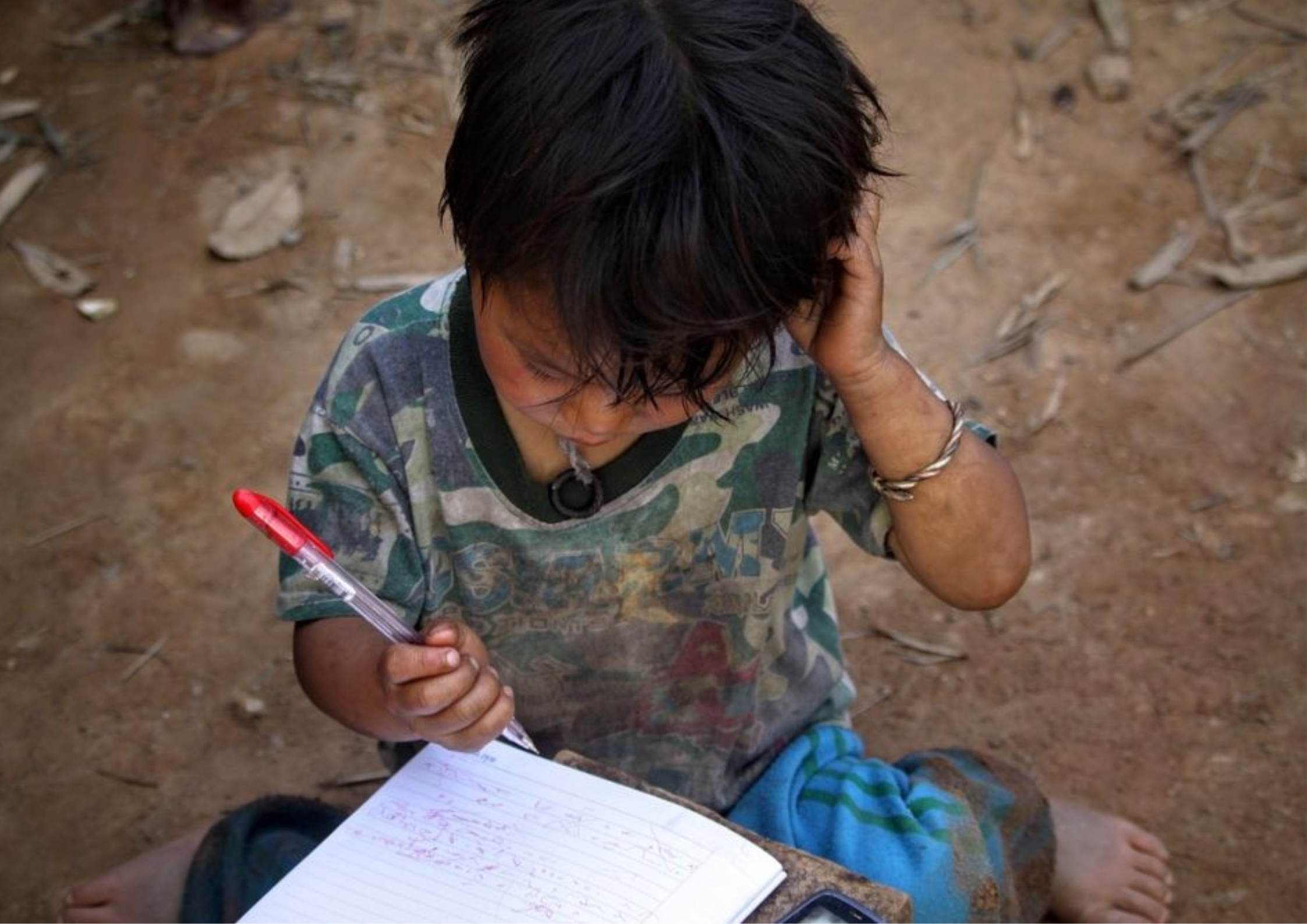
1. Strengthening School Infrastructure
Ensuring safe, accessible, and well-equipped schools is crucial. Proper classrooms, clean water, libraries, and digital tools foster better learning outcomes and help students stay motivated.
2. Financial Support Programs
For low-income families, financial assistance through scholarships, free textbooks, mid-day meals, and conditional cash transfers can make education affordable and reduce dropout rates.
3. Teacher Training and Recruitment
A shortage of qualified teachers significantly worsens education inequality. Governments and NGOs must collaborate to train, recruit, and retain skilled teachers—especially in underserved areas—while promoting teaching as a respected profession.
4. Promoting Gender Equality
Empowering girls through education is key to social progress. Providing safe school environments and running awareness programs can help reduce gender-based dropouts and increase female literacy rates.
5. Leveraging Technology
Technology can bridge educational gaps by offering digital learning platforms in remote or underdeveloped regions. E-learning, virtual classrooms, and smart devices make quality education accessible where schools are scarce.
The Role of Communities and NGOs
Communities and non-governmental organizations (NGOs) play a crucial role in eliminating education poverty. They support local education initiatives like community learning centers, awareness drives, and free tutoring programs. These grassroots efforts help create inclusive learning ecosystems that empower children to thrive.
Conclusion
Education poverty is not just a personal struggle—it’s a collective challenge that limits a nation’s growth and prosperity. Economic hardship, inequality, and poor infrastructure contribute to this ongoing issue. However, by improving schools, offering financial aid, empowering teachers, promoting gender equality, and embracing a modern education system, we can create meaningful change.
By fighting education poverty, we enable millions of children to learn, grow, and transform their futures—building stronger, more equitable societies worldwide.
Frequently Asked Questions (FAQs)
1) What is education poverty?
It’s the lack of access to quality education, learning resources, and proper school environments for children.
2) What are the causes of education poverty?
The main causes include economic hardship, social inequality, weak infrastructure, and policy failures that prevent equitable education access.
3) What impacts does education poverty have on society?
It reinforces poverty, limits job opportunities, affects public health, and reduces national productivity by creating an under-skilled workforce.
4) What can be done to solve education poverty issues?
Effective strategies include building better schools, providing financial support, training teachers, promoting gender equality, and introducing e-learning solutions to reach remote learners.