





Today educational institutions are increasingly exploring the scope of a foreign language in curriculum.
In today’s interconnected world, the ability to communicate across languages and cultures has become more important than ever.
From improving cognitive abilities to enhancing career prospects, introducing foreign languages into boarding schools in India and college curricula is no longer an option — it’s a necessity.
Let’s delve into the many layers of this educational shift and why the scope of a foreign language in curriculum is far-reaching and full of potential.
Why the Scope of a Foreign Language in Curriculum Is Expanding
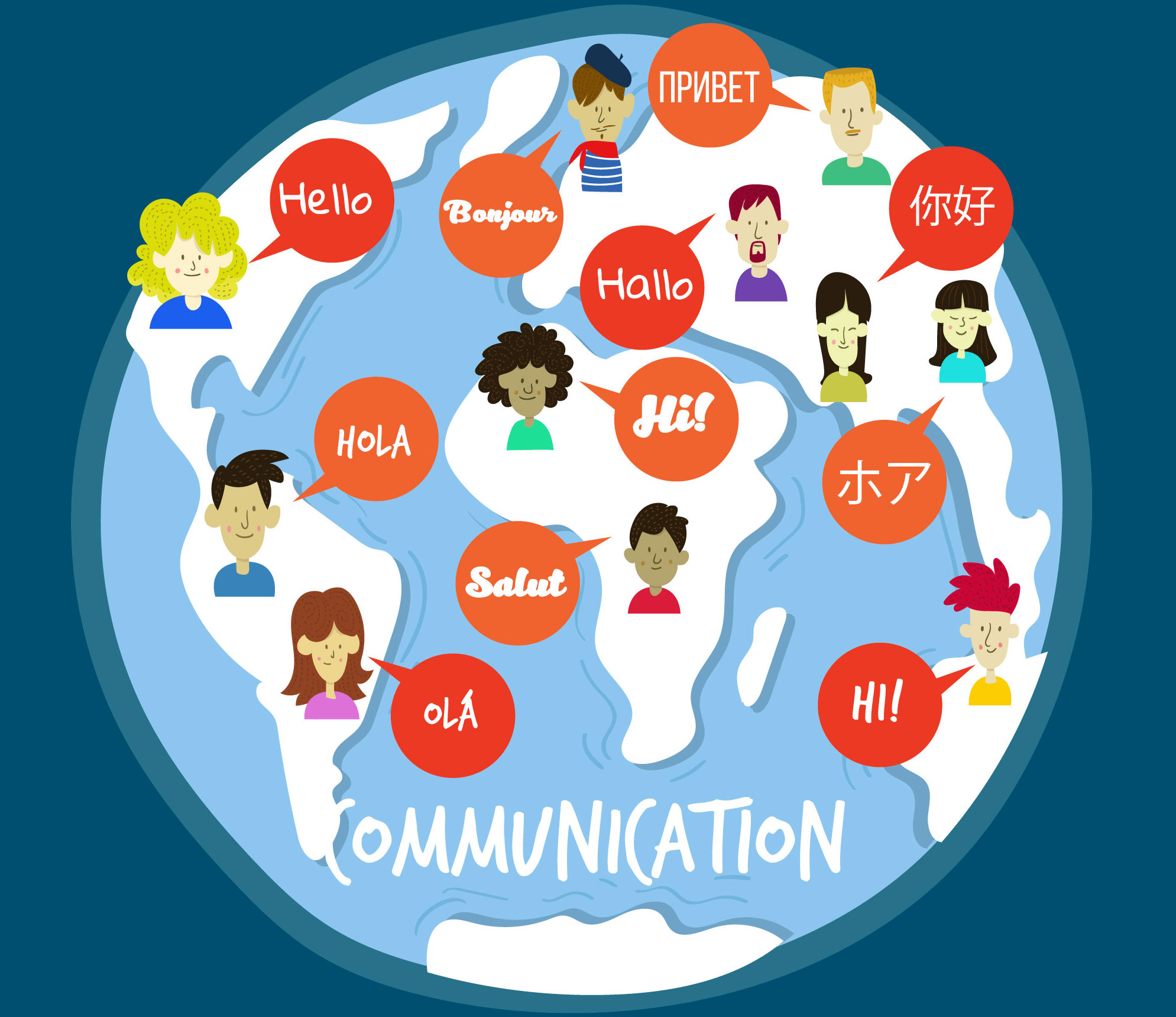
Globalization has turned the world into a smaller, more connected place.
Whether it’s for business, travel, or diplomacy, foreign language skills are becoming essential.
Schools and universities worldwide are beginning to understand that teaching only local or national languages limits students’ global readiness.
By expanding the scope of a foreign language in curriculum, educational systems can equip students with tools to thrive in international environments — from studying abroad to pursuing global careers.
Benefits That Broaden the Scope of a Foreign Language in Curriculum

- Cognitive Development:
Studies show that learning a second or third language enhances memory, critical thinking, and problem-solving skills. Multilingual students often perform better academically due to improved focus and mental flexibility. - Cultural Awareness:
Language is deeply tied to culture. When students learn a foreign language, they also gain insights into different cultures, traditions, and perspectives. This promotes empathy, tolerance, and global citizenship. - Career Opportunities:
In fields like international business, hospitality, diplomacy, and tech, being multilingual is a major advantage. The scope of a foreign language in curriculum aligns perfectly with market needs. - Academic Advantage:
Many higher education institutions around the world require proof of language proficiency for admission. Including foreign languages in the curriculum gives students a head start. - Enhanced Communication Skills:
Language learning sharpens grammar and vocabulary awareness even in one’s native language. It improves overall communication, which is crucial in any professional or social setting.
Languages That Fit the Scope of a Foreign Language in Curriculum

When planning curricula, institutions often ask: Which languages should we include?
While the answer depends on regional and global relevance, certain languages have consistently ranked high in demand:
- French: Spoken in over 29 countries and essential in diplomacy.
- Spanish: Widely used across the Americas and increasingly relevant in the US.
- Mandarin Chinese: The most spoken language in the world and a gateway to Chinese markets.
- German: A key language in European business and engineering sectors.
- Japanese & Korean: Important for tech, gaming, and automotive industries.
The growing scope of a foreign language in curriculum reflects the global demand for these languages, especially in career and commerce.
Challenges in Expanding the Scope of a Foreign Language in Curriculum

Implementing foreign languages into existing educational structures isn’t without challenges.
Schools often face a shortage of trained language teachers, lack of teaching materials, and resistance to change.
However, with government policies, private collaborations, and digital tools like language apps and online classes, these hurdles can be overcome.
Moreover, language exchange programs, foreign collaborations, and online certifications are making it easier for schools to broaden the scope of a foreign language in curriculum without drastically increasing costs.
Future Scope of a Foreign Language in Curriculum

The future of foreign language education is bright and tech-driven.
AI-powered translation tools, virtual reality language labs, and immersive online platforms are redefining how students engage with languages.
Additionally, as India continues to build partnerships with nations across Asia, Europe, and the Americas, the demand for foreign language proficiency will rise.
This is why schools and colleges must act now to expand the scope of a foreign language in curriculum and ensure their students don’t get left behind.
Conclusion
The growing scope of a foreign language in curriculum is more than a trend — it’s a transformation in education.
Language skills are life skills, preparing students to be better thinkers, communicators, and global citizens.
Whether it’s through French, Spanish, Mandarin, or Japanese, the future of education clearly speaks more than one language.
Frequently Asked Questions (FAQ’s)
1. Why is learning a foreign language important in school?
Learning a foreign language improves cognitive skills, cultural awareness, and opens up global career opportunities.
2. Which foreign languages are most beneficial for students to learn?
Languages like French, Spanish, Mandarin, German, and Japanese are widely spoken and useful in many fields.
3. At what age should students start learning a foreign language?
The earlier, the better. Starting in primary or middle school enhances fluency and long-term retention.
4. Can learning a foreign language help with career growth?
Absolutely, multilingual professionals are in high demand across industries like tech, business, tourism, and diplomacy.
5. How can schools implement foreign languages into their curriculum effectively?
By hiring trained faculty, using digital tools, encouraging language exchange programs, and offering cultural exposure.