

Education is widely recognized as the foundation of a progressive and inclusive society. It equips individuals with knowledge, values, and skills necessary to lead productive lives and contribute to national development. Among all stages of learning, primary education plays a particularly critical role because it forms the base of a child’s intellectual, emotional, and social growth.
The concept of Universalisation of Primary Education (UPE) emerged from the idea that every child should have equal access to basic education regardless of social, economic, or cultural background. Governments and international organizations have long emphasized this goal as a key strategy for reducing poverty, promoting equality, and strengthening democratic societies.
This article explores the meaning, objectives, benefits, and challenges of universalising primary education, while also examining why it remains one of the most important goals in the global education system.
Understanding Universalisation of Primary Education
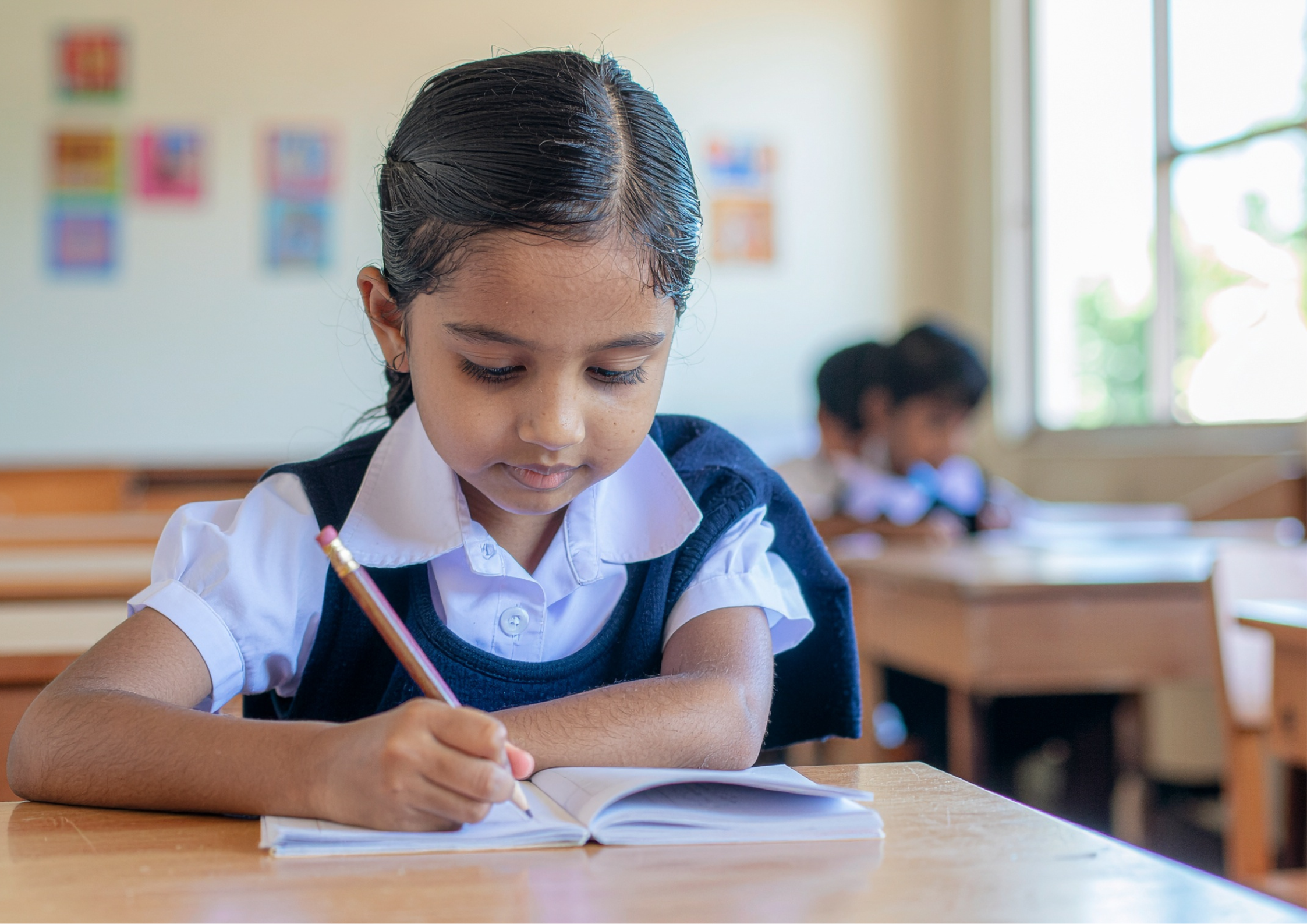
Universalisation of Primary Education refers to the effort to ensure that all children receive free, compulsory, and quality primary schooling. The aim is not just to enroll children in schools but also to ensure that they complete the primary level of education successfully.
The concept focuses on three major aspects:
1. Universal Access
Every child should have the opportunity to attend school without facing geographical, financial, or social barriers.
2. Universal Enrollment
All children of the appropriate age group must be enrolled in the education system so that none remain outside the learning environment.
3. Universal Retention
Children should continue their studies until the completion of primary education without dropping out midway.
Together, these three elements ensure that education becomes truly inclusive and accessible to all members of society.
Historical Background of Universal Primary Education

The idea of universal education gained global recognition during the twentieth century, particularly after many nations realized that literacy and education were essential for economic development. International organizations such as UNESCO and UNICEF have continuously promoted the goal of universal education.
In many developing countries, education reforms have been introduced to increase school enrollment, improve infrastructure, and provide incentives for families to send their children to school. Special attention has been given to rural areas, marginalized communities, and economically disadvantaged groups where access to education has historically been limited.
Importance of Universalising Primary Education
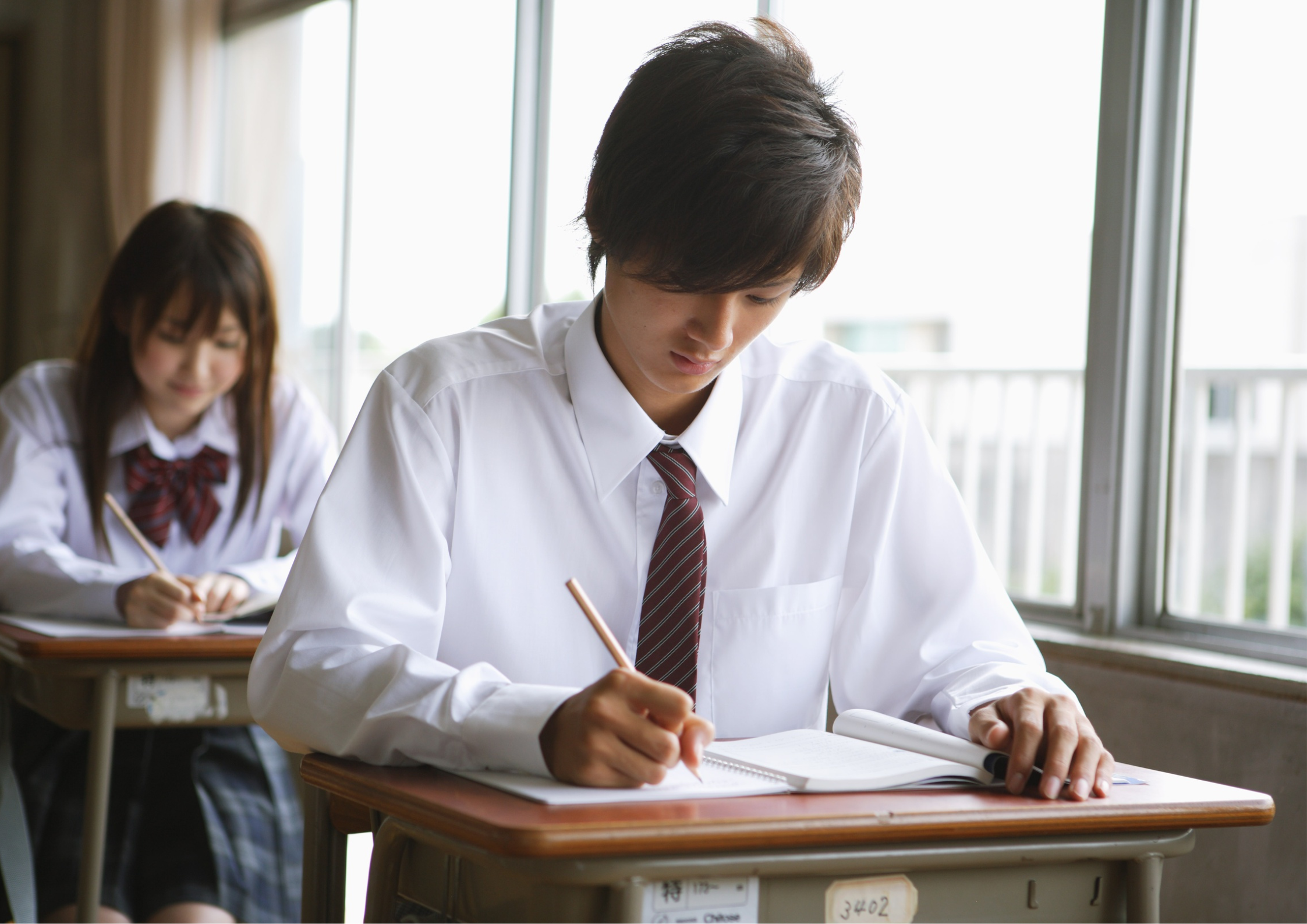
Primary education is often described as the “gateway to lifelong learning.” When every child receives basic education, it produces long-term benefits not only for individuals but also for society as a whole.
1. Building Strong Learning Foundations
The early years of education help children develop fundamental skills such as reading, writing, numeracy, and critical thinking. These abilities support future academic learning and career development.
For example, when a child attends a school in India, the primary curriculum usually focuses on literacy, numeracy, environmental awareness, and basic social skills that prepare students for higher levels of education.
2. Promoting Social Equality
Universal education reduces social inequalities by giving children from different backgrounds equal opportunities to learn. When education becomes accessible to all, it helps bridge gaps between urban and rural populations, wealthy and disadvantaged families, and different communities.
3. Reducing Poverty
Education is one of the most effective tools for breaking the cycle of poverty. Individuals who receive basic education are more likely to gain employment, improve their income levels, and contribute positively to the economy.
4. Encouraging Civic Awareness
Primary education introduces children to social values, cultural understanding, and civic responsibility. It helps them understand their rights and duties as members of society.
5. Supporting Early Childhood Development
Before entering formal schooling, many children benefit from structured learning environments that prepare them for academic life. Programs related to Preschool Education help develop cognitive abilities, communication skills, and social interaction that make the transition to primary school smoother.
Key Components of Universal Primary Education
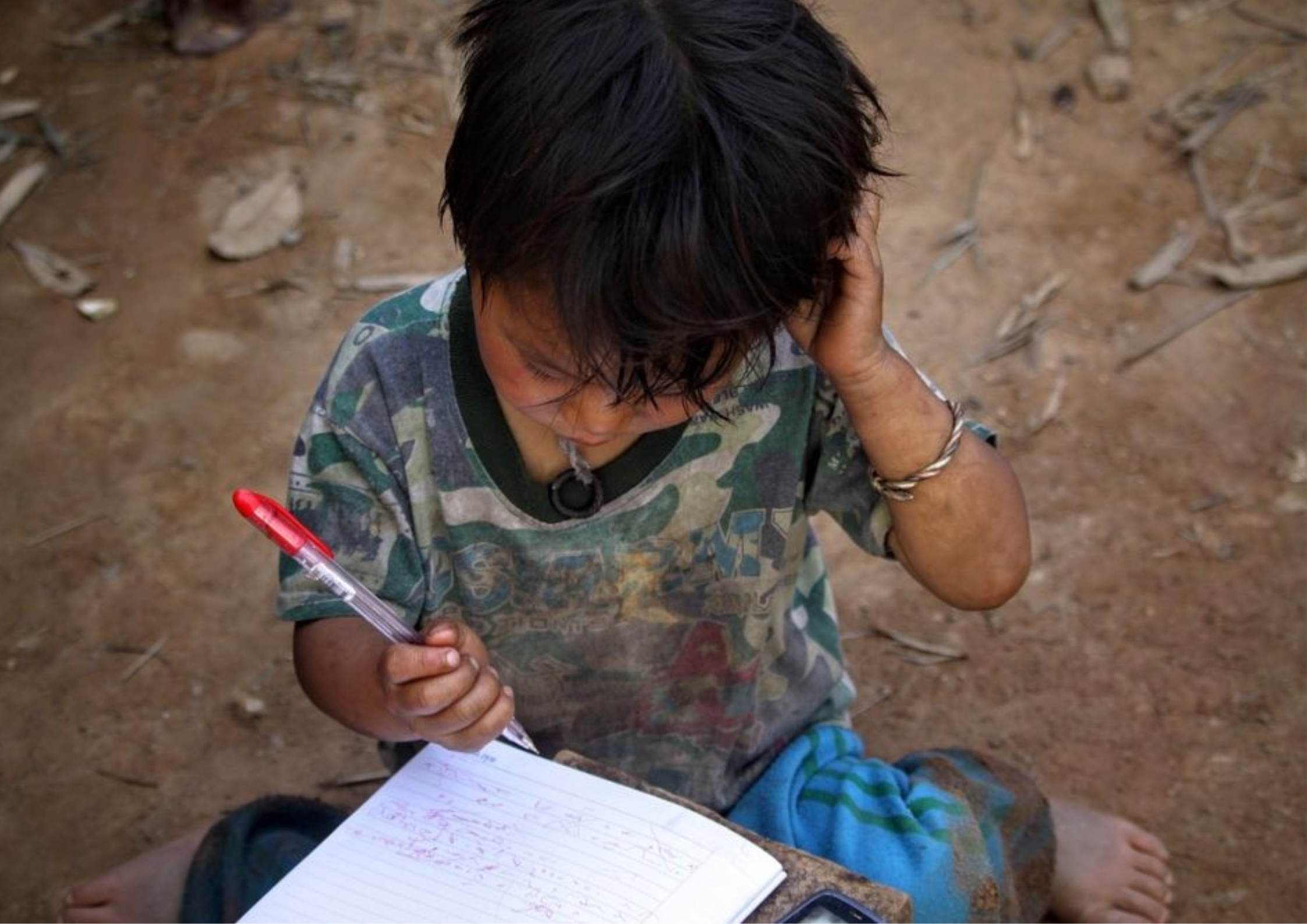
Achieving universal education requires coordinated efforts from governments, educational institutions, and communities. Several essential components contribute to this goal.
1. Free and Compulsory Education
Many countries have introduced laws that make primary education both free and compulsory. This ensures that financial constraints do not prevent children from attending school.
2. Adequate School Infrastructure
Schools must provide safe classrooms, learning materials, sanitation facilities, and trained teachers. Infrastructure plays an important role in attracting students and ensuring a supportive learning environment.
3. Qualified Teachers
Teachers are central to the success of universal education. Well-trained educators can create engaging learning experiences that encourage students to remain in school and perform better academically.
4. Inclusive Education Policies
Education systems must accommodate children with disabilities, language differences, and diverse cultural backgrounds so that no child feels excluded.
5. Community Participation
Parents, local communities, and educational organizations must actively support the schooling process. Their involvement helps create awareness about the value of education and encourages regular attendance.
Benefits of Universal Primary Education

The impact of universal education extends far beyond classrooms. It influences various aspects of social and economic development.
Improved Literacy Rates
When primary education becomes accessible to all, literacy levels rise significantly. Higher literacy rates contribute to better communication, knowledge sharing, and innovation.
Economic Growth
Educated individuals contribute to productivity and technological advancement. Countries with higher education levels often experience faster economic development.
Better Health Awareness
Education helps individuals understand health practices, hygiene, and nutrition. Families with educated members are more likely to adopt healthier lifestyles.
Empowerment of Women
Providing equal education opportunities to girls promotes gender equality. Educated women are more likely to participate in the workforce, make informed decisions, and support their children’s education.
Stronger Democratic Values
Education encourages critical thinking and informed decision-making, which strengthens democratic participation and social harmony.
Challenges in Achieving Universal Primary Education

Despite significant progress in recent decades, achieving universal education remains a complex challenge in many regions.
1. Economic Barriers
Families with limited financial resources sometimes depend on children for work or household responsibilities, which can prevent regular school attendance.
2. Lack of Infrastructure
In remote areas, schools may be located far from residential communities. Poor transportation and inadequate facilities can discourage enrollment.
3. Teacher Shortage
Some education systems struggle with a shortage of qualified teachers, leading to overcrowded classrooms and reduced learning quality.
4. Social and Cultural Factors
In certain communities, traditional beliefs or gender biases may restrict access to education for girls or marginalized groups.
5. Dropout Rates
Even when children enroll in school, some leave before completing primary education due to academic difficulties, financial pressures, or family circumstances.
Strategies to Strengthen Universal Primary Education
To address these challenges, policymakers and educators have developed several effective strategies.
1) Expanding Educational Infrastructure
Building more schools in underserved regions ensures that children have access to nearby educational facilities.
2) Providing Financial Support
Scholarships, free textbooks, and meal programs encourage families to keep their children in school.
3) Teacher Training Programs
Continuous professional development helps teachers adopt modern teaching methods that improve student engagement and learning outcomes.
4) Digital Learning Initiatives
Technology can help bridge educational gaps by providing online resources, interactive learning tools, and remote education opportunities.
5) Community Awareness Campaigns
Educational campaigns encourage parents and communities to recognize the long-term benefits of education.
The Future of Primary Education
The future of universal education depends on innovation, collaboration, and sustained policy support. Governments must continue investing in educational infrastructure, teacher training, and inclusive policies that ensure every child has the opportunity to learn.
Modern educational approaches increasingly emphasize creativity, critical thinking, and digital literacy. Integrating these elements into primary education will prepare children for the rapidly changing demands of the twenty-first century.
Achieving universal education is not just a policy objective—it is a commitment to building a fair and knowledgeable society.
Conclusion
Universalisation of Primary Education represents one of the most important goals in global development. By ensuring that every child receives basic education, societies create opportunities for growth, equality, and long-term prosperity.
While many countries have made remarkable progress in expanding access to education, challenges such as poverty, infrastructure gaps, and social barriers still remain. Addressing these issues requires coordinated efforts from governments, educators, families, and communities.
When universal primary education becomes a reality, it not only transforms individual lives but also strengthens the social and economic foundation of entire nations.
FAQs
1. What is the main goal of universalisation of primary education?
The main goal is to ensure that every child receives free, compulsory, and quality primary education without facing social, economic, or geographic barriers.
2. Why is primary education important for children?
Primary education builds fundamental skills such as reading, writing, and problem-solving, which support lifelong learning and personal development.
3. What are the three key aspects of universal primary education?
The three key aspects are universal access, universal enrollment, and universal retention in schools.
4. What are the biggest challenges in achieving universal primary education?
Major challenges include poverty, lack of school infrastructure, teacher shortages, and social or cultural barriers that limit access to education.
5. How can governments improve primary education systems?
Governments can improve systems by investing in school infrastructure, training teachers, providing financial support to families, and implementing inclusive education policies.