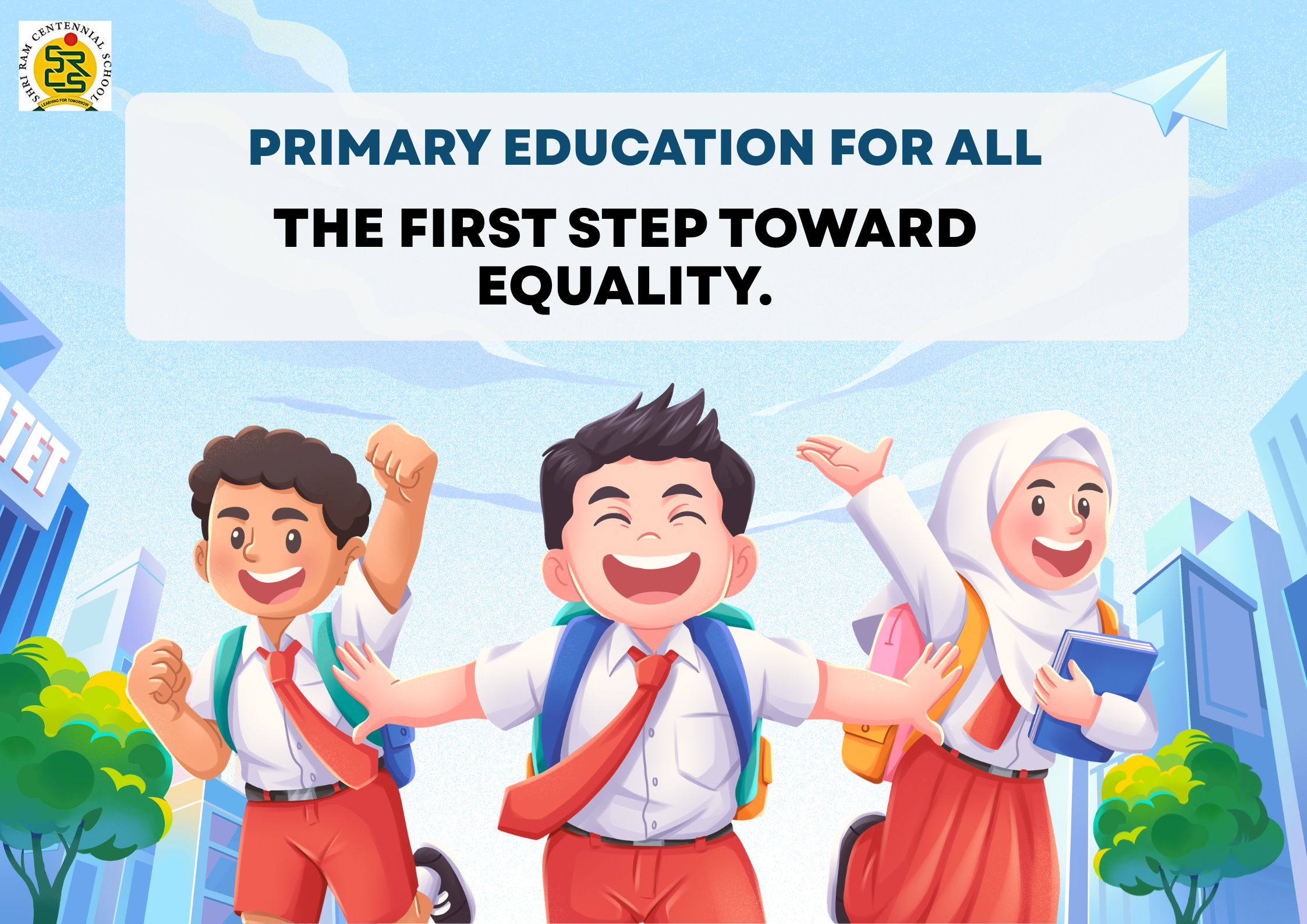




Education shapes how children understand the world, interact with others, and develop their potential. However, the way education systems treat diversity can differ significantly. Some systems ensure equal opportunities for all learners, while others separate students based on ability, disability, or background.
This is where the concepts of inclusive and exclusive education become important. Understanding these two approaches helps parents, educators, and policymakers create environments where every child receives meaningful learning opportunities.
This article explains the definition, features, and real-life examples of inclusive and exclusive education to help you understand how these models influence modern schooling.
Understanding Inclusive and Exclusive Education
What is Inclusive Education?
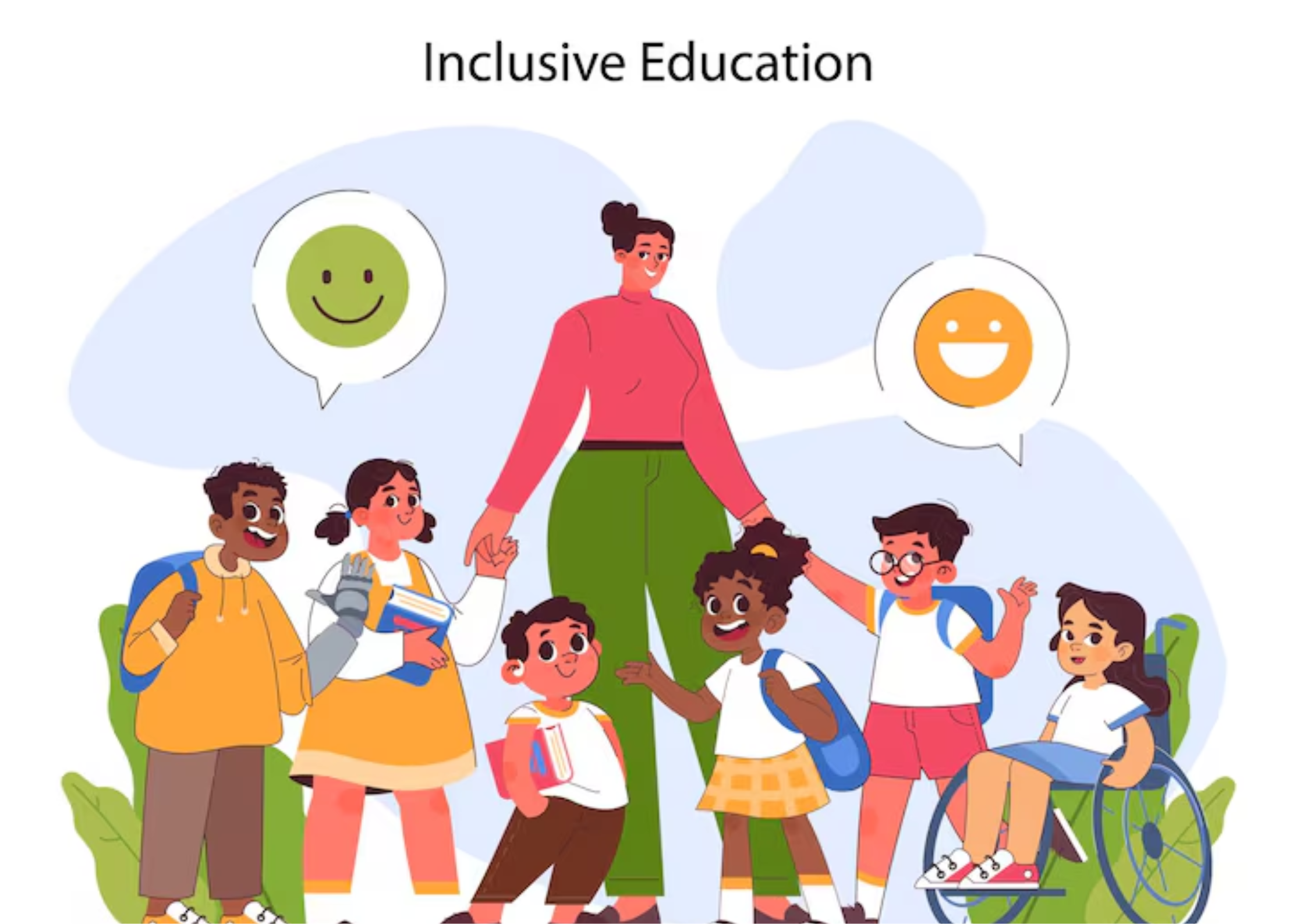
Inclusive education is an approach where students with different abilities, backgrounds, and learning needs study together in the same classroom.
Instead of separating children with disabilities or special learning needs, schools adapt teaching methods, infrastructure, and resources to ensure every student can participate in learning.
Definition:
Inclusive education refers to an education system where all students—regardless of disability, social background, language, or learning differences—learn together in a common educational environment.
Key Features of Inclusive Education
-
Equal learning opportunities for all students
-
Classroom diversity and acceptance
-
Adapted teaching strategies for different learning needs
-
Collaboration between teachers, parents, and specialists
-
Accessible infrastructure and learning materials
Example of Inclusive Education
A classroom where a student with hearing impairment studies alongside other students while using assistive tools like hearing aids or sign language support is an example of inclusive learning.
Many modern schools and even Boarding Schools in India are gradually adopting inclusive practices to support diverse learners.
What is Exclusive Education?
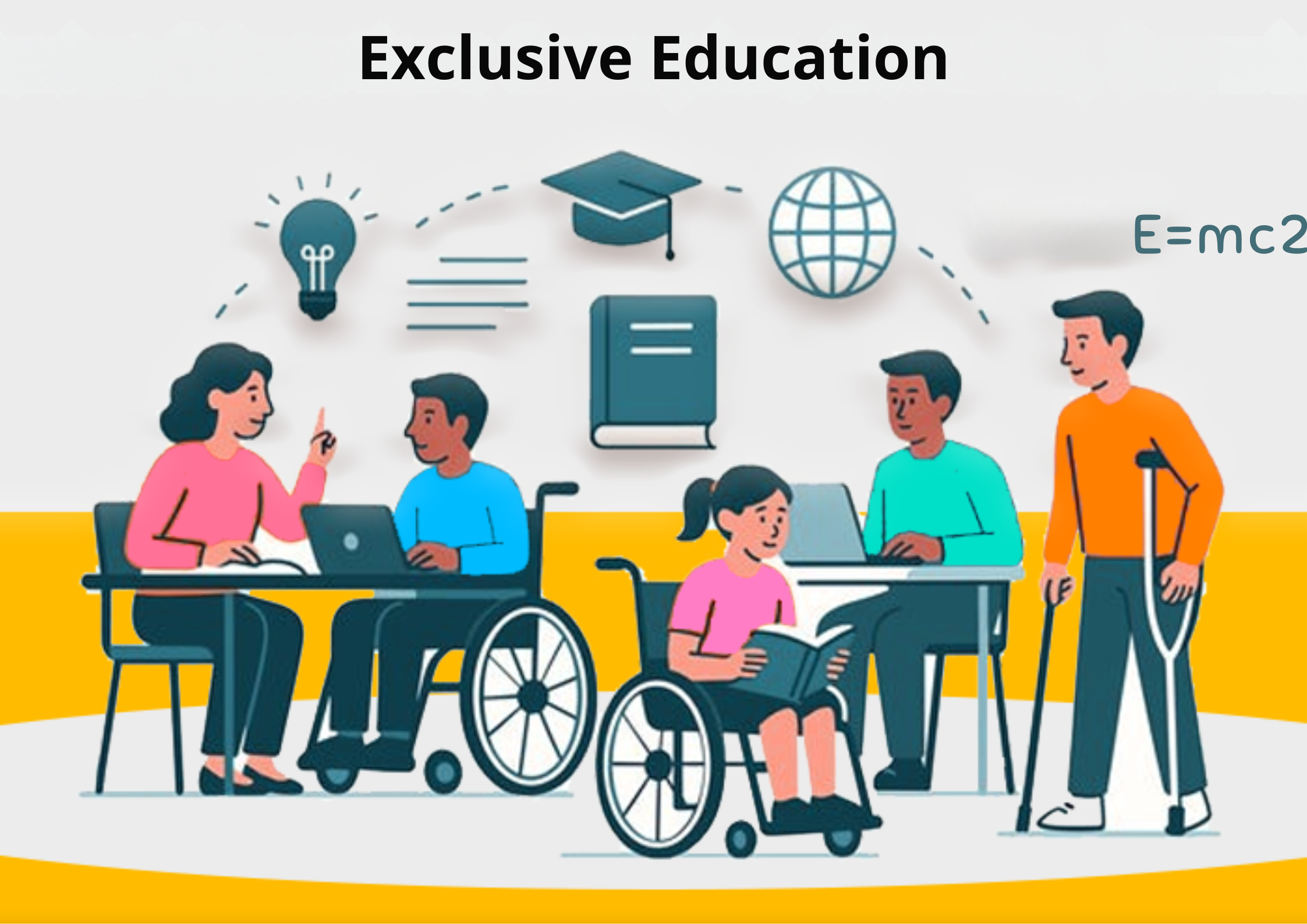
Exclusive education refers to a system where certain students are separated from mainstream classrooms based on abilities, disabilities, or academic performance.
This system often places children in special schools or special classrooms designed specifically for their learning needs.
Definition:
Exclusive education is a model where students with specific needs or abilities are taught separately from the general student population.
Key Features of Exclusive Education
-
Separate classrooms or institutions
-
Specialized teaching staff
-
Tailored curriculum for specific groups
-
Limited interaction with mainstream students
Example of Exclusive Education
A school that places children with learning disabilities in a completely separate institution rather than integrating them with other students represents an exclusive education system.
Key Differences Between Inclusive and Exclusive Education
Understanding the difference between these two approaches helps clarify how schools support diverse learners.
| Aspect | Inclusive Education | Exclusive Education |
|---|---|---|
| Learning Environment | Shared classroom | Separate classrooms or schools |
| Student Interaction | Diverse peer interaction | Limited social interaction |
| Teaching Method | Adapted teaching strategies | Specialized curriculum |
| Goal | Equal participation | Focused learning support |
While both systems aim to support students, inclusive education promotes social integration and equal opportunity.
Benefits of Inclusive Education

Inclusive classrooms provide multiple benefits not only for students with special needs but also for the entire learning community.
1. Promotes Equality
Inclusive learning ensures that every child receives the same opportunities to learn and grow.
2. Builds Social Skills
Students learn empathy, cooperation, and respect for diversity when they interact with peers from different backgrounds.
3. Improves Academic Outcomes
Studies show that inclusive environments can enhance engagement and overall academic performance.
4. Encourages Confidence
Students feel valued and accepted when they are included in mainstream classrooms.
5. Prepares Students for Real Life
Inclusive learning reflects real-world diversity, preparing students to work and live in diverse societies.
Challenges of Inclusive Education
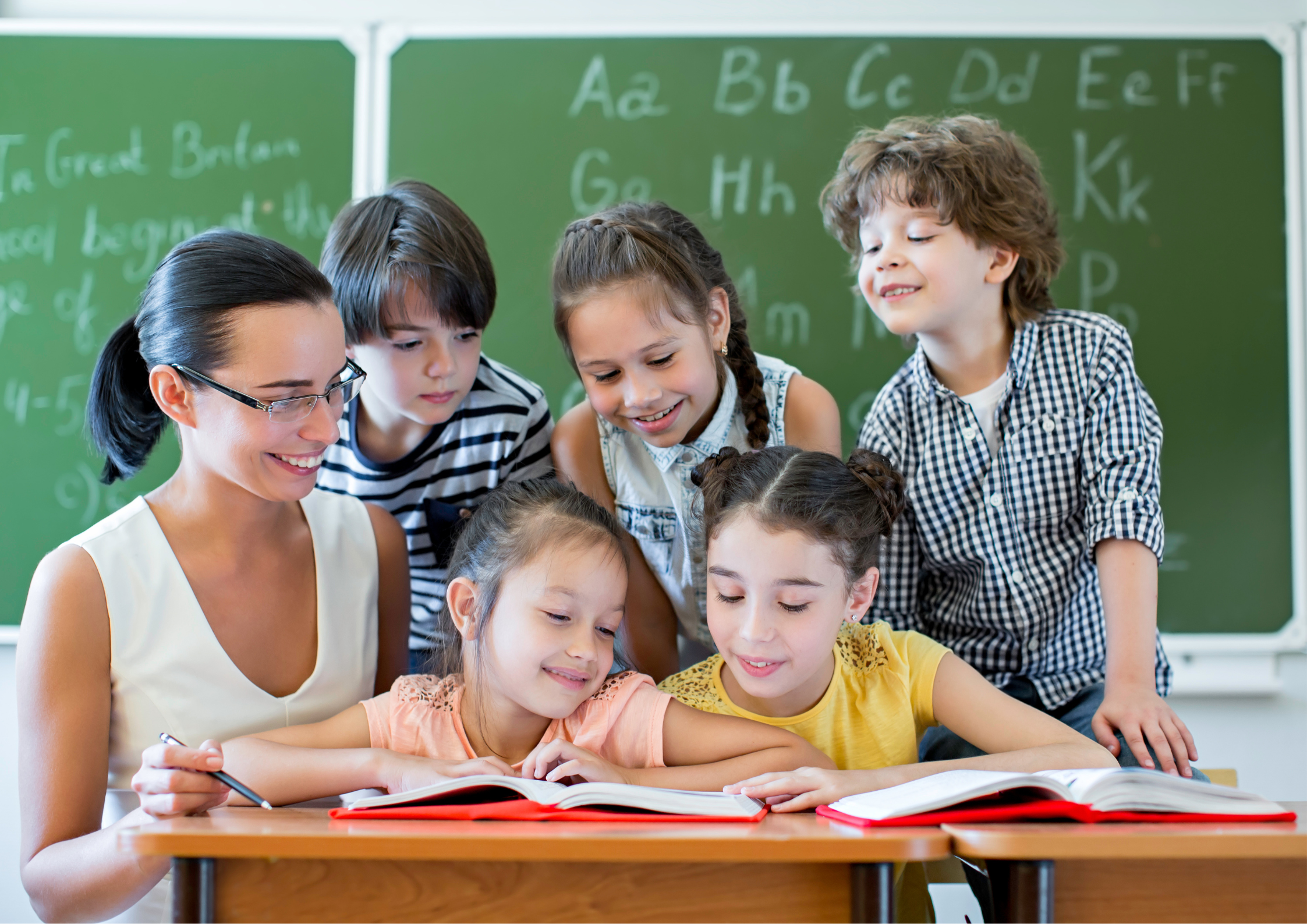
Despite its advantages, implementing inclusive education can present certain challenges.
Limited Resources
Some schools may lack trained staff or specialized teaching materials.
Teacher Training
Educators need proper training to manage diverse classrooms effectively.
Infrastructure Limitations
Schools must provide accessible facilities such as ramps, assistive technology, and supportive learning tools.
Classroom Management
Balancing different learning needs in a single classroom requires careful planning and flexible teaching methods.
However, with proper planning and support, these challenges can be addressed successfully.
Role of Teachers and Schools

Teachers and educational institutions play a vital role in implementing inclusive education successfully.
Teachers
Teachers can support inclusive classrooms by:
-
Using differentiated teaching methods
-
Encouraging collaboration among students
-
Adapting assessments to suit diverse learners
-
Providing emotional and academic support
Schools
Educational institutions can promote inclusion by:
-
Creating accessible infrastructure
-
Providing teacher training programs
-
Encouraging parent participation
-
Developing inclusive policies
Many schools begin implementing inclusive learning principles during Preschool Education, where early social interaction helps children develop acceptance and cooperation.
Real-Life Examples of Inclusive Education

Inclusive Classroom Model
A school integrates children with physical disabilities into regular classrooms with assistive technologies and trained support teachers.
Collaborative Learning
Students work in mixed-ability groups where stronger learners help peers understand concepts.
Technology-Assisted Learning
Digital tools, audio learning aids, and adaptive software help students with different learning needs access the same curriculum.
Conclusion
Understanding inclusive and exclusive education is essential for building fair and effective education systems.
Inclusive education focuses on integrating all learners in a shared classroom environment, promoting equality, diversity, and social development. Exclusive education, on the other hand, separates students based on specific needs to provide specialized instruction.
While both models aim to support learners, modern educational policies increasingly emphasize inclusion because it prepares students for real-world diversity and strengthens community values.
By adopting inclusive teaching methods, improving infrastructure, and supporting teachers, schools can ensure that every child receives quality education and the opportunity to thrive.
Frequently Asked Questions (FAQs)
1. What is Inclusive and Exclusive Education?
Inclusive and Exclusive Education refers to two different learning approaches. Inclusive education teaches all students together in one classroom, while exclusive education separates students based on ability or specific needs.
2. What is the main difference between Inclusive and Exclusive Education?
The main difference is the learning environment. Inclusive education keeps all students in the same classroom, while exclusive education places certain students in separate schools or classes.
3. Why is Inclusive Education important?
Inclusive education promotes equality, diversity, and social understanding. It helps students learn together and respect different abilities and backgrounds.
4. What are examples of Inclusive Education?
Examples include classrooms where students with disabilities learn with other students and teachers use different teaching methods to support every learner.
5. Can Inclusive and Exclusive Education both exist?
Yes, both can exist. Inclusive education focuses on shared classrooms, while exclusive education may be used when students need specialized learning support.