



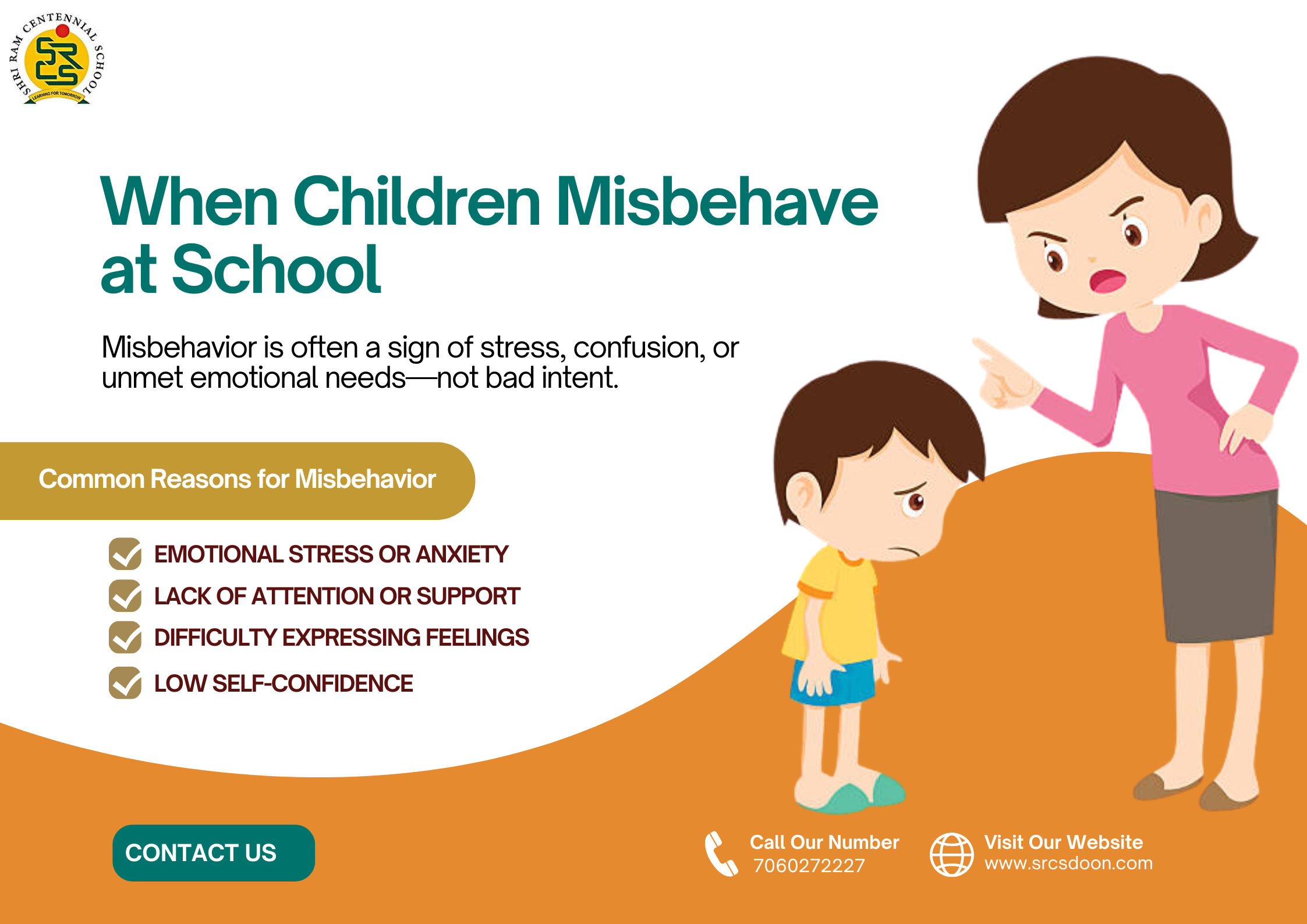
Every parent wants their child to feel safe and confident at school, but reports of misbehavior can be worrying. Such behavior is common and often reflects unmet needs rather than poor values.
This blog explains the reasons behind school misbehavior, the challenges in addressing it, and practical ways parents and educators can encourage positive change together.
Understanding School Misbehavior: What It Really Means
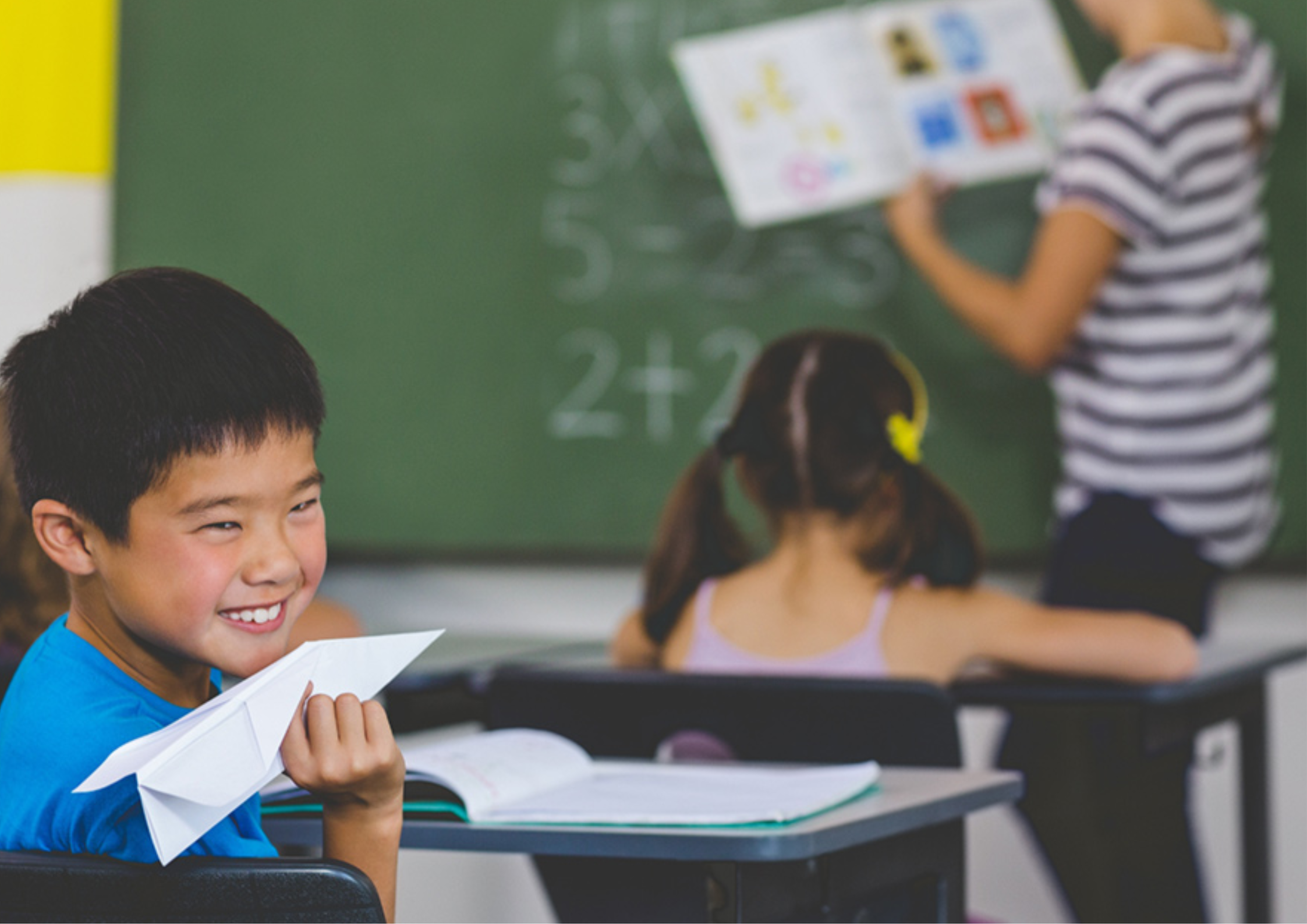
Misbehavior Is Often a Signal, Not a Problem
Children rarely misbehave without a reason. Disruptive actions, refusal to follow rules, or withdrawal from class activities often signal unmet emotional, social, or academic needs. Instead of labeling a child as “difficult,” it is more helpful to ask what the behavior is trying to express.
Common Forms of Misbehavior
Misbehavior can look different at various ages. Younger children may struggle with sitting still or sharing, while older students might show defiance, disengagement, or attention-seeking actions. Recognizing these patterns early helps prevent them from becoming habits.
Key Reasons Why Children Misbehave at School
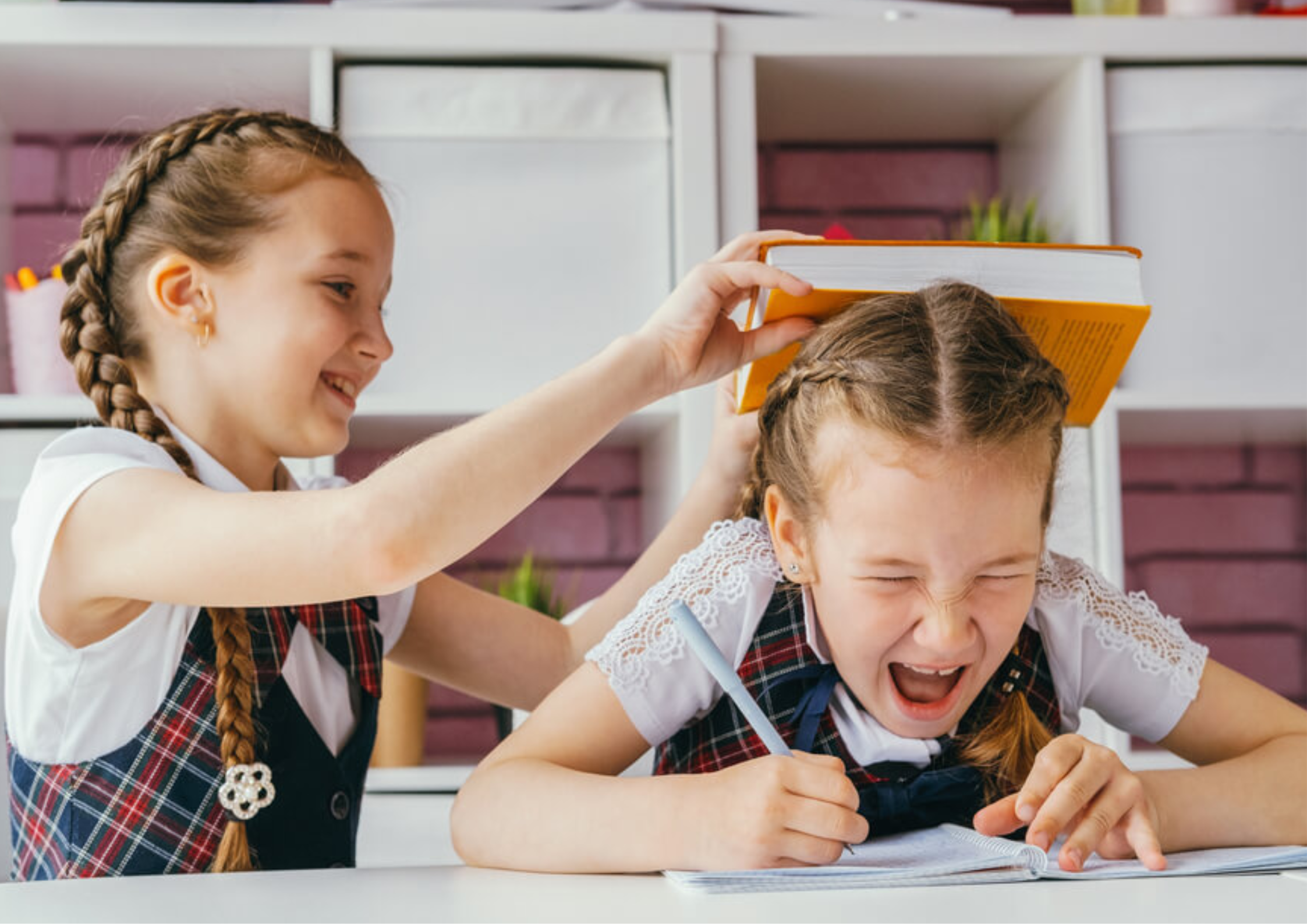
Emotional and Social Factors
Children bring their emotions into the classroom. Stress at home, changes in routine, peer conflicts, or feelings of insecurity can all influence behavior. A child who feels unheard or overwhelmed may act out simply to regain a sense of control.
Academic Pressure and Learning Gaps
When lessons feel too difficult or too easy, frustration sets in. Children who struggle academically may misbehave to divert attention from their challenges, while others may act out due to boredom or lack of stimulation.
Lack of Physical Activity and Energy Release
Many parents hold misconceptions of physical education, assuming it is less important than academic subjects. In reality, regular movement helps children manage energy levels, improve focus, and regulate emotions. When physical outlets are limited, restlessness often appears as disruptive behavior in class.
Teaching Style and Classroom Environment
Every child learns differently. Methods that encourage curiosity and reasoning—such as the Inductive Method of Teaching —help students feel involved rather than pressured. A rigid or overly competitive environment, however, can leave some children feeling disconnected.
Developmental and Behavioral Needs
Some children face attention, sensory, or emotional regulation challenges that affect their conduct. These are not signs of failure but areas where additional support and understanding are required.
Challenges Parents and Schools Face
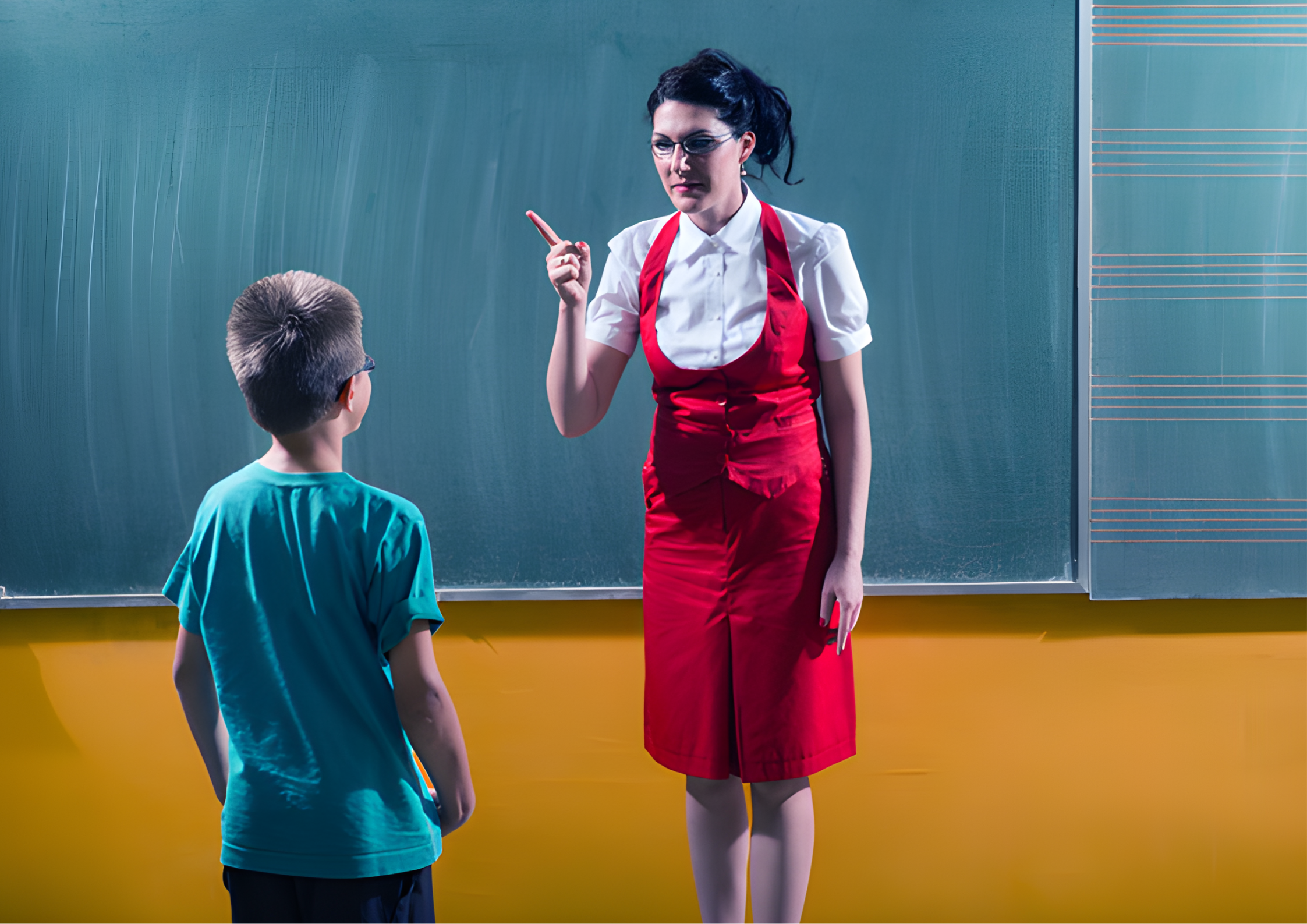
Communication Gaps
One of the biggest obstacles is miscommunication between parents and teachers. When concerns are shared without clarity or empathy, misunderstandings arise, delaying effective solutions.
Emotional Reactions and Blame
Parents often feel defensive or guilty when hearing about misbehavior, while teachers may feel unsupported. Blame-focused responses rarely help and can increase stress for the child caught in the middle.
Inconsistent Expectations
When rules at home and school differ significantly, children struggle to adapt. Consistency plays a crucial role in shaping behavior and building trust.
How Parents Can Help Fix the Issue

Listen First, React Later
Before correcting behavior, listen to your child’s perspective without interruption. Feeling heard reduces defensiveness and opens the door to honest communication.
Work as a Team With Teachers
Regular, respectful communication with educators helps create a shared plan. Teachers can offer classroom insights, while parents provide context from home—both are essential.
Build Emotional Awareness at Home
Teaching children to identify and express emotions appropriately equips them with tools to manage frustration. Simple practices like discussing daily experiences or naming feelings can make a big difference.
Encourage Balanced Routines
Adequate sleep, nutritious meals, screen-time limits, and physical activity all influence behavior. A well-balanced routine supports emotional stability and concentration.
Focus on Positive Reinforcement
Acknowledging effort and improvement encourages children more effectively than punishment. Praise specific behaviors, such as patience or cooperation, to reinforce growth.
The Role of Schools in Supporting Positive Behavior

Creating Inclusive Learning Spaces
Schools that prioritize emotional safety and respect help students feel valued. This sense of belonging naturally reduces disruptive behavior.
Early Identification and Support
Timely assessments and counseling support can address concerns before they escalate. Early intervention benefits both academic progress and emotional well-being.
Holistic Education Approach
Institutions that balance academics, creativity, and physical development—often recognized as the best school in India for overall growth—tend to foster disciplined yet confident learners.
Long-Term Benefits of Addressing Misbehavior Early

Stronger Parent-Child Relationships
When children feel understood rather than judged, trust deepens. This connection becomes a foundation for open communication throughout adolescence.
Improved Academic and Social Outcomes
Children who learn healthy coping strategies perform better academically and build stronger peer relationships. They develop resilience that supports lifelong success.
Emotional Intelligence and Self-Discipline
Guided correction teaches children accountability, empathy, and self-control—skills that extend far beyond the classroom.
Conclusion: Turning Challenges Into Growth Opportunities
Misbehavior at school is not a dead end; it is a turning point. With patience, collaboration, and understanding, parents and educators can transform challenging behavior into meaningful growth. By addressing root causes, maintaining consistency, and nurturing emotional well-being, children learn not just how to behave—but why positive behavior matters.
When adults respond with clarity instead of criticism, discipline becomes guidance, and challenges become opportunities for lifelong learning.
Frequently Asked Questions (FAQs)
1. Should parents punish a child for school misbehavior?
Punishment alone rarely solves the issue. Guidance, understanding the cause, and consistent boundaries work better than strict discipline.
2. Can school misbehavior affect a child’s confidence?
Yes. Repeated negative feedback without support can lower self-esteem and make children feel misunderstood or labeled.
3. Is misbehavior always linked to poor parenting?
No. Classroom environment, peer influence, learning pressure, or emotional stress can affect behavior regardless of parenting quality.
4. How long does it take to improve a child’s behavior?
Improvement depends on the cause and consistency of support. Small positive changes are often visible within a few weeks.
5. When should parents seek professional help?
If misbehavior continues despite efforts at home and school or affects learning and relationships, professional guidance is helpful.