


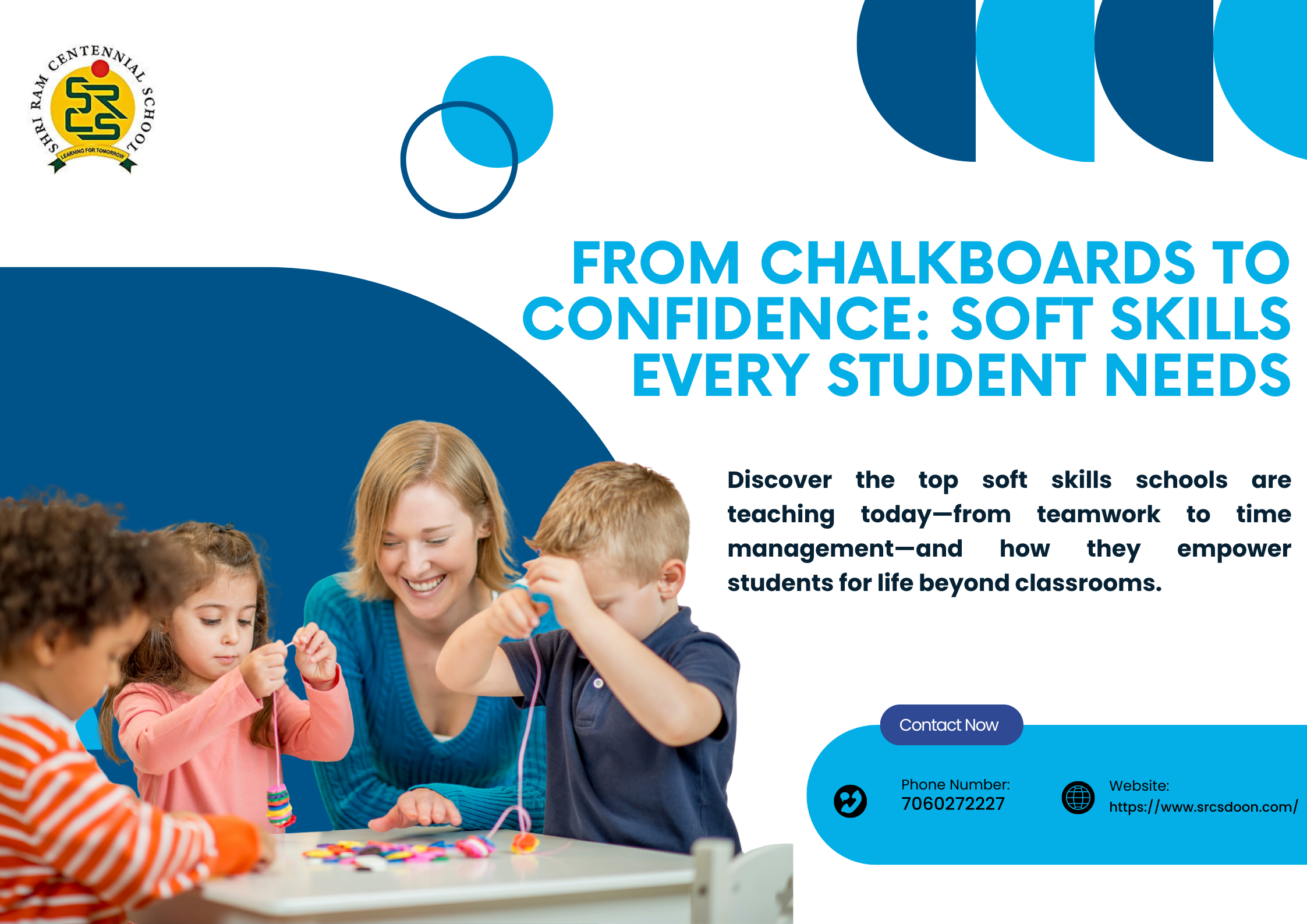
In today’s competitive and fast-paced world, soft skills in school education are no longer optional—they’re essential. While academic excellence continues to be important, it’s the soft skills like communication, empathy, collaboration, and adaptability that prepare students for real-life challenges, both personal and professional.
Whether it’s a classroom presentation, a group project, or a future workplace, students need to know more than just textbooks. And that’s exactly why schools—especially Boarding Schools in India—are now integrating soft skills into their core curriculum.
Let’s dive into why soft skills deserve a permanent place in modern education and how they empower students to thrive in all aspects of life.
What Are Soft Skills?
Soft skills are the interpersonal and emotional intelligence traits that define how students interact with others and handle various life situations. These include:
- Communication (verbal and non-verbal)
- Teamwork and collaboration
- Critical thinking and problem-solving
- Leadership
- Emotional intelligence
- Adaptability and resilience
- Time management and organization
Unlike hard skills, which are subject-specific, soft skills are universal. They impact every area of a student’s life—academics, relationships, and career.
Why Are Soft Skills Essential in the School Curriculum?
1. Better Communication, Better Learning
When students learn how to express their ideas clearly and listen actively, classroom discussions become richer. Effective communication also helps reduce misunderstandings, whether among peers or with teachers. This encourages a more inclusive and interactive learning environment.
2. Boosts Confidence and Self-Esteem
From public speaking to group participation, students who develop soft skills become more confident. They learn to take initiative, face fears, and tackle challenges head-on, which builds strong self-esteem over time.
3. Improves Academic and Career Readiness
Schools that focus only on academic achievements may be sending students into the real world unprepared. Soft skills bridge that gap. Employers today look for candidates who not only know the job but can also lead teams, solve problems, and adapt to change.
4. Strengthens Emotional Intelligence
Soft skills foster emotional awareness. Students who understand their own feelings and those of others are more empathetic, make better decisions, and develop stronger relationships. Emotional intelligence also reduces conflicts in school settings.
5. Encourages Teamwork and Collaboration
Team projects and extracurricular activities build collaborative spirit. Students learn how to divide responsibilities, respect different perspectives, and work towards common goals—just like they will in real-life workplaces.
How Schools Are Implementing Soft Skills Education
1. Integrated Curriculum Design
Forward-thinking schools now embed soft skills training across subjects. For example, group science projects encourage teamwork, while English classes develop communication and empathy through storytelling and discussions.
2. Dedicated Life Skills Classes
Many schools offer weekly classes specifically focused on personality development, emotional well-being, and leadership.
3. Workshops and Seminars
Schools invite industry leaders, psychologists, and motivational speakers to conduct sessions on key soft skills like resilience, time management, or public speaking.
4. Student Leadership Programs
Opportunities like student council elections, event planning, and volunteering teach responsibility, organization, and teamwork in a practical setting.
Benefits of Learning Soft Skills at an Early Age
- Early learners grasp interpersonal behavior quickly
Teaching empathy, sharing, and listening during early education sets a foundation for respectful and positive relationships. - Preparation for adolescence and adulthood
As students grow, soft skills help them navigate the complexities of teenage life—from peer pressure to academic stress. - Career longevity
Research shows that employees with strong soft skills climb the career ladder faster and maintain longer-lasting relationships with clients and teams.
Challenges in Teaching Soft Skills—and How to Overcome Them
| Challenges | Solutions |
| Subjectivity of soft skills | Use observation rubrics and reflective assignments |
| Lack of trained educators | Organize teacher training workshops and certification |
| Time constraints in the syllabus | Integrate skills into academic lessons creatively |
Real-Life Examples: Schools Getting It Right
Several progressive schools in India, especially premium residential institutions, have successfully integrated soft skills training into their daily schedules. Students in these schools participate in activities like:
- Model United Nations (MUNs) – builds diplomacy, research, and debate skills
- Drama and theatre – enhances confidence, expression, and empathy
- Group sports and competitions – develop team spirit, time management, and leadership
Soft Skills and the Future of Education
As automation and AI redefine job roles, human-centric skills like creativity, emotional intelligence, and critical thinking are becoming the most valuable assets. Students who are taught soft skills early on will be better prepared for this rapidly changing world.
UNESCO and several international education bodies have already emphasized the role of 21st-century skills, including soft skills, as a priority in global education strategies.
Conclusion
Top soft skills every student should master are no longer optional—they are the foundation for nurturing well-rounded, emotionally intelligent, and future-ready individuals. As our world becomes more interconnected and dynamic, students need more than academic knowledge to thrive.
By integrating communication, empathy, collaboration, and leadership into everyday learning, schools can empower students to become confident, capable, and compassionate leaders of tomorrow.
Frequently Asked Questions (FAQ’s)
Q1. What are the most important soft skills for students to learn?
A: Communication, teamwork, emotional intelligence, adaptability, and problem-solving are essential soft skills for school students.
Q2. At what age should soft skills education begin?
A: Soft skills can be introduced as early as preschool through simple activities like group play and storytelling.
Q3. How do soft skills benefit students academically?
A: Soft skills improve focus, classroom participation, collaboration in group tasks, and overall motivation to learn.
Q4. Do all schools in India teach soft skills?
A: Not all, but an increasing number of schools, especially CBSE and international schools, are integrating soft skills into their curriculum.
Q5. Can soft skills be measured or graded?
A: While they’re subjective, educators can assess soft skills using behavioral rubrics, self-reflections, and peer feedback systems.