






In today’s world, where inclusivity and equality are gaining the recognition they deserve, gender sensitization has become a crucial part of school education.
Schools in Dehradun, known for progressive learning environments, have already started embedding gender-sensitive values into their curriculum and classroom practices.
Teaching gender sensitization from a young age builds the foundation for an inclusive, respectful, and balanced society.
What is Gender Sensitization?

Gender sensitization refers to the process of making individuals aware of gender biases and encouraging them to challenge stereotypes.
It involves understanding and respecting the different roles, needs, and identities of all genders, including boys, girls, and non-binary individuals.
In school education, gender sensitization helps students unlearn social conditioning that leads to inequality.
Why it Matters in Schools

Early Influence on Young Minds
School is the first structured environment where children interact with peers from diverse backgrounds. Introducing gender sensitization at this stage ensures students grow up with empathy and understanding.
Early exposure helps prevent discriminatory behavior before it becomes deeply rooted.
Promotes Gender Equality
Gender sensitization in schools promotes fairness in opportunities, participation, and treatment of all genders. It encourages equal voice in classrooms, sports, leadership, and academic spaces.
Schools that support gender equality create a healthier and more collaborative learning environment.
Reduces Gender-Based Violence and Bullying
When students are educated about the harmful effects of gender stereotypes and learn to respect one another, incidents of bullying, teasing, or exclusion based on gender identity reduce significantly. It fosters a safer and more accepting atmosphere for every student.
Key Components of Gender Sensitization in School Education

Gender-Neutral Curriculum
Textbooks, examples, and case studies used in class should reflect gender diversity. Teaching materials must avoid reinforcing outdated roles—like always portraying women as homemakers or men as leaders. Curriculum reform plays a vital role here.
Gender-Inclusive Language
Using inclusive and respectful language helps normalize equality. Teachers should avoid phrases that reinforce stereotypes (e.g., “boys don’t cry” or “girls are weak”).
Language shapes perception, and consciously using gender-inclusive vocabulary is a major step forward.
Encouraging Equal Participation
Schools must ensure that all students are given equal chances to participate in sports, science fairs, leadership roles, and classroom discussions.
Encouraging both boys and girls to pursue any subject or activity of their choice builds confidence and breaks barriers.
Representation in Staff and Leadership
Gender sensitization is effective when schools also reflect it in their staffing.
Equal representation of male and female teachers, and the inclusion of women in decision-making roles, send strong messages about equality.
Students learn from observing their role models.
Role of Teachers and Administrators

Teachers as Role Models
Teachers must practice what they preach. A gender-sensitized teacher is mindful of how they treat and speak to students. They intervene in gender-based teasing, listen to all students equally, and actively promote fairness.
Training and Capacity Building
Teachers and school leaders should do regular sensitization workshops. These programs help educators identify their own biases and give them tools to handle sensitive issues with care and professionalism.
Gender Policy Implementation
Having clear school policies that define acceptable and unacceptable behavior related to gender ensures accountability. These policies must include complaint mechanisms and support systems for students facing gender-based challenges.
Parental Involvement

Extending Values Beyond Classrooms
For gender sensitization to be truly effective, the values taught at school must be supported at home. Parents should be encouraged to avoid reinforcing stereotypes and provide equal opportunities to their children regardless of gender.
Parent-Teacher Collaboration
Schools can host workshops for parents, helping them understand the importance of gender equality. Open communication between schools and parents leads to a more consistent approach to sensitization.
Benefits for Students

Builds Respect and Empathy
Students who undergo gender sensitization learn to treat everyone with dignity. They understand that abilities are not defined by gender and develop compassion toward those who may be different from them.
Encourages Personal Freedom
Students feel free to pursue their interests without fear of judgment. Boys interested in arts or girls passionate about sports feel supported and empowered.
Prepares for a Diverse Society
In today’s world, children must be prepared to work, live, and interact with people of different genders. Gender sensitization equips them with the emotional intelligence and communication skills to do so respectfully.
Challenges in Implementing Gender Sensitization

Cultural Resistance
In some communities, discussing gender equality may be seen as challenging traditional norms. Schools may face resistance from parents or local society when trying to introduce these ideas.
Lack of Resources
Many schools, especially in rural areas, lack access to well-designed teaching materials or trained educators. This can hinder effective implementation.
Ingrained Biases
Both students and teachers may carry deep-rooted gender stereotypes that are difficult to overcome. It takes time and consistent effort to unlearn such biases.
Solutions and Recommendations

Start Early
Introduce gender sensitization in primary classes through stories, games, and simple conversations. Younger children are more adaptable and open to new ideas.
Use Real-Life Role Models
Introduce students to role models from all genders who have succeeded in various fields. This breaks preconceived notions about gender roles.
Monitor and Evaluate
Schools should regularly assess how well gender sensitization efforts are working. Feedback from students, teachers, and parents can help refine programs.
How Schools in Dehradun Are Leading the Way
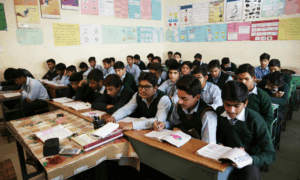
Many reputed schools in Dehradun have integrated gender sensitization into their daily practices. These schools conduct workshops, celebrate gender-equality days, and promote a culture of fairness across all levels.
From balanced participation in student councils to reviewing textbooks for biases, schools in Dehradun are setting a benchmark for others to follow.
Conclusion
Gender sensitization is not just a subject—it is a mindset that must be nurtured from a young age. Schools have the unique opportunity to influence how future generations think, behave, and lead.
By incorporating gender sensitization into education, we are raising students who are not just academically brilliant but also socially responsible.
Schools in Dehradun and beyond must continue to lead this change, ensuring that every student learns the values of equality, respect, and dignity. A gender-sensitized student today will become a more empathetic citizen tomorrow.