




The education scenario in India is witnessing a revolutionary change—and at the center of this revolution is AI in Indian schools.
Artificial Intelligence is no longer something in the future; it’s actively influencing how students learn, teachers teach, and schools function.
Through the examination of the performance, learning patterns, and progress of students at boarding schools in India, AI in Indian schools is rendering personalized learning not only feasible, but viable and effective.
What Does Personalized Learning Mean?

Personalized learning adapts educational experiences to the strengths, weaknesses, interests, and pace of each student.
Rather than a one-size-fits-all strategy, it accommodates flexibility—enabling students to progress in areas where they understand quickly while providing additional assistance where required.
And that is where AI in Indian schools steps into the picture.
How AI in Indian Schools Is Making It Happen:
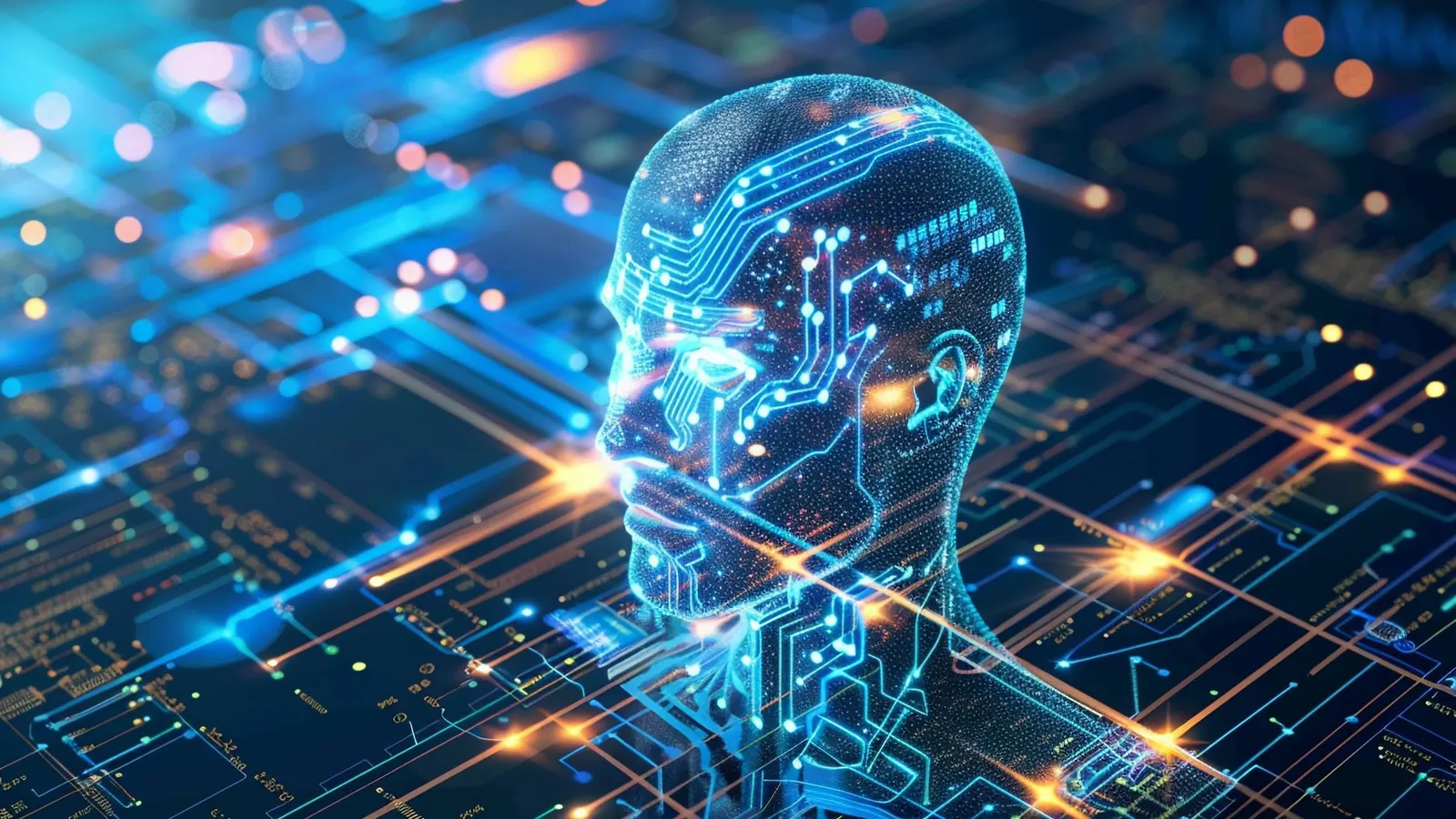
Smart Content Delivery
AI-based platforms suggest learning material—videos, quizzes, or notes—tailored to individual learning patterns. Visual learners will receive more infographics, and analytical minds will receive more problem-solving.
Real-Time Monitoring of Performance
Teachers receive dashboards with each student’s performance using AI in Indian schools. Educators use this information to intervene early and effectively when students are lagging behind.
Adaptive Testing
AI creates tests that adapt to increasing difficulty depending on student answers, giving fair and accurate assessments of students’ skills.
Automated Feedback
Rather than waiting for instructors to correct them, students get immediate feedback. This speeds up the learning cycle and keeps them engaged.
Individual Learning Paths
Depending on previous performance, AI suggests personalized study plans, ensuring that students learn at a pace that is most comfortable for them.
Schooling institutions and AI in Indian schools are already collaborating through platforms such as LEAD, Byju’s, and learning management systems that support AI.
These platforms help teachers and students by:
- Providing customized homework assistance
- Monitoring student habits and attendance patterns
- Foreseeing the performance of students
- Assisting teachers in preparing individualized lesson plans
Advantages of AI in Indian Schools for Personalized Learning:
- Increased participation and improved performance
- Closing learning gaps in crowded classrooms
- Equipped teachers with data-informed insights
- Students becoming owners of their learning paths
- All-inclusive support for students with varying learning needs
Empowering Students for a World Led by AI
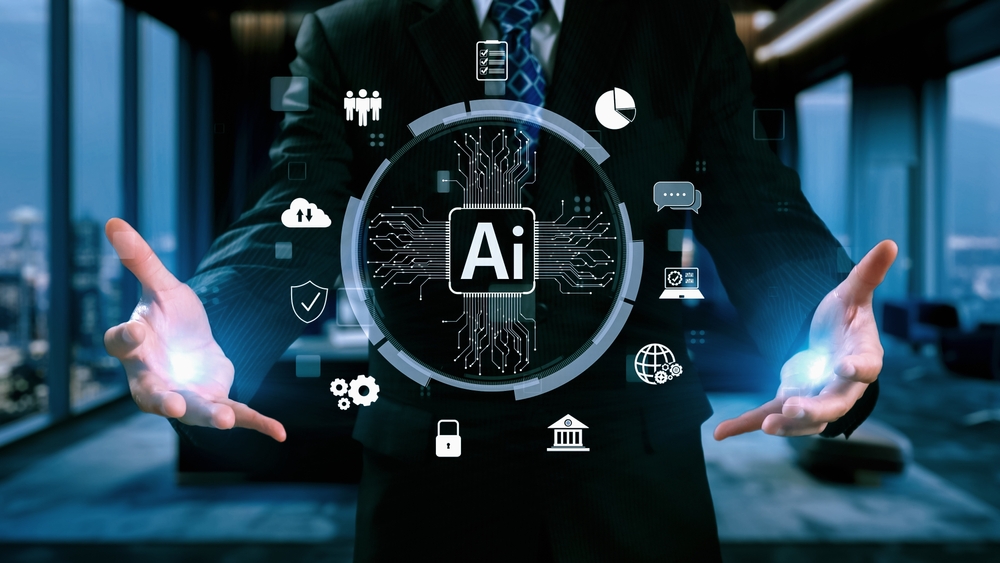
Integrating AI in Indian schools not only boosts customized learning but also equips students to excel in a technology-driven world.
With AI becoming increasingly integrated into everyday life, learning how to coexist with it is as crucial as learning from it.
While AI supports students, it also empowers teachers. AI in Indian schools helps educators by:
- Identifying common problem areas across a class
- Suggesting improvements in lesson delivery
- Providing ongoing professional development recommendations
- Reducing workload through auto-grading and administrative automation
This allows teachers to focus more on mentorship and emotional guidance—areas where human interaction remains irreplaceable.
Bridging Learning Gaps Across Diverse Backgrounds
India’s vast diversity means students come from varied linguistic, economic, and social backgrounds.
AI in Indian schools is helping bridge this gap by:
- Translating content into regional languages
- Offering voice-activated assistance for differently-abled students
- Customizing pace and complexity based on educational background
This makes quality education more accessible and equitable.
Data-Driven Decision Making for School Management
AI doesn’t just impact classrooms—it also improves school-wide decisions.
By integrating AI tools, school administrators can:
- Predict student dropout risks
- Analyze resource usage (library, labs, etc.)
- Forecast performance trends across subjects and grades.
This allows for better planning and a more efficient, data-backed educational environment.
Conclusion
AI in Indian schools is not only enhancing learning—it’s transforming it.
With AI-personalized education, every student has the opportunity to succeed on their own schedule, on their own terms.
As more schools adopt this technology, India is bringing itself one step closer to an education system that is smart, inclusive, and future-ready.
Frequently Asked Questions(FAQs)
1. What is AI in Indian schools?
AI in Indian schools refers to the use of artificial intelligence tools to personalize learning, track performance, and support teachers.
2. How does AI personalize learning for students?
It customizes lessons, assessments, and feedback based on each student’s learning style and pace.
3. Is AI replacing teachers in schools?
No. AI supports teachers by handling repetitive tasks and providing data insights, allowing teachers to focus on student engagement and support.
4. Which subjects benefit most from AI integration?
Subjects like math, science, and language arts benefit greatly, but AI can support all subjects through interactive tools and adaptive learning.
5. Is AI only used in high-end schools?
Not anymore. With growing EdTech solutions, AI is being adopted by many Indian schools, including affordable and mid-range institutions.