



For years, a student’s success was defined by his or her report card alone. But today life skills in education play a vital role in a student’s life.
But in the fast-moving, high-stakes world of today, that is quickly changing.
More than at any time in the past, teachers, parents at Co-ed boarding schools in Uttarakhand and worldwide employers are coming to appreciate that life skills in education are far more important in creating successful people than mere top grades.
The Change from Scores to Skills
As much as academic information is crucial, it’s no longer sufficient to equip students to deal with real-world problems.
Life skills in education—communication, problem-solving, flexibility, emotional intelligence, and working in teams—are now recognized as crucial for personal development as well as workplace achievement.
What Are Life Skills in Education?
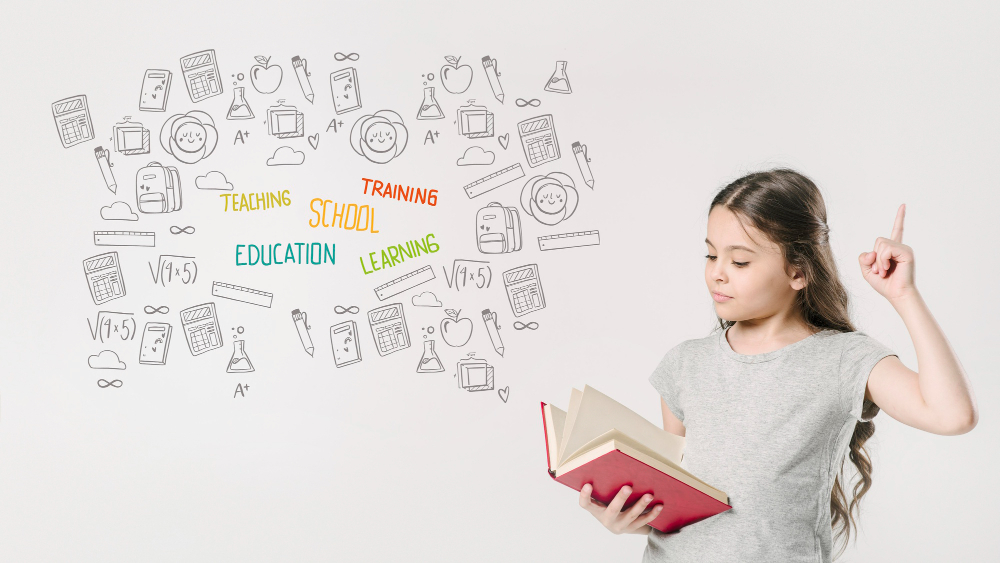
Life skills in education describe the skills students should have to manage day-to-day tasks, social relationships, and unexpected circumstances efficiently.
These involve:
- Critical Thinking & Decision Making
Allows students to think clearly about situations and make sound decisions.
- Communication & Interpersonal Skills
Assist in clearly communicating ideas and forming positive relationships.
- Emotional Intelligence
Promotes self-awareness, empathy, and control of emotions.
- Time Management & Self-Discipline
Empowers organization and goal-focused ability.
- Teamwork & Leadership
Equips students to collaborate and lead across various environments.
Why Life Skills in Education Matter More Than Marks
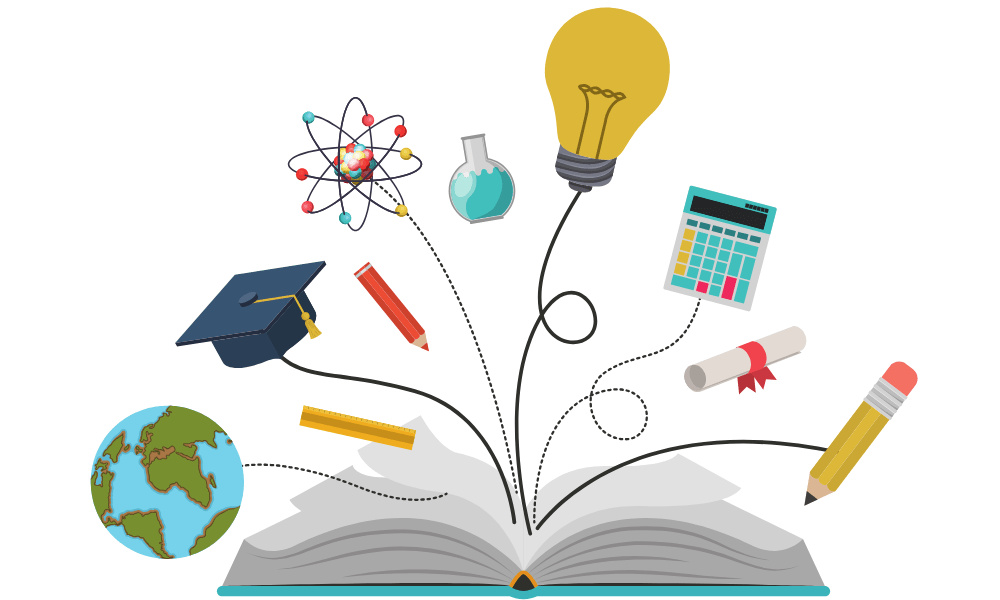
Here’s why education life skills are more precious than academic achievement today:
- Real-World Preparedness
Life doesn’t typically present you with multiple-choice answers. Life requires adaptability, determination, and sound thinking, abilities that are developed through life skills.
- Better Mental Health
Life skillful students deal better with stress, form healthier relationships, and stay mentally stable.
- Career Success
Recruiters seek students who are able to communicate, think for themselves, and work collaboratively—traits not captured in grades.
- Confidence & Self-Reliance
Self-confidence is enhanced by life skills and coping with issues independently of guidance.
- Long-Term Growth
Life skills improve over time and assist in developing beyond the classroom, touching both personal and professional life.
How Schools Are Incorporating Life Skills
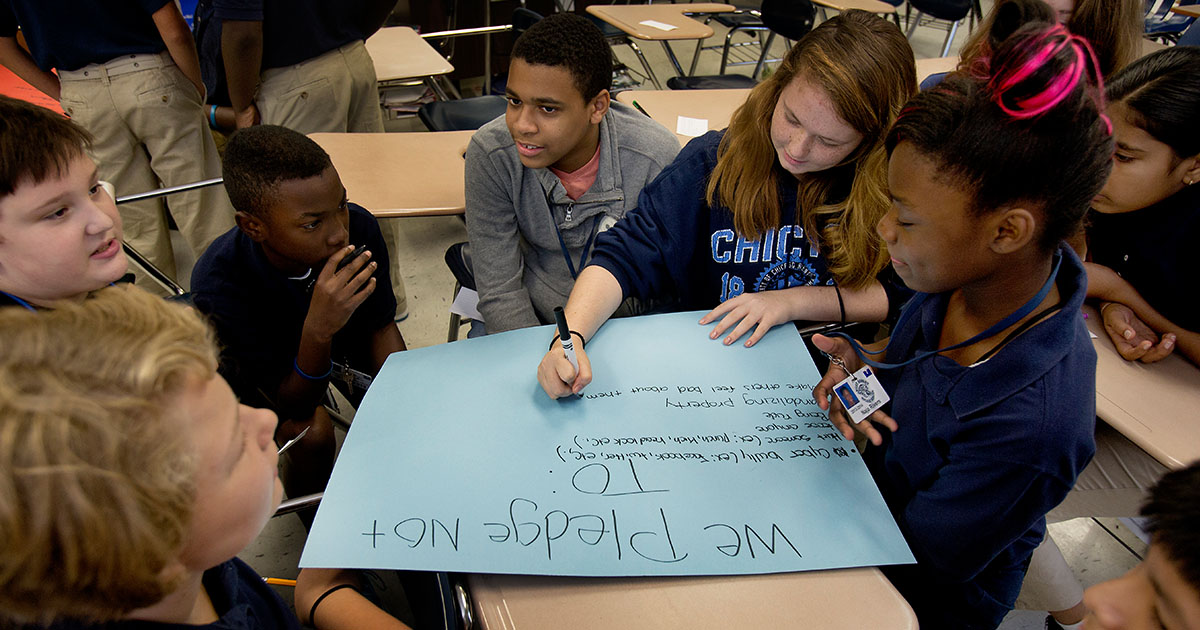
Progressive schools globally are now progressively incorporating life skills into learning through:
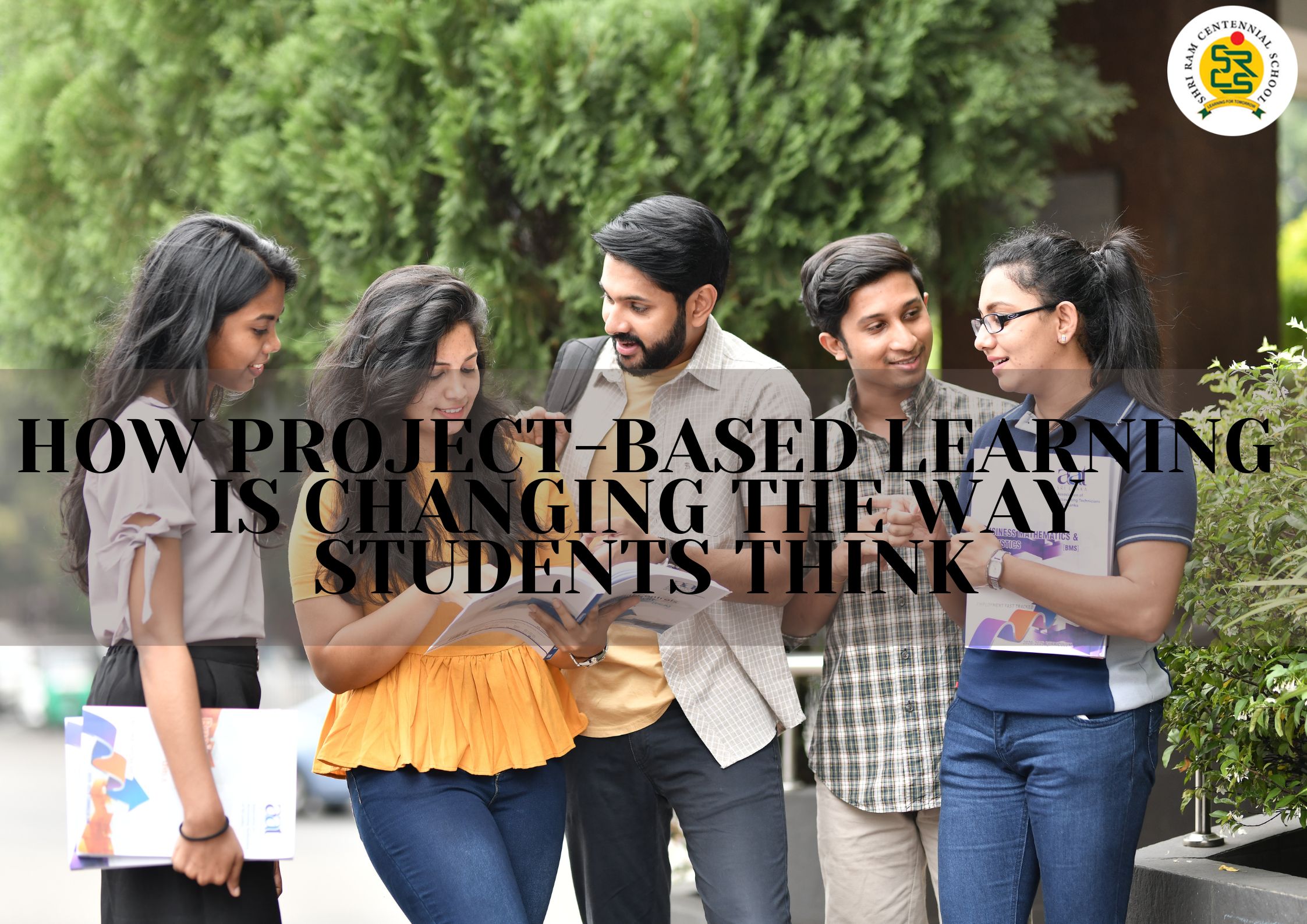
- Project-based learning and cooperative tasks
- Class discussions and open forums to facilitate expression
- Conflict resolution, goal-setting, and stress management workshops
- Co-curricular activities such as debating, community service, and team sports
- Daily routines that foster time management and responsibility
In India as well, most schools—day schools and boarding schools alike—are taking a more integrated approach where life skills in education are taken as integral parts rather than extras.
Long-Term Impact of Life Skills in Education
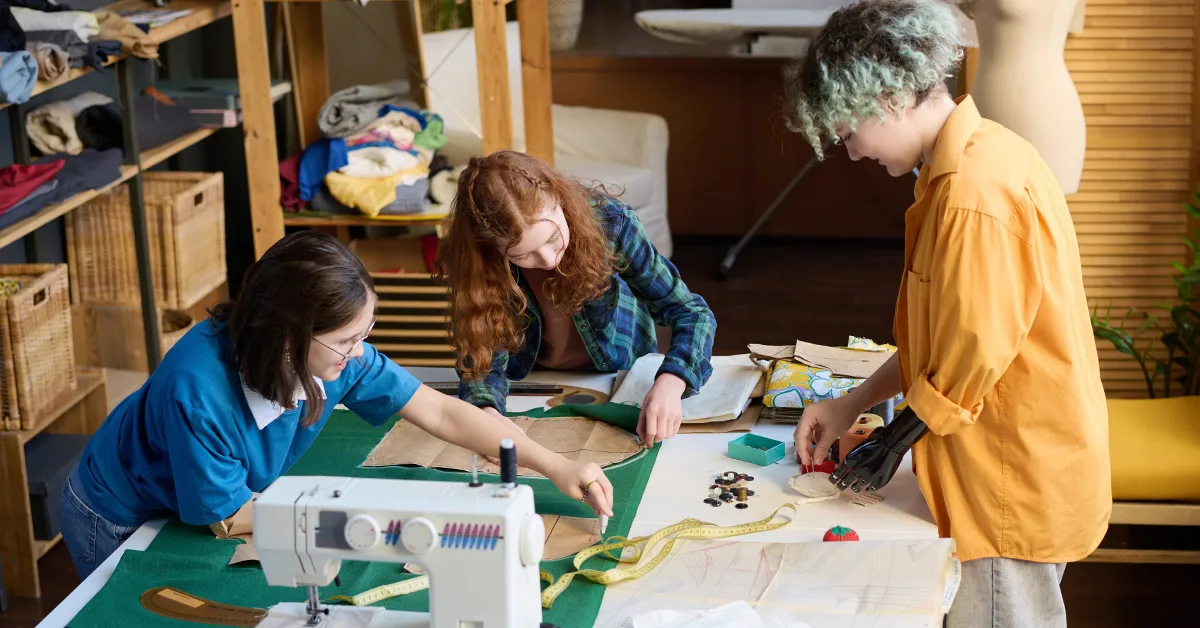
The true value of life skills in education is seen over time.
These skills stay with students long after exams are over, shaping how they handle adulthood, relationships, and careers.
Whether it’s managing time in college or resolving conflicts at work, life skills offer a solid foundation for long-term success.
-
Improve adaptability in changing environments
-
Strengthen interpersonal and leadership abilities
-
Build resilience and emotional intelligence
-
Encourage lifelong learning and personal growth
Conclusion
In a world that is constantly evolving on the back of technology, uncertainty, and interconnectedness, marks are no longer enough to signify a student’s destiny.
What actually readies kids for success—at life and at work—are resilient, practical life skills.
By prioritizing life skills in education, we ensure that students are not only exam-ready, but life-ready. And that’s an ambition worth striving for.
Frequently Asked Questions (FAQ’s)
Q1. What are life skills in education?
They’re essential skills like communication, problem-solving, and emotional intelligence.
Q2. Why are they more important than marks?
They help students succeed in real life, not just in exams.
Q3. How do schools teach life skills?
Through projects, discussions, and real-world activities.
Q4. Do life skills help in jobs?
Yes, employers value skills like teamwork and leadership.
Q5. Are Indian schools teaching life skills?
Yes, many are now including them in the curriculum.

This post really highlights an importantBlog Comment Creation Guide shift in how we define success in education. Focusing on life skills like communication, adaptability, and emotional intelligence prepares students for real-world challenges far better than marks alone ever could. It’s encouraging to see schools recognizing that character and capability often matter more than a perfect report card.