




Remember the thrill of completing a puzzle or the thrill of a fun learning method in school and games?
That’s the enchantment of fun learning methods in school—they merge curiosity, energy, and memory into a single thrilling learning experience.
Learning at ICSE boarding schools in India no more entails mere textbook reading and memorizing glossary definitions.
Schools now are revolutionizing classrooms as places where students don’t only study—but love it.
Integrating fun learning techniques doesn’t compromise academic excellence.
Instead, they tend to enhance retention, engagement, and creativity, allowing students to perform better without the pressure.
Why Fun Learning Techniques in School Matter
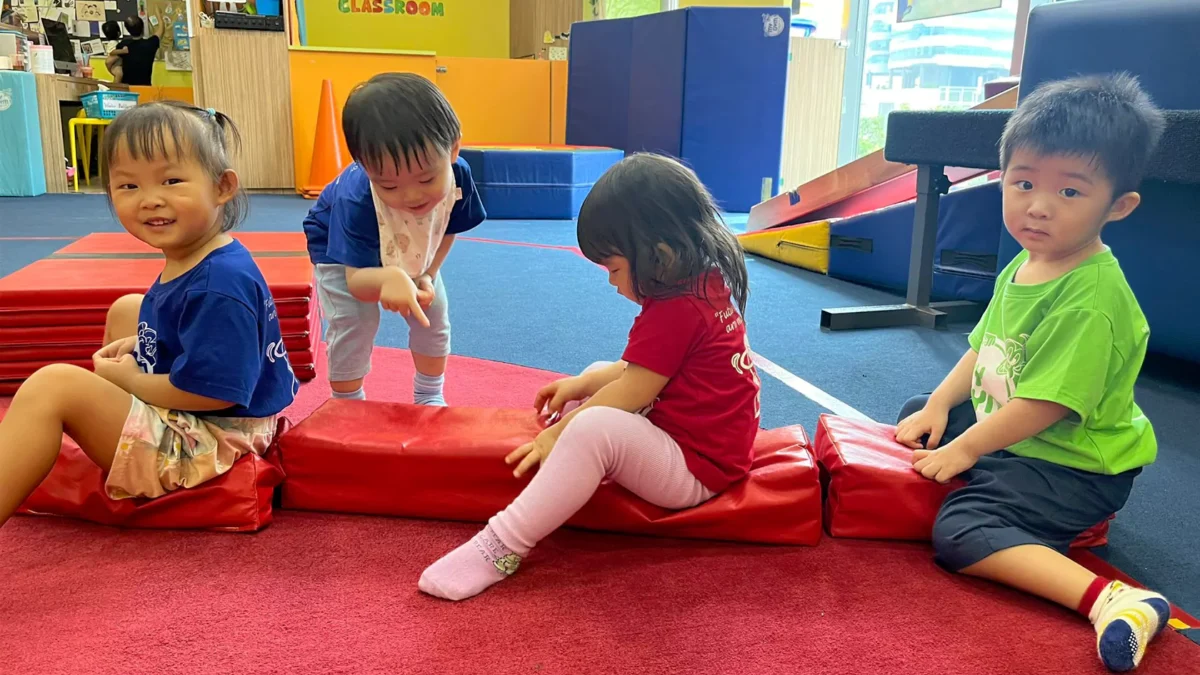
Let’s be realistic—kids learn more easily when they enjoy themselves.
Conventional rote memorization may serve them for the short term, but enjoyable fun learning methods in school make a lasting impact.
Whether through role-playing, narratives, or engaging quizzes, students will more often stay curious and actively engage.
Popular Fun Learning Methods in School

Schools across India and beyond are now embracing teaching techniques that spark excitement and support better outcomes.
Here are some tried-and-tested methods:
Gamified Learning
Turning lessons into games—like spelling bees, quiz bowls, or educational board games—helps students learn without realizing they’re studying.
Project-Based Activities
Hands-on projects like building models, group presentations, or community research allow students to apply what they learn in real-world scenarios.
Role Play & Drama
Reenacting science concepts or acting out history events makes learning more interactive and enhances communication and empathy skills.
Art & Craft Integration
Applying art to describe subject matter—like drawing the solar system or making history timelines—can be engaging for visual and creative learners.
Educational Technology Tools
Tablets, smart boards, and learning apps add a new element to classrooms. These applications tend to apply animations, videos, and quizzes to segment difficult ideas.
Storytelling as an Educational Tool
Whether it is a math problem told as a mystery by the teacher or personal anecdotes presented by students in English class, storytelling makes subjects come alive.
Advantages of Entertaining and Fun Learning Methods in School

When you make learning fun, the outcomes are evident:
- Increased Attention Spans
Interactive techniques avoid boredom and retain students’ attention for longer periods.
- Improved Concept Recall
Fun tools and lighthearted techniques enable students to recall concepts more efficiently.
- Enhanced Classroom Engagement
Students are more apt to raise hands, ask questions, and communicate.
- Lower Stress Levels
Playful environments lower stress levels and allow learning to come naturally, rather than being forced.
- Development of Soft Skills
Most fun learning methods in school assist students in developing teamwork, critical thinking, and leadership.
How Can Fun Learning Methods in School be Adopted

To actually adopt the fun learning methods in school, they need to:
- Encourage teacher training on innovative pedagogies
- Invest in tech tools and interactive materials
- Foster a flexible classroom culture that enables experimentation
- Integrate co-curricular and activity-based evaluations into the curriculum
- Doing these will guarantee that education isn’t merely bookish, but fun and whole.
Conclusion
The move towards fun learning methods in school is not a trend—it’s a need.
If children learn with happiness, they acquire a lifelong passion for knowledge.
It’s high time we construct classrooms where curiosity flourishes, creativity grows, and learning is play.
Let’s preserve the spirit of learning—one smile, one project, and one fun activity at a time.
Frequently Asked Questions (FAQ’s)
Q1. What are fun learning methods?
Engaging ways of teaching using games, stories, or projects.
Q2. How do they help students?
They make learning easier, fun, and memorable.
Q3. Do these learning methods improve grades?
Yes, by boosting understanding and focus.
Q4. Are these methods for all ages?
Yes, they work well for all grade levels.
Q5. Do they replace traditional teaching?
No, they support and enhance it.