With the world changing at a pace higher than ever before, the classroom must keep up. While grades and school performance remain important, they are no longer sufficient.
Today’s learners at boarding schools in India are entering an innovation-powered world fueled by global cooperation. And that’s where 21st century skills enter the picture.
These are not merely fashionable buzzwords.
They represent a combination of key life, learning, and work skills that prepare students to succeed in the outside world—beyond the classroom and textbooks.
Why 21st Century Skills Matter More Than Ever

The days when memorization could secure success are gone. The challenges facing us today and tomorrow demand a different preparation.
21st century skills are life-changing skills that are concerned with preparing flexible, forward-looking, and emotionally intelligent individuals.
Some of the challenges that will confront students include:
- Fast-changing technology
- Dynamics problem-solving in uncertain environments
- Remote and global workforces
- Upskilling in a constant state of flux
- Resilience of emotions in a fast-paced environment
Students require more than book smarts—they require the skills to learn how to learn, collaborate with diverse teams, and confidently navigate real-world challenges.
Core 21st Century Skills Students Must Learn
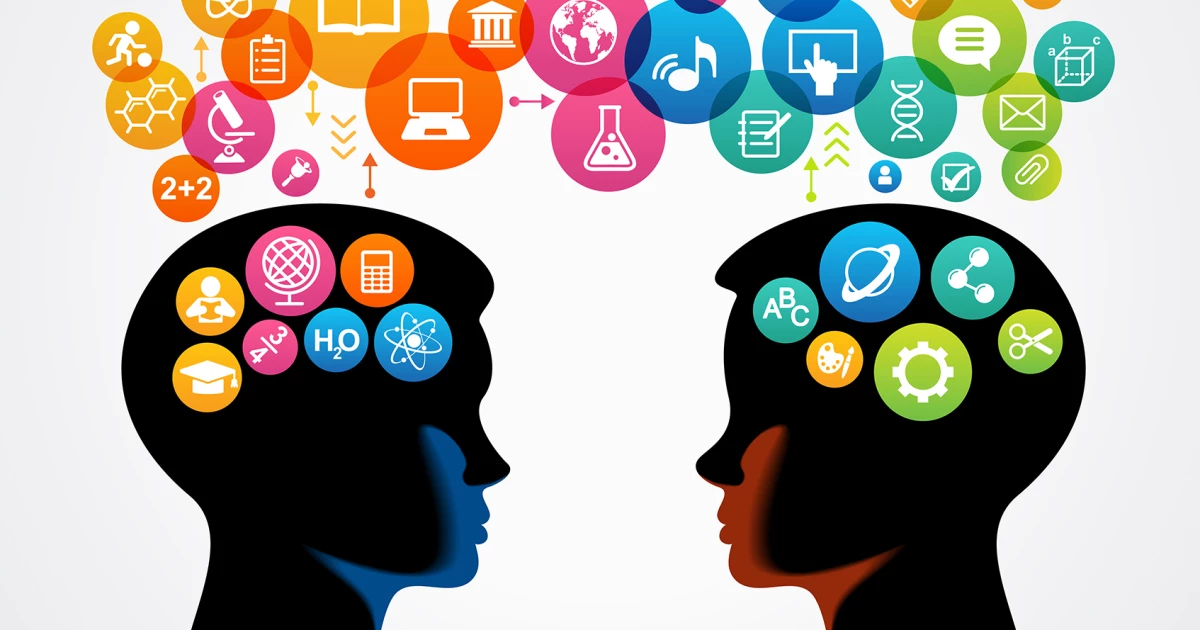
The basis of 21st century skills is built upon the “4Cs,” which are now as vital as reading, writing, and math.
The 4Cs are:
Critical Thinking: The skill of analyzing information, making informed decisions, and solving problems on their own.
Creativity: Fostering innovation, imagination, and fresh thinking in learning and life.
Collaboration: Functioning effectively in teams—both face-to-face and online.
Communication: Conveying ideas clearly through speaking, writing, and digital media.
These are complemented by other key areas of skill including:
- Digital literacy
- Emotional intelligence
- Adaptability and initiative
- Cultural awareness
Each one combined equals the toolkit that today’s learners must possess to succeed—not only in school, but in life.
How Schools Are Adapting to Teach 21st Century Skills
Innovative schools in India and around the world are already on board and working for spreading the 21st century skills amongst students for a better and advanced future.
Here’s how many are incorporating 21st century skills into daily learning:
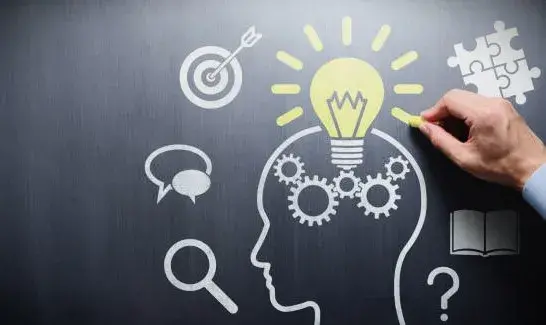
Project-Based Learning: Students tackle real-world problems in teams, fostering collaboration and problem-solving.
Tech Integration: From coding lectures to AI workshops, students learn using the latest tools.
Collaborative Assignments: Incentivizing group work to develop communication and teamwork skills.
Student-Led Learning: Allowing students to select and lead some activities enhances responsibility and self-direction.
Global Exposure: Exchange programs and global partnerships foster cross-cultural awareness and global citizenship.
Parents and Teachers: Joining Forces to Develop 21st Century Skills
The process does not begin and end within classrooms.
- Educators and parents need to collaborate in fostering 21st century skills at home and in day-to-day encounters.
- Foster open expression and communication at home
- Provide room for failure and reflection—integral components of learning
- Utilize daily routines as time and responsibility lessons
- Foster curiosity and life-long learning through books, documentaries, and debates
Conclusion
As the world changes, so must education. Acquiring 21st century skills is not merely about getting kids ready for work—it’s about getting them prepared for life.
From collaboration to emotional resilience, from international mindedness to flexibility, these skills forge the type of person who succeeds in their profession as well as society at large.
It’s time we move our attention away from merely grades and boards and towards developing learners who are capable of developing, evolving, and leading in the 21st century.
Frequently Asked Questions (FAQs)
- What are 21st century skills?
21st century skills include critical thinking, communication, collaboration, creativity, digital literacy, and adaptability. - Why are 21st century skills important for students?
They prepare students for real-world challenges, modern careers, and lifelong learning. - Are schools in India teaching 21st century skills now?
Yes, many schools are integrating them through project-based learning and tech-enabled classrooms. - How can parents support 21st century learning at home?
Encourage problem-solving, communication, and use of educational tools or platforms. - Is coding or AI considered a 21st century skill?
Yes, digital skills like coding, AI, and data literacy are part of modern skill sets.