



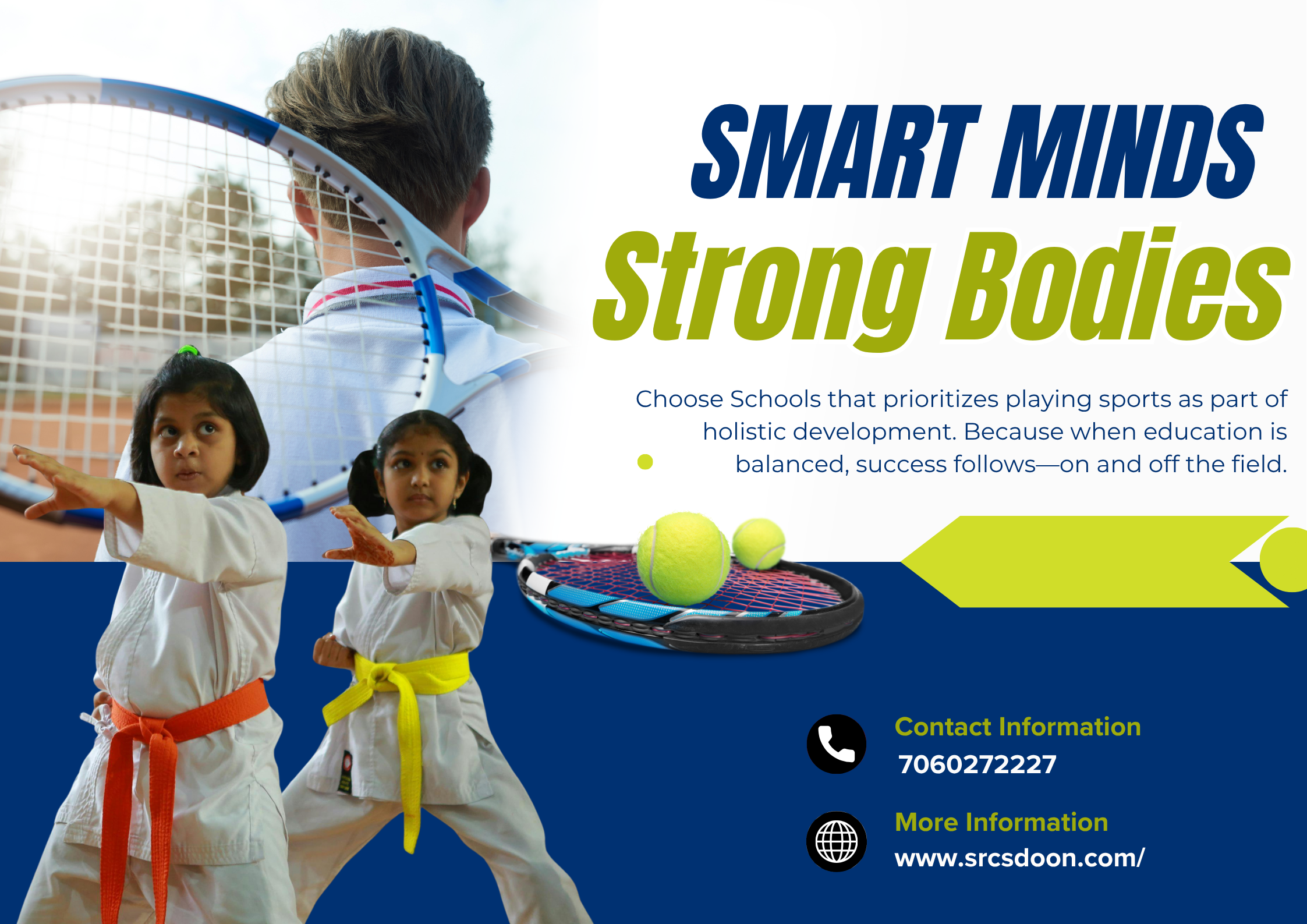
Playing sports is more than just a physical activity—it’s a powerful tool that can influence a student’s academic journey in surprising ways. Whether it’s a football match or a morning run, research shows that consistent involvement in sports can lead to better focus, improved memory, and greater discipline in academics. At a well-structured Boarding School in India, this balance between academics and athletics is often a core part of the learning experience. But how exactly does it happen? Let’s explore the science, benefits, and real-world outcomes behind the connection between sports and academic success.
Why Sports Matter in Education Today
In today’s fast-paced and competitive academic environment, schools and parents are constantly seeking ways to help children excel—not just in the classroom but in life. While tutoring and digital tools get most of the attention, playing sports often gets overlooked as a genuine academic booster.
Yet, countless studies and real-life examples tell a different story. From enhanced brain function to better emotional regulation, students who engage in sports regularly tend to outperform their less active peers in academics.
1. The Science Behind Sports and Academic Success
A. Boosting Brain Power
Physical activity increases blood flow to the brain, which in turn helps neurons communicate more effectively. This leads to:
- Better concentration
- Improved memory
- Faster cognitive processing
These are essential skills when it comes to retaining information, solving problems, and staying focused during long study sessions.
B. Stress Reduction = Better Performance
Stress is a major barrier to learning. Playing sports helps reduce cortisol (the stress hormone), promoting a calm, focused mind. A less anxious student can handle exam pressure and academic challenges more confidently.
2. Key Academic Benefits of Playing Sports
A. Better Time Management
Balancing sports and studies teaches students how to manage their time effectively. Student-athletes often develop a routine that includes practice, classes, homework, and rest—habits that encourage responsibility and organization.
B. Improved Classroom Behavior
Engaging in regular physical activity can lead to:
- Increased classroom participation
- Decreased behavioral issues
- Better relationships with peers and teachers
These factors directly influence a student’s ability to learn in a healthy and engaging environment.
C. Motivation and Goal Setting
Sports are goal-driven by nature. Whether it’s scoring a goal, beating a personal best, or winning a match, students learn how to set and pursue objectives—skills that naturally translate to academic goals like acing a test or improving grades.
3. Real-Life Examples: From the Field to the Classroom
Let’s take a look at how students from Boarding Schools in India are balancing both worlds.
At many top residential schools, students are encouraged to participate in structured sports programs alongside a rigorous academic curriculum. The result? Institutions report improved attendance, higher test scores, and enhanced student well-being. The discipline, teamwork, and leadership learned on the field clearly spill over into academic performance.
4. The Role of Physical Education in School Curriculum
Physical education in schools isn’t just about free play or a break from studies. A well-designed PE program:
- Introduces students to multiple sports and fitness routines
- Encourages regular physical activity
- Promotes overall mental and emotional well-being
When schools integrate physical education as a core part of the curriculum, they invest in the complete development of the child.
5. Countering the Myths: “Sports Take Time Away from Studies
It’s a common concern: won’t sports take too much time away from academics?
In reality, it’s all about balance. Students who play sports learn how to prioritize tasks and stay productive. Multiple studies show that moderate participation in sports (2–3 hours per week) does not harm academics—in fact, it often improves them.
6. Long-Term Life Skills from Sports
Besides better grades, playing sports also builds:
- Resilience: Coping with failure and bouncing back
- Leadership: Taking charge, even under pressure
- Communication: Collaborating with teammates
- Emotional Intelligence: Managing emotions and understanding others
These skills are invaluable in college, career, and life in general.
Conclusion
Playing sports improves academic performance not just by enhancing physical health but by building mental toughness, time management, and motivation. In schools where education is evolving, like many Boarding Schools in India, sports and academics are no longer seen as opposites—they complement each other.
By encouraging your child to engage in sports, you’re not just supporting their hobbies; you’re actively boosting their academic potential and preparing them for life’s bigger challenges.
Frequently Asked Questions (FAQs)
Q1. How often should students play sports to see academic benefits?
Answer: 2–3 times a week is enough to see noticeable improvements in focus, memory, and stress levels.
Q2. Can too much sports participation harm academic performance?
Answer: Yes, excessive involvement without time management can affect studies. Balance is key.
Q3. Are academic benefits visible for all age groups?
Answer: Yes, from primary school to high school, the benefits of physical activity apply across all age groups.
Q4. Does playing sports help students with learning disabilities?
Answer: Yes. Sports can improve concentration, reduce anxiety, and enhance social interaction for such students.
Q5. What sports are best for improving academic performance?
Answer: No single sport is best. Team sports build collaboration; individual sports boost self-discipline. Both are effective.